



What to know
- COVID-19 testing can help you know if you have COVID-19 so you can decide what to do next, like getting treatment to reduce your risk of severe illness and taking steps to lower your chances of spreading the virus to others.

Types of tests
Viral tests look for a current infection with SARS-CoV-2, the virus that causes COVID-19, by testing specimens from your nose or mouth.
There are two main types of viral tests.
Nucleic Acid Amplification Tests (NAATs)
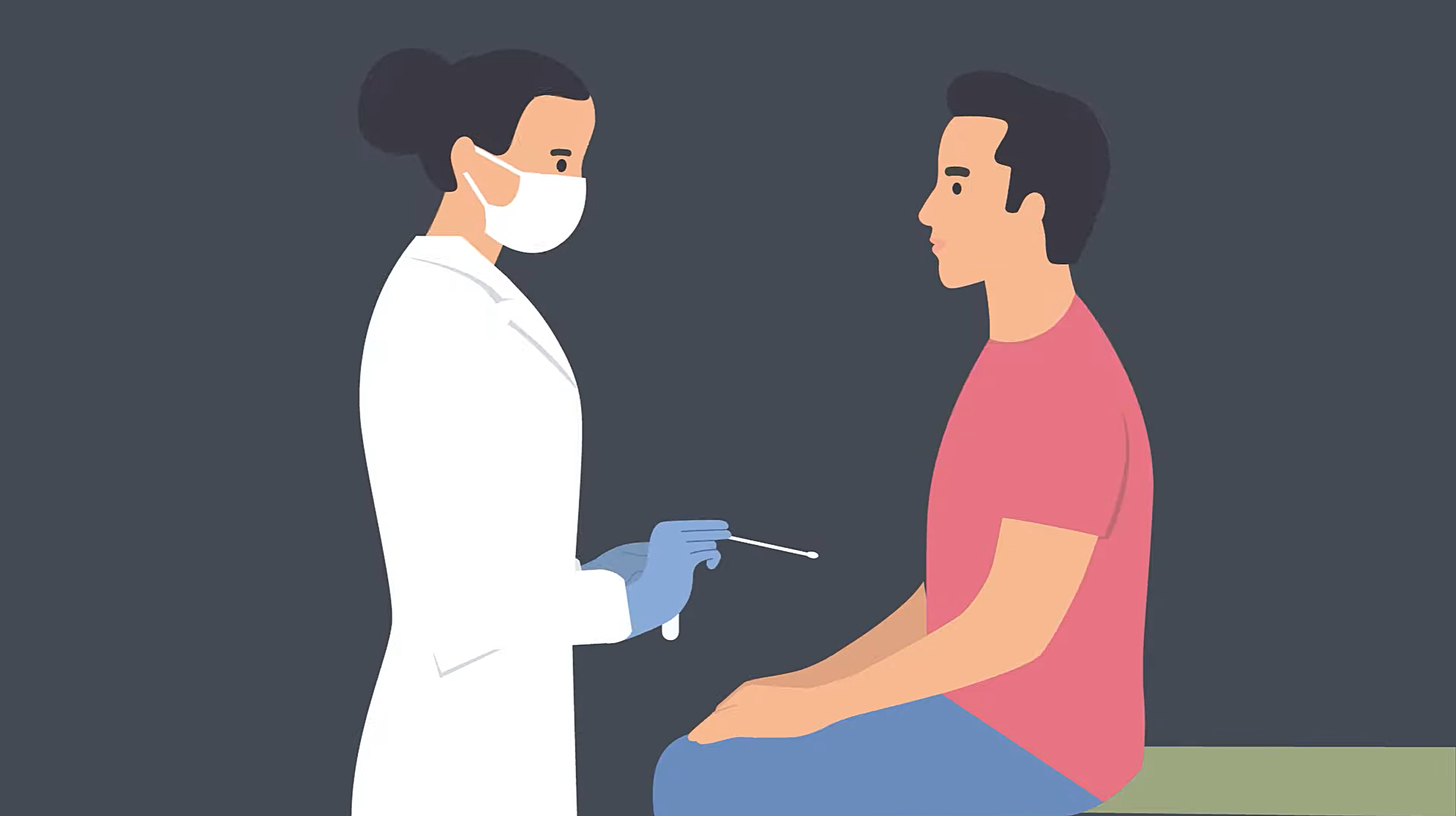
Nucleic acid amplification tests (NAATs), including PCR tests, are more likely to detect the virus than antigen tests. NAATs tests are the “gold standard” for COVID-19 tests.
Your sample will usually be taken by a healthcare provider and transported to a laboratory for testing and may take up to 3 days to receive results. Some NAATs may be performed at the point-of-care and provide results more quickly.
Antigen Tests
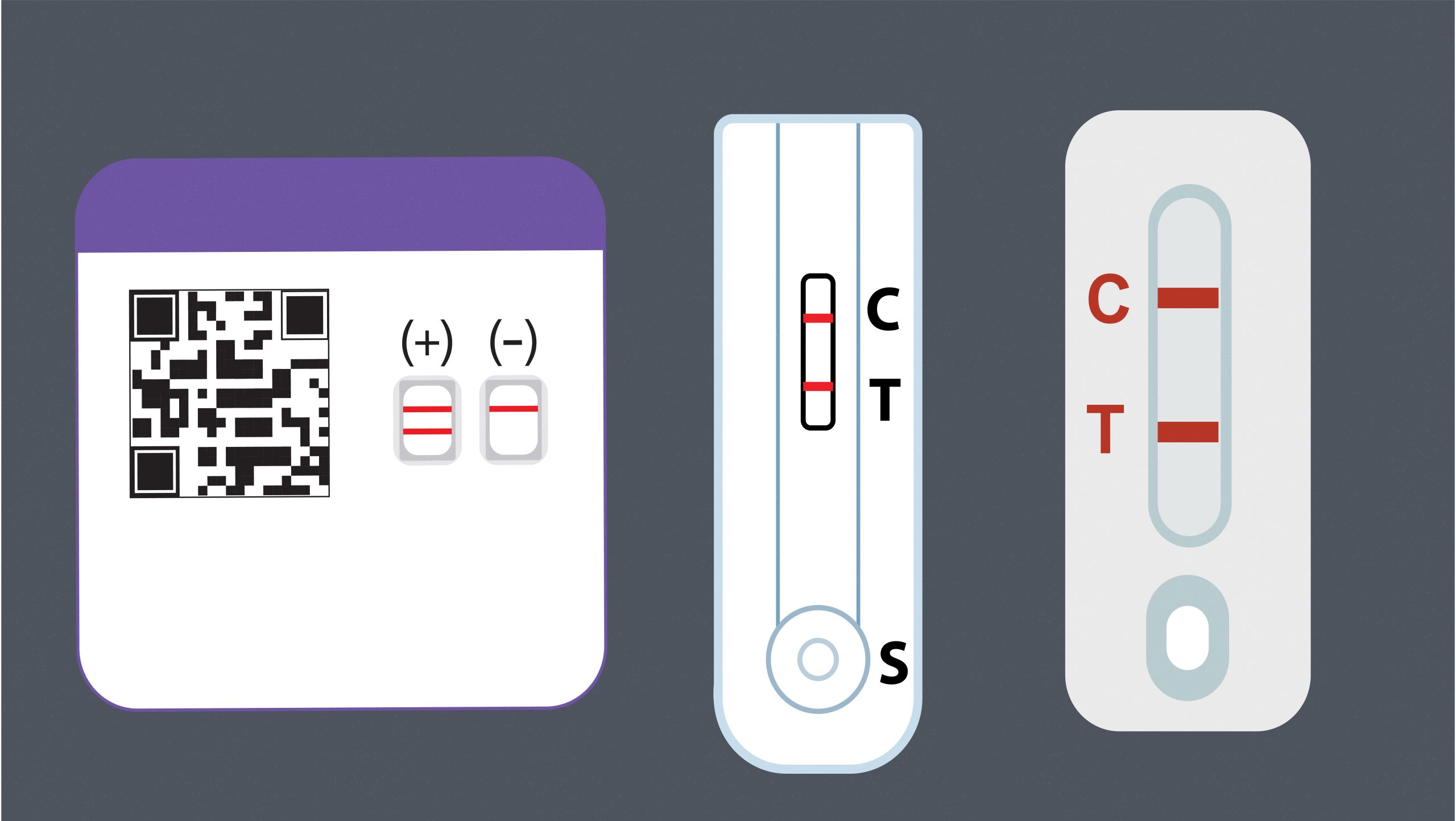
Antigen tests* are rapid tests that usually produce results in 15-30 minutes. Positive results are accurate and reliable. However, in general, antigen tests are less likely to detect the virus than NAAT tests, especially when symptoms are not present. Therefore, a single negative antigen test cannot rule out infection.
To be confident you do not have COVID-19, FDA recommends 2 negative antigen tests for individuals with symptoms or 3 antigen tests for those without symptoms, performed 48 hours apart. A single NAAT test can be used to confirm an antigen test result.
*Self-tests, or at-home tests, are antigen tests that can be taken anywhere without having to go to a specific testing site. Read self-test package inserts thoroughly and follow the instructions closely when performing the test.
When you get tested
- Choose the right type of test for your circumstance.
- When using an antigen test, follow the recommendations provided by FDA and the test's manufacturer.
- If you do not, your results may be less likely to correctly indicate whether you have COVID-19 or not.
Choosing a COVID-19 test
I want to get tested and:
I have not had COVID-19 or I have not had a positive test within the past 90 days.
You may choose a NAAT, including PCR, or antigen test. If you use an antigen test and your result is negative, repeat testing following FDA recommendations.
I tested positive for COVID-19 in the last 90 days.
My first positive test result was within 30 days or less:
- I have symptoms: Use an antigen test. Repeat negative tests following FDA recommendations.
- I do not have symptoms: Testing is not recommended to detect a new infection.
My first positive test result was within 31-90 days:
- I have symptoms: Use an antigen test. Repeat negative tests following FDA recommendations.
- I do not have symptoms: Use an antigen test. Repeat negative tests following FDA recommendations.
After a positive test result, you may continue to test positive for some time. Some tests, especially NAAT tests, may continue to show a positive result for up to 90 days.
Reinfections can occur within 90 days, which can make it hard to know if a positive test indicates a new infection.
Consider consulting a healthcare provider if you have any questions or concerns about your circumstances.
Getting a COVID-19 test
Buy self-tests (at-home tests)
Buy self-tests (at-home tests) online or in pharmacies and retail stores. If you have health insurance, it may reimburse the cost of purchasing self-tests. Visit FDA's website for a list of authorized tests.
Go to a testing location
- Visit a community-based testing location, such as a pharmacy or health center near you. These locations may offer NAAT, including PCR, or antigen tests, and provide low- or no-cost testing. Free NAAT or antigen tests may also be available through your local health department.
- Talk to a doctor or healthcare provider about other testing options that may be available to you.
- If you are a person with a disability, the Disability Information and Access Line can help you access a test or find a test location.
Interpreting your results
If your COVID-19 test is positive
A positive COVID-19 test means the virus was detected and you have or recently had an infection.
- Take steps to prevent spreading COVID-19.
- Monitor your symptoms. If you have any emergency warning signs, seek emergency care immediately.
- Seek health care right away for treatment if you have risk factors for severe illness. Treatment may be an option to make your symptoms less severe and shorten the time you are sick. Treatment needs to be started within a few days of when your symptoms begin.
If your COVID-19 test is negative
A negative COVID-19 test means the test did not detect the virus, but this doesn't rule out that you could have an infection. If you used an antigen test, follow FDA recommendations for repeat testing.
- If you have symptoms:
- You may have COVID-19 but tested before the virus was detectable.
- You may have another viral infection or illness.
- Take actions to help protect yourself and others from health risks caused by respiratory viruses.
- Contact a healthcare provider if you have any questions about your test result.