



About
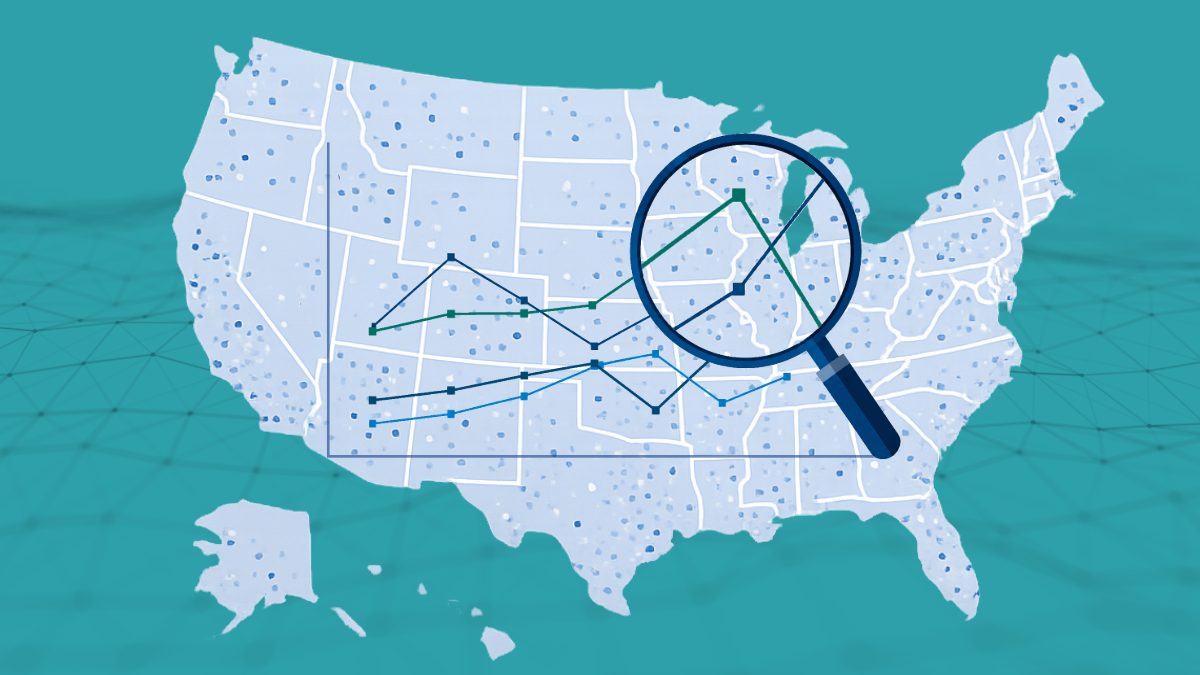
Drug overdose trends at-a-glance
Understanding drug overdose data from across CDC sources can help provide a clear image of what is happening nationally and in your community. Below the fatal data come from NVSSA Band the nonfatal data come from DOSE-SYS.C D E
Current drug overdose trends
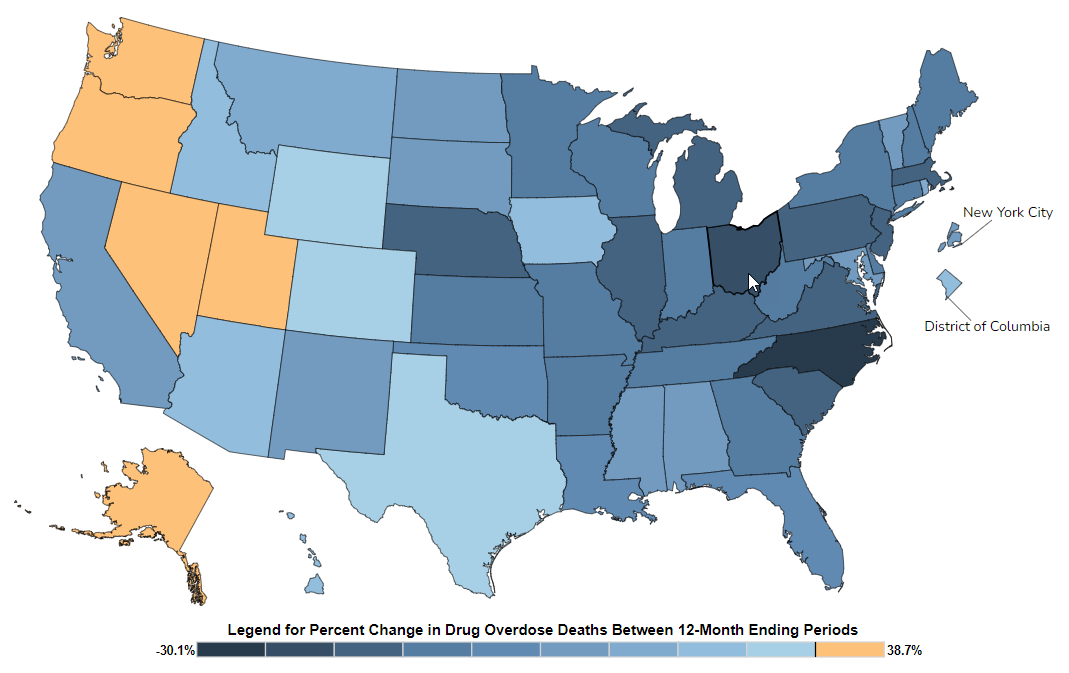
Overdose trends have been shifting in recent years. The figures below show what the latest data tell us. Below the fatal data come from SUDORS and the nonfatal data come from DOSE-SYS.
The three major CDC data systems featured on this page are:
- National Vital Statistics System (NVSS): Provisional (preliminary) Fatal Drug Overdose Data
- State Unintentional Drug Overdose Reporting System (SUDORS): Fatal Drug Overdose Data
- Drug Overdose Surveillance and Epidemiology (DOSE): Nonfatal Drug Overdose Data
There are a few things to know when interpreting this data:
- Not all states and Washington, D.C. share every type of overdose data with CDC. Because of this, data on this page may only be available for certain areas.
- **Provisional** means the data is not yet final and may be incomplete as investigations into overdose deaths can take months. **Final** data have completed this review process.
- The data sources on this page are updated at different times. For the most up-to-date information, please visit the system-specific data dashboards.
- Provisional death counts and suspected nonfatal overdose ED visit proportions presented in the boxes are for "12-month ending periods," meaning they represent the total deaths or suspected nonfatal overdose ED visit proportions from the month shown and the 11 months before it.
Why does SUDORS show "Data not yet available" for recent months?
- Data is not yet available because SUDORS requires detailed abstraction of information from medical examiner/coroner reports and full postmortem toxicology testing results in addition to death certificates. Data is cleaned and closed out twice per year for SUDORS, in 6-month increments, and the latest 6-month data is not yet available.
- All drugs: Any substance involved in an overdose. This may include prescription medicines, illegal drugs, over-the-counter drugs, or a mix of different substances.
- Any opioids: Drugs that reduce pain but can stop breathing in high amounts. They include prescription pain medicines such as oxycodone and hydrocodone, heroin, both prescription and illegally made fentanyl, and other synthetic opioids.
- Any stimulants: Drugs that affect the central nervous system and that can briefly increase heart rate, energy, and alertness. Stimulants can cause serious health problems like stroke and heart attack, problems controlling body temperature, and mental health problems. Stimulants include illegal drugs, such as cocaine and methamphetamine, and prescription medications, such as Adderall.
- Illegally made fentanyl: Powerful opioids made illegally, not for a pharmacy. Fentanyl is up to 50 times stronger than heroin and 100 times stronger than morphine.12 It may be mixed into other drugs, making them more dangerous and potentially deadly.
Opportunities for intervention
We can help prevent future overdoses by identifying points of intervention. A point of intervention is any time when a person shows signs that they may need help or when they have contact with health care or other services where support, treatment, or other resources can be provided.
Understanding these opportunities helps communities identify when and how they can prevent future overdoses and save lives.
Opportunities for intervention could include when a person had:
- Someone nearby at the time of an overdose, who could have recognized signs and symptoms and responded
- A mental health condition that was known or being treated
- A previous overdose, which is a strong warning sign for future risk
- A recent release from jail, prison, or another institution, which is a time of especially high risk
- Current treatment for a substance use disorder, showing they were already connected to a system that might have offered more support
Overdose prevention and treatment
Drug overdoses are the leading injury-related cause of death for adults in the United States, and millions of Americans have a substance use disorder (SUD).3 Addiction is a disease, not a character flaw. With the right treatment and support, recovery is possible. Getting help is a sign of strength.
If you or someone close to you needs help for a substance use disorder
Learn more about what CDC is doing to prevent overdoses.
Success stories in overdose prevention
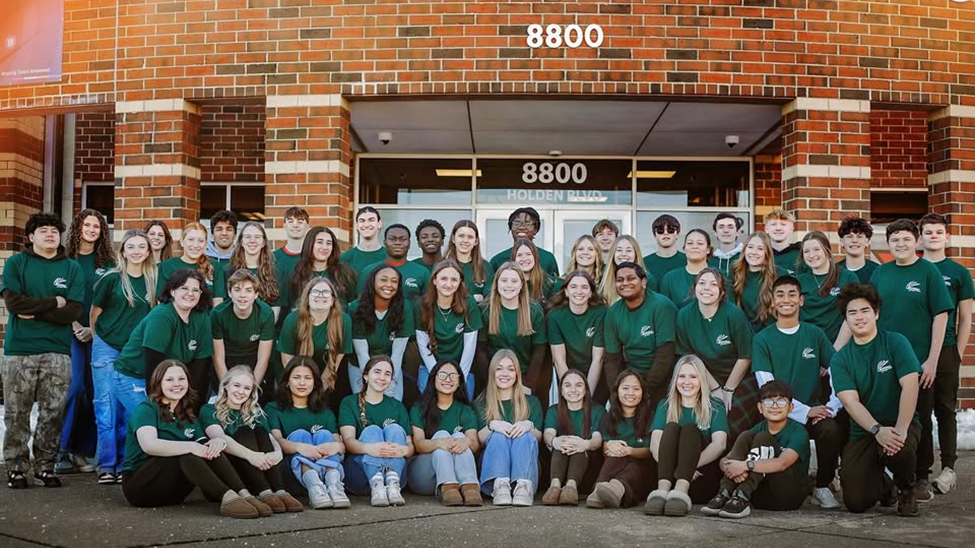
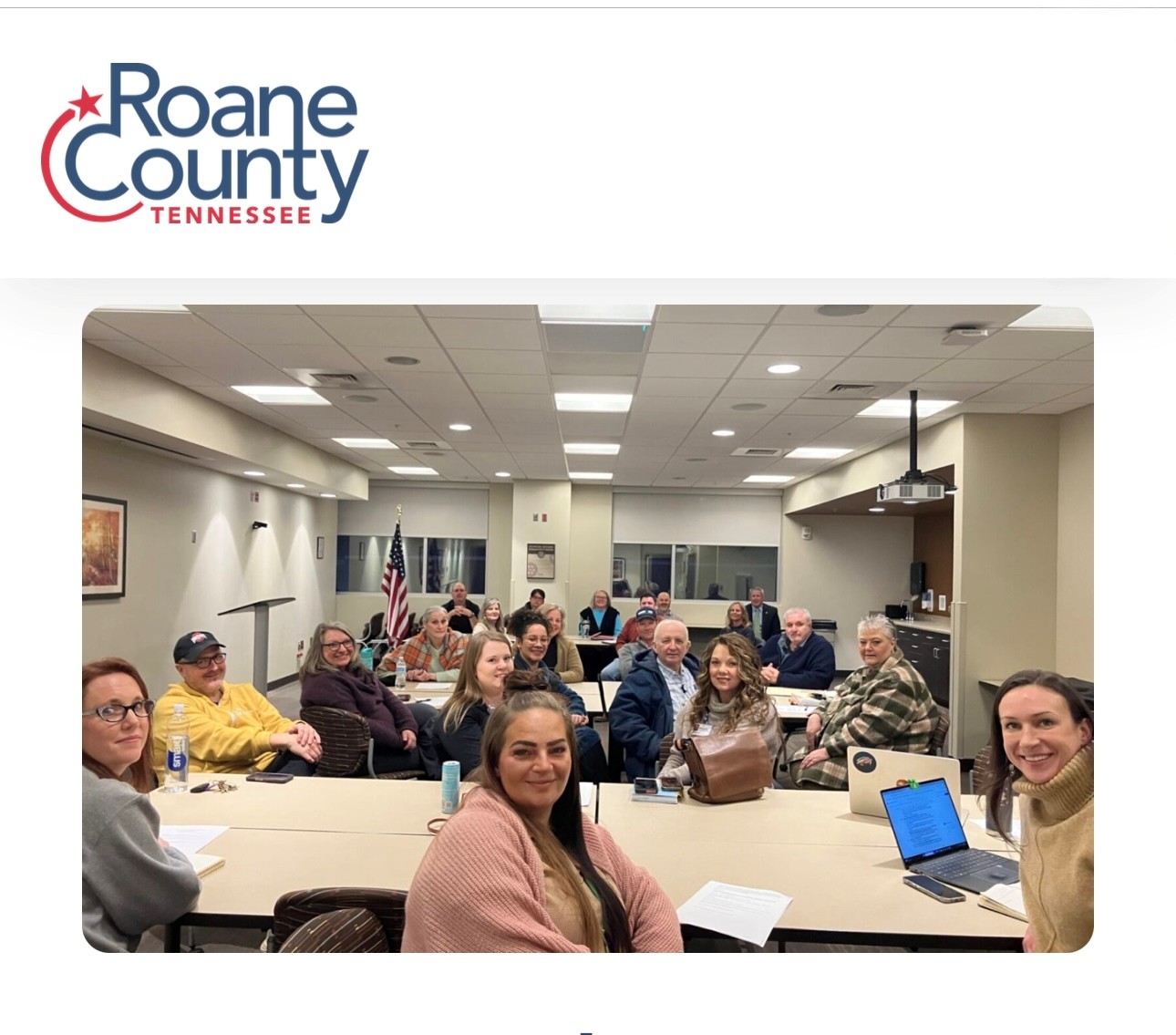
CDC is partnering with communities across the country to expand prevention, treatment, and recovery support services — making a measurable difference and saving lives. Read about how strategic investments can prevent overdose deaths and improve health outcomes.



Continue exploring our programs




Continue exploring the data




This page was last updated on this date. Updates may include minor edits, image changes, or other modifications to page content.
The information on this page was last reviewed by subject matter experts to ensure accuracy.
- Provisional data is not final and may be incomplete; counts can appear lower than final totals because overdose deaths often require lengthy investigations.
- Predicted provisional counts represent estimates of the number of deaths adjusted for incomplete reporting.
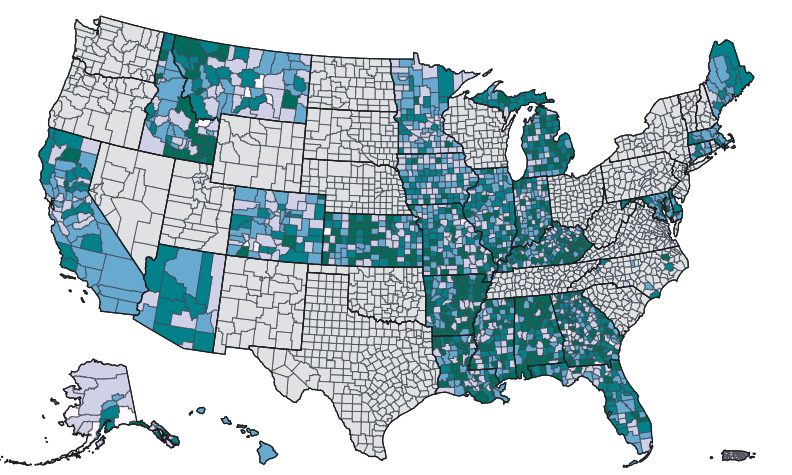
- California and Oklahoma are not funded for DOSE-SYS. North Dakota does not participate in OD2A in States. Other situations when data coverage was incomplete may also lead to data suppression in DOSE-SYS.
- Values based on 1-19 overdose counts are suppressed from DOSE-SYS to avoid sharing information that could be identifiable and because of possible instability of rate estimates. For more information, please see Healthy People 2010 Criteria for Data Suppression
- Nonfatal drug overdoses identified using syndromic emergency department data are considered suspected overdoses because 1) they are identified from initial clinical impressions, 2) they may not represent the final information about the ED visit, and 3) many do not have confirmed laboratory drug test results.
- Ciccarone D. Fentanyl in the US heroin supply: A rapidly changing risk environment. Int J Drug Policy. 2017;46:107-111. doi: 10.1016/j.drugpo.2017.06.010.
- Poklis A. Fentanyl: a review for clinical and analytical toxicologists. J Toxicol Clin Toxicol. 1995;33(5):439-47. doi: 10.3109/15563659509013752.
- Treatment of Substance Use Disorders | Overdose Prevention | CDC
- Provisional overdose deaths (NVSS): This data provides early estimates of overdose deaths that occurred in the United States using death record data. NVSS death counts include all drug overdose deaths, regardless of intent. Because overdose death records can take time to complete, CDC uses models to adjust for reporting delays. These estimates can help show emerging changes sooner than final data.
- Emergency department visits for suspected nonfatal overdoses (DOSE-SYS): This data tracks when people come to emergency departments for suspected nonfatal drug overdoses. This helps show patterns in nonfatal overdoses, which may give early warning of changes in local drug use, drug supply, or overdose-related harm.
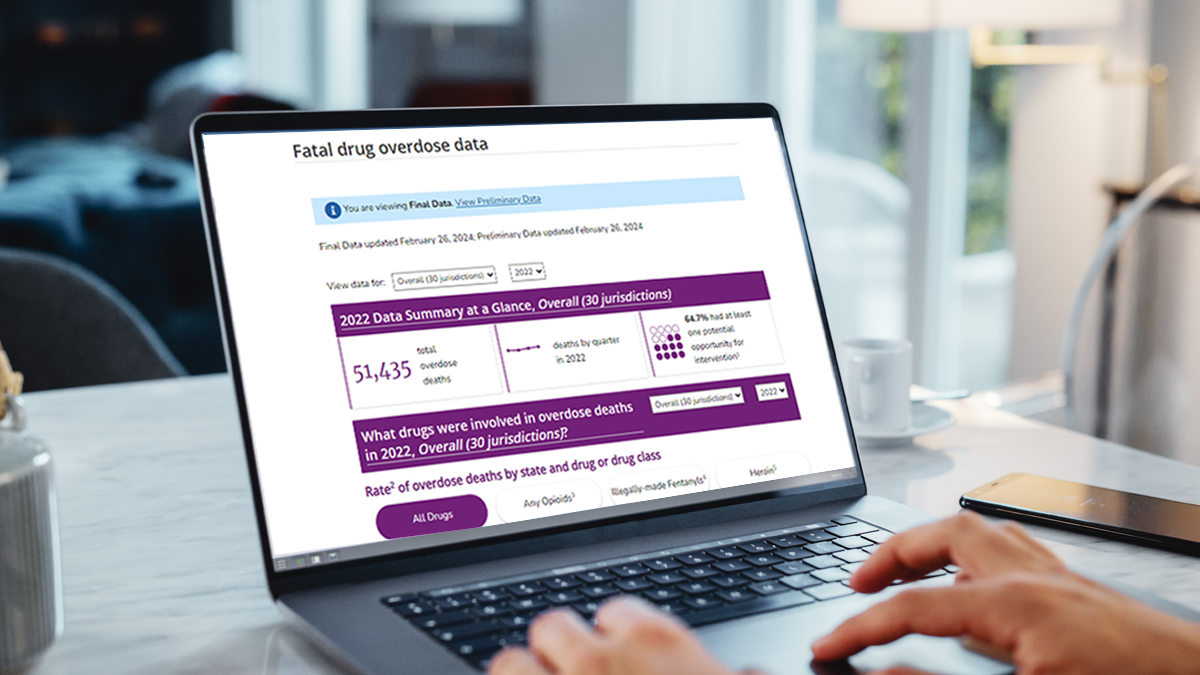
- State Unintentional Drug Overdose Reporting System (SUDORS): This data tracks unintentional and undetermined intent drug overdose deaths using information from death certificates, medical examiner or coroner reports, and postmortem toxicology results. This data provides deeper insight into the circumstances surrounding overdose deaths.