



Educational Materials by Topic
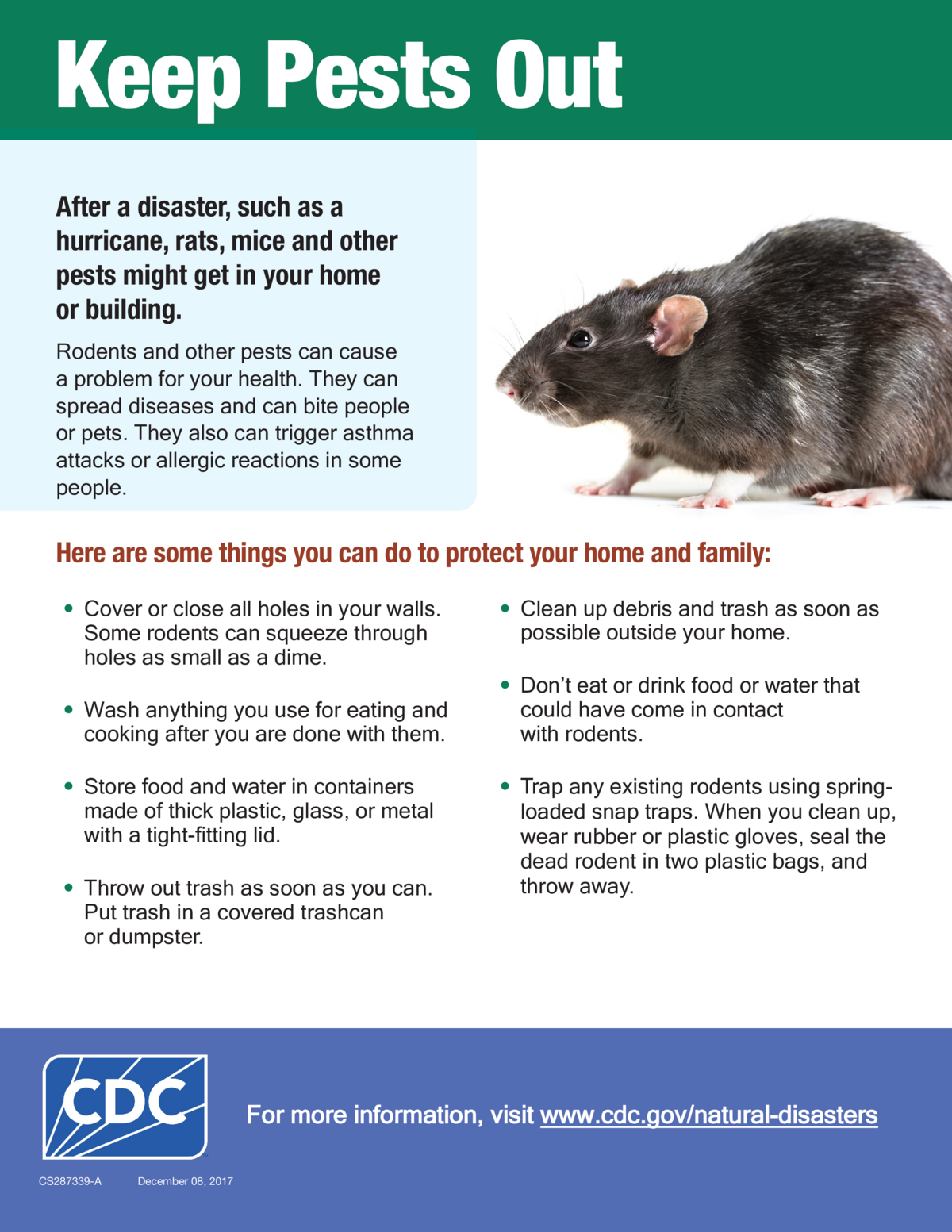
After a disaster, rats, mice and other pests might get in your home or building.
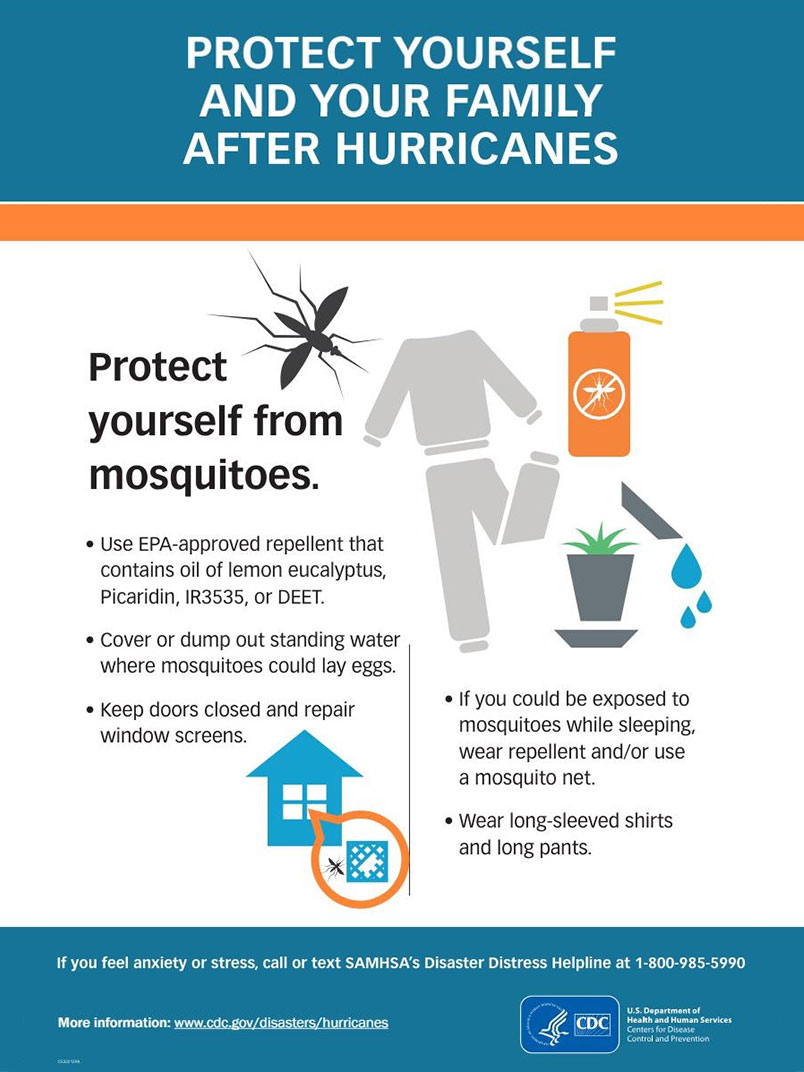
Protect yourself from mosquitoes after a natural disaster.
Following these important steps can keep your family safe from CO poisoning.
Learn how to safely use a generator to protect from CO poisoning.
Learn how to protect from CO poisoning while operating a furnace.
Prevent carbon monoxide poisoning. Never use a generator indoors, in garages, or carports.
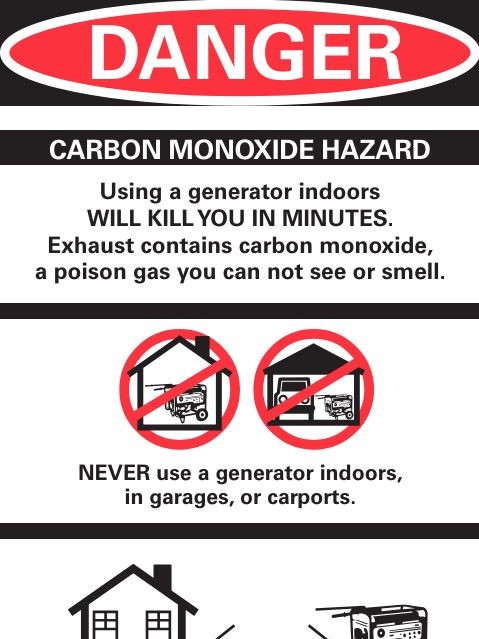
Using a generator indoors will kill you. Exhaust contains a poison gas you cannot see or smell.
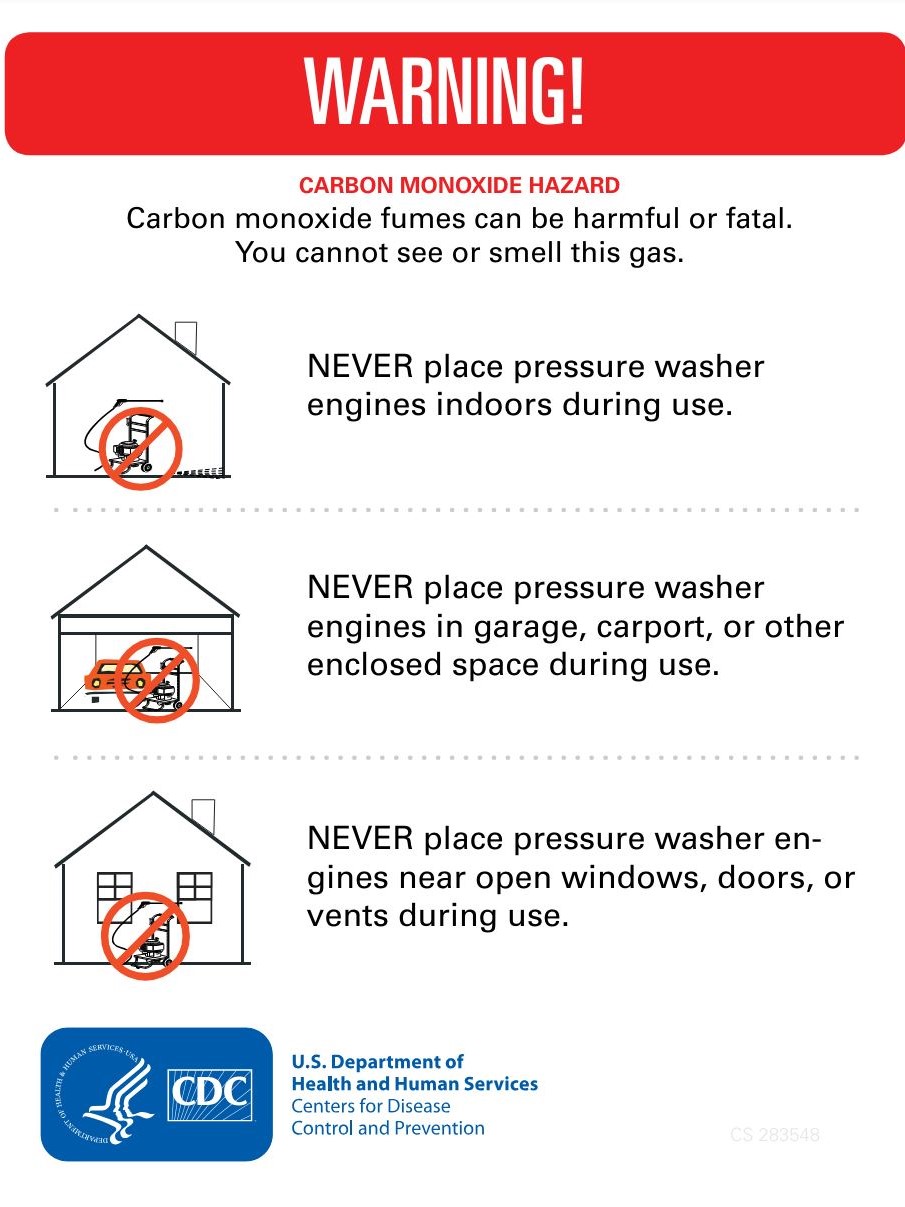
Carbon monoxide fumes can be harmful or fatal. You cannot see or smell this gas.
Carbon monoxide fumes can be harmful or fatal. You cannot see or smell this gas.
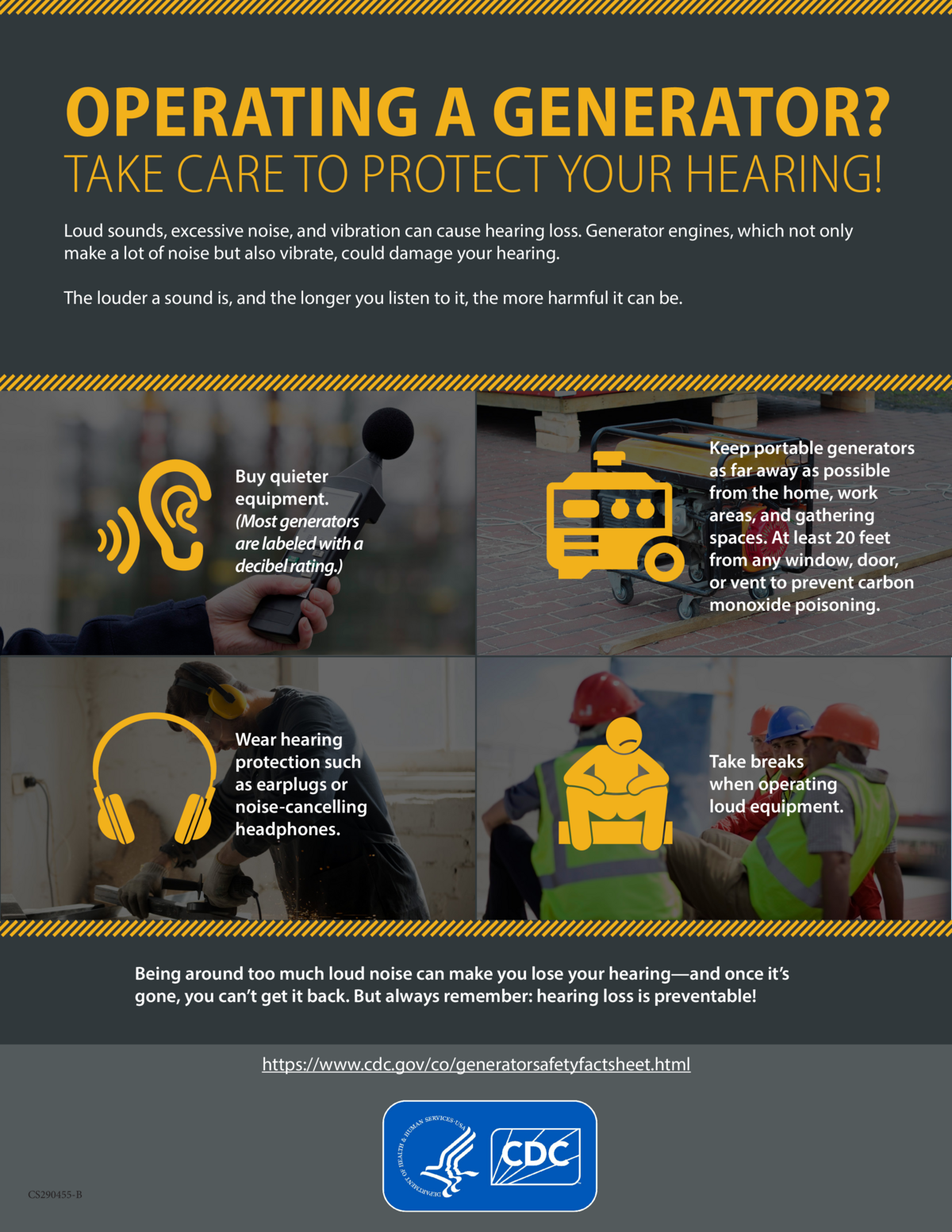
Generator engines can damage your hearing.
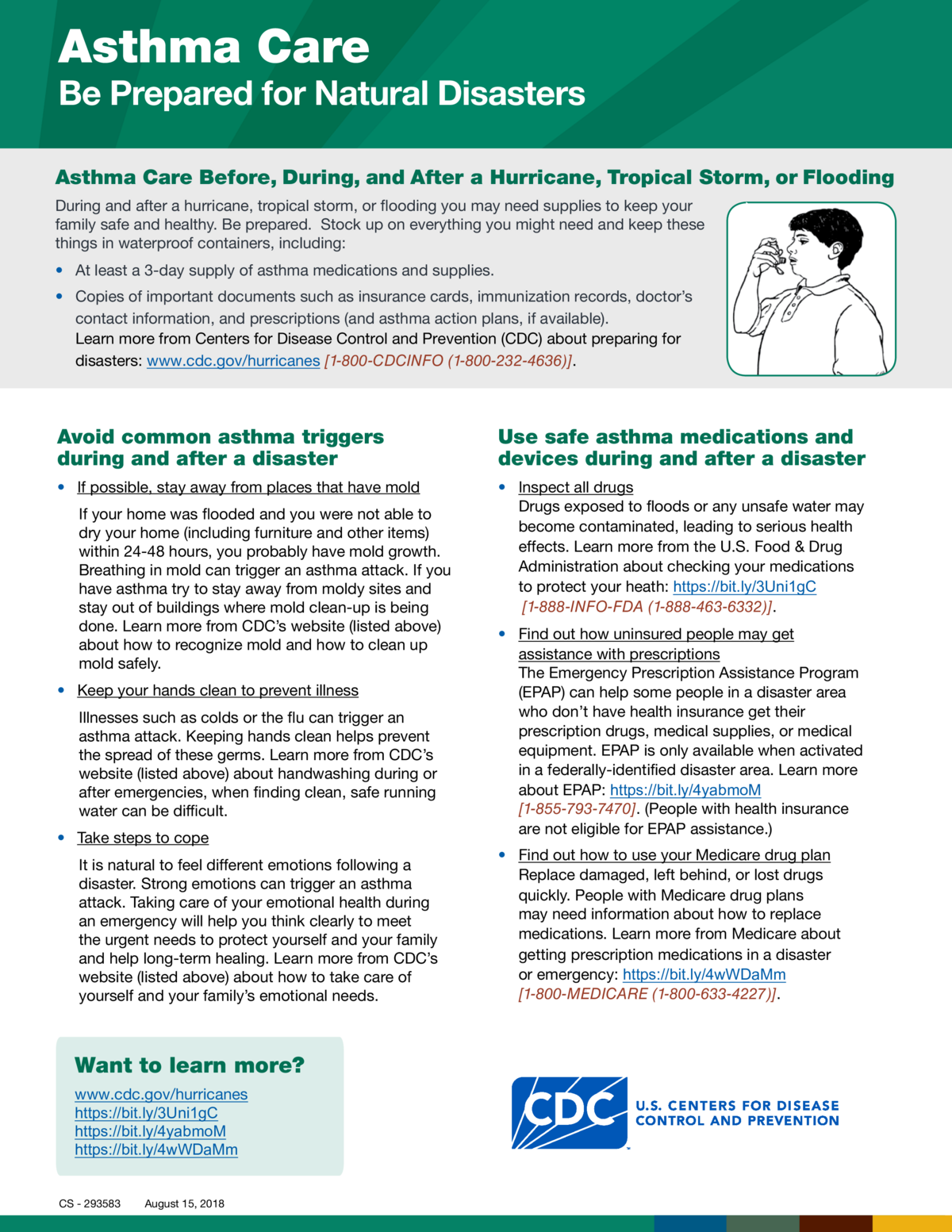
During and after a natural disaster, you may need supplies to keep your family safe and healthy.
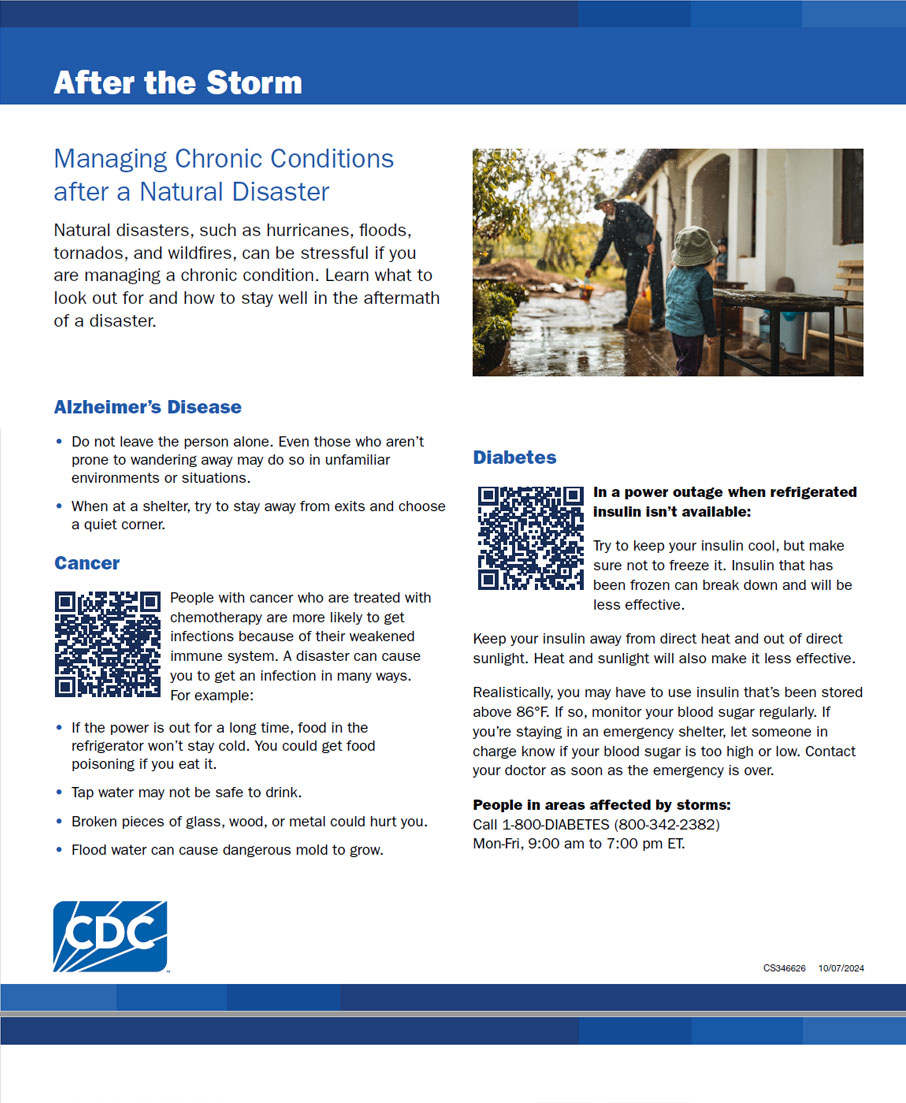
Learn how to stay well in the aftermath of a disaster.
Guidance from CDC, EPA, FEMA, HUD, and NIH on safe mold clean-up after a natural disaster
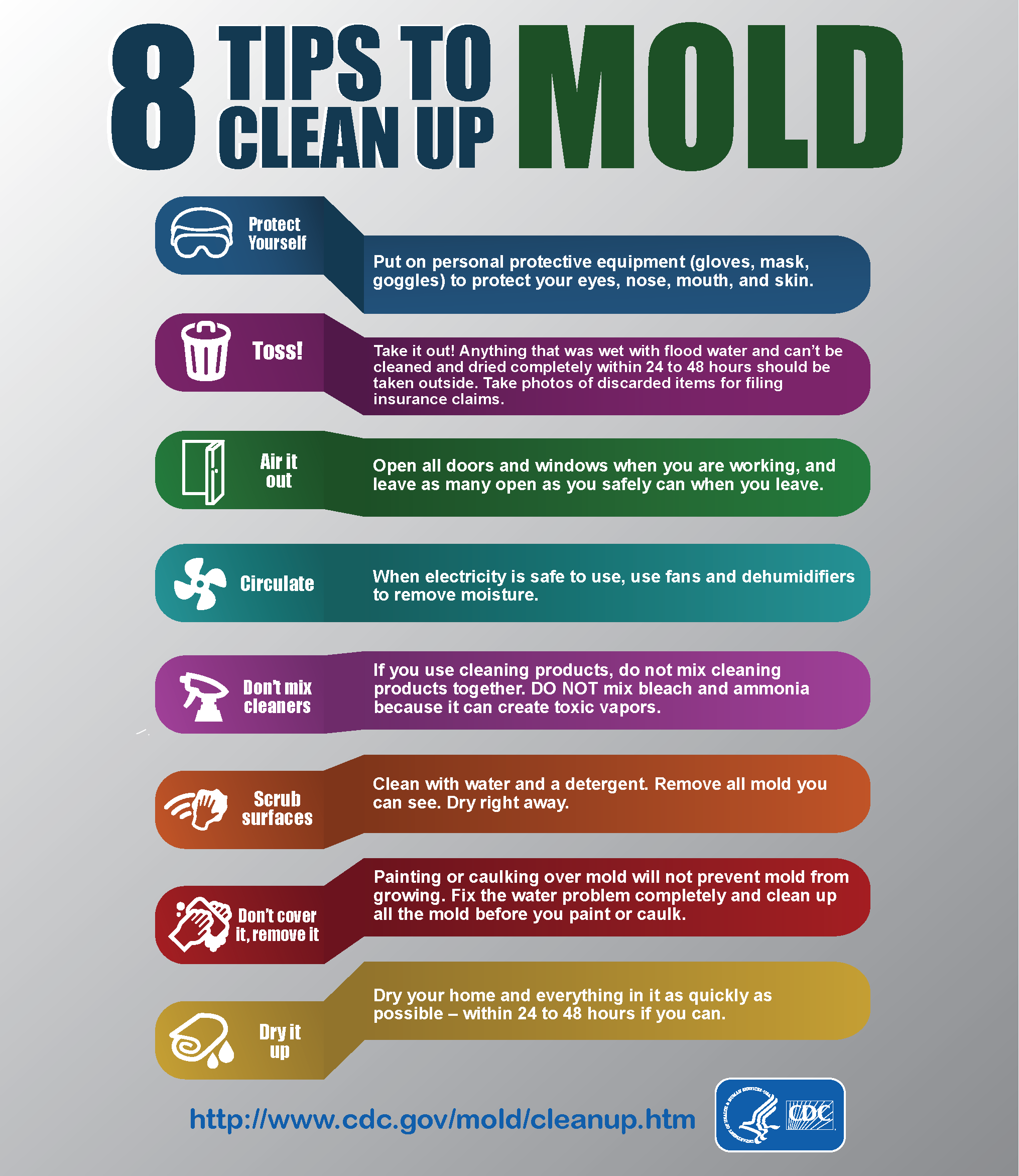
An infographic with quick tips for cleaning mold.
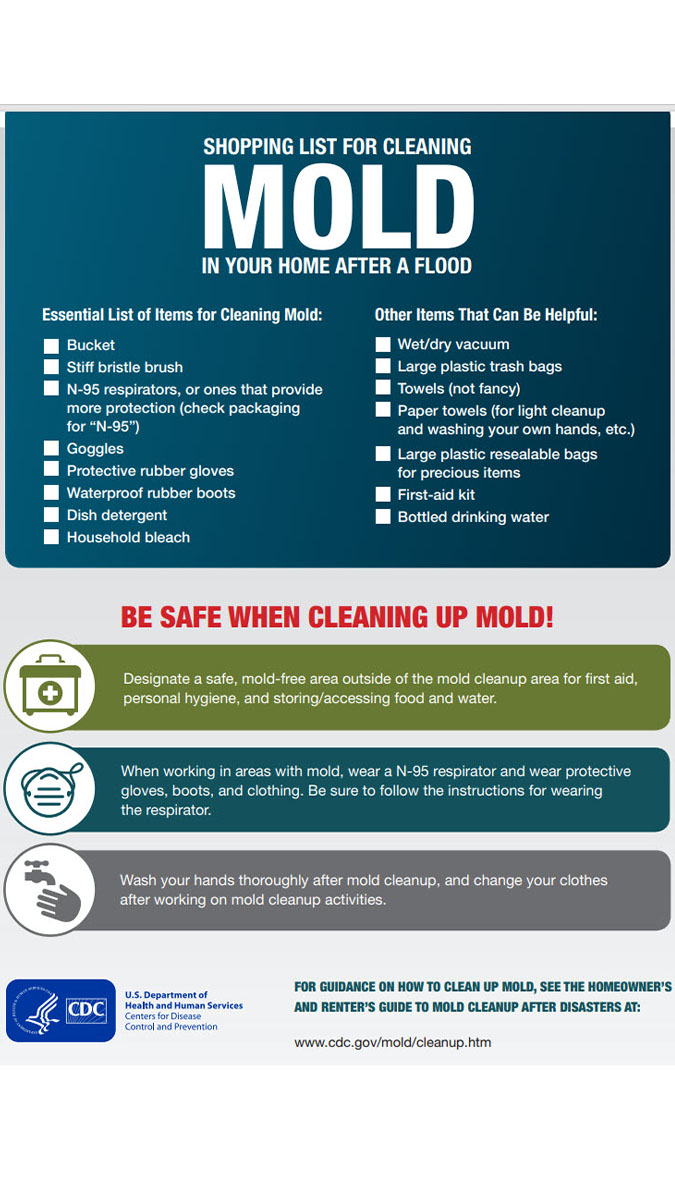
A checklist for items needed for cleaning mold from your home
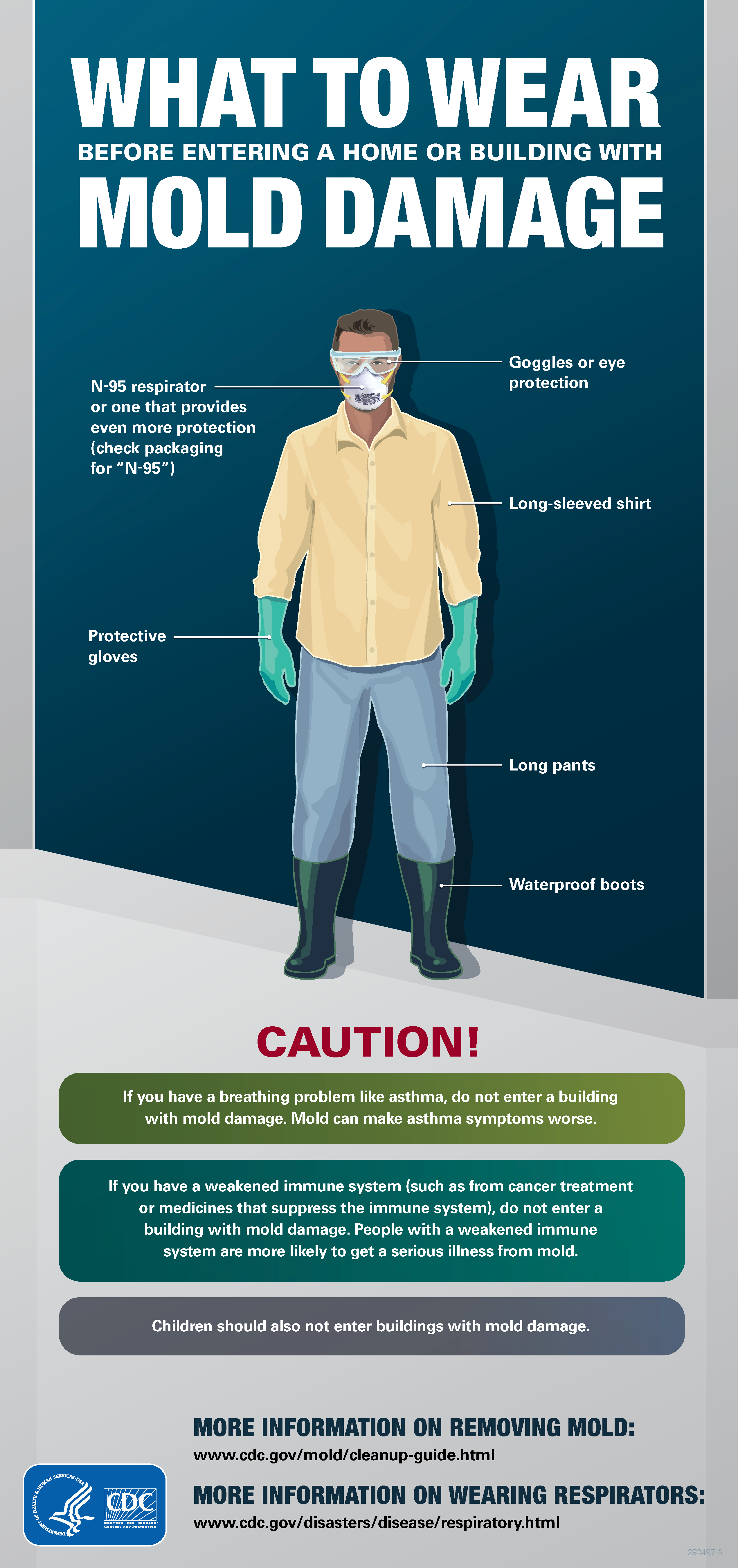
Take steps to protect your mouth, nose, skin, and eyes when cleaning up mold.
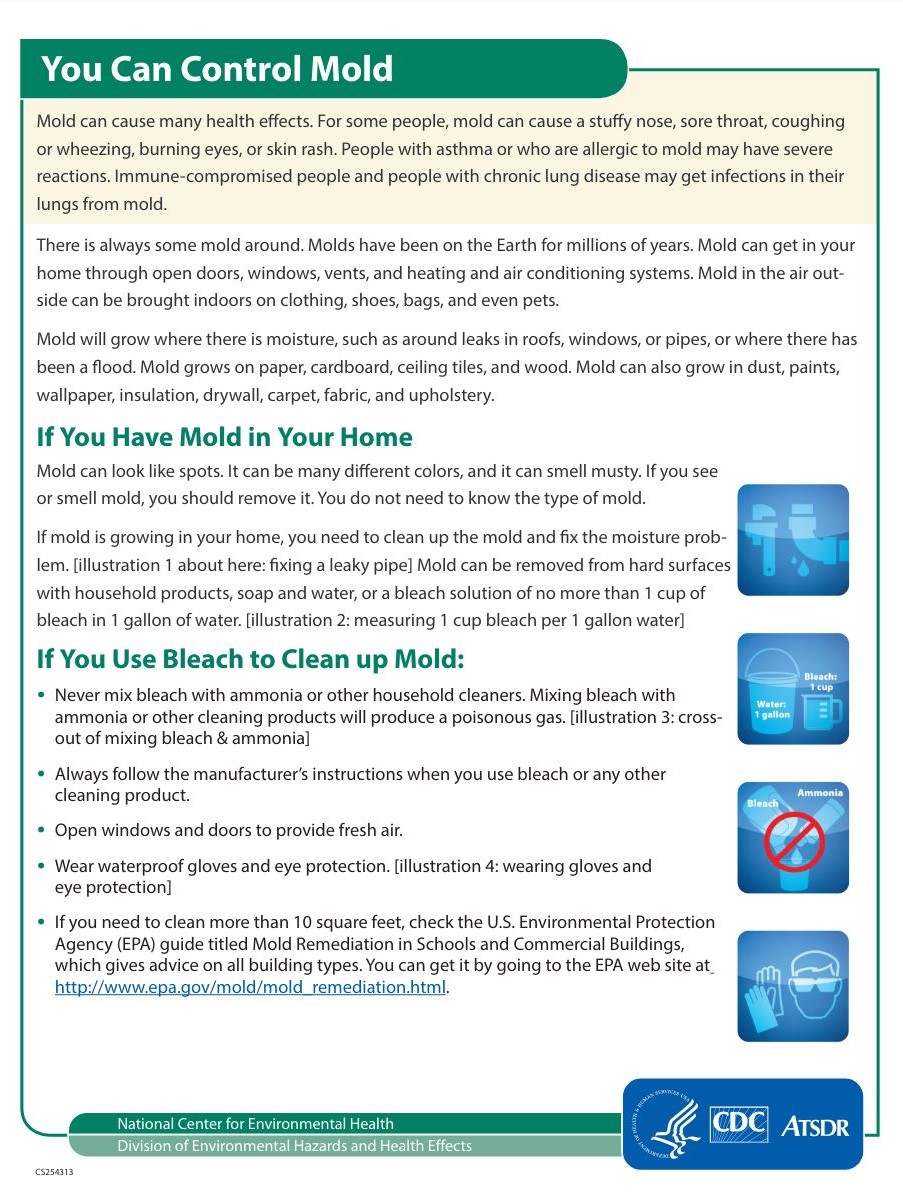
Mold can cause many health effects.
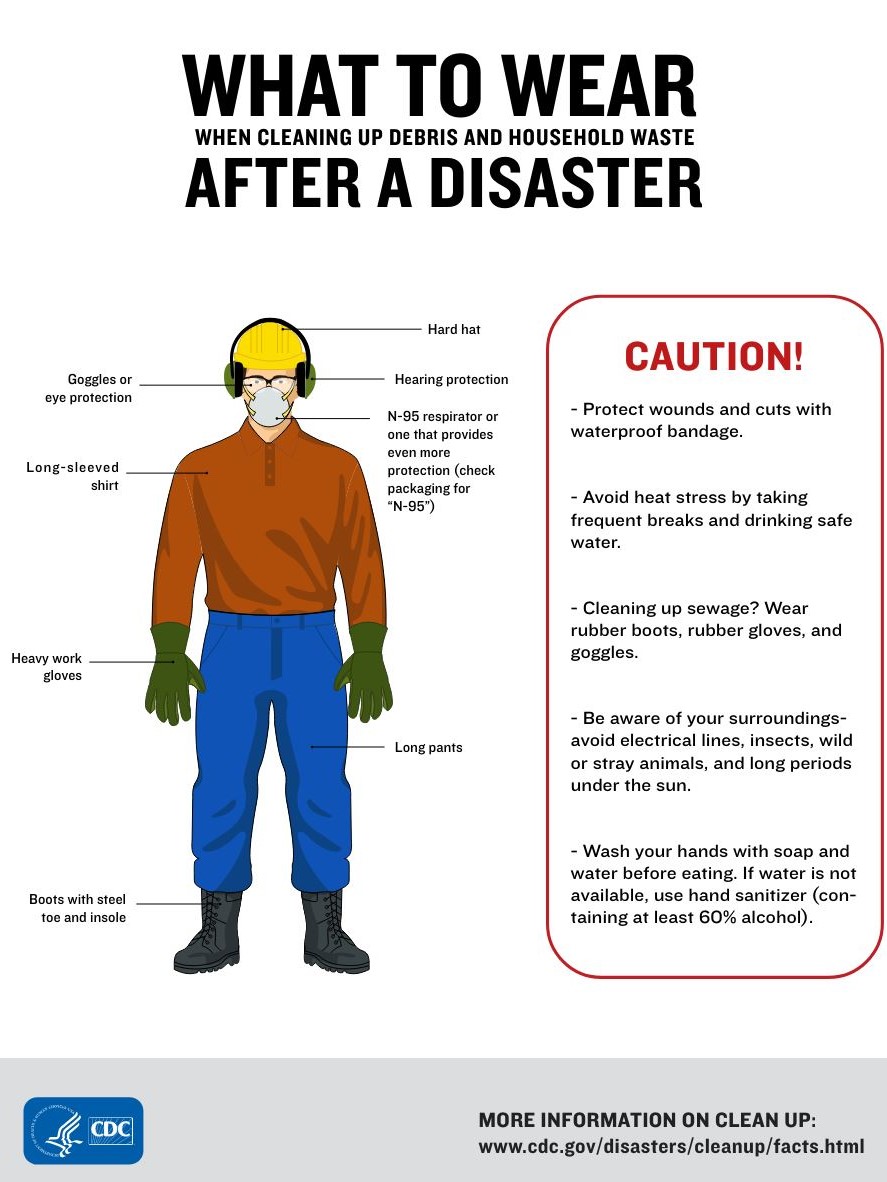
Infographic showing what to wear when cleaning up debris and household waste after a disaster.
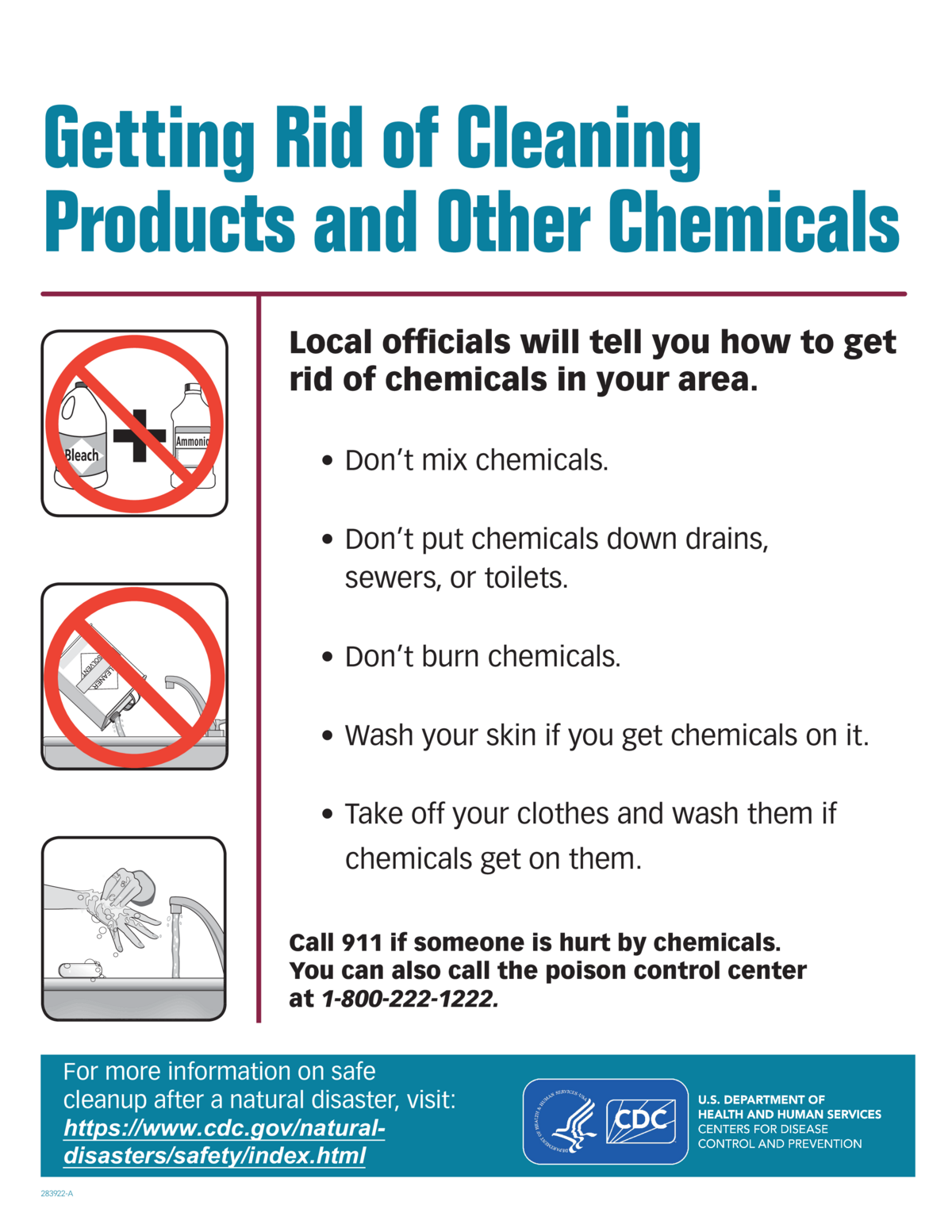
Local officials will tell you how to get rid of chemicals in your area.
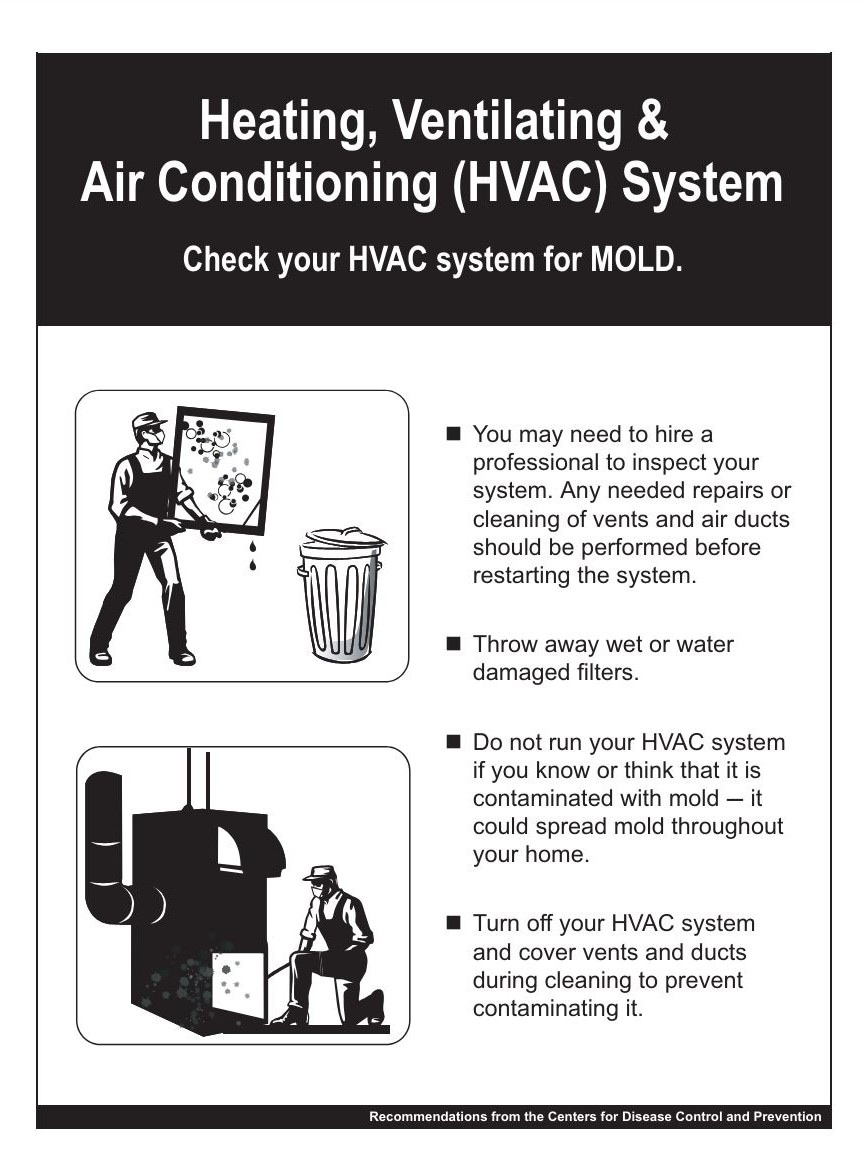
Check your HVAC system for mold.
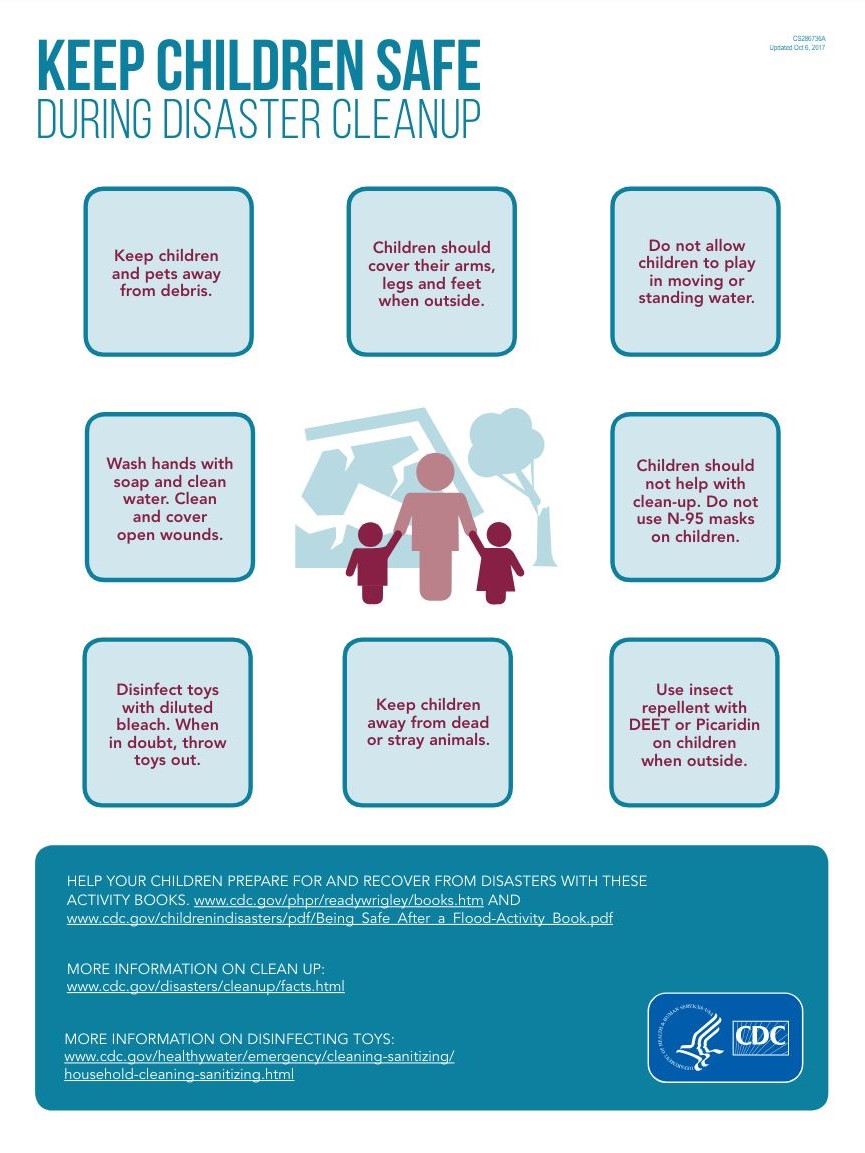
Infographic showing how to keep children safe during disaster cleanup.
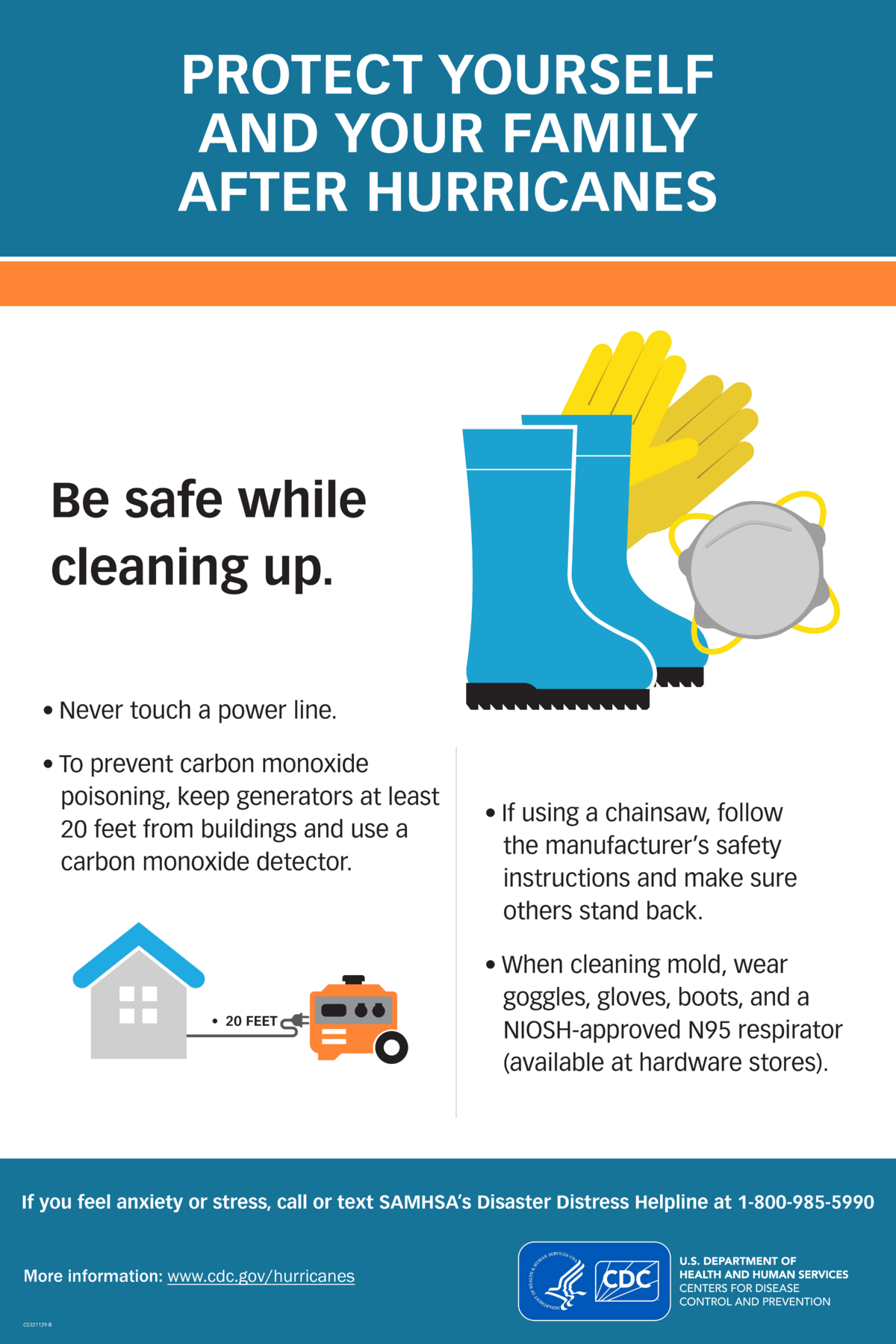
Protect yourself and your family after hurricanes. Be safe while cleaning up.
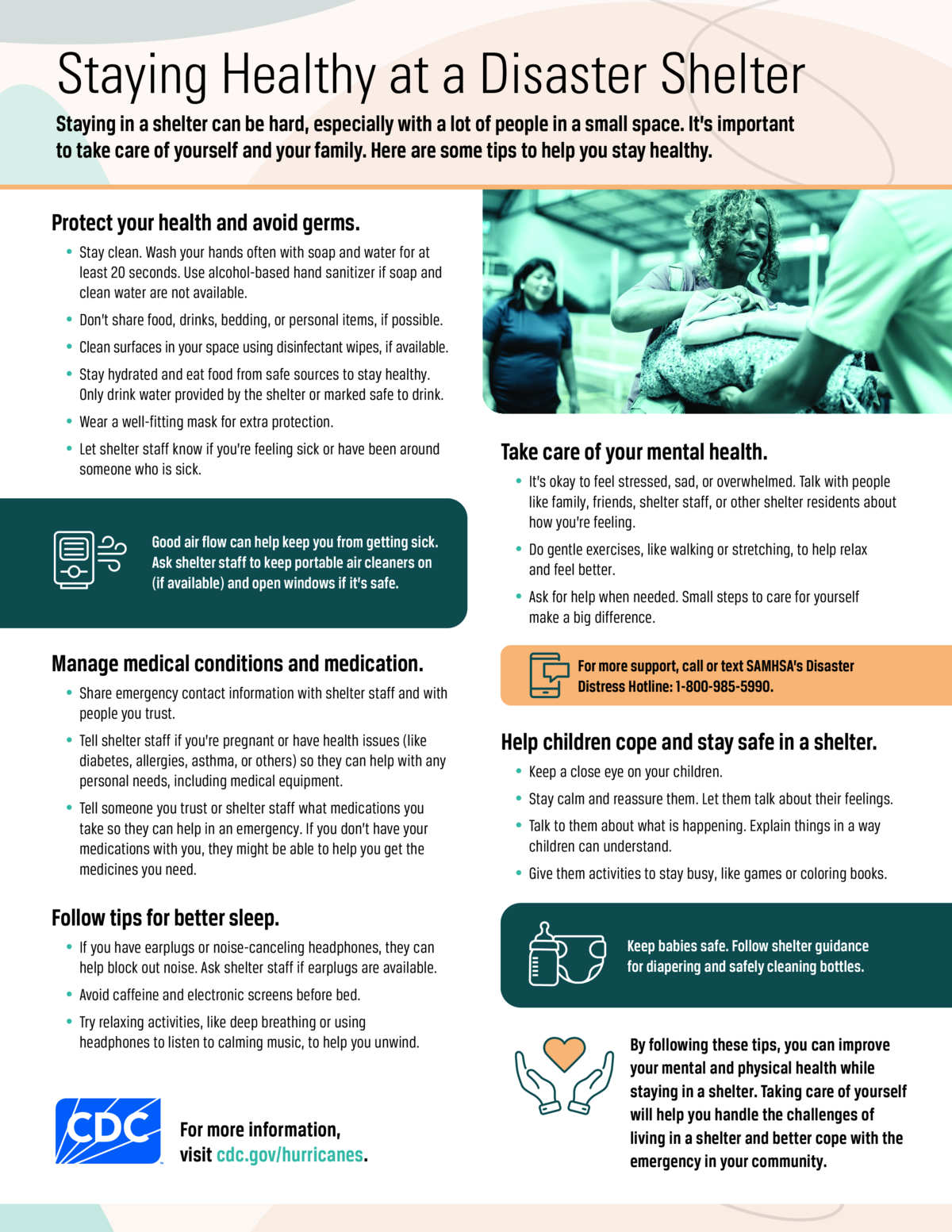
Learn how to stay healthy at a disaster shelter.
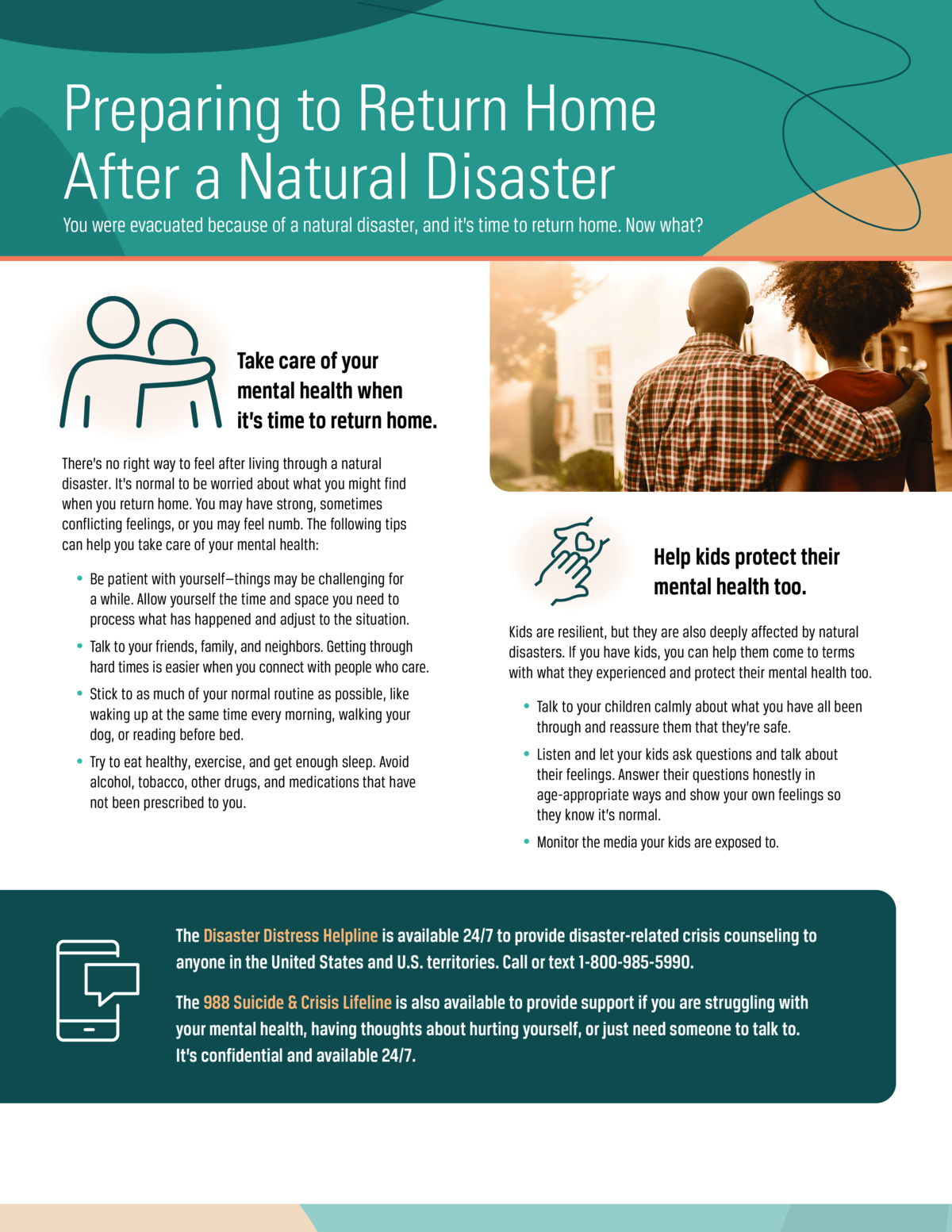
Be prepared to return home after a disaster evacuation.
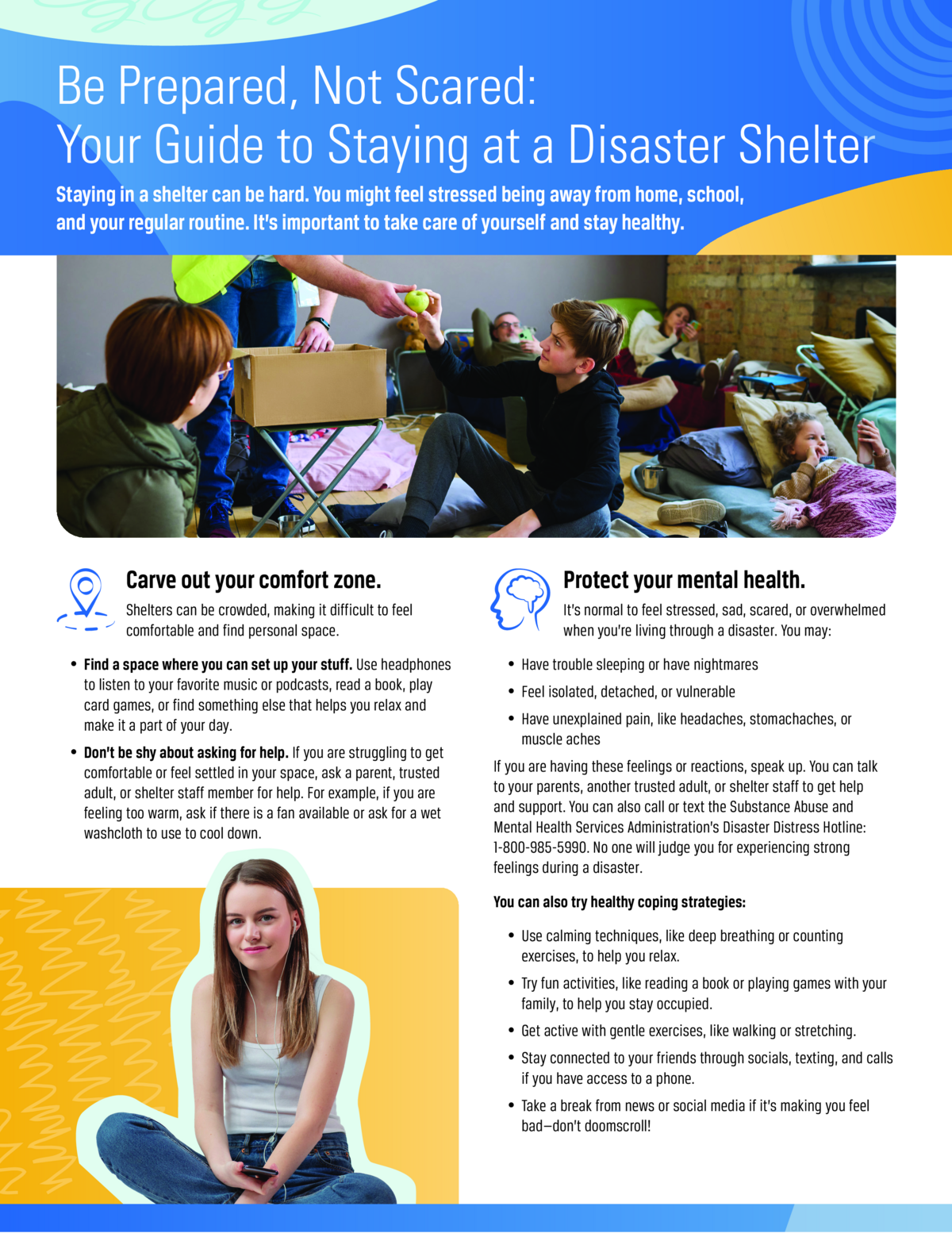
Take care of yourself and stay healthy while staying at a disaster shelter.
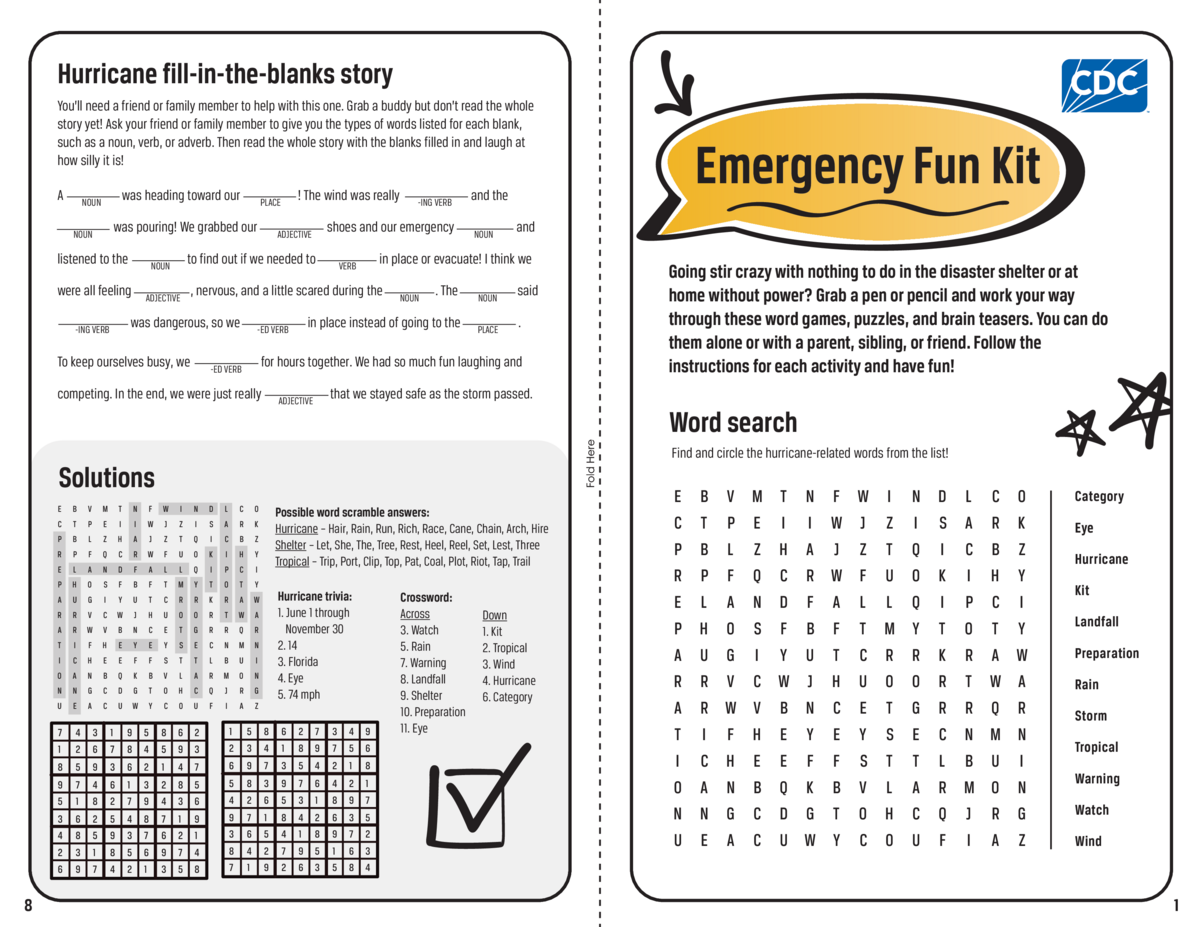
Stay busy with fun activities to do at a shelter or during a power outage.
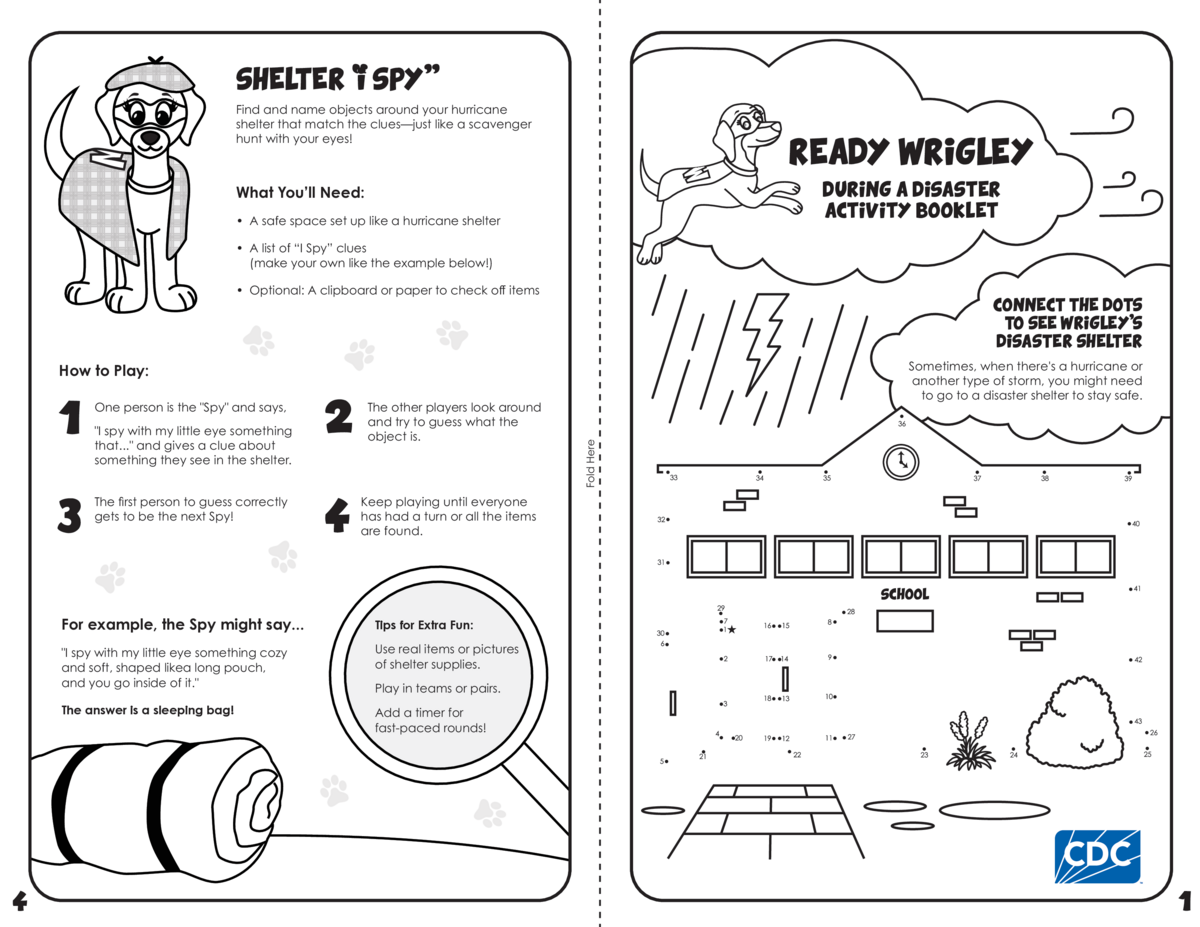
Join Wrigley with fun activities to do during a hurricane or other disaster.
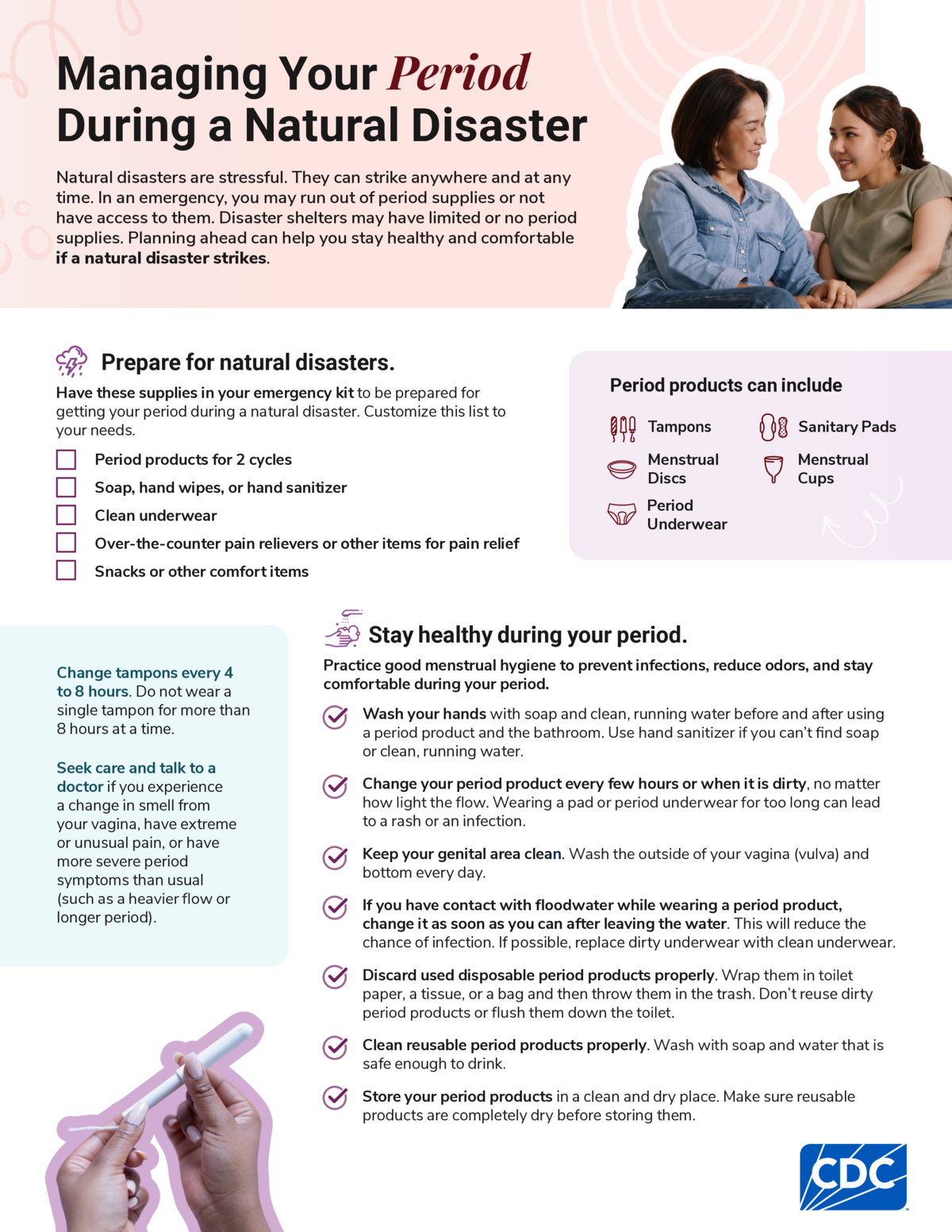
Planning ahead can help you stay healthy during your period if a natural disaster strikes.
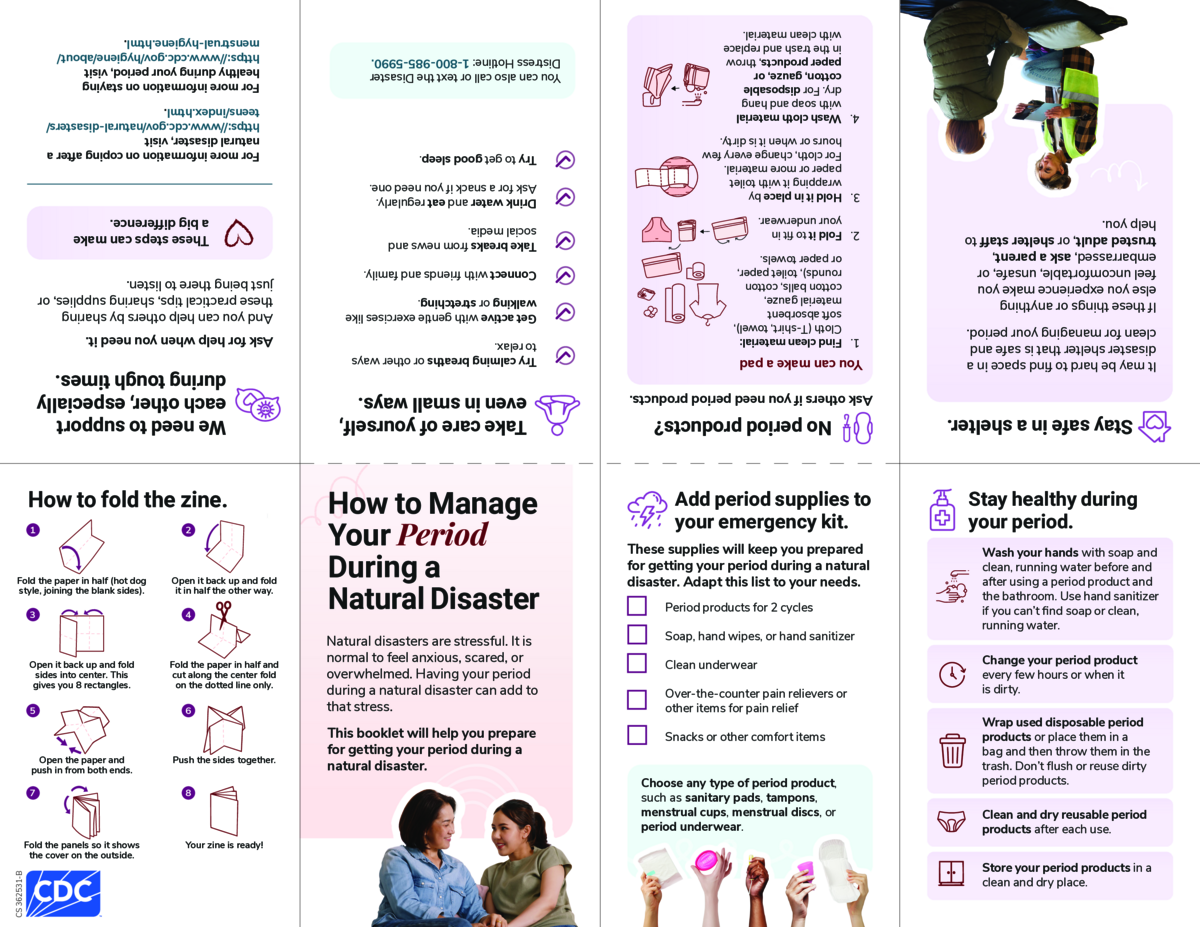
This booklet will help you prepare for getting your period during a natural disaster.
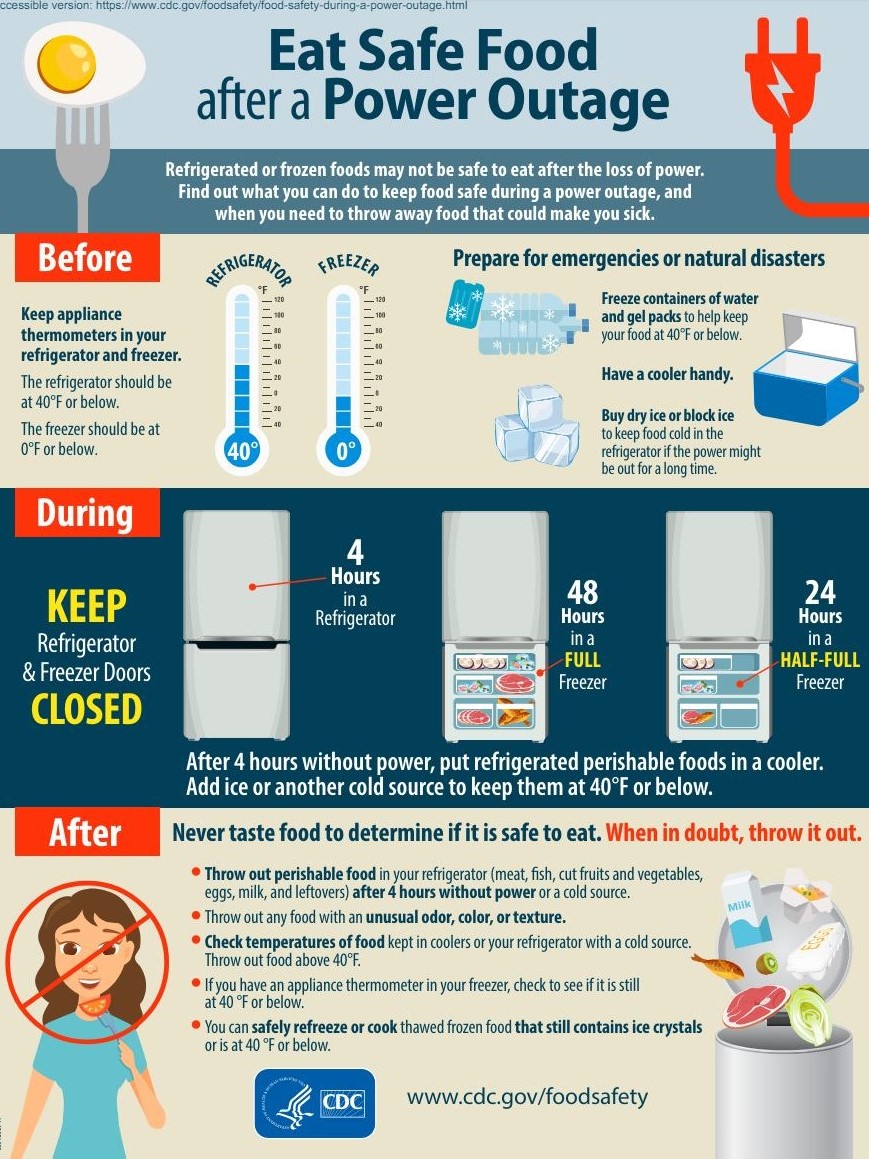
Refrigerated or frozen foods may not be safe to eat after the loss of power.
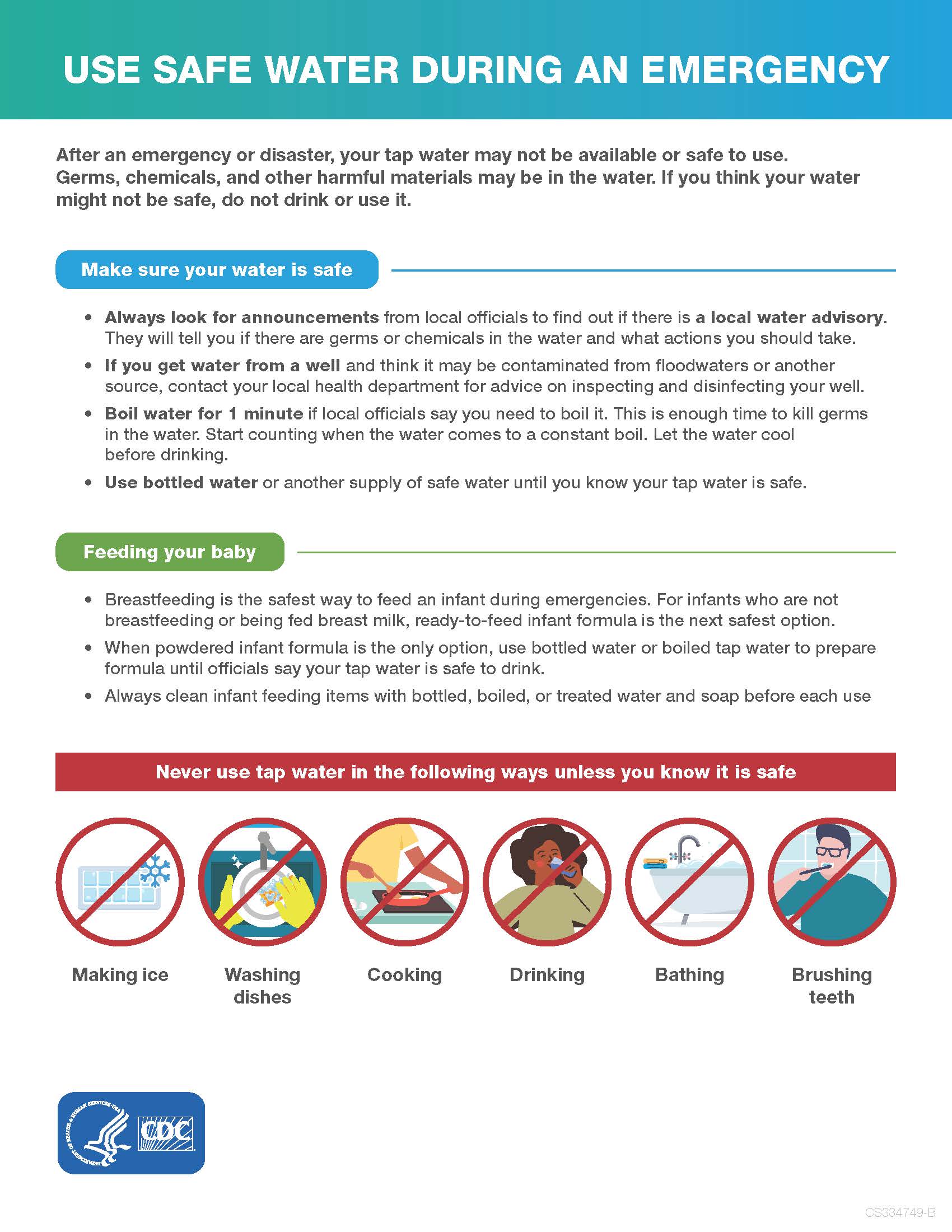
Use Safe Water During an Emergency Fact Sheet
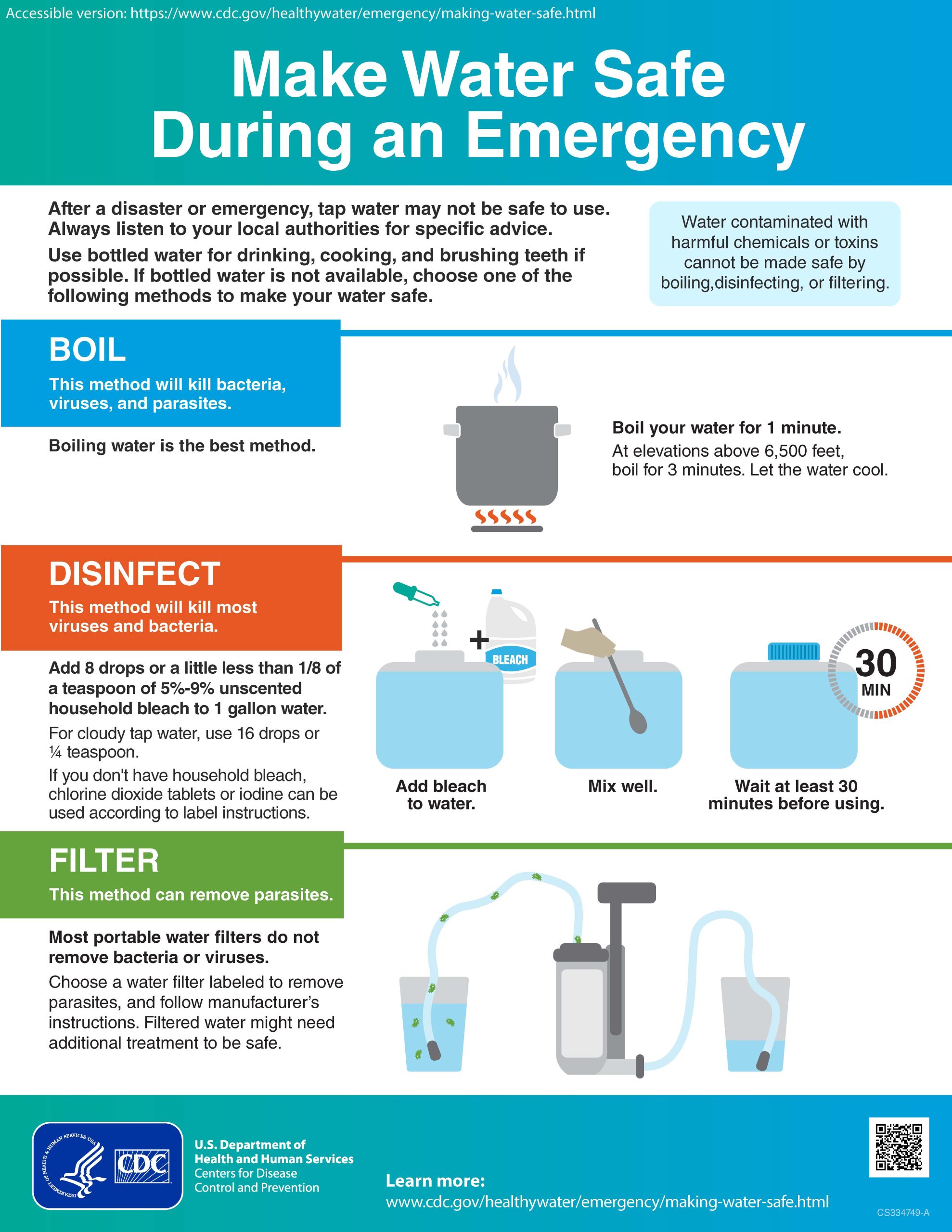
Available in English, Spanish, and Vietnamese.
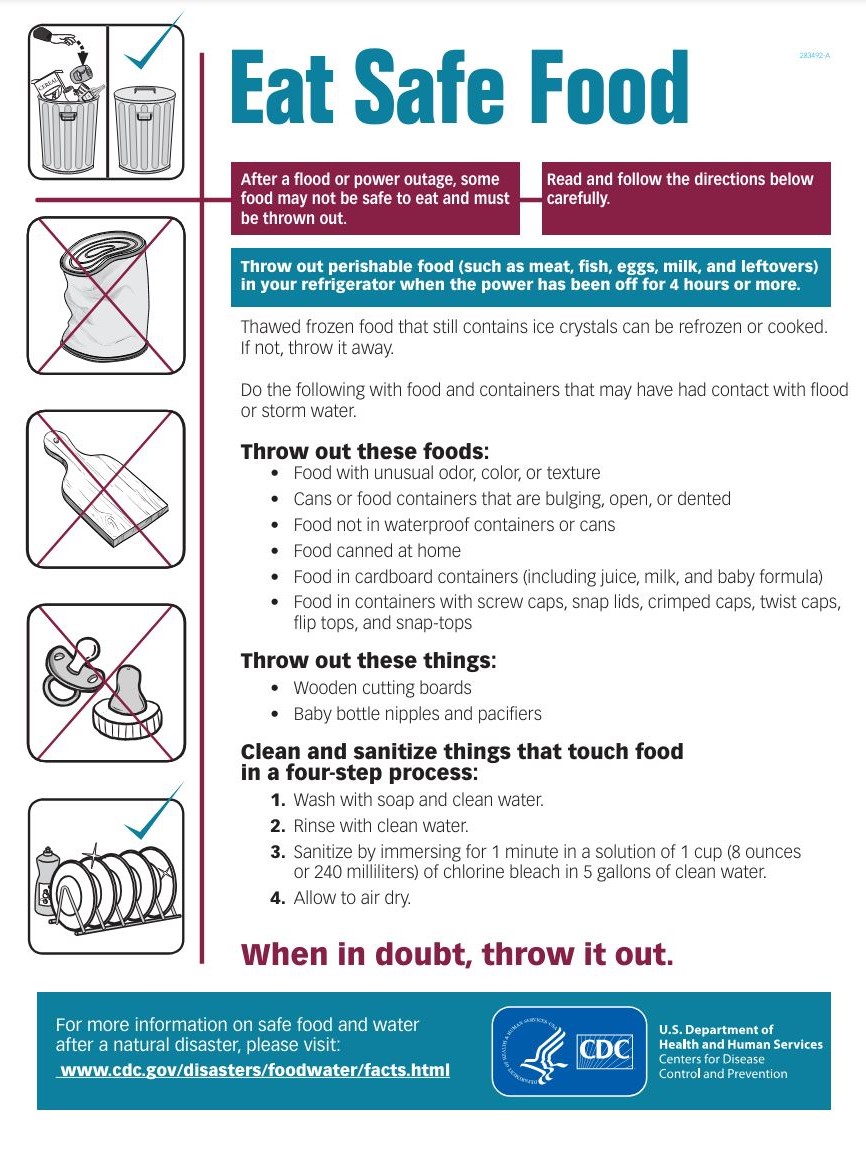
After a flood or power outage, some food may not be safe to eat and must be thrown out.
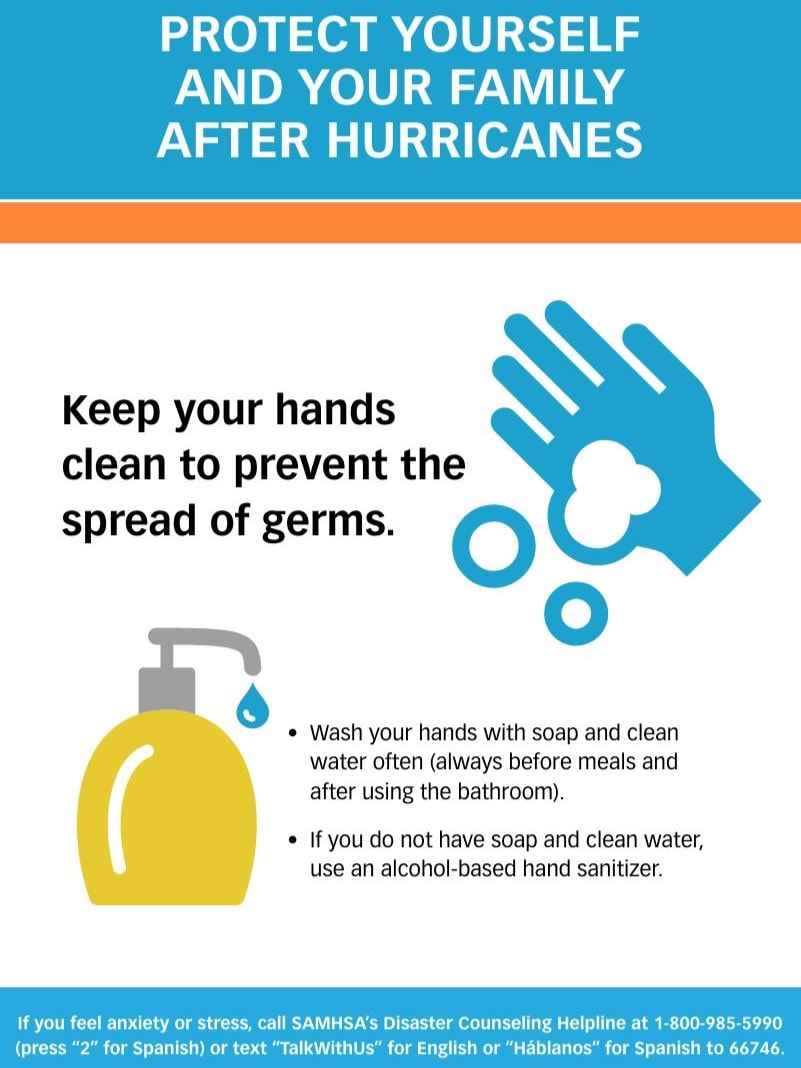
Keep your hands clean to prevent the spread of germs.
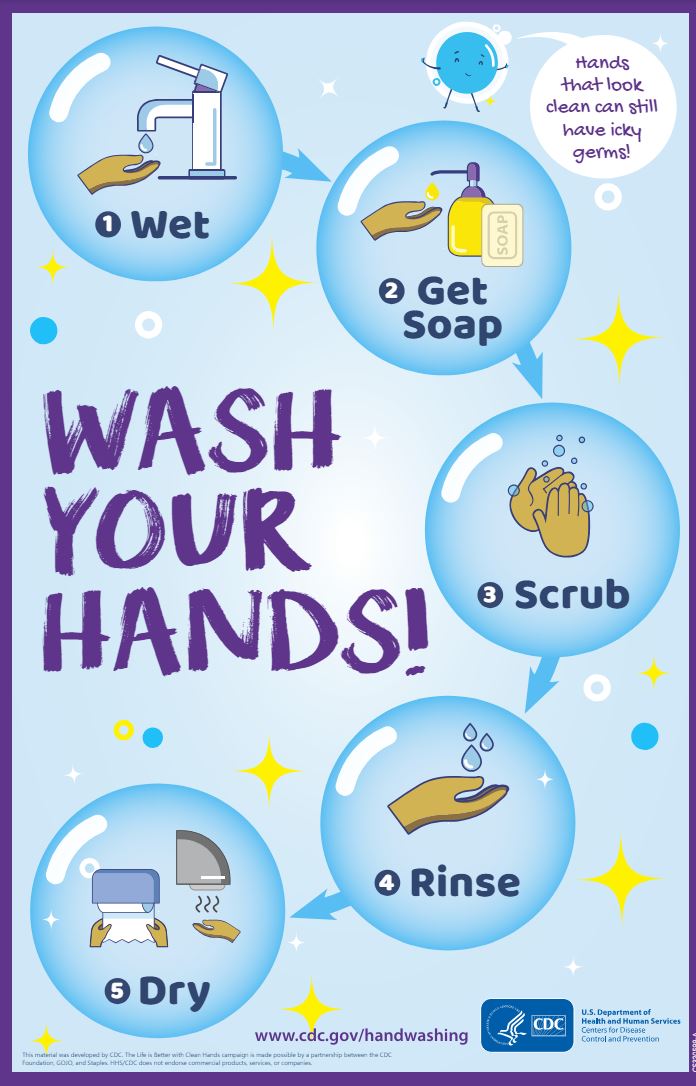
Hands that look clean can still have icky germs. Wash your hands.

During an emergency, keeping hands clean can help keep you and others healthy.
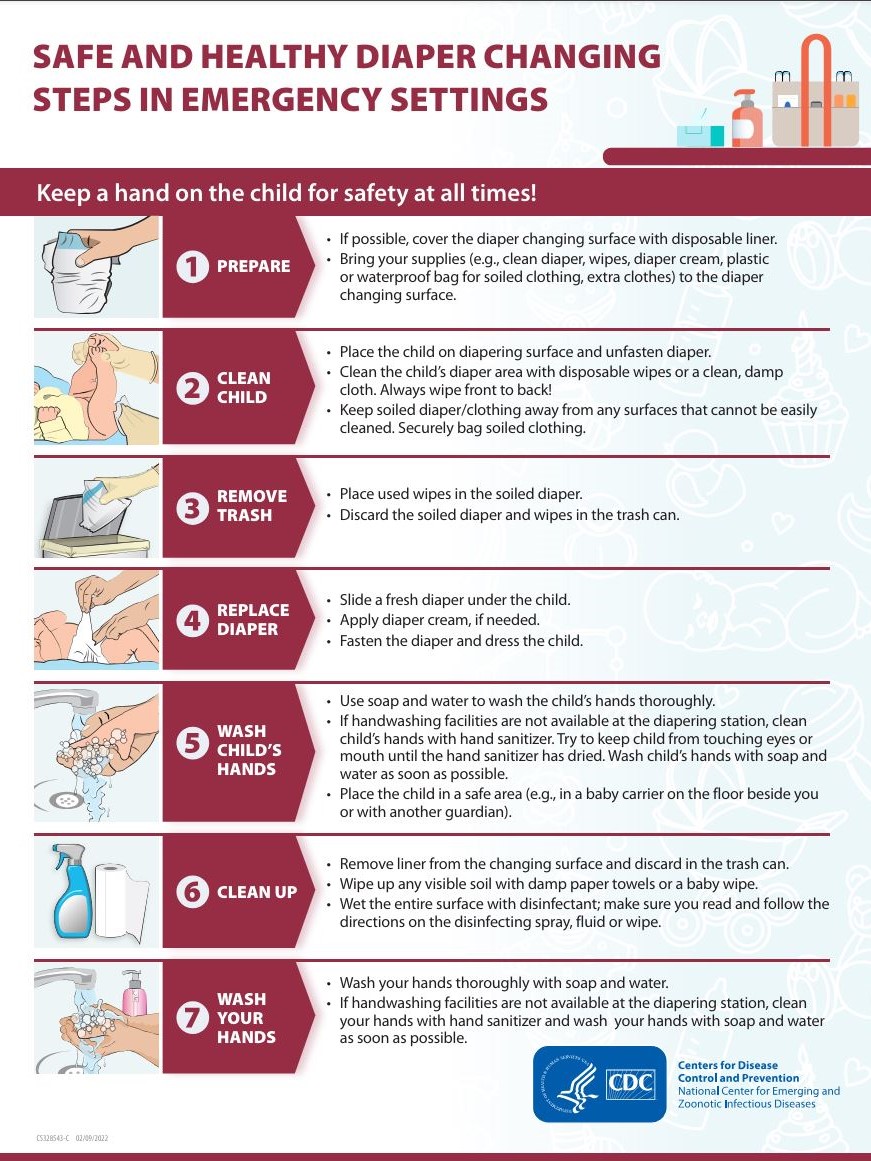
This flyer lists the 7 steps of safe and healthy diaper changing in emergency settings.
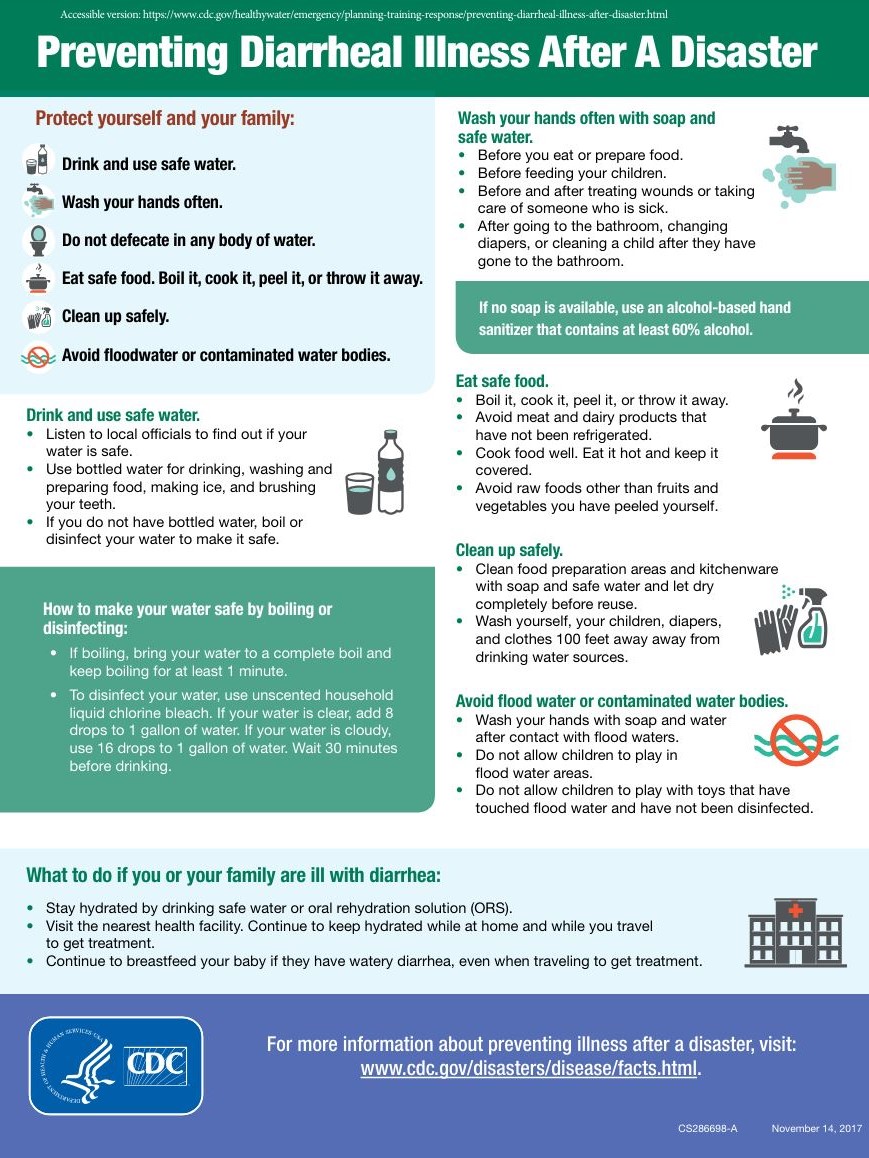
Factsheet providing information for preventing diarrheal illness after a disaster.
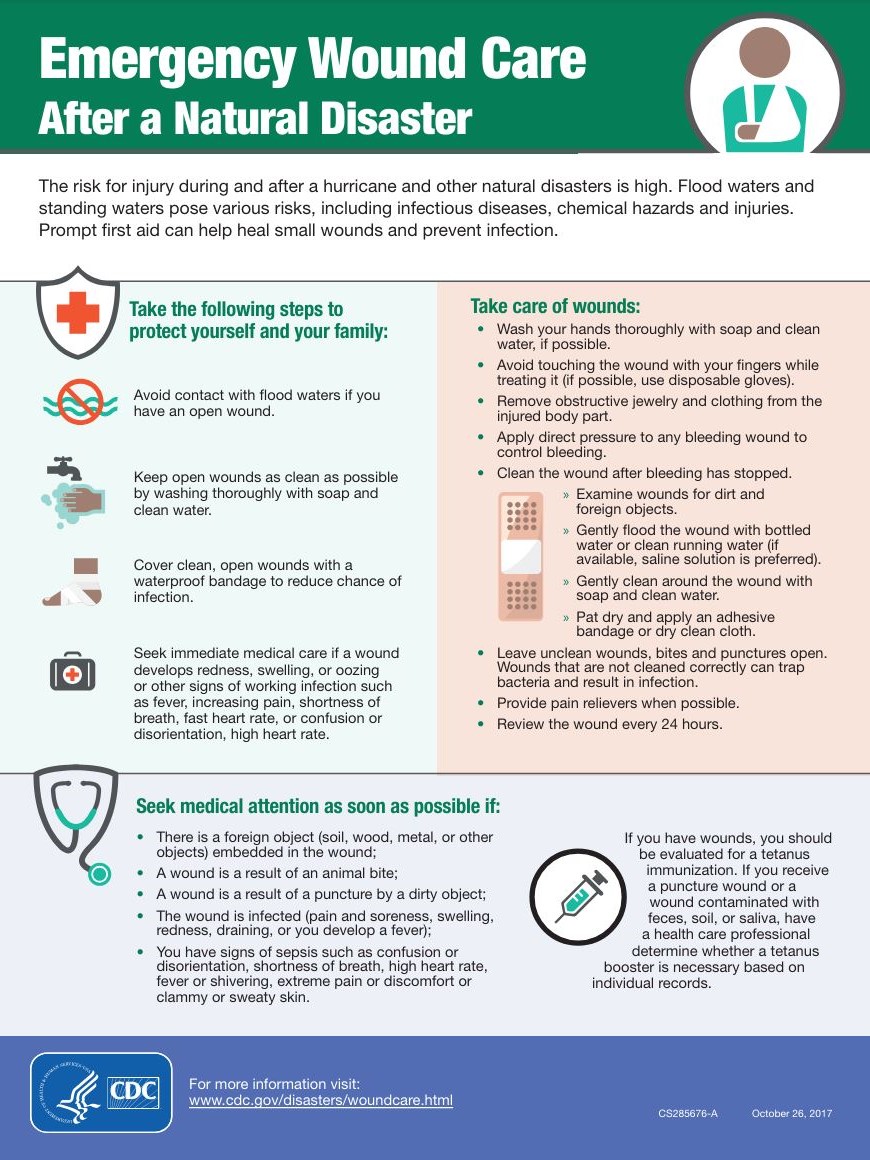
The risk for injury during and after a hurricane and other natural disasters is high.
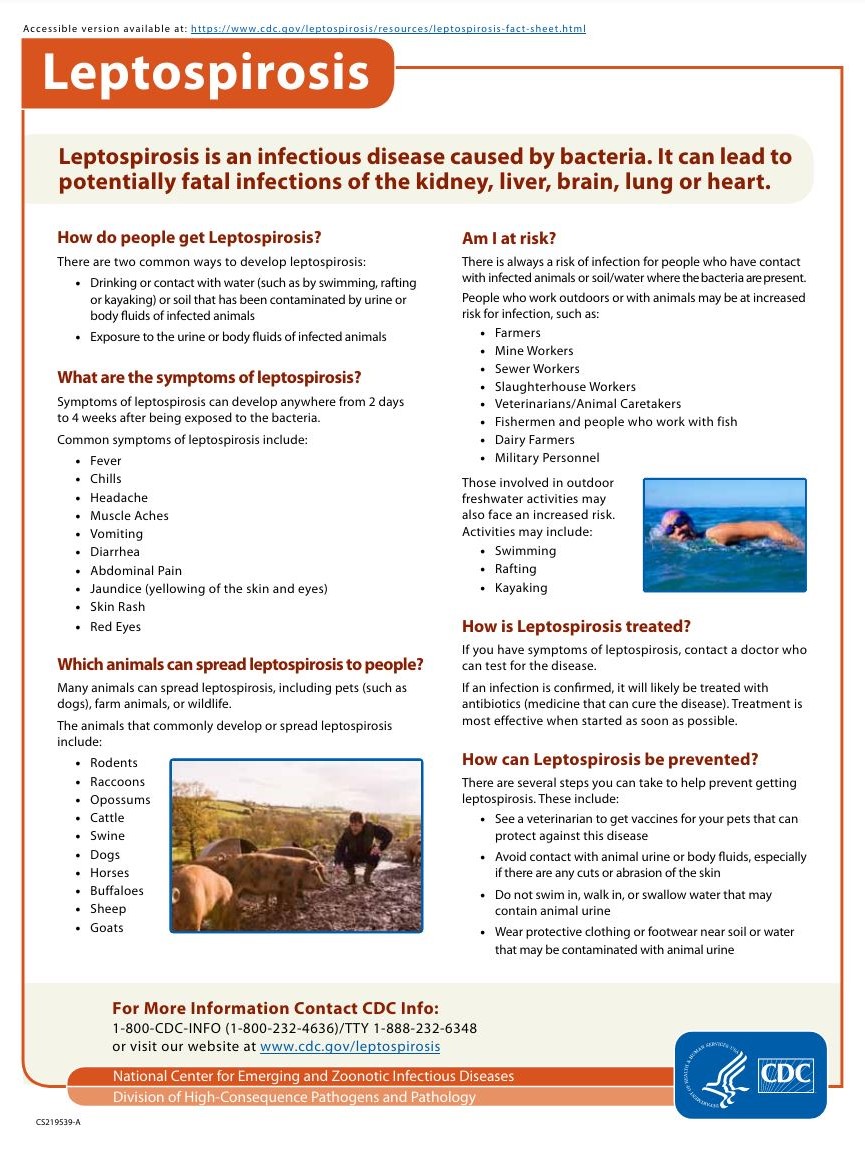
Leptospirosis is an infectious disease caused by bacteria.
Planning ahead can help you stay healthy during your period if a natural disaster strikes.
This booklet will help you prepare for getting your period during a natural disaster.
Stay cool after a flood or hurricane.
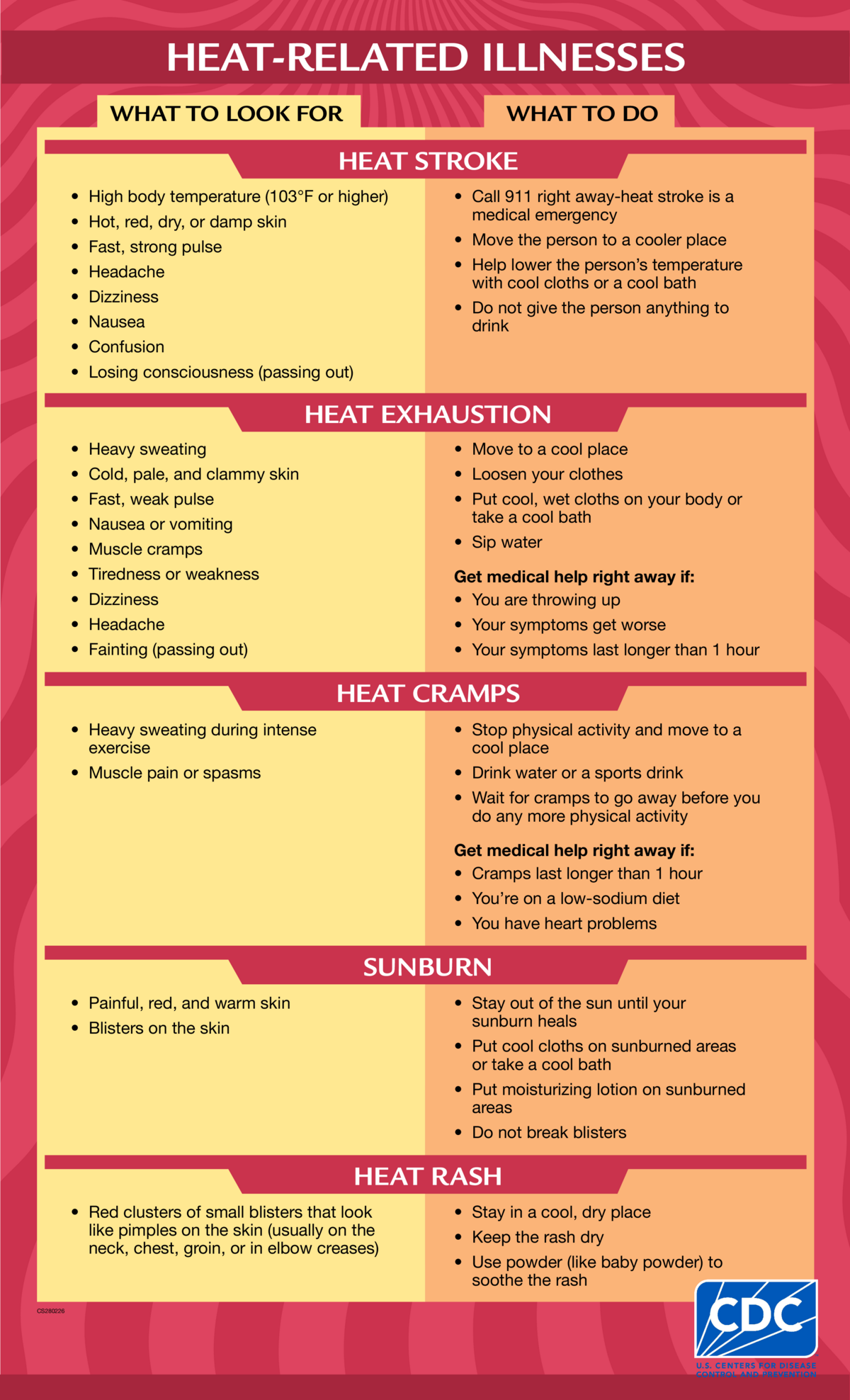
Information about what to look for and what to do for heat-related illness.
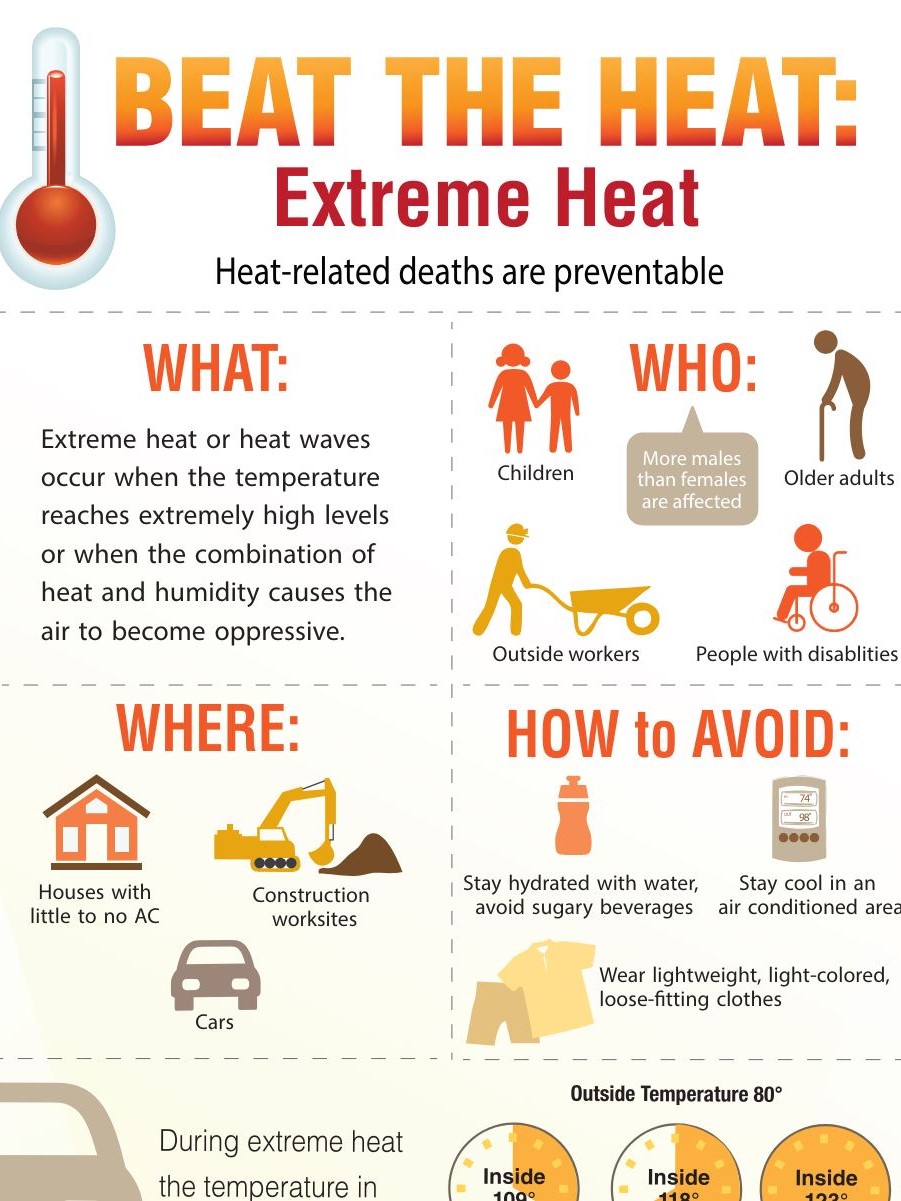
Beat the heat. Heat-related deaths are preventable.
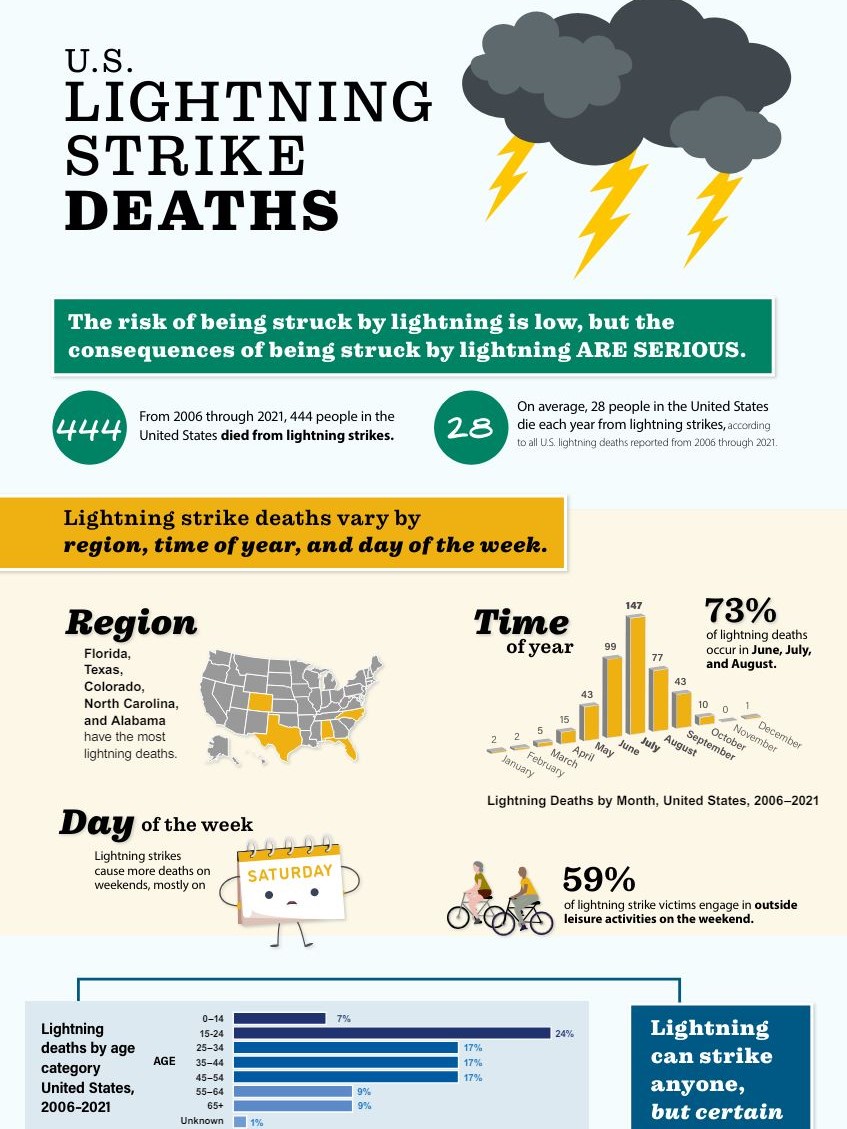
The risk of being struck by lightning is low, but the consequences of being struck by lightning are...
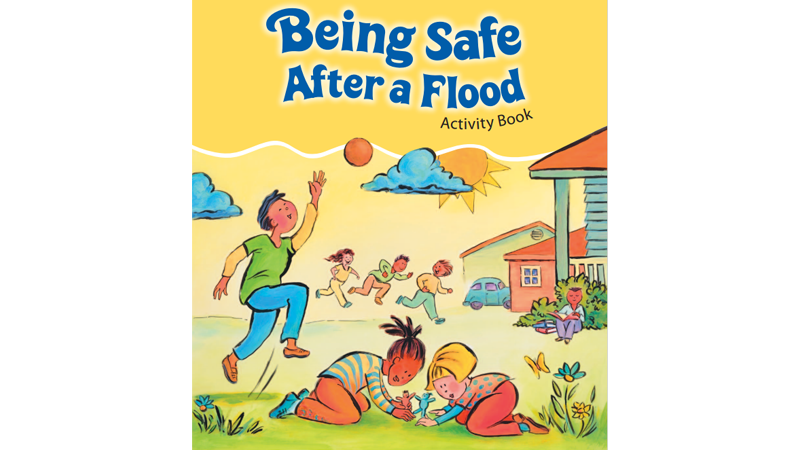
Flood activity book for children aged 3–7 years.
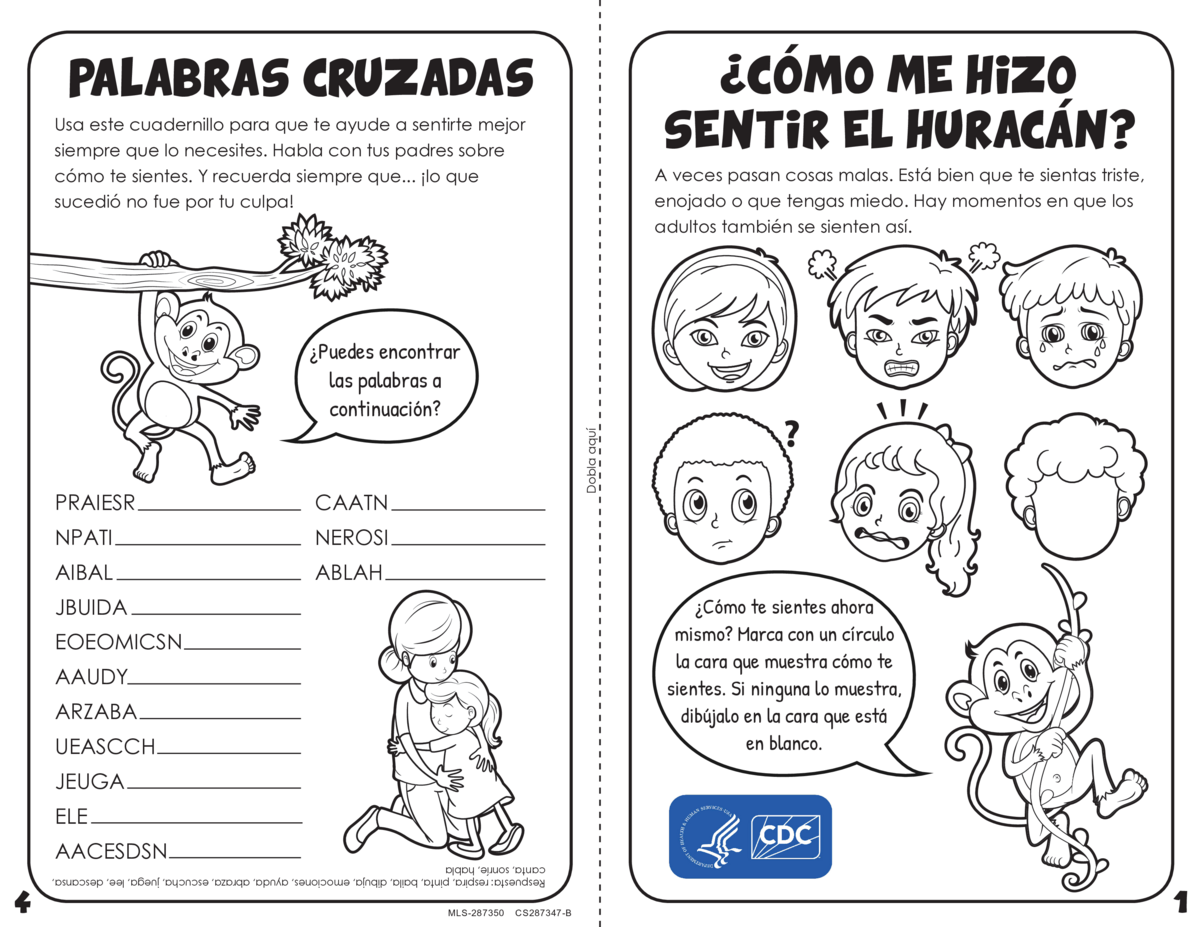
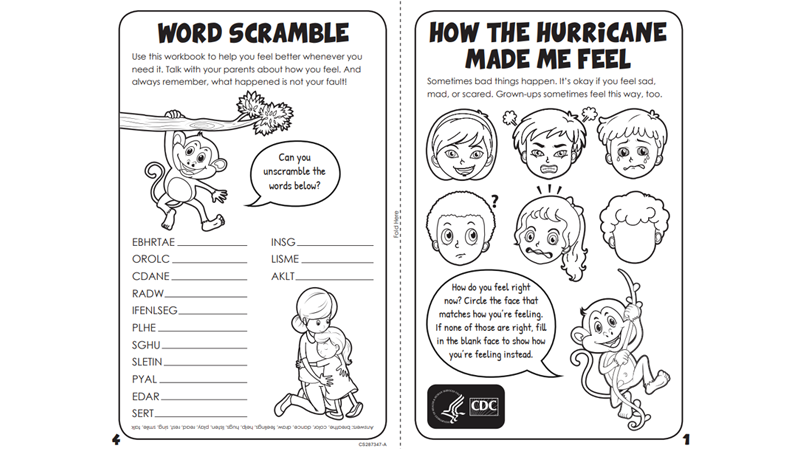
Coping activity sheet for children dealing with the aftermath of a hurricane.

Flooding and mold activity book for children.
Coping activity book for children facing the aftermath of a natural disaster.
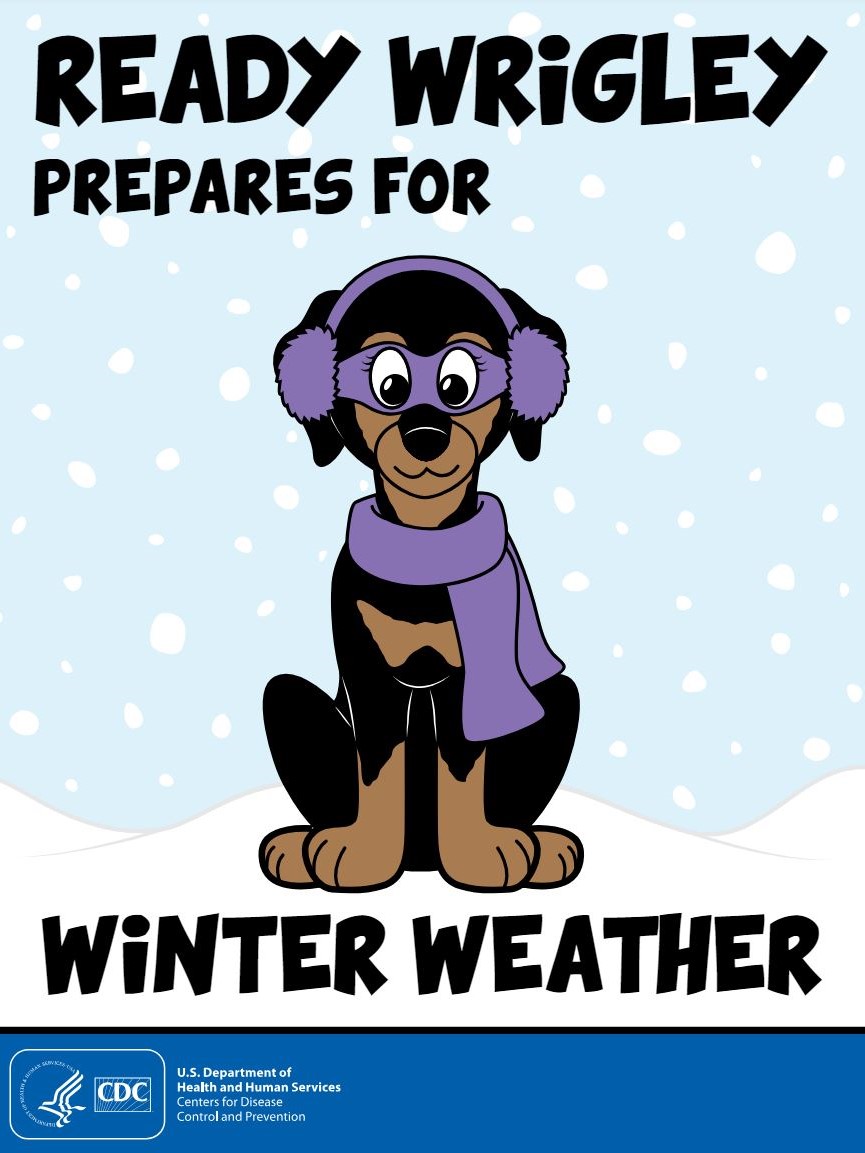
Winter weather activity book for children.
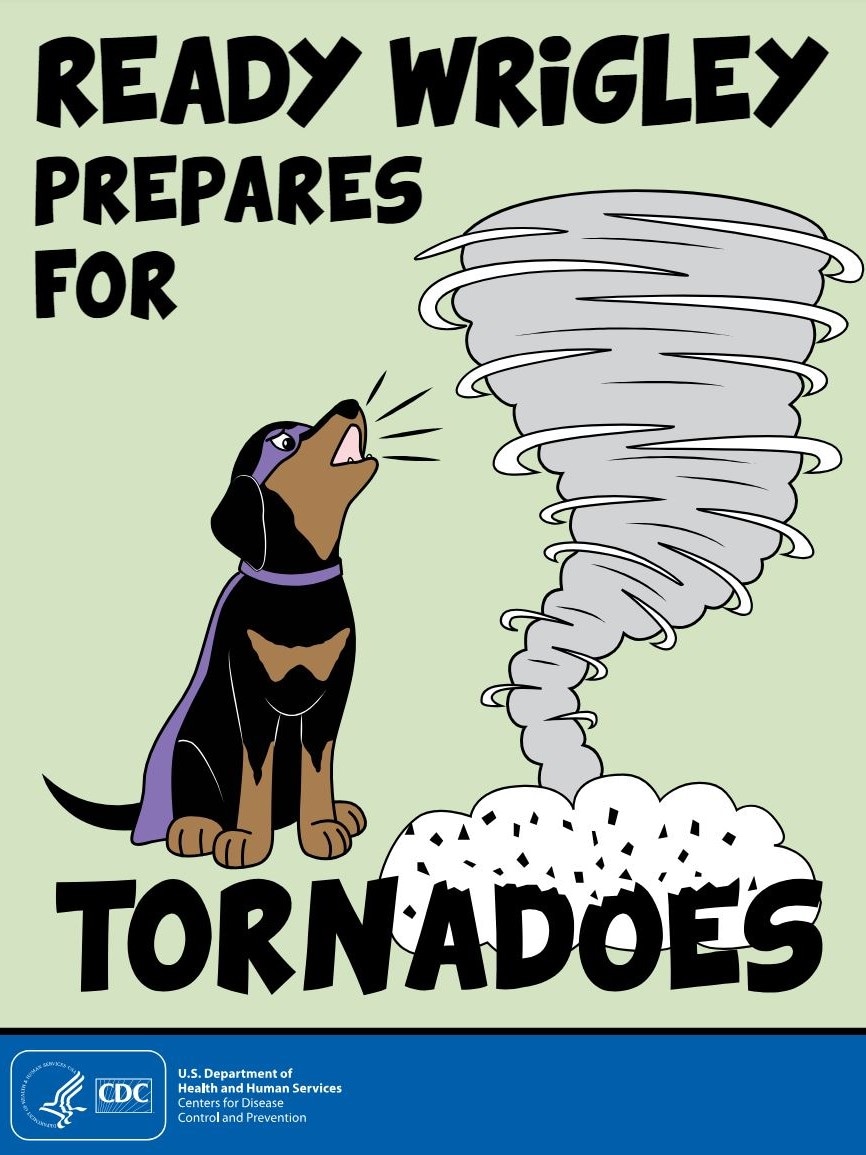
Tornado safety activity book for children.
Extreme heat activity book for children.
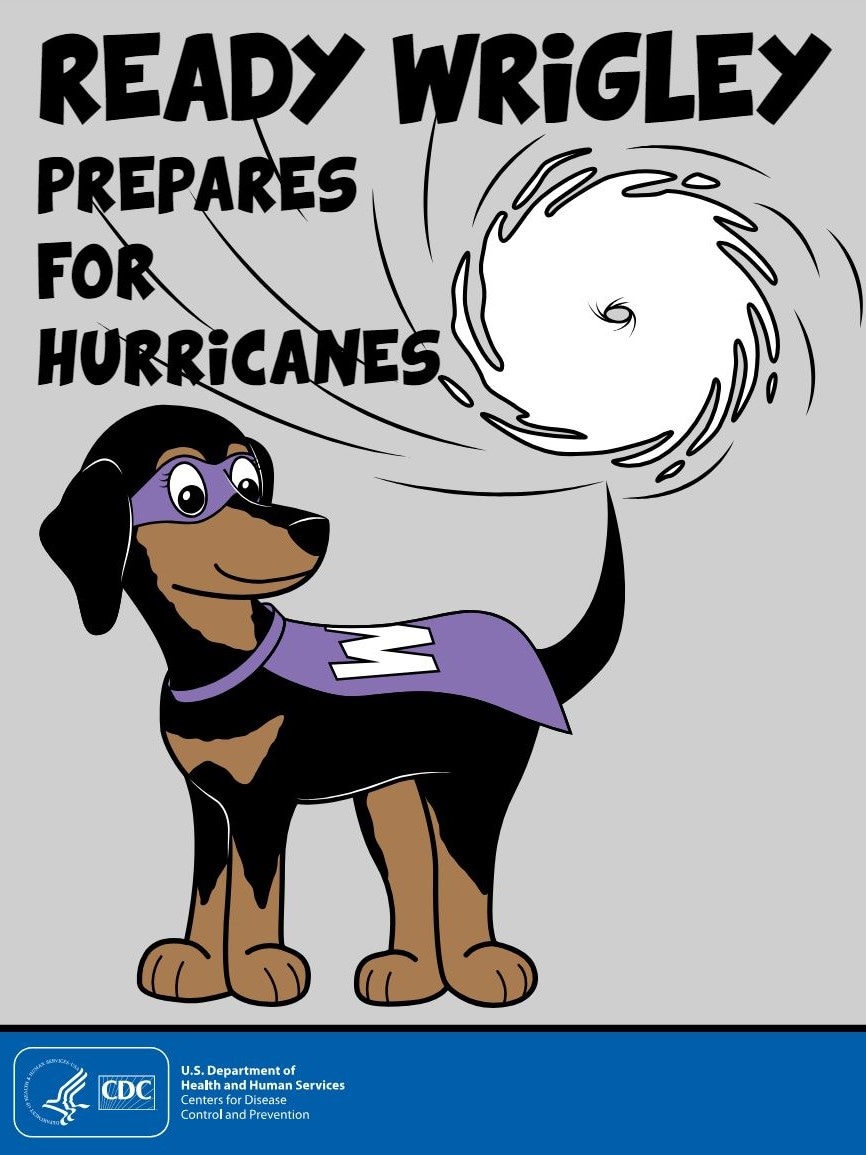
Hurricane safety activity book for children.
Earthquake safety activity book for children.
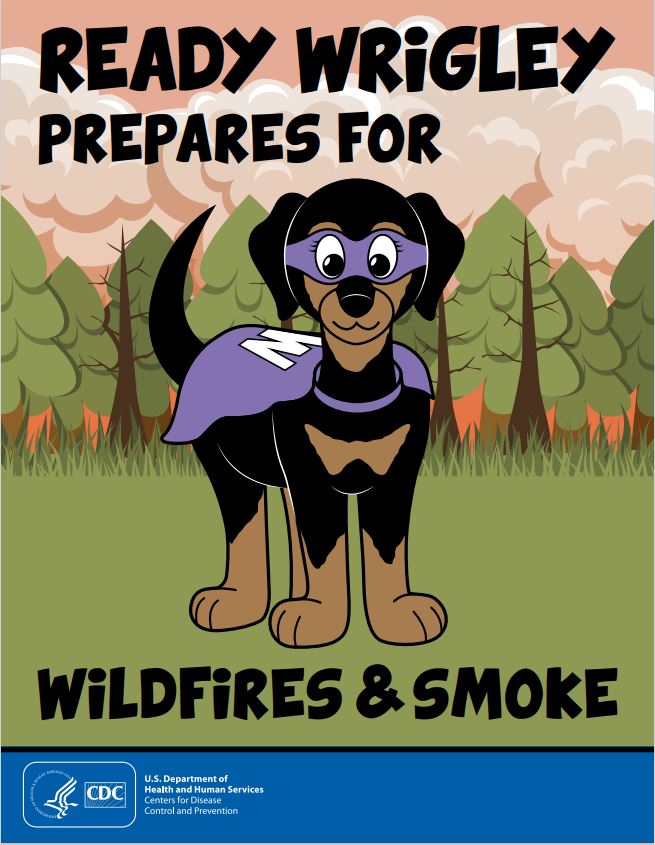
Ready Wrigley Prepares for Wildfires & Smoke

Learn about disaster emergency kits with Wrigley.
Join Wrigley with fun activities to do during a hurricane or other disaster.
Take care of yourself and stay healthy while staying at a disaster shelter.
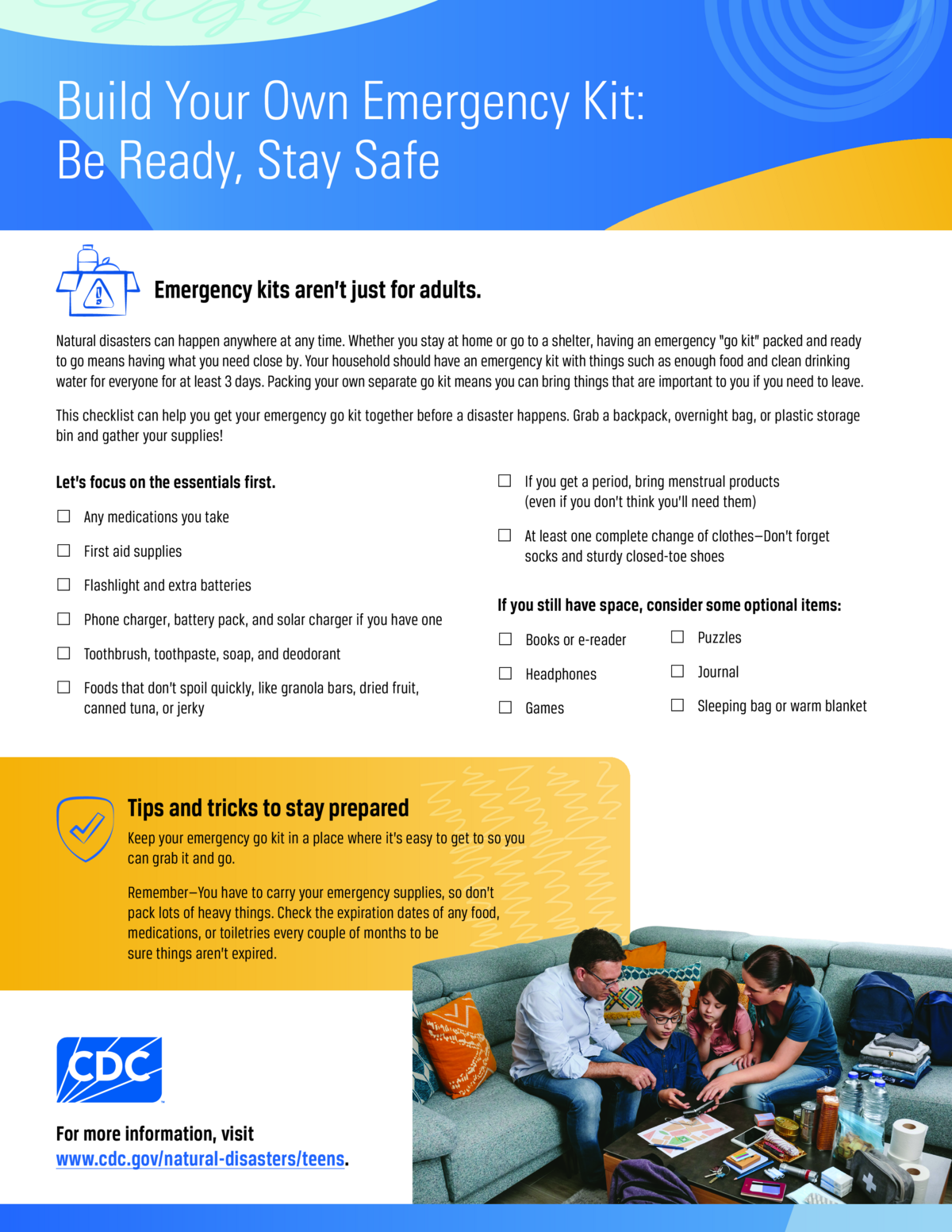
This checklist can help teens create an emergency "go kit" before a disaster happens.
Stay busy with fun activities to do at a shelter or during a power outage.
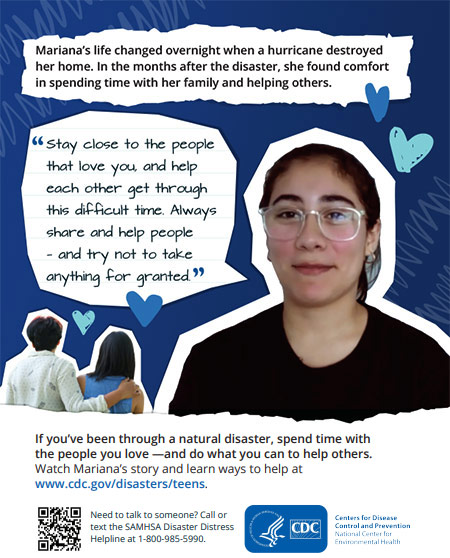
Mariana’s life changed overnight when a hurricane destroyed her home.
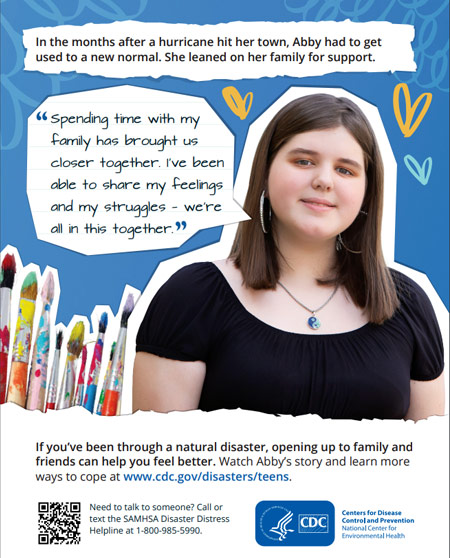
In the months after a hurricane hit her town, Abby had to get used to a new normal.
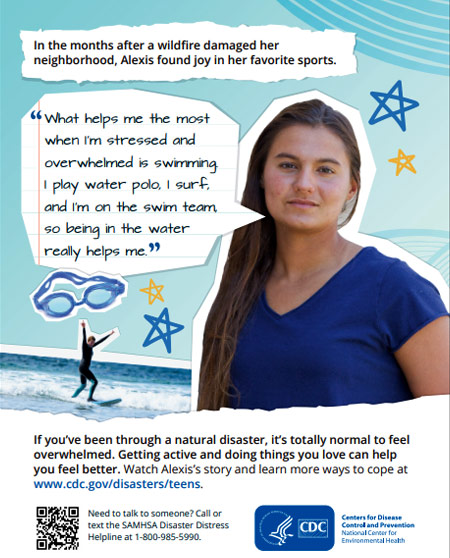
In the months after a wildfire damaged her neighborhood, Alexis found joy in her favorite sports.
When a hurricane struck his city, Jaylon discovered that helping neighbors helped him feel better.
Planning ahead can help you stay healthy during your period if a natural disaster strikes.
This booklet will help you prepare for getting your period during a natural disaster.
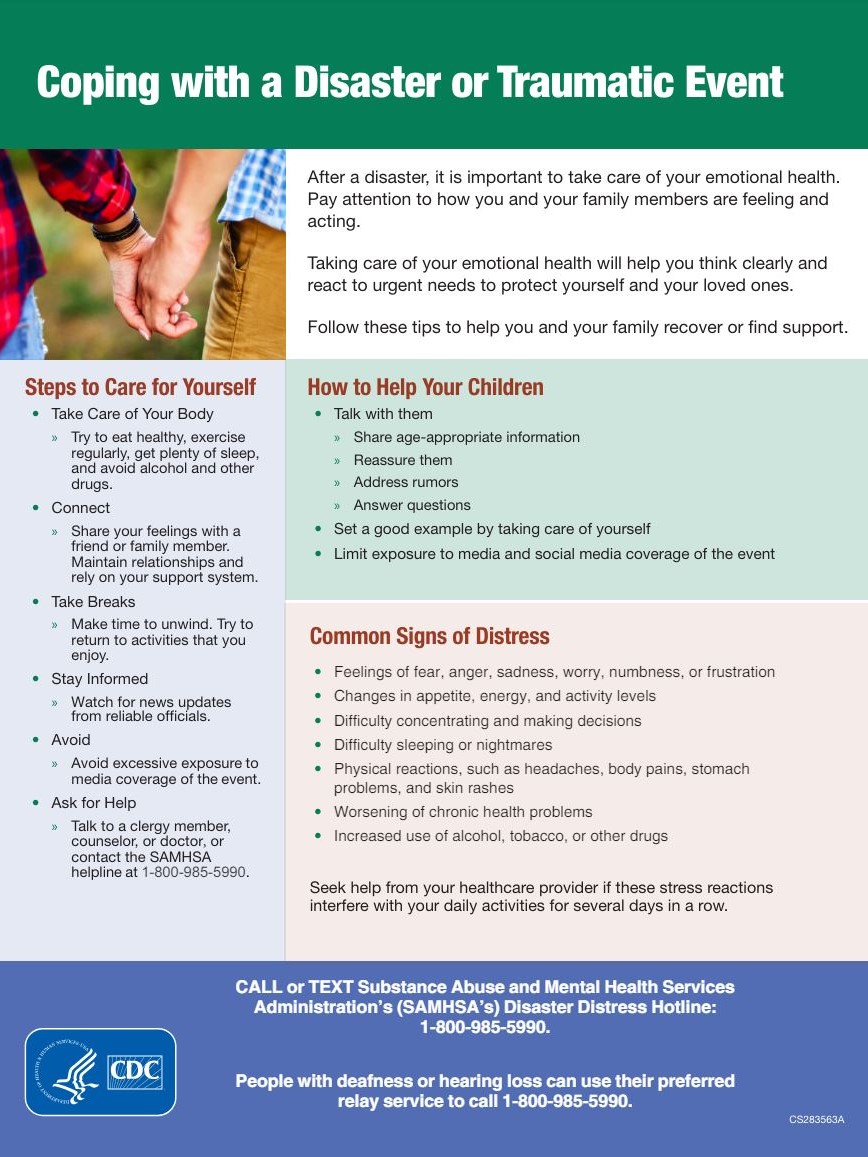
After a disaster, it is important to take care of your emotional health.
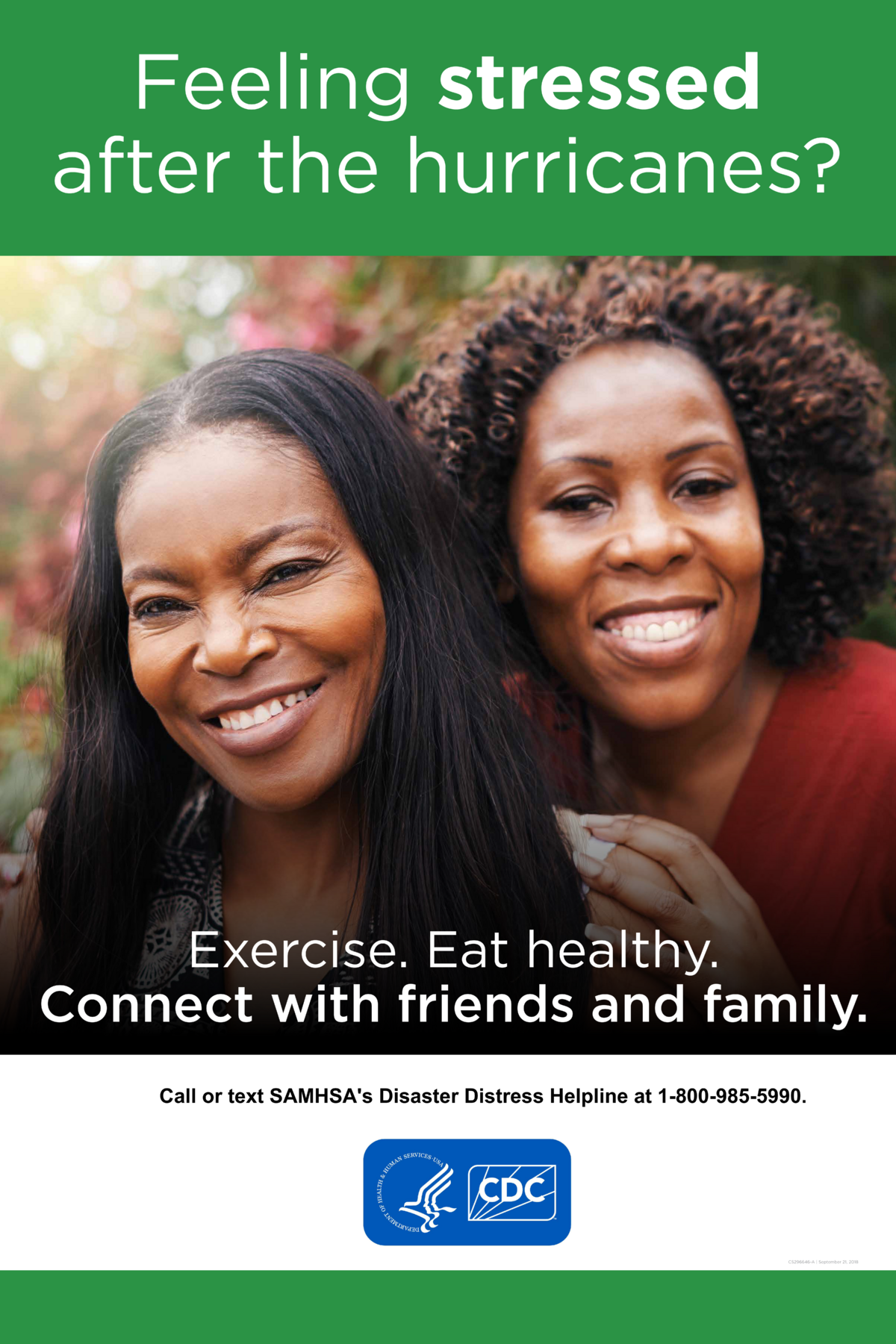
Feeling stressed after a hurricane? Exercise, eat healthy, and connect with family and friends.
Feeling stressed, sad, or worried after a disaster is normal. Don’t be afraid to ask for help.
This factsheet can help parents and caregivers learn how to help their children cope with a disaster
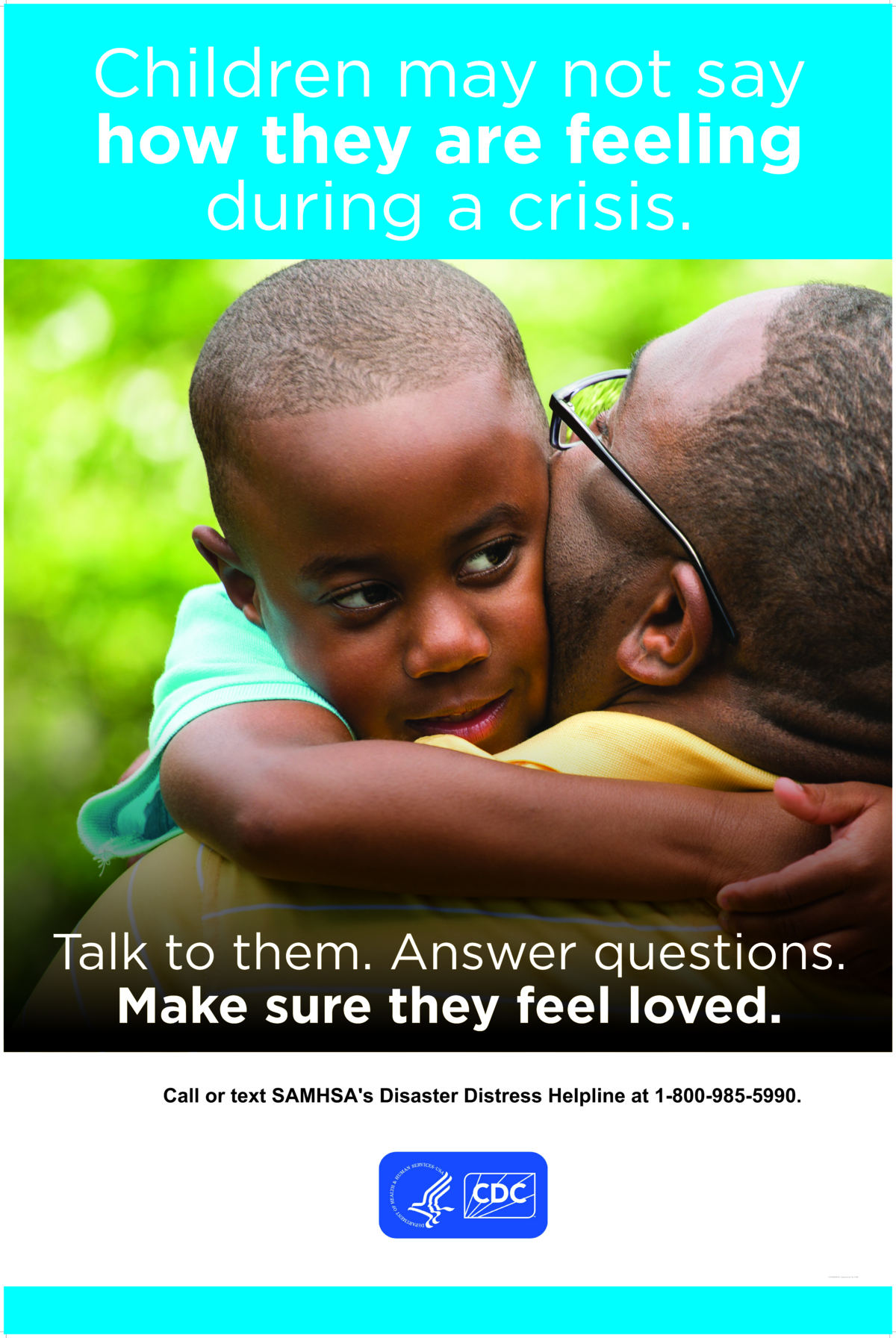
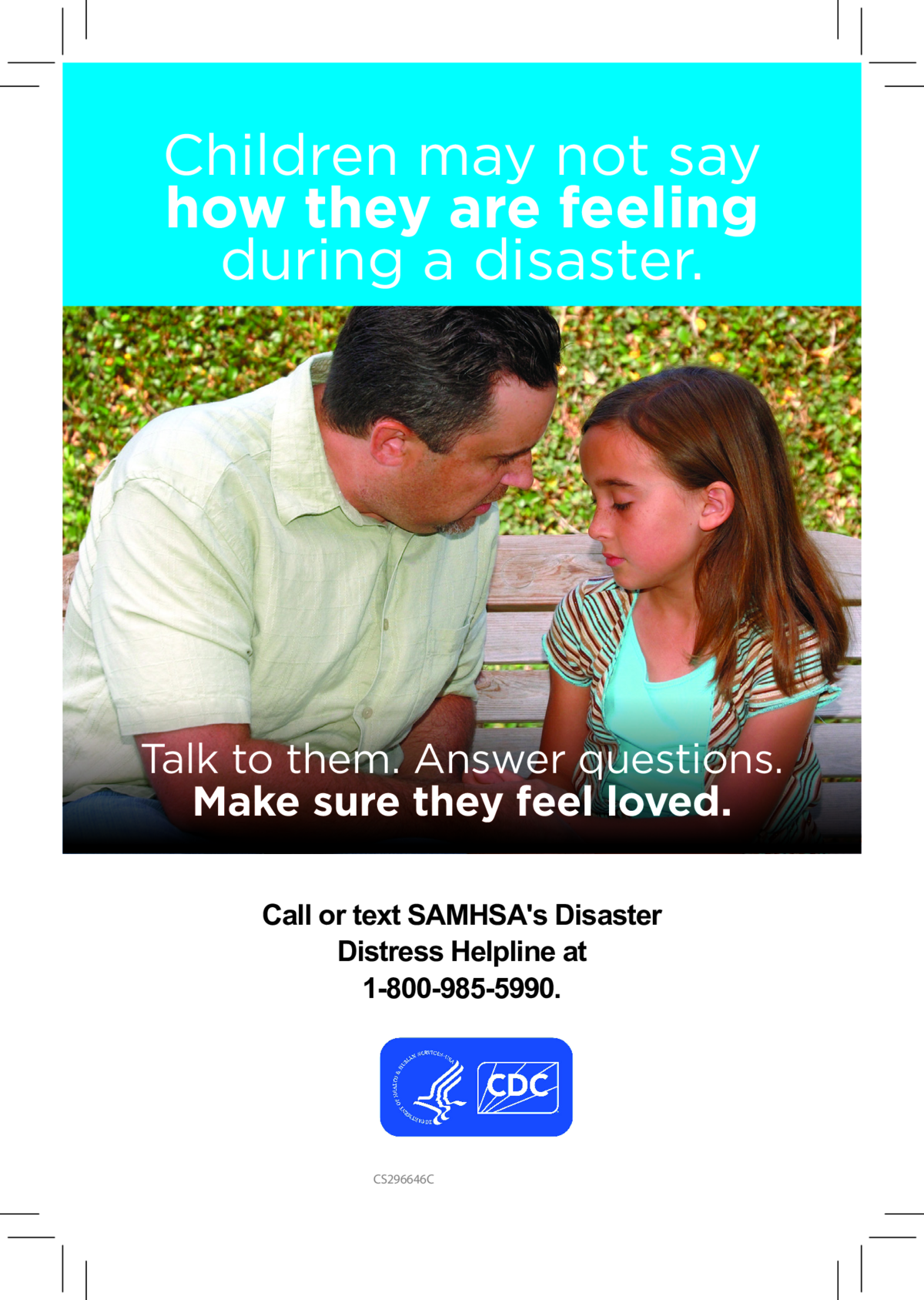
Children may not say how they are feeling during a crisis.
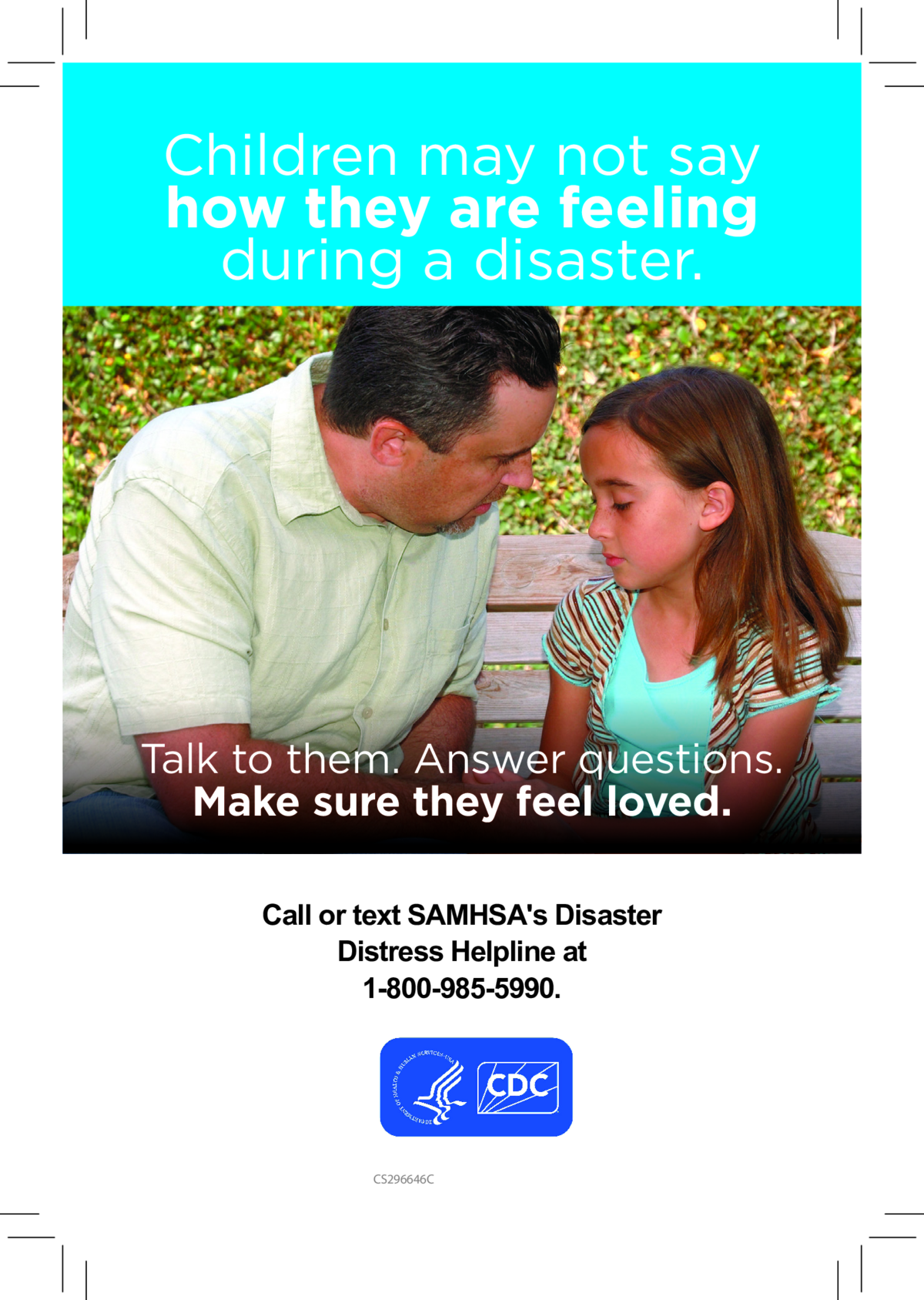
Children may not say how they are feeling during a disaster.
In the months after a hurricane hit her town, Abby had to get used to a new normal.
In the months after a wildfire damaged her neighborhood, Alexis found joy in her favorite sports.
When a hurricane struck his city, Jaylon discovered that helping neighbors helped him feel better.
Mariana’s life changed overnight when a hurricane destroyed her home.
Coping activity book for children facing the aftermath of a natural disaster.
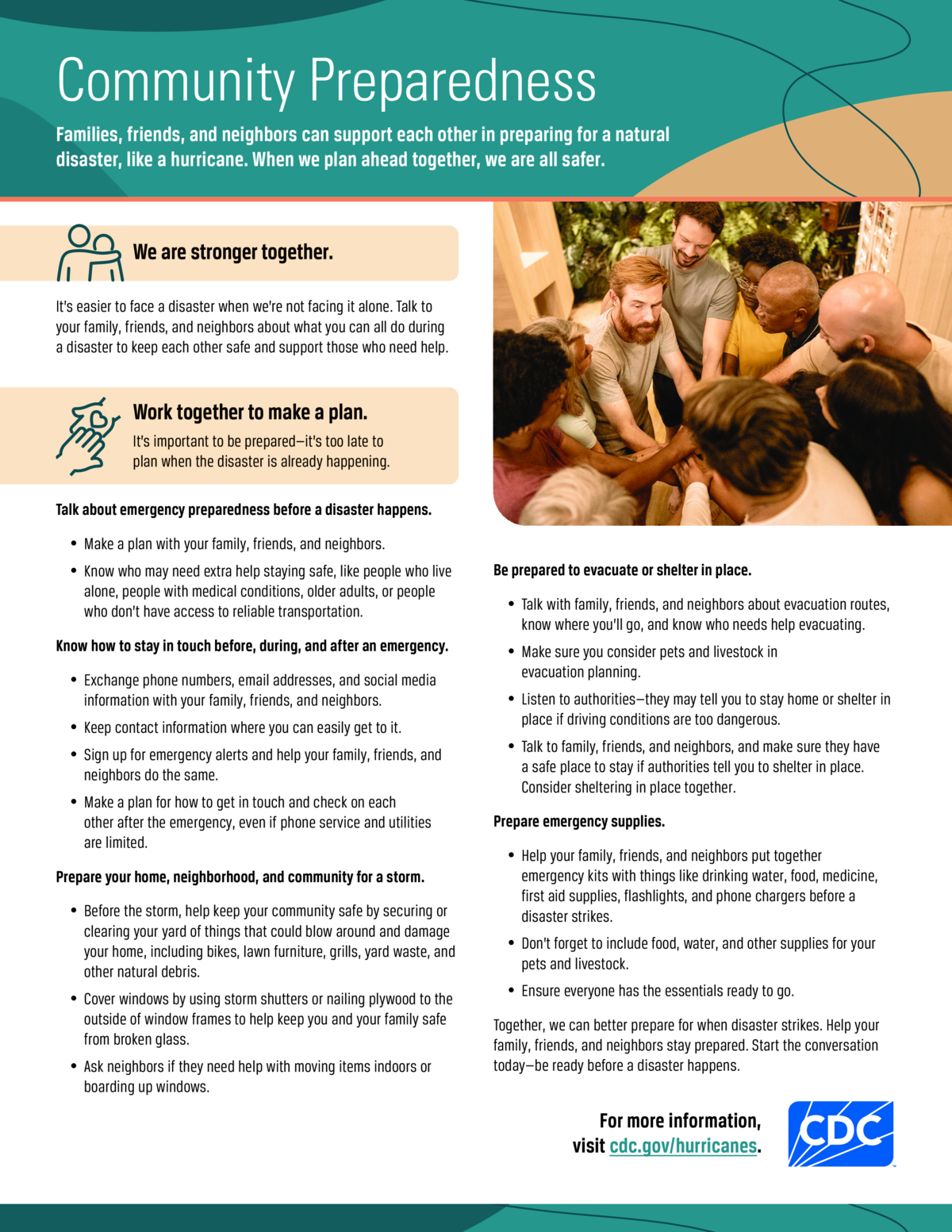
Families, friends, and neighbors can support each other in preparing for a natural disaster.
This checklist can help teens create an emergency "go kit" before a disaster happens.
Learn about disaster emergency kits with Wrigley.
Planning ahead can help you stay healthy during your period if a natural disaster strikes.
This booklet will help you prepare for getting your period during a natural disaster.
Content Source
National Center for Environmental Health
About This Page
Published: May 15, 2024
Updated: October 20, 2026
This page was last updated on this date. Updates may include minor edits, image changes, or other modifications to page content.
Reviewed: August 26, 2026
The information on this page was last reviewed by subject matter experts to ensure accuracy.