



What to know
CDC's NSSP provides the syndromic surveillance community with the BioSense Platform. This secure, cloud-based system detects and monitors health threats. Successfully onboarding health care facilities, vendors, and public health sites into the platform is vital.
Key roles in the process
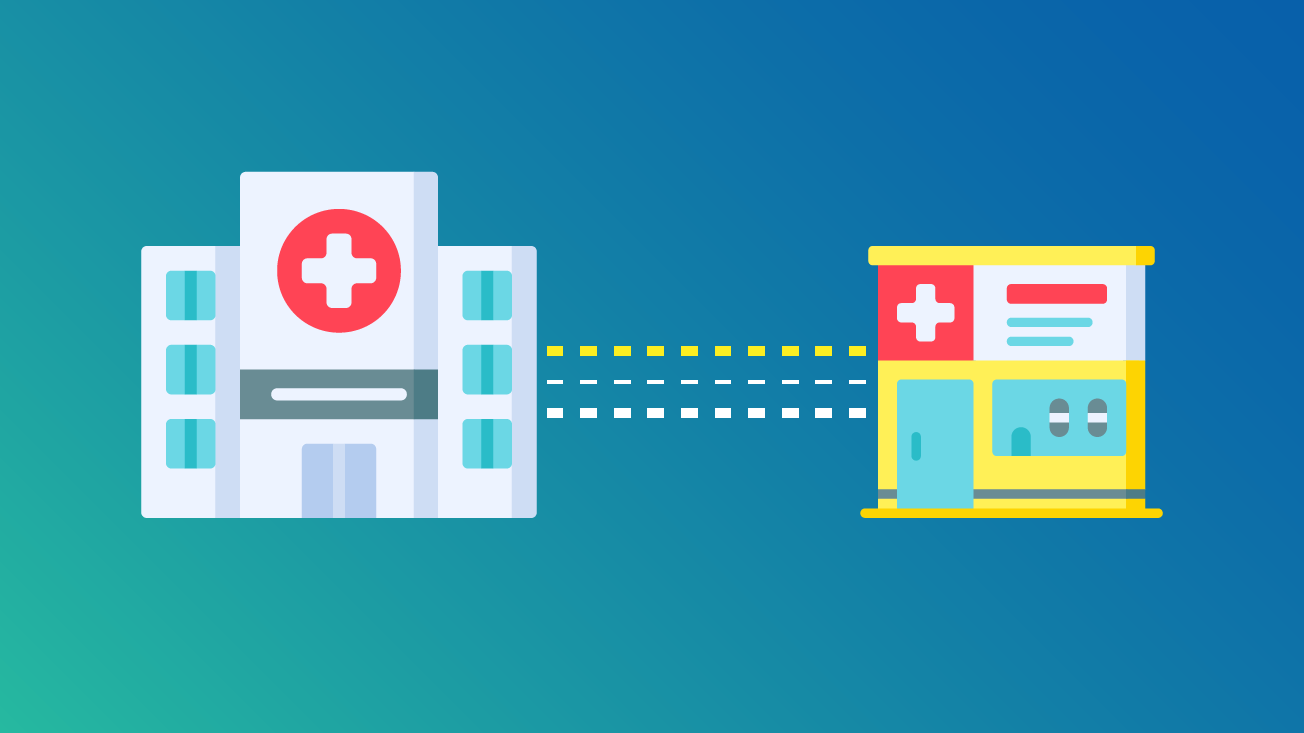
Facilities transmit de-identified patient information to the BioSense Platform in near real-time. Our partners in this process who help ensure high-quality data feeds include:
- The facility that will submit data. In addition to the organizations that deliver care, this could also include electronic health record vendors or health information exchanges.
- The site, our term for the public health authority that serves as an administrative hub for groupings of facilities that transmit data.
- The site administrator, the primary public health authority contact at each site. Site admins will build relationships with facility staff and oversee all aspects of onboarding. Site admins serve as liaisons between facilities and NSSP.
Onboarding job aids
These resources will help site administrators walk through onboarding step-by-step, from planning to the key phases of engaging, connecting, validating and operating.
Facility BOPA
Electronic fillable PDF to acknowledge having read about the BioSense Platform onboarding process. For facility use only.
Feed Profile Template
Form for submitting contact information. Automated system alerts will be emailed to contacts if an issue needs to be investigated.
Site BOPA
Electronic fillable PDF to acknowledge having read about the BioSense Platform onboarding process. For site use only.
BioSense Platform resources
1. Overview: 1CDP and BioSense
a. What is 1CDP?
One CDC Data Platform (1CDP) is a unified data platform that supports day-to-day surveillance work of CDC programs and public health emergency responses. It connects CDC and partners to shared tools, capabilities, and data in one place. 1CDP allows us to better prepare for, detect, and quickly respond to public health threats. With 1CDP, CDC is accelerating previous efforts to transition away from siloed, redundant data systems and tools. 1CDP is a common platform with shared and integrated data available to inform public health actions. It is designed to empower public health programs and turn data into action that drives public health decision making more quickly.
b. What is changing and what is staying the same?
CDC’s National Syndromic Surveillance Program (NSSP) is integrating and replacing some components of its BioSense technical infrastructure with 1CDP technical infrastructure. The full scope of the 1CDP initiative extends across the whole agency of CDC — NSSP and its data sources are one piece of many.
NSSP will begin using 1CDP to parse and transform raw HL7® messages for ESSENCE ingest processing in spring 2026. These changes to site data flow only affect production data flow to Raw and Processed, transferring it from Archive servers to 1CDP servers. Data receipt and scrubbing, ESSENCE ingestion and access, and site DataMart access will remain the same during this transition phase.
The NSSP Team remains committed to providing the same robust parsing and processing of HL7® messaging data presently available in a manner consistent with existing business rules. Disclaimer: HL7®, and FHIR® are the registered trademarks of Health Level Seven International and their use of these trademarks does not constitute an endorsement by HL7.
c. What is happening, and when?
Sites’ HL7® data ingest processes will be migrated to 1CDP beginning in May 2026 through summer 2026. Sites will be migrated in groups, during a one-week process, throughout that timeframe. The NSSP team will work to accommodate site schedules and preferences in the scheduling of these migrations.
d. Is ESSENCE being replaced?
CDC has no plans to discontinue operating ESSENCE in support of NSSP at this time. The capabilities and functions within ESSENCE are critical to the missions of the NSSP Community of Practice and CDC. We are committed to supporting these functions going forward. CDC will continue to work with this community, as part of our continued agencywide modernization reflected in the Public Health Data Strategy, to sustain and grow this important surveillance capability.
e. What are the advantages of this new platform?
There are many potential advantages of using 1CDP, including broader access to rich data sources, simplified sharing of appropriately constrained data, leveraging of common tooling across many CDC data workstreams, and faster, more streamlined access to data for public health response.
1CDP improves coordination between STLTs and CDC to better support public health action. Over time, 1CDP will continue to grow with additional programs, data sources and shared capabilities moving into the platform.
f. How will you ensure that the platform performs as well or better than the current platform?
Part of the initial phase of work is to establish datasets that can be used to model current BioSense Platform dataflows and query operations so that we can begin comprehensive performance analyses across the data and determine that the new platform can meet and/or exceed existing benchmarks.
2. 1CDP Infrastructure and Governance
a. What security measures are in place to protect security and privacy?
Federal Cybersecurity Standards: 1CDP is hosted in a secure environment that meets Federal Risk and Authorization Management Program (FedRAMP) and Federal Information Security Modernization Act (FISMA) requirements. The platform is regularly reviewed by CDC's Cybersecurity Program Office to ensure alignment with these requirements.
Privacy by Design: As a matter of best practice, CDC collects only the minimum data necessary to meet public health goals. Most data are de-identified. For any personally identifiable information in 1CDP, CDC must comply with federal privacy laws and HHS Privacy Requirements administered by CDC's Privacy Program Office. Privacy-related requirements are built into the platform where the datasets are housed to support compliance.
b. What security measures are in place to ensure data access rights are protected?
CDC has separated platform access from dataset access to help ensure maximum accountability for data. As currently configured, 1CDP users are authenticated in CDC's Secure Access Management Services (SAMS) and must agree to standard Rules of Behavior upon login. Once users have been given access to the platform, data stewards designate which datasets users can access and track and audit that use.
c. How will use of the data be governed?
The day-to-day operation of 1CDP is guided by CDC's Enterprise Technology and Data Governance and implemented by platform steward representatives from CDC's Office of Public Health Data, Surveillance, and Technology, Office of Readiness and Response and Office of the Chief Information Officer. This oversight ensures platform activities align with CDC's mission and federal law.
d. How does this transition change how the data will be used within CDC?
This transition does not change how data will be used within CDC. CDC uses 1CDP to process, manage, and access NSSP and other data. NSSP will continue to rely on the data governance policies and procedures currently in place in NSSP, and partners can continue to negotiate terms for data sharing through CDC’s Core Data Use Agreement.
3. Site Operations and Access to Data
a. Will these changes interrupt my daily operations?
All efforts will be made to ensure as little impact as possible on existing production processes. We are committed to making sure 1CDP processes are well tested for both performance and accuracy and are deployed in a manner that minimizes disruption to daily activities.
b. Do I need to plan and commit resources for this transition?
No. This transition requires no direct involvement from sites; the NSSP team will conduct the transition activities and communicate their status. The technical cutover will take place during a single day and NSSP staff will monitor the data flow to ensure it is functioning as expected.
c. Will this change reduce or otherwise change the amount or granularity of data that my site currently has?
No. Data ingestion and processing in 1CDP is built to mimic BioSense logic, so data will be processed and provided identically in 1CDP.
d. What tools will we have to see what’s happening with my site’s data?
ESSENCE will continue to function as the interface for NSSP data users. ESSENCE tools are not changing as part of this transition; Production Raw and Processed views will continue to be available on DataMart.
e. How can I be assured that the numbers I am seeing match what CDC is seeing and analyzing internally?
As part of the data ingest transition process, the NSSP team will provide a site-specific report with a detailed comparison of data processing in 1CDP (new) and BioSense (previous architecture). In addition, Production Raw and Processed views will continue to be available on DataMart for site review.
f. When will my data move to the new platform?
All NSSP data available in the BioSense Platform is currently available in 1CDP, enabling effective development of the 1CDP ingest capabilities, and robust quality and performance evaluations. It is important to note that the upcoming transition does not change who has access to these data. Vendors that support 1CDP for specific development or maintenance activities may access data for purposes consistent with their contracts and are subject to requirements set out in their contracts related to privacy and security of data they may access.
g. How will I be able to access the data in the new platform?
At this time, we are not asking sites to interact directly with 1CDP. The data ingestion transition in spring/summer 2026 does not impact the ways in which sites interact with their data; the raw and processed data will continue to be available via DataMart and ESSENCE. In future, NSSP users will have direct access to a 1CDP interface with a multitude of collaborative data tools and capabilities.
h. Where can I access technical documents, e.g., data dictionaries, data flow diagrams?
The NSSP team is developing this documentation and will make it widely available to sites via existing venues, such as the NSSP Knowledge Repository.
Onboarding articles




This page was last updated on this date. Updates may include minor edits, image changes, or other modifications to page content.
The information on this page was last reviewed by subject matter experts to ensure accuracy.