



At a glance
eNews is the monthly newsletter of the National Institute for Occupational Safety and Health (NIOSH). Each month includes an update from NIOSH Director Dr. John Howard, featured NIOSH research, new worker safety and health resources, upcoming meeting, and more!
From the Director's Desk
John Howard, M.D., Director, NIOSH
Tick Talk: Protecting Workers From Tickborne Diseases
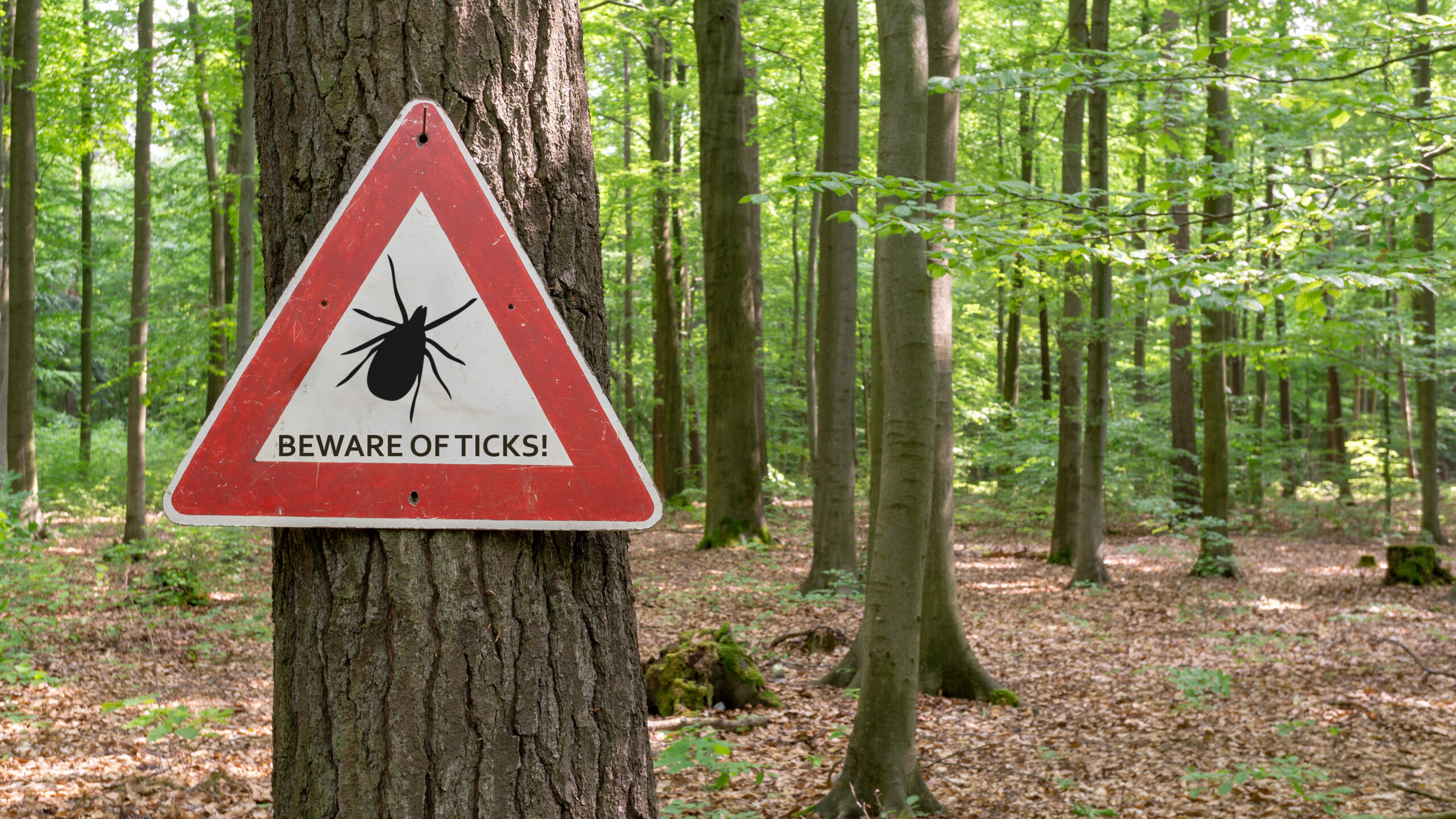
Summer is in full swing, and so is tick season. Ticks become more active as the weather heats up, and this year, a high number of tick bites already have been reported. The CDC Tick Bite Tracker shows visits to the emergency room for tick bites are at a 10-year high in some parts of the United States. Whether for recreation or for work, spending time outside can put people in close contact with ticks that may spread diseases.
About 33% of workers regularly experience outdoor exposure as part of their job. This means millions of people in occupations such as landscaping, park or wildlife management, farming, highway maintenance, construction, or utilities are at risk of exposure to ticks. Since almost half of U.S. outdoor workers are Hispanic, Hispanic workers may face an increased risk of work-related tick exposure.
Ticks may be small, but they pack a mighty bite. Some ticks can spread serious diseases, including Lyme disease, Rocky Mountain spotted fever, and alpha-gal syndrome, a potentially life-threatening allergic reaction to red meat. Tick bites that happen while working are considered reportable work-related injuries.
NIOSH urges employers to take steps to protect workers from tickborne diseases. If possible, try to eliminate or reduce the hazard. Worksites with tick habitats, such as woods, bushes, high grass, or leaf litter, are likely to have more ticks. Employers can decrease tick populations by removing leaf litter and removing, mowing, or cutting back tall grass and brush.
If work must be done in potentially tick-infested areas, have workers wear a light-colored, long-sleeved shirt, long pants, socks and a hat. Supply workers with EPA-registered insect repellent or permethrin to treat clothing and gear. Permethrin kills ticks on contact but shouldn't be used on skin. In addition, it's important to train workers on tickborne diseases in their region and on how to recognize symptoms. NIOSH offers a Fast Facts card in multiple languages to help with worker training. There's also a webpage available in English and Spanish for workers on tick-borne diseases.
Workers can also take action if they can't avoid working in a tick habitat. Wear a hat and light-colored clothing, use insect repellents, and conduct a full body check after returning indoors. Showering within two hours of exposure may help wash off ticks and reduce the risk of Lyme disease.
Preventing tick bites is the best form of protection. However, if workers do find an attached tick, they should remove it immediately and see a healthcare provider if they develop a rash or fever in the days or weeks after a tick bite.
This summer, don't let a tick take a bite out of the workday. Use these CDC and NIOSH resources to help protect your workers from ticks and tickborne diseases.
Research Rounds
Healthcare Access and Health Status by Primary Source of Health Insurance and Occupation
By Sharon R. Silver, NIOSH; Jia Li, retired from NIOSH; and Abay Asfaw, NIOSH
What did this study find?
In the United States, workers with health insurance reported better health and better access to healthcare. Still, 1 in 10 workers were uninsured in 2023. Compared with all workers, uninsured workers were less likely to afford needed care. They were twice as likely to skip a medical exam in the past year and more than three times as likely to lack a regular doctor.
Being uninsured was highest—at least 25%—among workers in Farming, Fishing, and Forestry; Building and Grounds Cleaning and Maintenance; Food Preparation and Serving; and Construction and Extraction. The first three groups also had low levels of employer-sponsored insurance.
Most insured workers had employer-sponsored insurance, followed by nongroup private insurance, Medicaid, state-sponsored coverage, other government coverage, and military insurance. Workers with employer-sponsored or nongroup private insurance reported the lowest levels of unmet healthcare needs and fair or poor health.
How did you do the study?
We analyzed responses from more than 200,000 adults ages 18–64 years old who participated in a nationwide telephone health survey. We estimated health insurance coverage, insurance type, healthcare access by occupation, and self-reported health status using 2022–2023 Behavioral Risk Factor Surveillance System data.
Why is this study important?
Health insurance plays an important role in healthcare access and health status. Workers in occupations with more uninsured workers and lower rates of employer-sponsored coverage reported more unmet healthcare needs and worse self-rated health.
What are the next steps?
Long-term studies can clarify how insurance status and insurance type affect healthcare access and outcomes. Intervention studies can test whether targeted efforts to expand coverage in occupations with high rates of uninsured workers improve worker health and productivity.
Highlights
English and Spanish Resources for Outdoor Workers
NIOSH now has outdoor worker safety and health webpages in Spanish:
- The Outdoor Workers pages provide ways to protect yourself from mosquitos, ticks, poisonous plants, and other outdoor hazards.
- The Heat Stress pages share communication resources, along with information on heat-related illnesses, acclimatization, and other safety topics.
- The Trenching and Excavation page offers guidance on preventing cave-ins and other excavation hazards.
Using AI to Improve Workplace Safety. Listen Now!
Dr. Emily J. Haas, NIOSH Associate Director for Science in the Division of Safety Research, recently participated in a podcast to discuss how safety research can lead to practical changes that improve worker safety. Learn more in the Industrial Risk: Beyond the Blueprint podcast episode, "Predicting Risk Before it Strikes—AI, Data, and the New Safety Science."
Safe-in-Sound Award Nominations Now Open!
Reminder that the nominations for the 2027 Safe-in-Sound Awards are due August 19. These awards recognize outstanding achievements in workplace hearing loss prevention across the United States and Canada. NIOSH, the National Hearing Conservation Association, the Council for Accreditation in Occupational Hearing Conservation, and the American Industrial Hygiene Association are sponsoring this award program.
Federal Register Notices
For Public Comment
Agency Forms Undergoing Paperwork Reduction Act Review: Occupational Exposures to Waste Anesthetic Gases in Healthcare Professionals
The notice was posted on June 12. Comments must be received by July 12.
Proposed Data Collection Submitted for Public Comment and Recommendations: Health Hazard Evaluations/Technical Assistance and Emerging Problems
The notice was posted on June 18. Comments must be received by August 17.
Other Notices
New Communication Product
NIOSH Science Bulletins

News From Our Partners
The University of Washington Launches Updated Bilingual Pesticide Safety App for Agricultural Workers
The University of Washington has released an updated version of PestiSeguro™/PestiSafe™, a bilingual mobile application. This free phone app delivers important pesticide safety information in both Spanish and English to farm and forestry workers across Washington and Oregon. Read the press release to learn more and to access the app.
Explore the 2026 Gulf Coast and Caribbean State of the Science Meeting
The Southeastern Coastal Center for Agricultural Health and Safety launched an interactive online resource hub from the 2026 Gulf Coast and Caribbean State of the Science Meeting. The meeting theme was Change Among Our Working Waterfronts. The hub provides free access to session videos, transcripts, speaker interviews, and an award-winning short documentary on small-scale fishing communities in Culebra, Puerto Rico.