



What to know
- At the birth of our nation many jobs were dangerous and could have benefited from NIOSH research.
- Learn more about the kind of work colonial Americans did and the hazards they faced.

Summary
As we celebrate our country's 250th birthday, we look back at how people worked back then and the hazards they faced. We are highlighting some of the more dangerous jobs from that time and resources from the National Institute for Occupational Safety and Health (NIOSH) for workers in those same jobs today.
Sowing the seeds
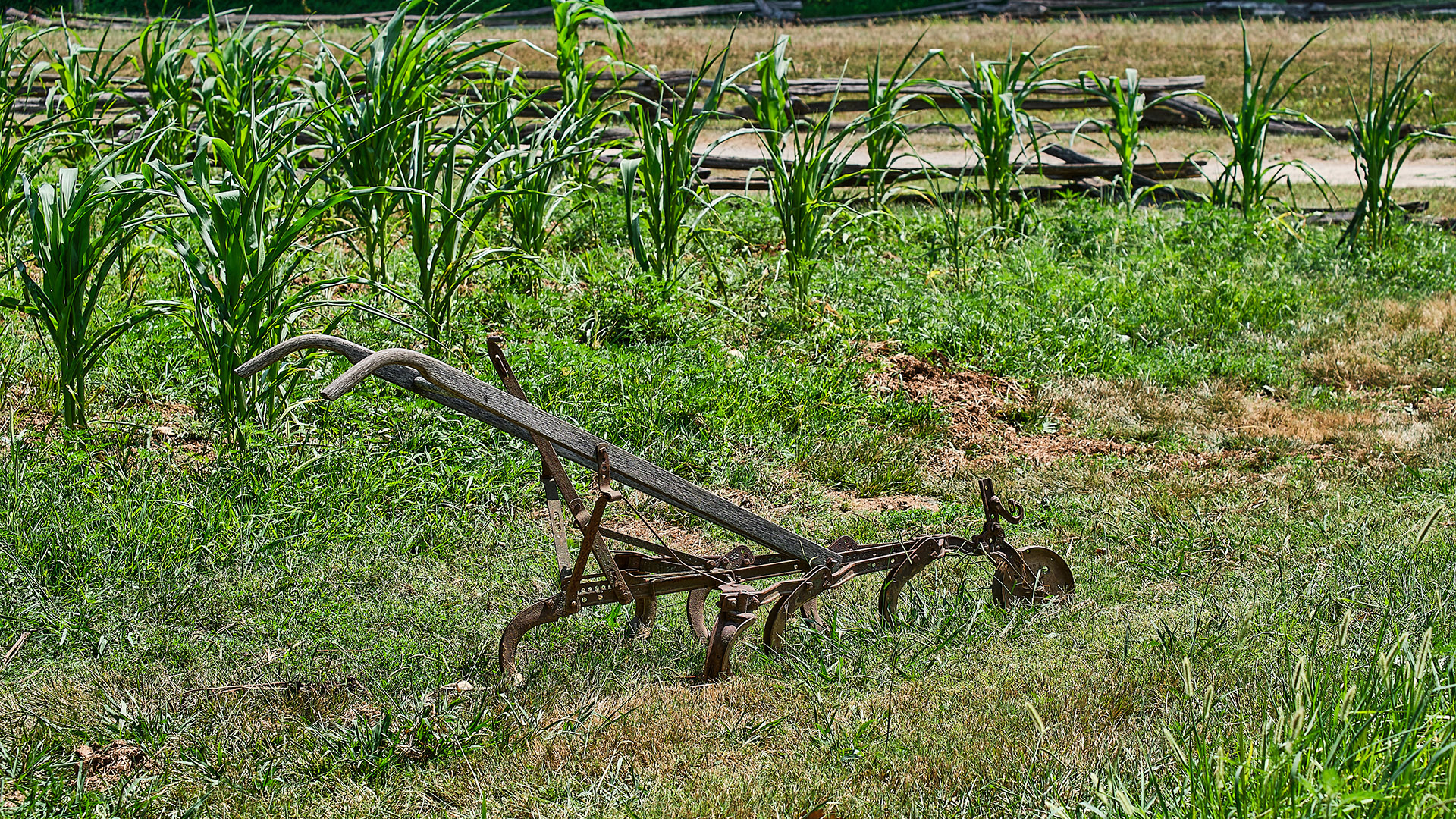
Agriculture was the dominant economic activity in the American Colonies.1 It was a driving force behind the economy, population growth, and overseas trade.1 Local farmers made up one third of the whole population. These farmers typically earned enough to sustain their households and relied on family labor to maintain their property.2
Many hazards existed for those who worked the land.3 Advancements in science and technology have made some tasks safer, but agriculture remains one of the most dangerous industries in the United States.4
The NIOSH Agriculture, Forestry, and Fishing Program addresses injuries, illnesses, and fatalities experienced by workers in these high-risk industries. NIOSH supports research and prevention programs, including 12 Centers for Agricultural Safety and Health. These programs conduct research related to traumatic injury, pesticide exposure, respiratory health, musculoskeletal disorders, heat-related illness, and mental health.
Artisans and skilled labor
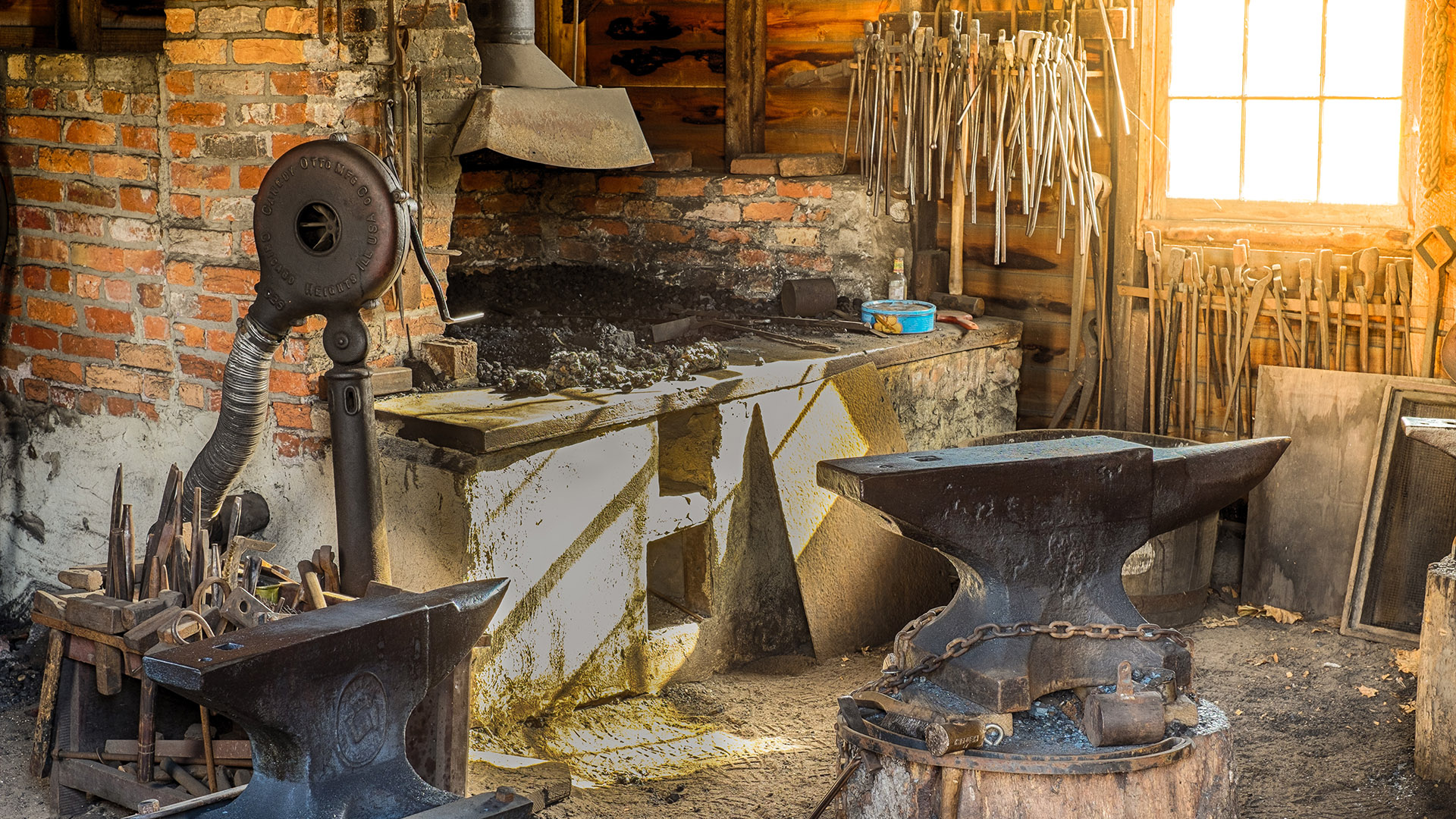
Artisans and skilled laborers including shoemakers, silversmiths, soap-makers, and tailors, made up half the total population of seacoast cities by 1776.2 By 1776, the American colonies together were the world's largest producer of raw iron.5
While the "smith" occupations (blacksmith, coppersmith, silversmith, and goldsmith) are a niche trade these days, working with metals remains hazardous. More than 1 million employees are exposed to metal working fluids (MWF) each year which can lead to respiratory and skin problems. NIOSH has conducted more than 70 on-site health hazard evaluations (HHEs) of facilities with occupational exposures to MWFs or mineral oil aerosols.
NIOSH has also conducted HHEs related to artists' exposure to lead, silica, ceramics, woodworking, and other hazards. You can find these and other HHEs on metals and working in trades using the HHEs Search page.
Lead is an important occupational health hazard. High levels of exposure can cause anemia, kidney and brain damage, infertility, and even death. Workers can also unintentionally poison their children when they bring home lead dust on their clothing or personal items. The largest current use of lead is in lead-acid batteries.6 There are many other uses including in metal manufacturing and in the construction and chemical industries.6
NIOSH created the Adult Blood Lead Epidemiology and Surveillance program to monitor elevated blood lead levels among working adults 16 years and older. Currently, 37 states contribute data to the program.
Working women
Women were critical to the progress of our country.7 Women managed households that produced goods necessary for daily life. They took part in planting, harvesting, and processing crops. Women tended kitchen gardens and preserved food. They spun wool into yarn, wove cloth, and sewed clothing to reduce dependence on imported textiles.7 Outside of the home many women worked in candle and soap making, textiles, midwifery and healing, and as shopkeepers.7
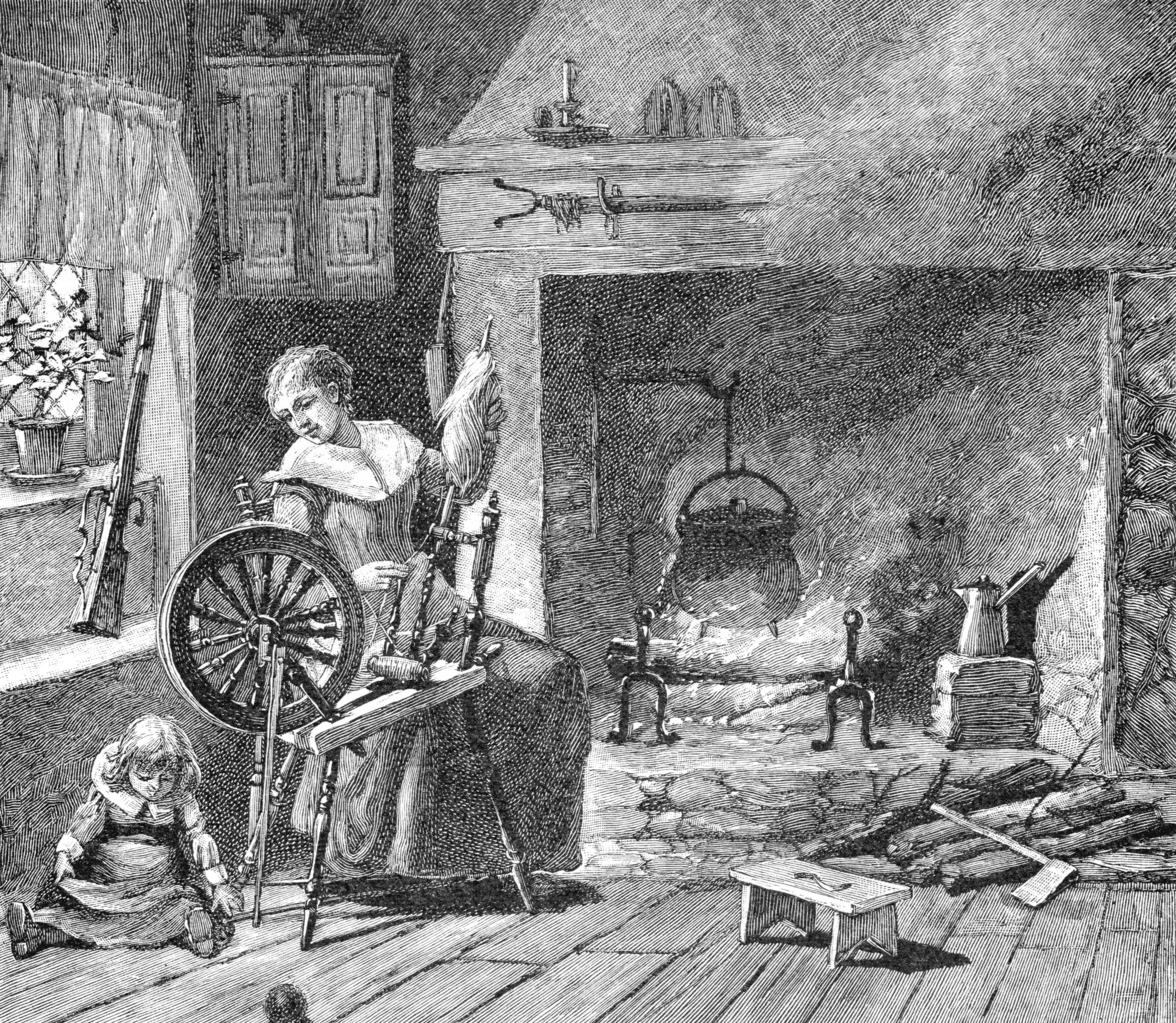
Today, women represent nearly half (47%) of the total U.S. labor force, with approximately 79 million women currently in the workforce.89 NIOSH has developed resources on many issues that may be relevant to women workers such as reproductive hazards, sizing of personal protective equipment, chemical hazards, and workplace violence.
Laboring children
Many of the jobs around the time of the revolution involved child labor or 'laboring children'. The Great Law of the Province of Pennsylvania provides that "all children of the age of twelve years shall be taught some useful trade or skill".10 Multiple "manufactories" employed children as young as nine to spin and card yarn for fabric and textiles.10 Whether working on farms, as apprentices in the trades, or in spinning and cloth making, there was little regard for the health and safety of these young workers. Today there is much more focus on keeping young workers safe. NIOSH has developed research and educational tools to protect young workers including the Youth@Work—Talking Safety Curriculum.

Cod fishing and the revolution
The fishing industry was one of the more important components of the American economy of the late eighteenth and early nineteenth centuries.11 From 1768 to 1772, fish exports accounted for 35% of all the money New England made overseas.12An added benefit at the time was that a thriving fishing industry trained mariners who could serve in the navy.12 At the time of the Revolution, 10,000 New Englanders worked as fishermen, or 8% of the adult male working population.12
British fish merchants were threatened by the colonists' cod fishing success and pressured Parliament to crack down on colonial fishing. Their success and the resulting reduction in the New England economy fomented much of the anger that led to revolution.12 New England fishermen played an important role in the Revolution, converting their fishing boats to war vessels.12
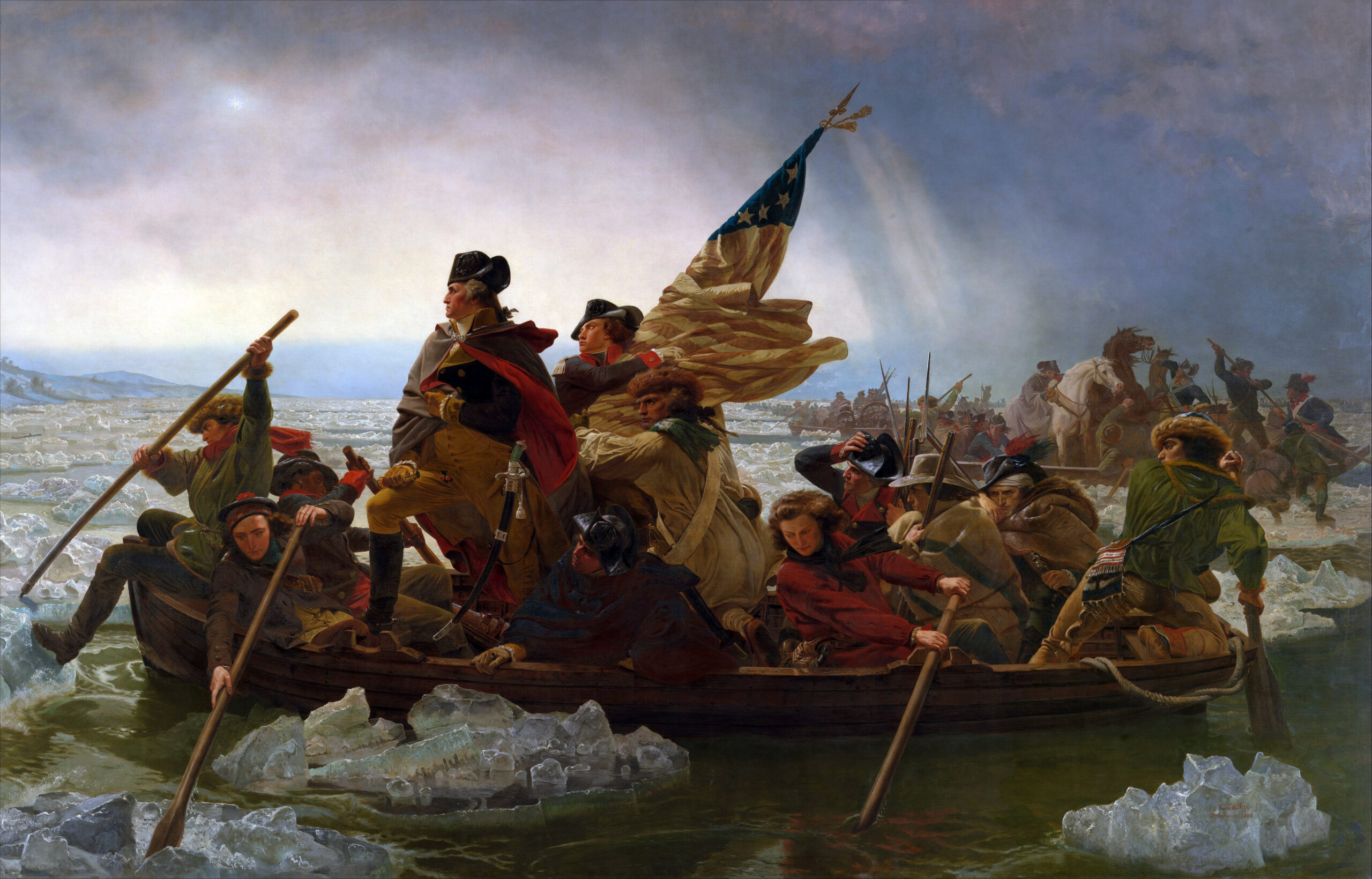
Washington Crossing the Delaware by Emanuel Leutze (1851). Metropolitan Museum of Art, New York City, Public domain, via Wikimedia Commons
Fishing was a taxing and dangerous job. Most fishermen retired by the time they were 30 or died from drowning, fishing accidents, or fever caught in the West Indies.12
Fishing remains a dangerous job today. Commercial fishing is one of the most hazardous occupations in the United States. The commercial fishing industry had a fatality rate over 40 times higher than the national average in 2019.13Since 1991, NIOSH has conducted studies of fishing safety to reduce the incidence of injuries and fatalities among the nation's fishermen. To do this, NIOSH developed the Commercial Fishing Incident Database to track work-related fatalities in the commercial fishing industry.
Laborers of the war
Over the course of the Revolutionary War, about 231,000 men served in the Continental Army.14 An estimated 6,800 Americans were killed in action and 6,100 were wounded. Historians believe that at least 17,000 more deaths were the result of disease.14 Diseases such as smallpox, dysentery, typhus, typhoid, dengue fever, cholera, fever and diarrhea spread quickly due to soldiers living in close quarters with poor nutrition and poor sanitation.15 Thankfully, conditions have improved for today's soldiers. NIOSH research to protect members of the military is summarized in a recent NIOSH Science Bulletin.

"Camp followers" or "laborers of the war" provided domestic necessities for the army including washing, cooking, and administering medical aid.2 Nurses made up a large portion of the camp followers. The Continental Congress assigned one nurse to every 10 patients.2
Today's nurses face many occupational safety and health challenges. NIOSH resources for nurses and healthcare workers include training on violence prevention and shift work and long work hours. Other NIOSH research includes working safely with hazardous drugs, preventing needlesticks and bloodborne disease, and using respiratory protection and protective clothing. Stressors such as staff shortages, emotionally charged situations, harassment, and violence drive burnout. The NIOSH Impact Wellbeing campaign provides hospital leaders with evidence-based solutions to reduce burnout and strengthen professional wellbeing.
Conclusion
Over the past 250 years, America's workers built this country into what it is today. NIOSH will continue to protect and support our workers and help employers and others provide safe and healthy workplaces so America can achieve the next 250 years of excellence.
Julie Tisdale-Pardi, MA, is a NIOSH health communication specialist and coordinator of the NIOSH Science Bulletin.
This page was last updated on this date. Updates may include minor edits, image changes, or other modifications to page content.
The information on this page was last reviewed by subject matter experts to ensure accuracy.
- American History Central. Agriculture in Colonial America. https://www.americanhistorycentral.com/entries/agriculture-colonial-america/
- Center for the Study of the Presidency and Congress. Social hierarchy & occupations in the revolutionary period. https://www.thepresidency.org/social-hierarchy
- Spilsbury, Louise [2016]. Horrible jobs in colonial times. Oxford Raintree
- NIOSH. Agriculture Worker Safety and Health. https://www.cdc.gov/niosh/agriculture/about/
- National Park Service. Industries Fueling a New Nation. https://www.nps.gov/hamp/learn/historyculture/industries-fueling-a-new-nation.htm
- EEYA Metal [2026]. Top Applications of Lead in Modern Industries. http://www.eeyametal.com/blog/top-applications-of-lead-in-modern-industries
- Social Studies Help.com. Women's Roles in Colonial America's Economy. https://socialstudieshelp.com/american-history-topics/womens-roles-in-colonial-americas-economy/
- The World Data. Women in the Workplace Statistics in US 2026 | Pay Gap, Jobs & Key Facts. https://theworlddata.com/women-in-the-workplace-statistics-in-us/#google_vignette
- BLS [2025]. Labor Force Statistics from the Current Population Survey. U.S. Department of Labor. https://www.bls.gov/cps/cpsaat18.htm
- Abbott, E. A study of the early history of child labor in America. The University of Chicago press. https://www.journals.uchicago.edu/doi/pdf/10.1086/211641
- Encyclopedia.com. Fisheries and the Fishing Industry. https://www.encyclopedia.com/history/encyclopedias-almanacs-transcripts-and-maps/fisheries-and-fishing-industry
- Landrigan, L. How the Codfish Started the American Revolution. New England Historical Society. Accessed https://newenglandhistoricalsociety.com/how-codfish-started-the-american-revolution/
- BLS [2019]. Fatal Occupational Injuries table. https://www.bls.gov/iif/fatal-injuries-tables/fatal-occupational-injuries-table-a-5-2019.htm
- American Battlefield Trust [updated 2025]. American Revolution Facts. https://www.battlefields.org/learn/articles/american-revolution-faqs#howmanysoldiersservedinthewar
- U.S. Department of War. Dangers of Disease in American Revolutionary War. https://www.war.gov/News/Feature-Stories/Story/Article/4450617/dangers-of-disease-in-american-revolutionary-war/.