



At a glance
While there are methods to control mosquitoes that can spread diseases like West Nile, dengue, and malaria, they are limited and implementation can be difficult. CDC works with U.S. and global partners to explore and evaluate novel approaches to mosquito control that can help protect Americans.

Meet the mosquitoes
There are over 3,700 mosquito species around the world. In the United States, about 12 types are responsible for spreading germs that can make people sick:
- Aedes species mosquitoes can spread dengue, Zika, chikungunya, La Crosse, and other viruses.
- Culex species mosquitoes can spread West Nile, St. Louis encephalitis, Japanese encephalitis, and other viruses.
- Anopheles species mosquitoes can spread parasites that cause malaria.
- Other mosquito species can also spread eastern equine encephalitis, Jamestown Canyon, and other viruses.
Need for innovations
Integrated Mosquito Management (IMM) has been the recommended approach to controlling mosquitoes. IMM combines several tactics into a comprehensive strategy:
- Mosquito surveillance
- Removing places where mosquitoes can lay their eggs
- Controlling larvae, pupae, and adults
- Testing the ability of insecticides to kill mosquitoes
- Engaging with the community
- Ongoing monitoring of mosquito populations
However, mosquitoes can breed in a variety of environments, adapt quickly to new conditions, and develop resistance to insecticides, which has been a traditional control method. Traditional tools alone are not enough. There are limited options, implementing mosquito control can be difficult, and some areas have an increase in insecticide resistance or public opposition to insecticides.
Innovative approaches can supplement traditional methods at home and abroad. Novel mosquito control methods include the use of genetically modified or irradiated mosquitoes or the use of Wolbachia, a naturally occurring bacteria found in many insects. CDC is committed to providing leadership in fighting these diseases and working with partners to shape stronger and more adaptable evidence-based approaches to mosquito control in the United States and abroad.
Interventions
Evaluating mosquitoes with Wolbachia in Latin America
More than 13 million cases of dengue were reported in the Americas region in 2024, a record-breaking year. Dengue is spread by Aedes species mosquitoes. Commonly found in other insects, the Wolbachia bacteria reduce the ability of Aedes aegypti mosquitoes to spread dengue virus to people through their bites. Releasing Ae. aegypti mosquitoes with Wolbachia is a promising strategy that has been implemented in over 14 countries, reducing dengue transmission and dengue-related hospitalizations by up to 80% in some areas of implementation.
Since 2023, CDC has worked with partners to support Ministries of Health in El Salvador, Peru, and Guatemala, on evaluation, entomological surveillance, regional planning, and technical guidance development for this strategy. The incidence of dengue has been historically high in these areas, and the work strengthens public health capacity. CDC is exploring further evaluation of this method to better understand implementation in different settings and public health impact.
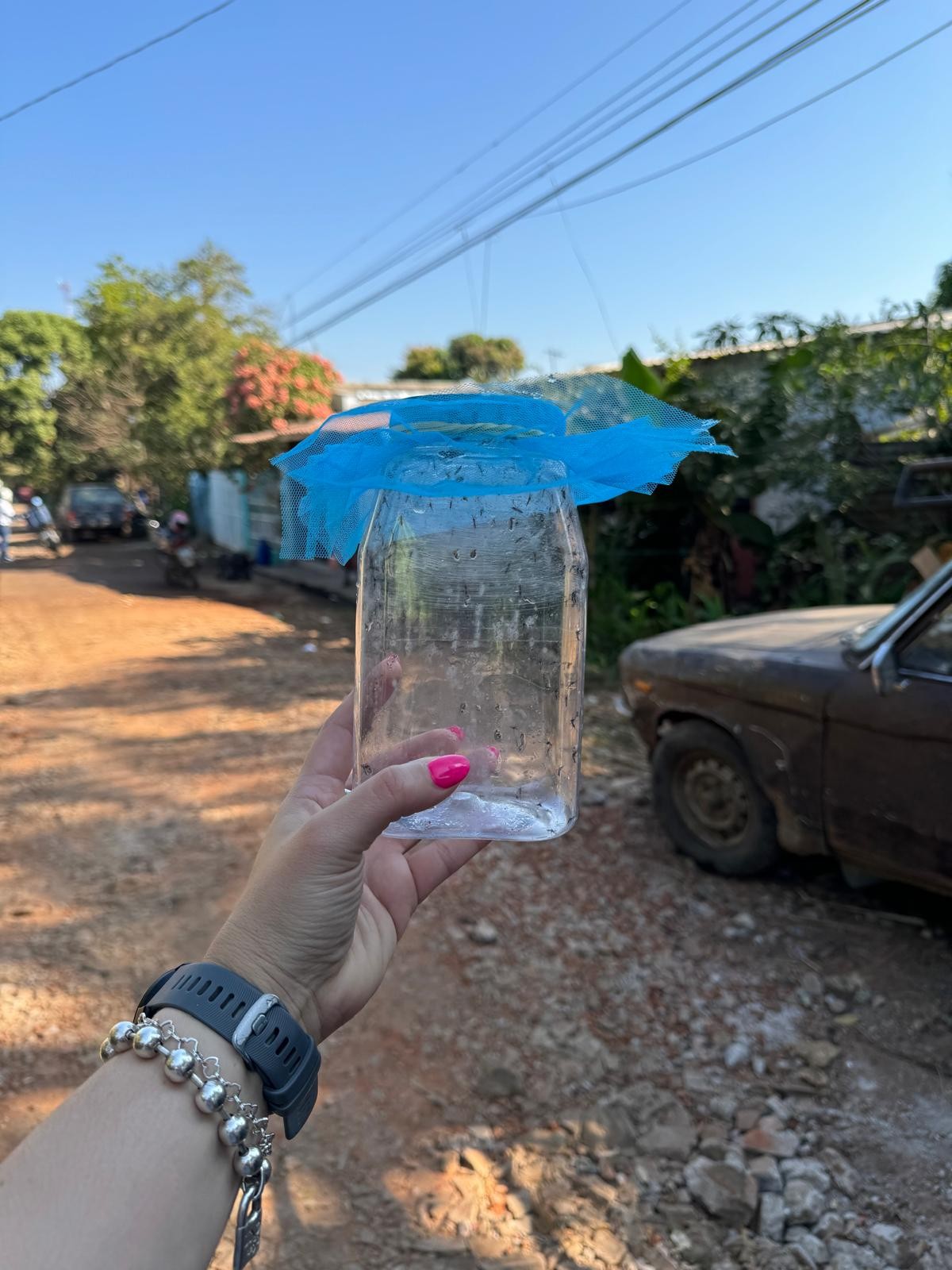
Julieanne Miranda Bermudez, Puerto Rico Vector Control Unit, Puerto Rico Science, Technology, and Research Trust
Evaluating genetically modified mosquitoes in the Pacific
Aedes aegypti are invasive mosquitoes in the Republic of the Marshall Islands (RMI). Through the years, frequent outbreaks of chikungunya, Zika, and dengue have overloaded the health system and caused hardships for local communities. After considering local challenges with traditional mosquito control methods, RMI's Ministry of Health and Human Services (MOHHS) launched the Man Nam Ne project in 2021 to evaluate if genetically modified mosquitoes could help reduce the risk of outbreaks.
A genetic modification was introduced into male mosquitoes that is passed on to future generations and causes female mosquitoes to die before reaching adulthood. This technique allows precise targeting of certain mosquito species, with no known effect on other mosquito species or risk of harm to people, animals, or other insects like pollinators.
After two years of releasing modified mosquitoes in smaller areas and subsequent releases across the entire project area, early data indicate nearly an 80% reduction in Ae. aegypti populations as of July 2026. Over time, regular releases of modified mosquitoes in large numbers should keep the target mosquito population low. Data also show that local residents generally support the project, likely helped by robust community engagement led by the MOHHS. Together, these results suggest this technique might be a promising tool mosquito control professionals could incorporate into their IMM approaches in other areas. Time—and more evaluation—will tell if there is a significant difference in the number of people sick with diseases spread by Ae. aegypti in RMI.
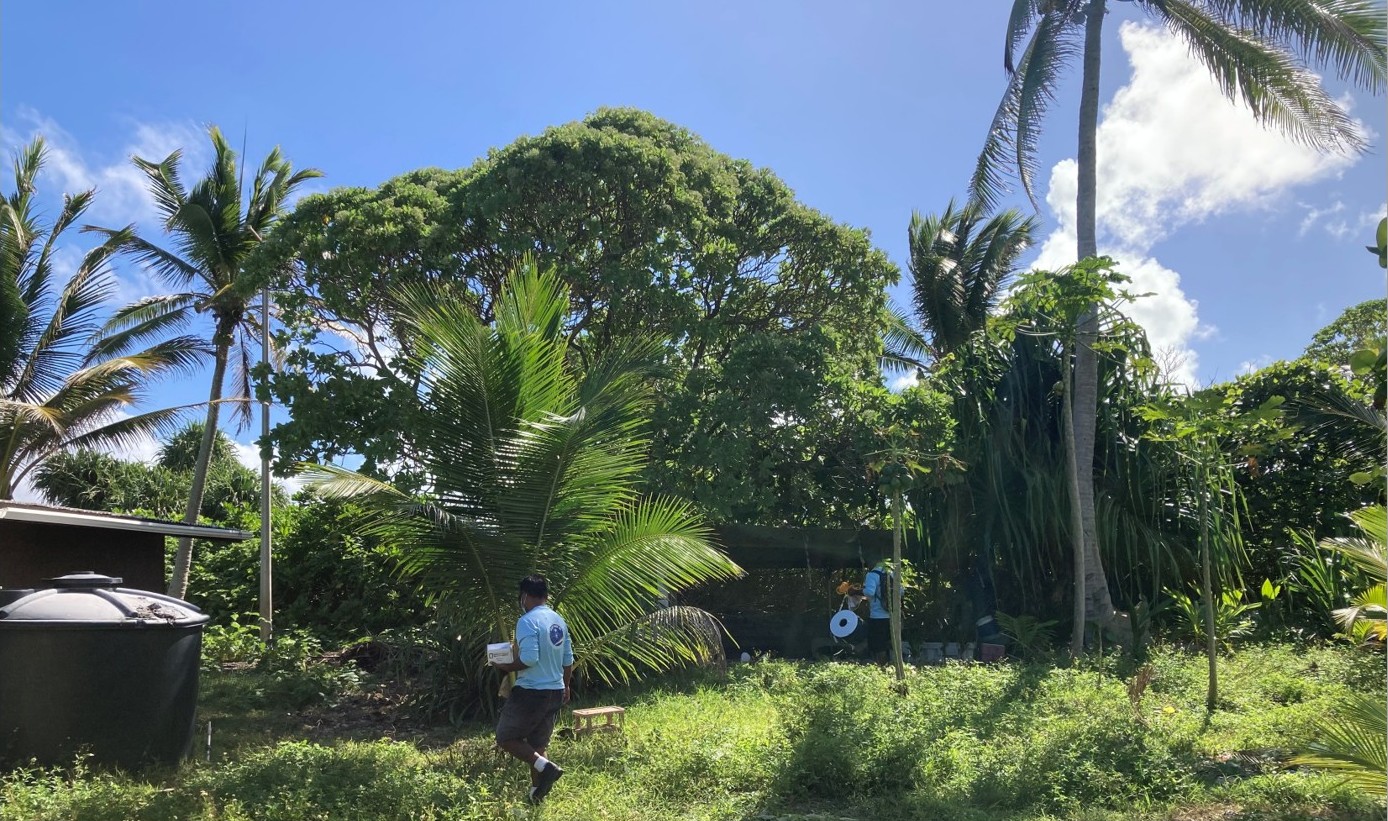
Anna Drexler, CDC
Drones vs. mosquitoes: efforts in Madagascar
Malaria cases across the world have increased despite ongoing efforts to control mosquitoes. In Madagascar, for example, insecticide-treated nets and indoor residual spraying are proving insufficient to stave off malaria cases. With insecticide resistance on the rise and too few effective preventions against outdoor mosquito bites, malaria cases continue to increase in Madagascar.
A few years ago, Madagascar's National Malaria Program (NMP) convened a coalition of partners, including CDC, to discuss and identify effective methods to control mosquitoes and prevent bites. The coalition identified rice fields, which function as stagnant freshwater wetlands, to be a major risk site for mosquito breeding and decided to apply larvicides. Some microbial larvicides can prevent mosquito larvae from developing into mosquitoes without disrupting the surrounding environment. However, distributing enough larvicide across the large areas of standing water made up by rice fields proved to be a challenge.
The project used drones as an efficient and easily monitored way of effectively distributing larvicide across rice fields. Early evaluation found that drone larviciding was well accepted by rice field owners, workers, and community members, and further study will evaluate the impact on mosquito populations and malaria.
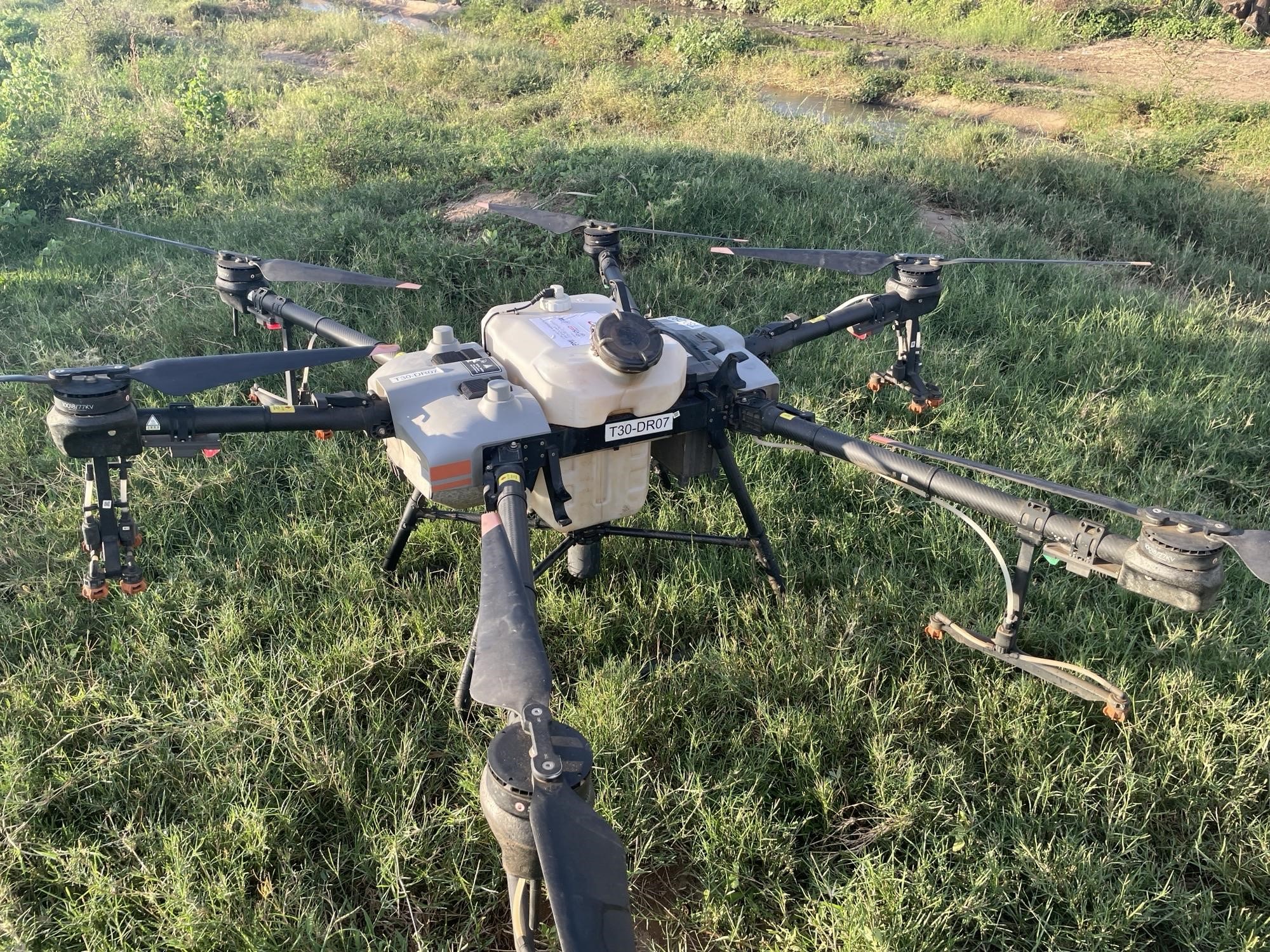
Sarah Zohdy, CDC
Lessons learned
There is no single solution for mosquito control. Combining traditional mosquito management with carefully evaluated innovative approaches that fit local needs and have community support to control mosquitoes and protect people from the diseases they spread. CDC is committed to strengthening preparedness at home and providing more tools to prevent mosquito-borne diseases and outbreaks.
This page was last updated on this date. Updates may include minor edits, image changes, or other modifications to page content.
The information on this page was last reviewed by subject matter experts to ensure accuracy.