



Key points
- Flu is a contagious respiratory illness caused by influenza viruses
- Flu can cause mild to severe illness. Some people are at higher risk for more serious flu illness.
- Most experts believe that influenza viruses spread mainly by droplets made when people with flu cough, sneeze, or talk
- Getting a flu vaccine has been shown to reduce the risk of flu and serious flu complications.
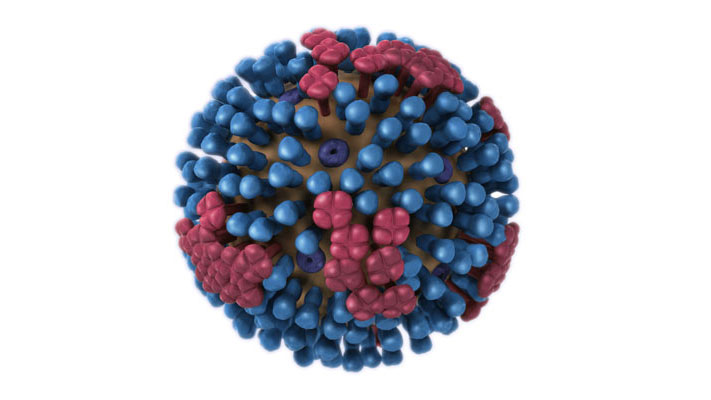
Understanding Influenza
Flu is a contagious respiratory illness caused by influenza viruses that infect tissues in the nose, throat, and sometimes the lungs. It can cause mild to severe illness, and at times can lead to death. Getting a flu vaccine has been shown to prevent flu and its severe complications. Flu vaccines are updated yearly.
Symptoms
Flu can cause mild to severe illness, and at times can lead to death. Flu symptoms usually come on suddenly. People who have flu often feel some or all of these signs and symptoms:
- fever* or feeling feverish/chills
- cough
- sore throat
- runny or stuffy nose
- muscle or body aches
- headaches
- fatigue (tiredness)
- some people may have vomiting and diarrhea, though this is more common in children than adults.
*It's important to note that not everyone with flu will have a fever.
Not everyone with flu has symptoms
Some people with influenza virus infections do not develop any symptoms at all. A household study conducted during the 2017-2023 flu seasons found that 8 percent of people who tested positive for flu did not have symptoms.
How long it takes for signs to show
Period of Contagiousness
You may be able to spread flu to someone else before you know you are sick, as well as when you have symptoms.
Studies have shown:
- People with flu are most contagious during the first three days of their illness.
- Some otherwise healthy adults may be able to infect others beginning one day before symptoms develop and five to seven days after becoming sick.
- Some people, including young children and people with weakened immune systems, may be contagious for longer periods of time.
Onset of Symptoms
The time from when a person is exposed and infected with influenza virus to when symptoms begin is about two days but can range from about one to four days.
People at risk
Anyone can get flu (including healthy people), and serious problems related to flu can happen to anyone, but some people are at higher risk of developing serious flu-related complications if they get sick. This includes people 65 years and older, people of any age with certain chronic medical conditions (such as asthma, diabetes, or heart disease), people with a body mass index (BMI) of 40 kg/m2 or higher, pregnant women, and children younger than 5 years, especially those younger than 2 years.
How it spreads
Most experts believe that flu viruses spread mainly by droplets made when people with flu cough, sneeze, or talk. These droplets can land in the mouths or noses of people who are nearby. Less often, a person might get flu by touching a surface or object that has Influenza virus on it and then touching their own mouth, nose or possibly their eyes.
Prevention
Flu vaccine has been shown to reduce the risk of flu-related illnesses and potentially serious flu complications that can result in hospitalization or even death. Flu vaccines are updated each year and annual vaccination is recommended. CDC also recommends other preventive actions (like staying away from people who are sick (distancing), covering coughs and sneezes, frequent handwashing, and taking steps for cleaner air) to help slow the spread of germs that cause respiratory (nose, throat, and lungs) illnesses like flu. More information is available about core and additional prevention strategies.
Quick facts
U.S annual flu infection rates
A 2018 CDC study published in Clinical Infectious Diseases looked at the percentage of the U.S. population who got sick with flu using two different methods and compared the findings. Both methods had similar findings, which suggested that on average, about 8 percent of the U.S. population gets sick from flu each season, with a range of between 3 percent and 11 percent, depending on the season.
Groups most likely to get sick from flu
The same CID study found that children are most likely to get sick from flu and that people 65 and older are least likely to get sick from flu. Median incidence values (or attack rate) by age group were 9.3% for children 0-17 years, 8.8% for adults 18-64 years, and 3.9% for adults 65 years and older. This means that children younger than 18 are more than twice as likely to develop a symptomatic influenza virus infection than adults 65 and older. The likelihood of getting sick with flu is different from the likelihood of getting very sick from flu.
Estimating seasonal flu incidence
The number of people infected with influenza viruses each season is estimated because not everyone seeks medical care or gets tested for flu. Statistical estimates are based on CDC-measured flu hospitalization rates that are adjusted to estimate the total number of influenza virus infections in the United States for a given flu season.
The estimates for the number of influenza virus infections are then divided by the census population to estimate how common influenza virus infections are in the population (called seasonal incidence or attack rate).
Flu seasonal severity and percent of population with flu
Complications of Flu
Complications of flu can include bacterial pneumonia, ear infections, sinus infections and worsening of chronic medical conditions, such as congestive heart failure, asthma, or diabetes.
Testing and diagnosis
It can be very difficult to tell flu apart from other viral or bacterial respiratory illnesses based on symptoms alone. There are tests available to diagnose flu.
Treating Flu
There are flu antiviral drugs that can be used to treat flu illness.
Resources
Influenza A viruses can be broken down into sub-types (A/H1N1 and A/H3N2) depending on the genes that make up the surface proteins of the viruses. Over the course of a flu season, different influenza virus types (A & B) and subtypes (only for influenza A) spread and cause illness.
- Types of Flu Viruses Influenza A and B viruses are responsible for seasonal flu epidemics more commonly known as the flu season.
- How Flu Viruses Can Change Influenza viruses can change in two different ways—antigenic drift and antigenic shift.
- Transmission of Flu Viruses from Animals to People Influenza A viruses also are found in many different animals, including ducks, chickens, pigs, horses, whales, and seals.
- Avian (Bird) Flu: Information on influenza viruses in birds
- Canine (Dog) Flu: Information on influenza viruses in dogs
- Swine (Pig)/Variant Flu: Information on influenza viruses in pigs and human infections with influenza viruses from pigs
- Pandemic Flu A flu pandemic is a global outbreak of a new influenza A virus. Learn more, including about past flu pandemics.
- Images of Flu Viruses Graphics of generic influenza viruses
- Human Serology and Flu CDC studies flu antibodies in people's blood to help improve seasonal flu vaccines and prepare against future flu pandemics.
- Antigenic Characterization of Flu Viruses CDC antigenically characterizes circulating influenza viruses each year to monitor for changes and to help inform flu vaccine composition recommendations.
- Flu Virus Genome Sequencing and Genetic Characterization CDC studies genetic changes in circulating influenza viruses to support public health objectives.
- Expanding Viral Genomic Sequencing Infrastructure in the U.S. Through a cooperative agreement with the Association for Public Health Laboratories, CDC provides funding and training to a network of state labs for them to do influenza sequencing.
- Advanced Molecular Detection (AMD) and Flu CDC's Advanced Molecular Detection (AMD) initiative uses new technology to study influenza viruses faster and in more detail than ever before.