



About
- The Clinical Drug Test Dashboard reports fentanyl, heroin, cocaine, and methamphetamine detected in clinical urine drug tests. Urine drug tests are ordered by clinicians as part of clinical care for patients diagnosed with a substance use disorder.
- Results from urine drug tests are analyzed quarterly. This data covers only a small number of people who use illegal drugs.
- The key findings on this page provide data insights across the four United States census regions from over 650,000 specimens tested during October 2024-December 2025.

What to know
On this page you'll see key findings from the CDC Clinical Drug Test Dashboard. Visit our dashboard page for an in-depth description of clinical urine drug test data in these analyses and its limitations.
The CDC Clinical Drug Test Dashboard analyzes clinical urine drug tests for fentanyl, heroin, cocaine, and methamphetamine conducted during October 2023-December 2025. Data are displayed by U.S. Census Regions and quarter (e.g., January – March). Fentanyl, cocaine, and methamphetamine are commonly involved in fatal overdoses in the U.S.
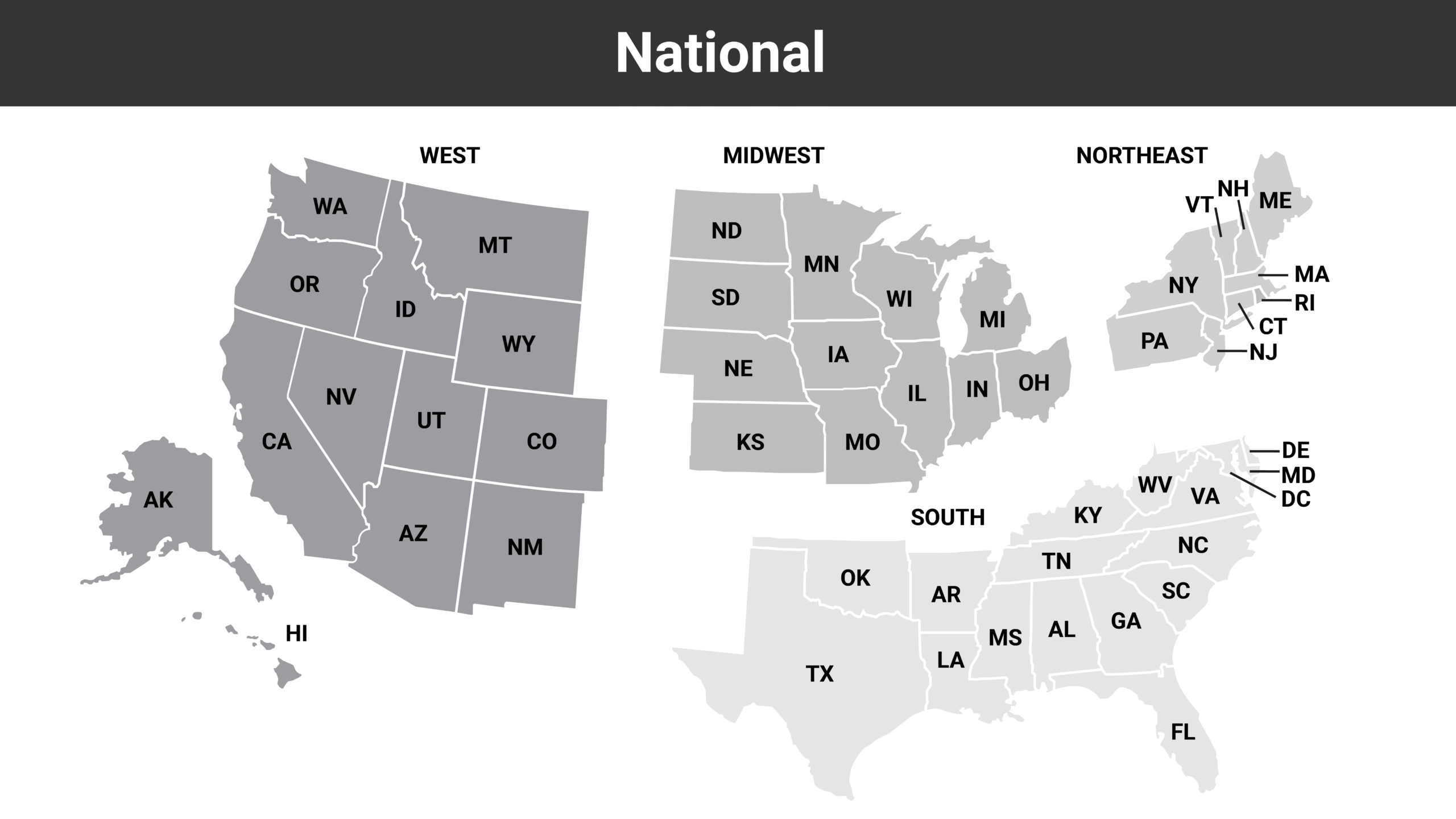
Findings are not generalizable to the U.S. because this is a convenience sample.A This data covers only a small number of people who use illegal drugs.
Fentanyl
Declined in the Midwest and South
Implication: Decreases in fentanyl detection in urine specimens is consistent with decreased use of illegally made fentanyl in the South and Midwest and historically is correlated with decreased overdose deaths involving synthetic opioids.1
Increased in the West
Implication: Illegally made fentanyl entered and began replacing heroin in the West later than other regions and may explain continued increases in fentanyl urine positivity in the West.23
Illegal stimulants commonly co-detected
Implication: This data is consistent with common co-use of fentanyl with illegal stimulants.4 Exposure to fentanyl with illegal stimulants increases overdose risks and complicates treatment.56
Heroin
Declined substantially
Implication: The substantial decline in the detection of heroin in urine specimens is consistent with fewer law enforcement seizures of heroin since 2020 and increased distribution of illegally made fentanyl.7
Detected less than fentanyl
Overall, heroin was detected much less frequently than fentanyl in urine specimens during October–December 2025 (2.6% vs. 12.8%).B
Implication: This finding is consistent with illegally made fentanyl surpassing heroin as the dominant illegal opioid distributed in the U.S.7
Cocaine
Increased in 2024, stabilized in 2025
Implication:
- This trend is consistent with cocaine use increasing in 2024 then staying about the same in 2025.
- Enhanced support may be needed to reduce stimulant misuse because stimulant use disorder has limited tailored interventions and the most effective intervention, contingency management,C is underused. 568
South: more often detected without illegal opioids
Implication:
- Findings suggest a shift towards use of cocaine without fentanyl or heroin in the South. Further investigation of factors driving this trend is needed such as people co-using fentanyl and cocaine moving to just using cocaine or new people using cocaine.
- Similar increases were reported for methamphetamine detections without fentanyl or heroin in the South. (See Methamphetamine findings).
Methamphetamine
Increased in the South, stable in the Midwest, Northeast, and West
Implication:
- The trends suggest stable use of methamphetamine in the Midwest, Northeast, and West, but highlight a concerning increase in the South.
- Enhanced support may be needed to reduce stimulant misuse because stimulant use disorder has limited tailored interventions and the most effective intervention, contingency management,C is underused. 568
South: more often detected without illegal opioids
Implication:
- Findings suggest a concerning increase in the use of methamphetamine without fentanyl or heroin in the South. Further investigation of factors driving this trend is needed such as people co-using fentanyl and methamphetamine moving to just using methamphetamine or new people using methamphetamine.
- Similar increases were reported for cocaine detections without fentanyl or heroin in the South (See cocaine findings).
- The urine drug test data are not representative of people using drugs in the U.S. or in specific census regions because the data are a convenience sample. First, the data only includes urine drug tests analyzed by one company, Millennium Health. Second, the data only includes urine drug tests from people with a substance use disorder under clinical care who receive a urine drug test. The percentage of people testing positive for fentanyl, heroin, cocaine, and/or methamphetamine should not be compared across regions due to differences in the types of patients tested across regions. For instance, higher percentages of specimens testing positive for fentanyl in the West versus Northeast does not mean fentanyl use is more common in the West. Patients characteristics such as age, sex, and the specialty of the submitting clinician (e.g., addiction medicine versus primary care physician) vary across region and may correlate with the severity of their substance use disorder or drug use patterns.
- Where 95% confidence intervals for drug positivity between two quarters do not overlap, the quarters are statistically different at p < 0.05. A conservative testing method was selected to reduce the likelihood of false positives and account for the large number of samples tested.
- Contingency management is a behavioral intervention that positively reinforces recovery-related behaviors (e.g., abstinence).
- Whitley P, LaRue L, Fernandez SA, Passik SD, Dawson E, Jackson RD. Analysis of Urine Drug Test Results From Substance Use Disorder Treatment Practices and Overdose Mortality Rates, 2013-2020. JAMA Netw Open. 2022 Jun 1;5(6):e2215425. doi: 10.1001/jamanetworkopen.2022.15425. PMID: 35657623; PMCID: PMC9166618.
- Pardo B, Taylor J, Caulkins JP, Kilmer B, Reuter P, Stein BD. The future of fentanyl and other synthetic opioids. Santa Monica, CA: Rand Corporation; 2019. https://www.rand.org/pubs/research_reports/RR3117.html.
- Tanz LJ, Stewart A, Gladden RM, Ko JY, Owens L, O'Donnell J. Detection of Illegally Manufactured Fentanyls and Carfentanil in Drug Overdose Deaths — United States, 2021–2024. MMWR Morb Mortal Wkly Rep 2024;73:1099–1105. DOI: http://dx.doi.org/10.15585/mmwr.mm7348a2
- Ciccarone D. The rise of illicit fentanyls, stimulants and the fourth wave of the opioid overdose crisis. Curr Opin Psychiatry. 2021; 34(4): 344–350. https://doi.org/10.1097/YCO.0000000000000717
- Centers for Disease Control and Prevention. A Stimulant Guide: Answers to Emerging Questions about Stimulants in the Context of the Overdose Epidemic in the United States. National Center for Injury Prevention and Control, Centers for Disease Control and Prevention, U.S. Department of Health and Human Services, 2022.
- Substance Abuse and Mental Health Services Administration. Treatment for Stimulant Use Disorders. Treatment Improvement Protocol (TIP) Series 33. SAMHSA Publication No. PEP21-02-01- 004. Rockville, MD: Substance Abuse and Mental Health Services Administration, 2021.
- Drug Enforcement Administration. 2025 national drug threat assessment. Washington, DC: US Department of Justice, Drug Enforcement Administration; 2025. https://www.dea.gov/documents/2025/2025-05/2025-05-13/national-drug-threat-assessment .
- Tanz LJ, Miller KD, Dinwiddie AT, et al. Drug Overdose Deaths Involving Stimulants ― United States, January 2018–June 2024. MMWR Morb Mortal Wkly Rep 2025;74:491–499. DOI: http://dx.doi.org/10.15585/mmwr.mm7432a1.