



Key points
- Many people infected with Zika virus will not have symptoms or will only have mild symptoms.
- Symptoms usually last for several days to a week.
- Zika infection during pregnancy can cause serious birth defects and is associated with other pregnancy problems.
- Rarely, Zika infection can cause Guillain-Barré syndrome (GBS) or severe disease affecting the brain.
Symptoms
Zika causes symptoms similar to other viral diseases spread through mosquito bites, like dengue and chikungunya. Many people infected with Zika virus will not have symptoms or will only have mild symptoms. The most common symptoms of Zika virus disease (Zika) are:
- Fever
- Rash
- Headache
- Joint pain
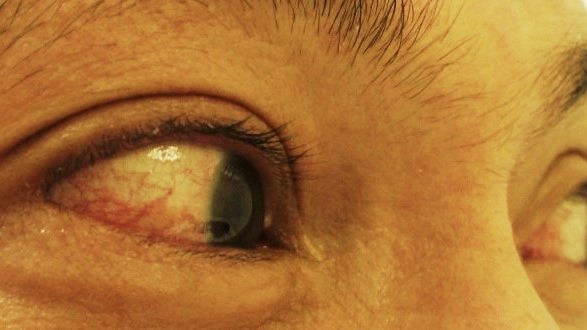
- Conjunctivitis (red eyes)
- Muscle pain

Zika symptoms usually last for several days to a week. People usually do not get sick enough to go to the hospital. For this reason, many people might not realize they have been infected.
People very rarely die of Zika.
Complications
Zika infection during pregnancy can cause serious birth defects and is associated with other pregnancy problems, including fetal loss, stillbirth and preterm birth.
Rarely, Zika infection may cause Guillain-Barré syndrome (GBS). GBS is a sickness in which a person’s own immune system damages their nerve cells causing muscle weakness and sometimes, paralysis. These symptoms can last a few weeks or several months. Most people fully recover from GBS, though some people have permanent damage. Very few people die from GBS caused by Zika infection.
In rare cases, Zika may cause severe disease affecting the brain, causing swelling of the brain (encephalitis), tissues around the brain (meningitis) or spinal cord (myelitis). Zika may also cause a blood disorder which can result in bleeding, bruising, or slow blood clotting.
This page was last updated on this date. Updates may include minor edits, image changes, or other modifications to page content.
The information on this page was last reviewed by subject matter experts to ensure accuracy.