



Highlights
- CDC’s community wastewater monitoring program supports tribes and regional tribal organizations build wastewater monitoring awareness, infrastructure, and expertise to strengthen the public health of their communities.
- Wastewater data have been used to optimize timing and prioritization of new tools to prevent severe respiratory syncytial virus (RSV) disease in infants and some young children in rural communities.
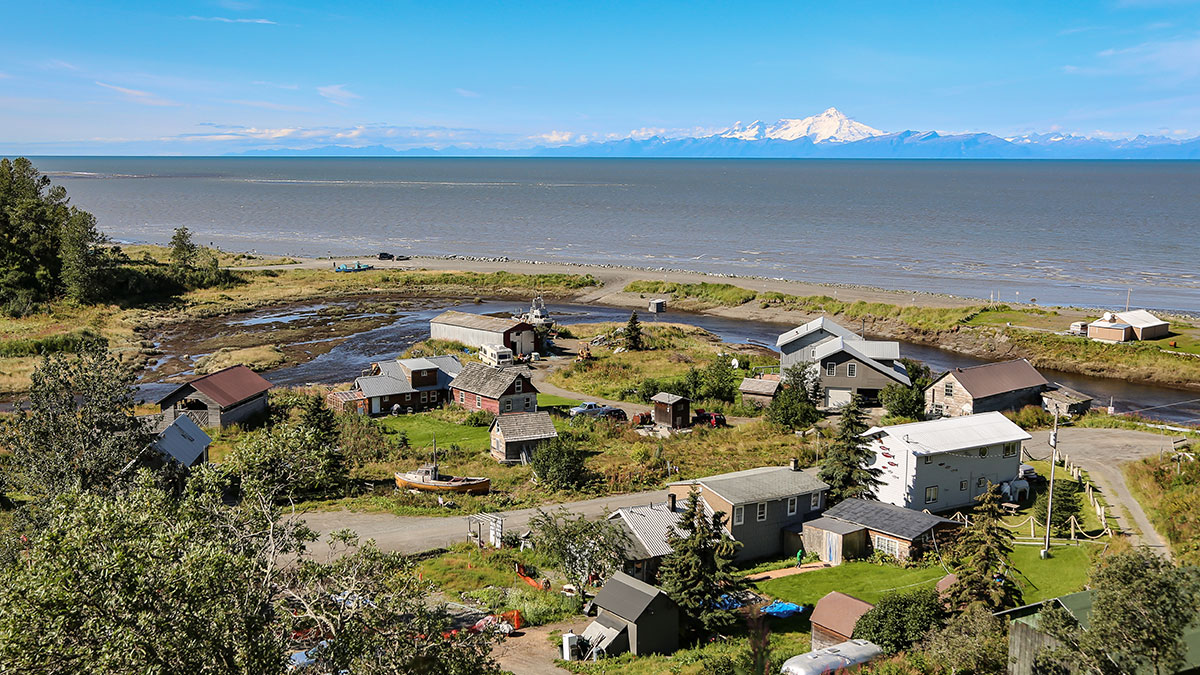
Building wastewater monitoring in Alaska
The Yukon-Kuskokwim Health Corporation (YKHC) is a tribal non-profit healthcare organization serving 49 villages in southwestern Alaska. Many of these communities are remote and have small populations. Bethel, the largest of these with approximately 6,500 residents, serves as a hub for smaller surrounding villages.
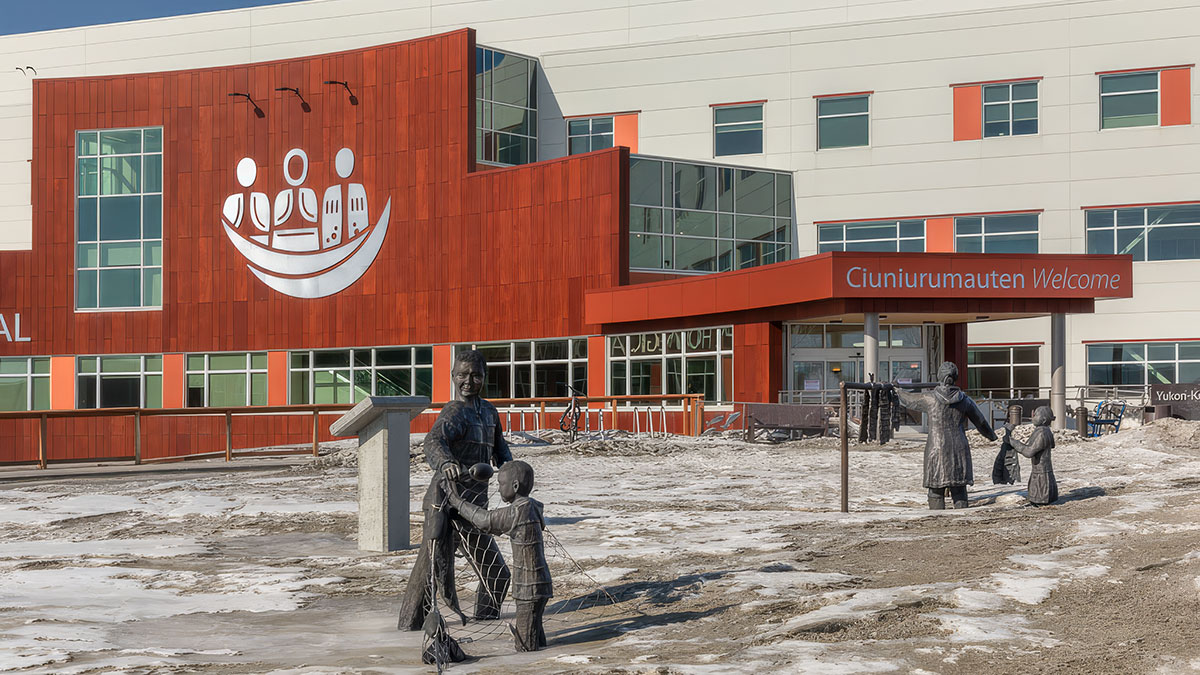
In 2022, CDC's community wastewater monitoring program began working with YKHC through a tribal cooperative agreement, supporting YKHC's existing wastewater monitoring efforts. YKHC used an innovative approach to wastewater testing: deploying on-site equipment, adapting it for extreme cold, and refining sampling methods to deliver fast, reliable data for their community. YKHC began monitoring wastewater in Bethel using field deployable digital testing devices, which allow the community to conduct sampling and testing on site. These devices eliminate the need to transport samples to larger laboratories, which can be challenging for this remote community.
Local health officials use wastewater data to complement clinical surveillance data and help inform when and how to prioritize interventions (like vaccines and long-lasting antibodies) when resources are limited. They also share data with local healthcare providers on which infections may be spreading in the community, supporting conversations with patients about testing or precautions they can take.
Optimizing RSV antibody timing
Long-lasting monoclonal antibodies are available to prevent severe RSV disease in infants and some young children at increased risk for severe RSV. In the fall of 2023, YKHC reviewed wastewater data to understand the onset of RSV season.
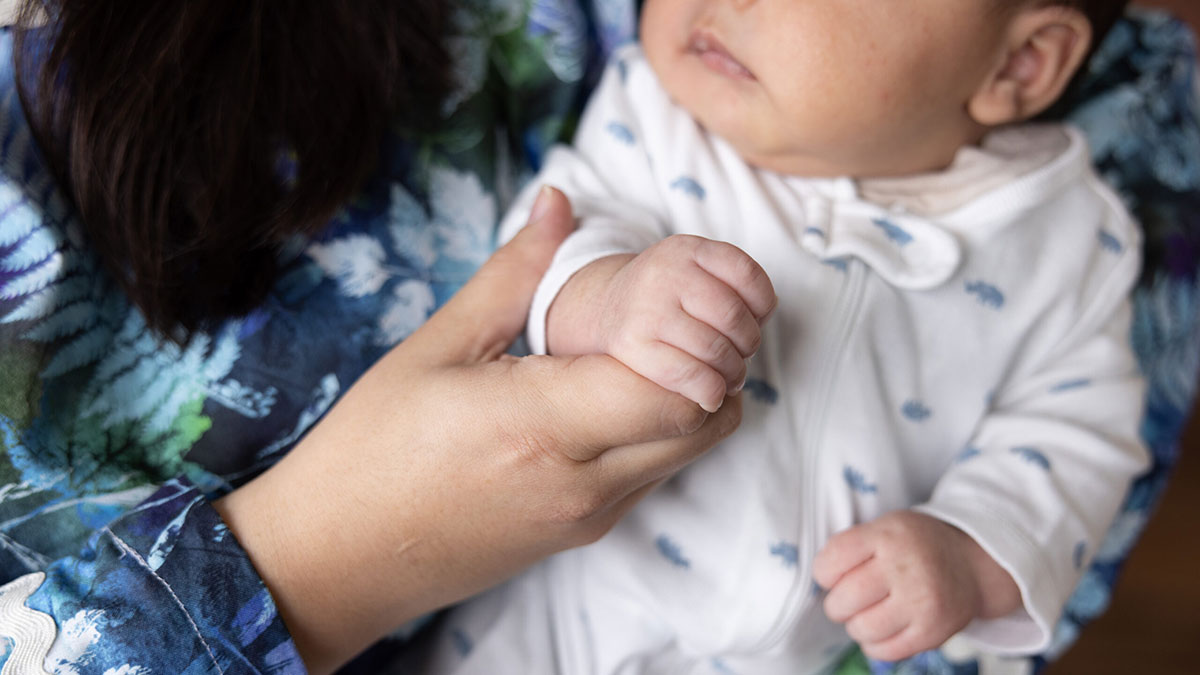
In Alaska, the start of the RSV season varies, and RSV season can last much longer than in other parts of the United States. Additionally, rates of RSV are typically higher among Alaska Native peoples than among non-Alaska Native people in Alaska, and rates of RSV-related hospitalization of Alaska Native children are two to seven times higher than for other children in the United States. 12
RSV signals detected in wastewater have generally provided a 1-week lead time ahead of positive clinical cases.3At the start of the 2023-2024 season, wastewater provided a signal nearly 2 weeks before the first reported RSV case in a community with historically high RSV hospitalization rates. These data provided support for YKHC’s efforts to secure additional supplies of RSV antibodies to prevent severe illness in infants and some young children. YKHC also regularly provided updates to healthcare providers and the community about wastewater levels of RSV in their area to inform decision-making.
Learn more about RSV in Alaska Native infants.
This page was last updated on this date. Updates may include minor edits, image changes, or other modifications to page content.
The information on this page was last reviewed by subject matter experts to ensure accuracy.
- Atwell JE, Hartman RM, Parker D, Taylor K, Brown LB, Sandoval M, et al. RSV among American Indian and Alaska Native children: 2019 to 2020. Pediatrics 2023; 152(2): e2022060435.
- Bruden DJT, Singleton R, Hawk CS, Bulkow LR, Bentley S, Anderson LJ, et al. Eighteen years of respiratory syncytial virus surveillance. Pediatr Infect Dis J 2015; 34(9): 945-950.
- Lefferts B, Leary A, Bruden D, Blake I, Richman C, Sixberry S, et al. Wastewater respiratory virus surveillance in remote community, Alaska, USA, 2022-2024. Emerg Infect Dis 2026; 32(13).