



What to know
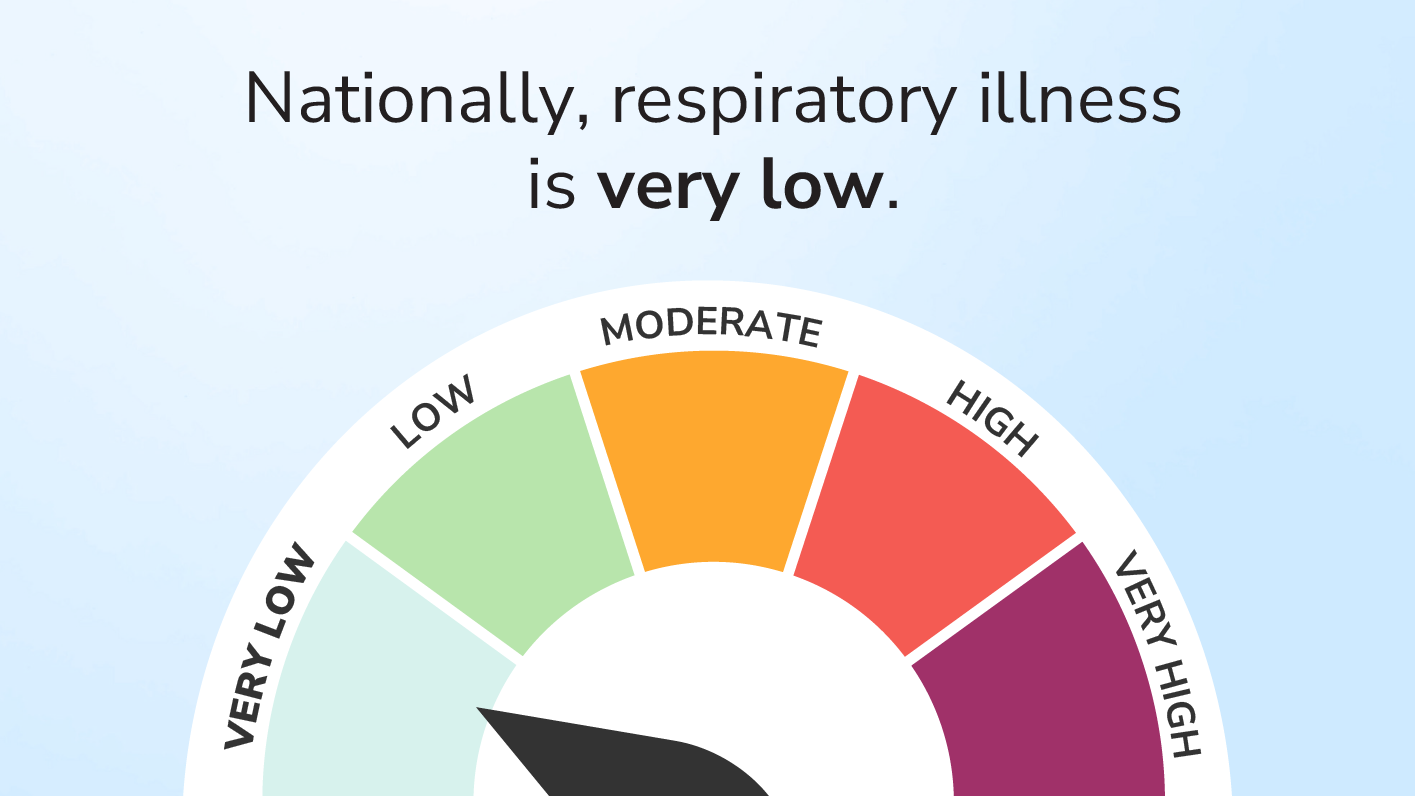
- As of September 25, 2026, the amount of acute respiratory illness causing people to seek health care is very low.
- COVID-19 activity remains elevated but is declining nationally. COVID-19 hospitalizations remain low.
- Rhinovirus/Enterovirus (RV/EV) and group A strep are increasing nationally.
- RSV activity is very low.
- Seasonal flu activity is low.
Season Outlook
CDC expects the 2026-2027 respiratory illness season to be much like last season. COVID-19, flu, and RSV are projected to cause about the same number of peak hospitalizations this fall and winter. CDC will update this outlook if there are changes.
COVID-19 cases increased in some areas of the country over the summer, which could shift the timing or size of this season's wave, though hospitalizations are projected to peak at similar levels to past years. Flu remains low in the U.S., with no signs pointing to a worse season. RSV activity is very low nationwide, but last season's RSV peak came later than usual.
Read more: 2026-2027 Respiratory Disease Season Outlook | CFA: Qualitative Assessments | CDC
Protect yourself and your community
- Explore resources and recommendations for older adults - Stay informed and protected
- Review tailored health recommendations for high-risk individuals
- Feeling ill? Take immediate steps to protect yourself and others – Start here
- Have symptoms? Consider wearing a mask
- Take action against germs – Practice good hygiene
Continue exploring these data



Explore related data
Anticipated trends for COVID-19 infections, based on modeling, are displayed at the national and state levels.
Wastewater (sewage) data specific to SARS-CoV-2, the virus that causes COVID-19, are displayed at the national, regional, and state levels. These data can provide an early signal of changes in infection levels.
COVID-19 variants and genomic surveillance data are displayed for the nation.
Nursing home data on vaccinations, cases, and hospitalizations for COVID-19, flu, and RSV are displayed at the national and state levels.
This page was last updated on this date. Updates may include minor edits, image changes, or other modifications to page content.
The information on this page was last reviewed by subject matter experts to ensure accuracy.