



What to know
- As of April 3, 2026, the amount of acute respiratory illness causing people to seek health care is low.
- RSV activity started later than expected in most regions of the United States, though illness is not more severe compared with recent seasons. This unusual timing means higher levels of RSV activity may continue into April in many regions. Emergency department visits and hospitalizations for RSV are highest among infants and children less than 4 years old.
- COVID-19 activity is low in most areas of the country.
- Seasonal influenza activity continues to decrease in most areas of the country. Influenza A activity is low across all regions while trends in influenza B activity vary by region.
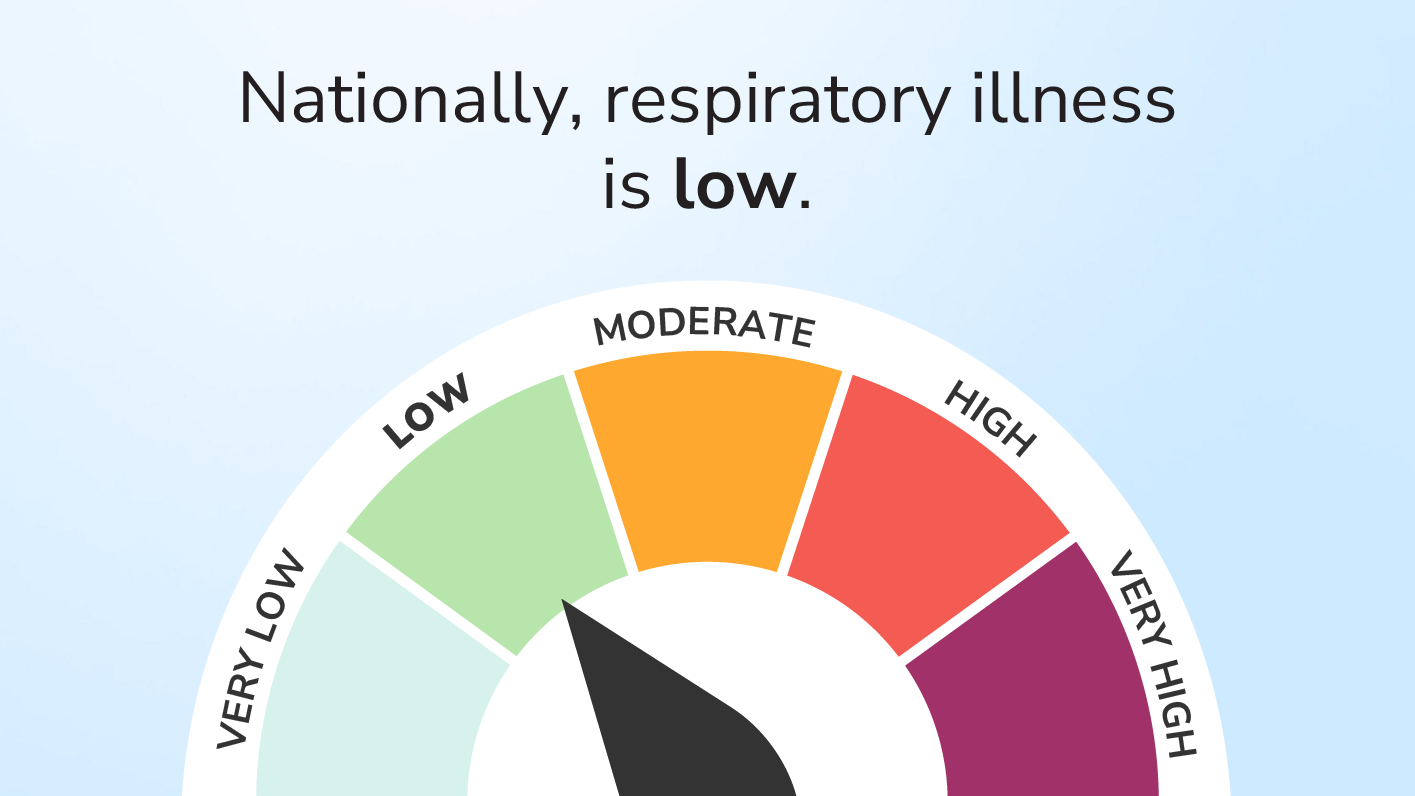
Season Outlook
CDC assesses that the season’s highest number of combined peak hospitalizations due to COVID-19, influenza, and RSV to date occurred during the week ending January 3, 2026. This is within 20% of the combined peak number of hospitalizations last season and consistent with the outlook published prior to the beginning of the respiratory disease season. CDC will continue to monitor respiratory diseases and update this outlook if warranted but does not anticipate producing additional outlook updates during the remainder of the 2025-2026 respiratory season. Read more: 2025-2026 Respiratory Disease Season Outlook – March Update | CFA: Qualitative Assessments | CDC
Protect yourself and your community
- Explore resources and recommendations for older adults - Stay informed and protected
- Review tailored health recommendations for high-risk individuals
- Feeling ill? Take immediate steps to protect yourself and others – Start here
- Have symptoms? Consider wearing a mask
- Take action against germs – Practice good hygiene
Continue exploring these data


Explore related data
Anticipated trends for COVID-19 infections, based on modeling, are displayed at the national and state levels.
Wastewater (sewage) data specific to SARS-CoV-2, the virus that causes COVID-19, are displayed at the national, regional, and state levels. These data can provide an early signal of changes in infection levels.
COVID-19 variants and genomic surveillance data are displayed for the nation.
Nursing home data on vaccinations, cases, and hospitalizations for COVID-19, flu, and RSV are displayed at the national and state levels.