


At a glance
eNews is the monthly newsletter of the National Institute for Occupational Safety and Health (NIOSH). Each month includes an update from NIOSH Director Dr. John Howard, featured NIOSH research, new worker safety and health resources, upcoming meetings, and more!
From the Director's Desk
John Howard, M.D., Director, NIOSH
From Ship to Shore: NIOSH Research Powers Safer Jobs in America's Maritime Industries
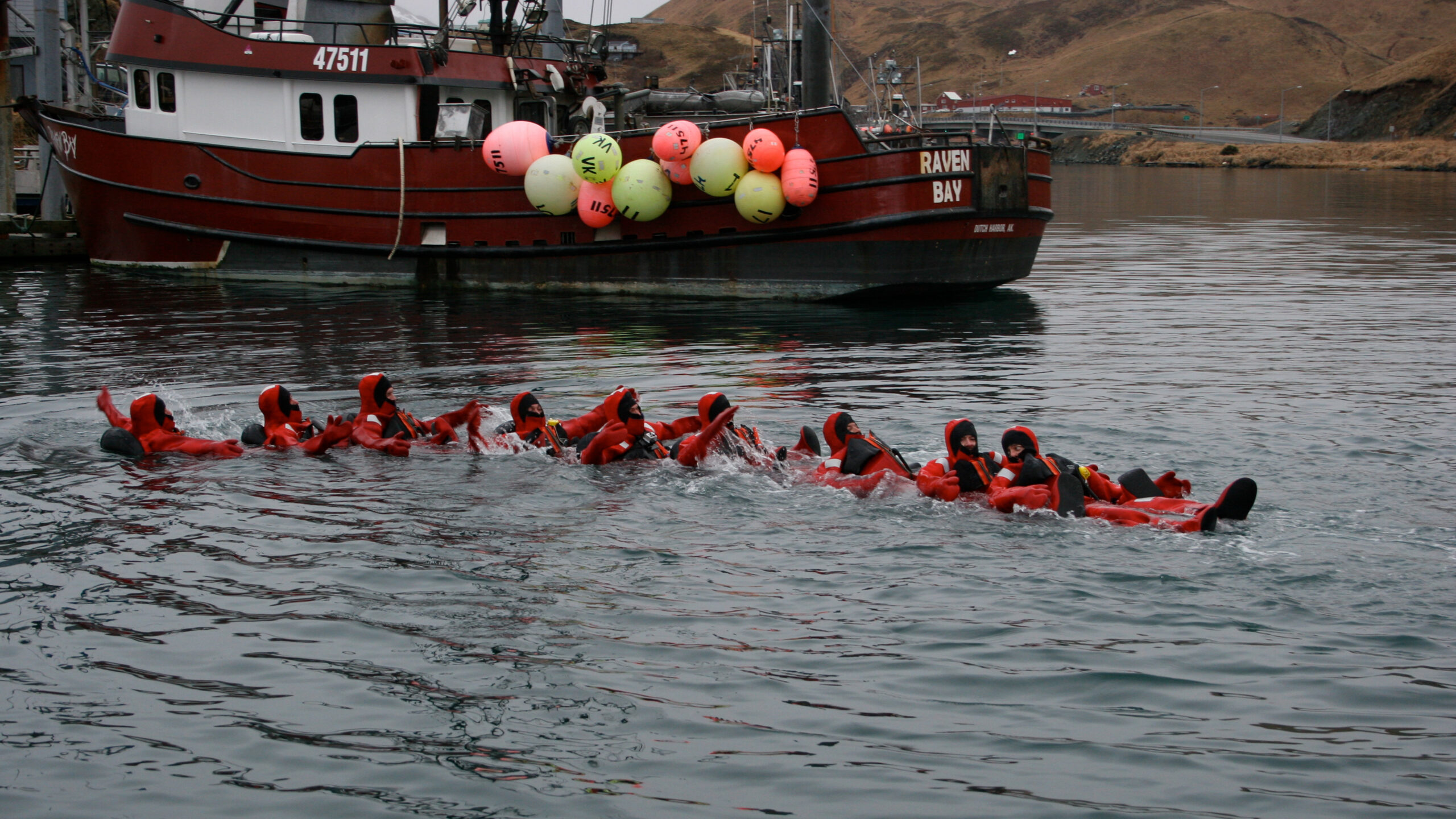
The maritime industries employ over 400,000 people in the United States who deliver consumer goods, fuel, and food to ports around the country. They keep the economic engine of the country running smoothly. These critical workers encounter a variety of hazards every day in workplaces ranging from 600-foot-long container ships to 18-foot-long fishing skiffs.
People working in this sector have a higher risk of workplace injury and death than the average U.S. worker. Protecting their health and safety is essential to achieving the goals set by recent administration priorities in the maritime and commercial fishing industries.
NIOSH is well positioned to support these priorities through the Center for Maritime Safety and Health Studies. Established in 2016, the center promotes safety and health for all maritime workers, including those employed on vessels, at waterfront facilities, and on shore. The center directly supports marine operations through its core activities:
- Conducting research to identify and reduce hazards.
- Building partnerships with industry and other groups to conduct collaborative research.
- Promoting relevant solutions to pressing maritime safety and health hazards.
Three areas of current research in the center are commercial fishing, seafood processing, and shipyard safety and health.
NIOSH commercial fishing research goes back over 35 years. NIOSH manages the Commercial Fishing Incident Database to analyze nationwide fatality data and identify fishery-specific hazards for research and intervention. Currently, through a memorandum of understanding with the U.S. Coast Guard, NIOSH is updating and modernizing the database to make it more efficient.
Partners
Through collaboration with industry partners, NIOSH researchers address vessel disasters, deck safety hazards, and fall overboard hazards in fisheries across the United States.
Additionally, NIOSH is studying immersion suits, which are the red survival suits used to protect maritime workers from cold water. Researchers are investigating how materials used in the suits degrade. This will help determine appropriate end-of-service dates for older suits, ensuring they function as intended when needed.
Once the catch comes ashore, thousands of seafood processing workers transform the fish and shellfish into consumer-ready products such as fillets, fish sticks, animal feed, and fertilizer. From processing to packaging and transportation, these workers handle millions of pounds of products every year.
NIOSH is working with seafood processing companies to protect this workforce. Focus areas include improving ergonomics in processing plants, overcoming language barriers in the multilingual workforce, and addressing fatigue from long work hours during the rush periods of seasonal fisheries.
Prevention Through Design
One of the best ways to improve the safety of the fishermen and mariners is to improve the design and maintenance of their workplaces—ships. NIOSH has produced engineering solutions, such as emergency stops and retrofit guarding for deck winches to prevent entanglements. These solutions implement prevention through design principles to provide safer equipment and prevent injuries from happening.
NIOSH researchers are also working with shipyard partners nationwide to assess the safety and health impact of new coating removal technologies—atmospheric plasma, heat induction, and cold spray methods. These technologies reduce noise and vibration hazards found in traditional paint removal processes. NIOSH research is now determining what, if any, hazards these new methods may introduce.
The waters around the country are a vibrant and dynamic workplace for thousands of people every day. NIOSH research helps to keep them safe, healthy, and productive on the water and at the dock.
To get involved, reach out to the Center for Maritime Safety and Health Studies at cmshs@cdc.gov.
Research Rounds
Disinfecting Wipes and Barrier Resistance of Protective Clothing
By F. Selcen Kilinc-Balci, NIOSH; Patrick L. Yorio, CDC; Zafer Kahveci, NIOSH; and Christian Coby, NIOSH
Why is this study important?
Healthcare and laboratory workers rely on protective clothing such as gowns and coveralls to prevent exposure to contaminated fluids. During public health emergencies like the COVID-19 pandemic, shortages of personal protective equipment may lead to extended use, limited reuse, and cleaning with disinfecting wipes. Wipes may also be used for spot cleaning when changing protective clothing is not possible or before clothing removal. Since it was unknown how wipes affected protective clothing's resistance to liquids, this study measured the effects in a controlled laboratory setting.
How did you do the study?
We tested nine models of protective clothing made of various fabrics and constructions for their resistance to liquids after wiping. We tested 10 samples of each model before and after wiping them with pre-moistened disinfecting wipes containing chemicals called quaternary ammonium compounds, with and without alcohol. Unwiped samples served as controls. We evaluated liquid barrier resistance using two different test methods, both immediately after wiping and after the samples dried.
What did you find?
The resistance to liquids decreased after using the wipes on most of the fabrics tested. The only fabrics that maintained a similar level of resistance after wiping were those with plastic-like surfaces, such as fabrics with laminate or polyethylene reinforcement. Effects varied by fabric and wipe type and drying generally did not restore the original resistance. These findings suggest caution when using disinfecting wipes on protective clothing in situations requiring maximum liquid protection.
What are the next steps?
Additional testing could include different types of wipes, especially those containing bleach or hydrogen peroxide. Further research is needed on other kinds of personal protective equipment and on repeated wiping. Workers should consult protective clothing manufacturers before using disinfecting wipes.
Highlights
Nominations Open for World Trade Center Health Program Scientific/Technical Advisory Committee
The Administrator of the World Trade Center Health Program is now seeking nominations for members to join the Scientific/Technical Advisory Committee. Nominees are being sought in the following categories: occupational physician, environmental medicine/environmental health professional, and representative of World Trade Center responders. Appointments are for up to 4 years. Nominations must be received by November 13, and self-nominations are acceptable. See the full Federal Register Notice for more information.
NIOSH Highlights Resources for First Responders
In recognition of National First Responders Day, NIOSH published two new Science Bulletins highlighting NIOSH resources to support these workers and programs dedicated to responder safety: Thank You for Showing Up First and Clearing the Runway for Safer Airport Firefighters. National First Responders Day, observed on October 28, honors the firefighters, police officers, emergency medical service clinicians, and other responders who answer the call to keep communities safe.
New Firefighter Workers' Compensation Claims Dashboard
A new NIOSH dashboard illustrates the costs of workers' compensation claims among Ohio firefighters from 2001 to 2020. Firefighters face many occupational hazards that may result in injuries and illnesses.
Federal Register Notices
Proposed Data Collection Submitted for Public Comment and Recommendations: Health Hazard Evaluations/Technical Assistance and Emerging Problems
The notice was posted on June 18. Comments must be received by November 13.
Proposed Data Collection Submitted for Public Comment and Recommendations: Respiratory Protective Devices—42 CFR 84
The notice was posted on October 5. Comments must be received by December 4.
New Communication Products
Fire Fighter Fatality Investigation and Prevention Program Reports
- Firefighter-Paramedic Stabbed by Patient during Involuntary Commitment Transport – Ohio (Report Slides)
Health Hazard Evaluation Program Reports
- Evaluation of Health Symptoms and Conditions Among Employees at a Fire Station
- Evaluation of Cancer Concerns Among Employees at a Hospital
Mining Reports
NIOSH Science Bulletins




News From Our Partners
New Guide Supports Tribal Worker Safety Partnerships
The Council of State and Territorial Epidemiologists (CSTE) Occupational Health Subcommittee collaborated with NIOSH to develop a guide for state health programs partnering with Tribal Nations on worker safety. The How-to-Guide for State Occupational Health Programs to Work With Tribal Nations offers resources to help state officials address the unique occupational health challenges facing American Indian and Alaska Native workers. Building on NIOSH's existing American Indian and Alaska Native Worker Strategic Plan and the CSTE Tribal Epidemiology Toolkit, the guide helps state health programs navigate legal issues and build stronger, more respectful partnerships with Tribal Nations.
Wasping: An Emerging Occupational Hazard
Michigan's pesticide surveillance program recently published an article in the Journal of Occupational and Environmental Medicine describing "wasping." Between 2023 and 2025, five correctional officers and nine incarcerated persons at Michigan facilities were treated at hospitals or emergency departments after exposure to the smoke, and one incarcerated person died. The authors recommend that correctional facilities consider secondhand pyrethroid exposure in job hazard analyses for correctional workers. This program is funded by NIOSH.
New Commentary: Why Agricultural Safety Progress Has Stalled
A new commentary in the Journal of Agromedicine asks why agricultural injury and fatality rates remain high despite decades of research, education, and outreach. The authors recommend making greater use of implementation science and asking farming communities directly what kinds of support would help them. Authors include researchers connected to NIOSH-funded Centers for Agricultural Safety and Health.
OSHA Webinar: Passport to Safety and Health Training – Warehouse Safety
Join the Occupational Safety and Health Administration (OSHA) on Tuesday, November 17, at 2 p.m. (ET) for a webinar on warehouse safety and health. Participants will learn practical strategies to identify workplace hazards, implement effective controls, and prevent injuries and illnesses. Topics include powered industrial truck safety, ergonomic material handling, chemical exposures, thermal stressors, and OSHA's Cooperative Programs resources. Register for the webinar to learn more.
This page was last updated on this date. Updates may include minor edits, image changes, or other modifications to page content.
The information on this page was last reviewed by subject matter experts to ensure accuracy.