



Key points
- Symptoms of food poisoning depend on the type of germ you swallowed.
- The most common symptoms include diarrhea, stomach pain or cramps, nausea, vomiting, and fever.
- Severe food poisoning can cause bloody diarrhea, diarrhea that lasts more than 3 days, fever over 102°F, frequent vomiting, and dehydration.
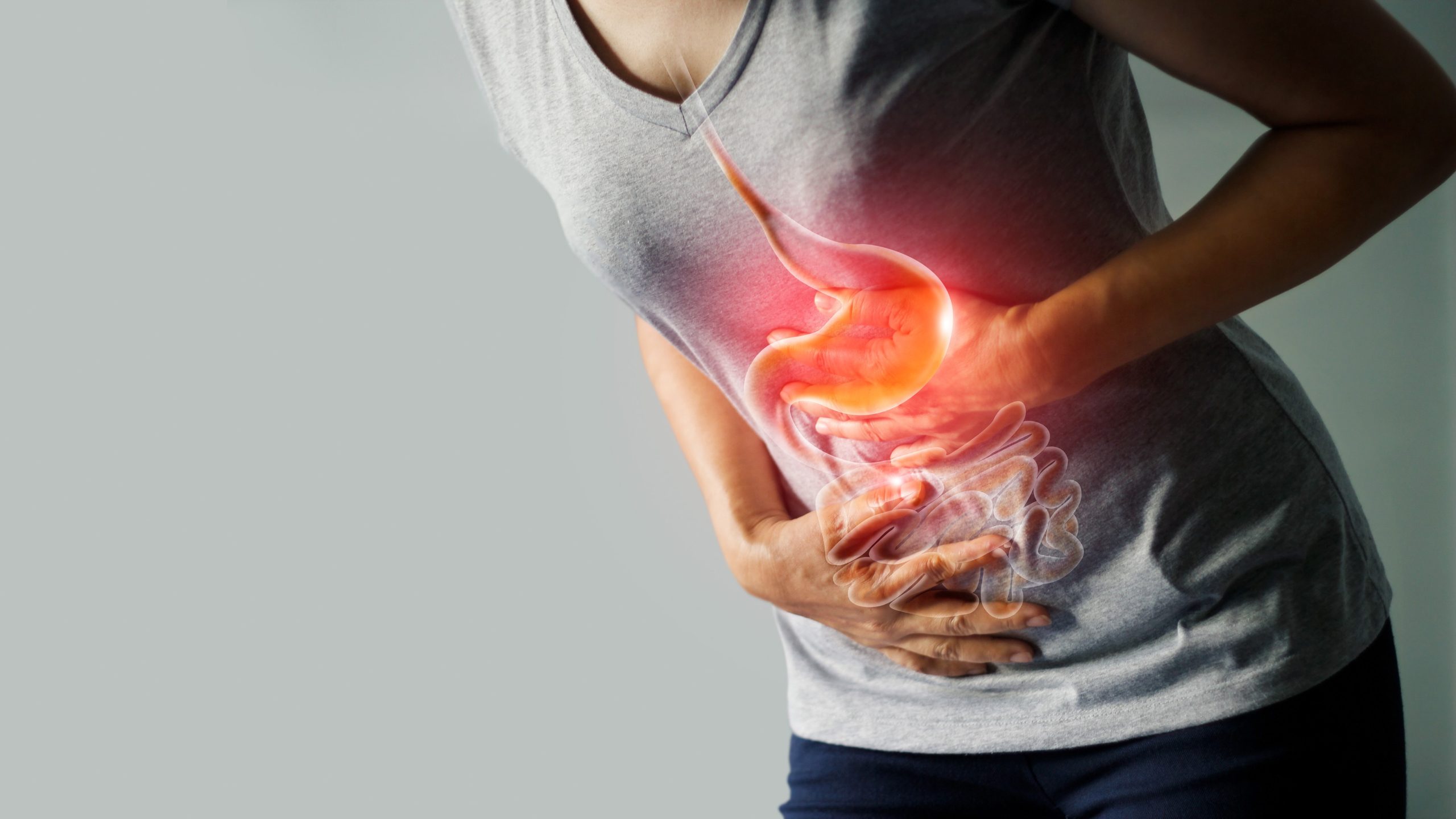
Symptoms
You can get sick with food poisoning after swallowing certain germs, like Salmonella or E. coli. Your symptoms may vary, depending on the germ you swallowed. Symptoms can range from mild to serious and can last for a few hours or several days. Some germs can make you sick within a few hours after you swallow them. Others may take a few days to make you sick.
The most common symptoms of food poisoning are:
- Diarrhea
- Stomach pain or cramps
- Nausea
- Vomiting
- Fever
If you have diarrhea or vomiting, be sure to drink plenty of fluids to prevent dehydration (not having enough water in your body).
Complications and when to seek help
Seek help
See a doctor if you have any symptoms that are severe, including:
- Bloody diarrhea
- Diarrhea that lasts more than 3 days
- High fever (temperature over 102°F)
- Vomiting so often that you cannot keep liquids down
- Signs of dehydration, which include not urinating (peeing) much, a dry mouth and throat, and/or feeling dizzy when standing up
If you are pregnant
Complications
Most people have mild illnesses, but some infections spread by food are serious or even life-threatening. Some people may need to be hospitalized, and some illnesses lead to other health problems, including:
- Meningitis
- Kidney damage
- Hemolytic uremic syndrome (HUS), which can cause kidney failure
- Arthritis
- Brain and nerve damage
For some people, these health problems can last for weeks or months after recovering from a foodborne illness. For others, they never go away.
Symptoms by germ
Some germs can make you sick within a few hours after you swallow them. Others may take a few days to make you sick. This table provides details about the symptoms caused by different germs, when they usually start, and common sources for those germs. Search the table for symptoms you are having.
Germ
Symptoms and when they start
Common sources
Staphylococcus aureus (Staph food poisoning)
Nausea, vomiting, stomach cramps, diarrhea
30 minutes to 8 hours
Foods that are not cooked after handling, such as sliced meats, puddings, pastries, and sandwiches
Watery diarrhea, nausea, stomach cramps, vomiting, fever, chills
Within 24 hours
Raw or undercooked shellfish, particularly oysters
Diarrhea, stomach cramps that last for less than 24 hours
Vomiting and fever are not common
6 to 24 hours
Meat, poultry, gravies, and other foods cooked in large batches and held at an unsafe temperature
Diarrhea (can be bloody), fever, stomach cramps, vomiting
6 hours to 6 days
Raw or undercooked chicken, turkey, and other meats; eggs;
unpasteurized (raw) milk and juice; raw fruits and vegetables; many animals, including backyard poultry, reptiles and amphibians, and small mammals
Diarrhea, vomiting, nausea, stomach pain
Fever, headache, and body aches are also possible
12 to 48 hours
Leafy greens, fresh fruits, shellfish (such as raw oysters), contaminated water, infected people, touching surfaces that have the virus on them
Difficulty swallowing, muscle weakness, double or blurred vision, drooping eyelids, slurred speech, and difficulty moving eyes
Symptoms start in the head and move down as the illness gets worse
18 to 36 hours
Improperly canned or
fermented foods, homemade homemade alcohol (pruno)
Diarrhea (often bloody), fever, stomach cramps
2 to 5 days
Raw or undercooked poultry, raw (unpasteurized) milk, contaminated water, pets (including cats and dogs)
Severe stomach cramps, diarrhea (often bloody), vomiting
Long-term effects: Around 5–10% of people diagnosed with E. coli develop a life-threatening health problem called hemolytic uremic syndrome
3 to 4 days
Raw or undercooked ground beef, raw (unpasteurized) milk and juice, raw vegetables (such as lettuce), raw sprouts, and contaminated water
Watery diarrhea, loss of appetite, weight loss, stomach cramps, bloating, increased gas, nausea, fatigue
1 week
Raw fruits or vegetables and herbs
Listeria (invasive illness)
Fever and flu-like symptoms (such as muscle aches and fatigue), headache, stiff neck, confusion, loss of balance, and seizures
Pregnant women: Infections during pregnancy can lead to miscarriage, stillbirth, premature delivery, or life-threatening infection of the newborn. Call the doctor right away if you have a fever and feel more tired and achy than usual.
2 weeks