




See clinical urine drug test data for adult patients diagnosed with a substance use disorder.

Browse our collection of Overdose Resource Exchange materials.
View fatal and nonfatal overdose data dashboards, and pharmacy dispensing rate maps.
Drug use and mental health challenges are connected. Discover tools to support teens and parents.
For Health Care Professionals

Resources for health care providers on pain management, opioids, and opioid use disorder.
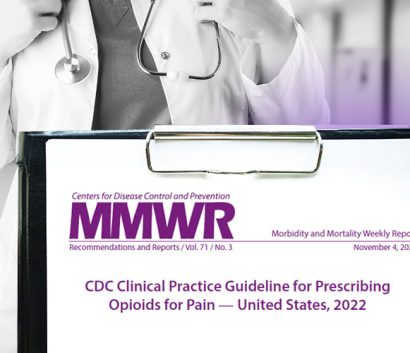
Overview of the intended use for 2022 Clinical Practice Guideline for prescribing opioids for pain.

Clinician trainings on pain management, opioid use disorder, naloxone, and substance use disorders.
For Public Health Professionals

The hub for CDC's Overdose Data to Action program, including information and resources.

Learn about CDC's Drug-Free Communities Support Program and access related resources.
Use ENGAGE to guide youth substance use prevention efforts in your community.
Xylazine is a non-opioid sedative or tranquilizer. Xylazine is not approved for use in people.
Find overdose prevention and intervention resources for public health professionals.
Overdose Resource Exchange (ORE)
Information on overdose prevention strategies and partnerships for healthcare professionals.