Content on this page was developed during the 2009-2010 H1N1 pandemic and has not been updated.
- The H1N1 virus that caused that pandemic is now a regular human flu virus and continues to circulate seasonally worldwide.
- The English language content on this website is being archived for historic and reference purposes only.
- For current, updated information on seasonal flu, including information about H1N1, see the CDC Seasonal Flu website.
2009 H1N1 Flu: Situation Update
June 18, 2010, 5:00 PM
The final CDC influenza activity report for the 2009-10 flu season was published on May 28, 2010. While influenza surveillance takes place year-round, official reporting (FluView publication) routinely happens between October and May to coincide with normally occurring influenza activity in the United States. Unless unusual influenza activity occurs over the summer of 2010, surveillance reports for all influenza viruses for the 2010-2011 season will resume in October 2010 and appear on the seasonal influenza website.
The 2009 H1N1 web pages, including situation updates, will be archived for historical purposes.
Key Flu Indicators
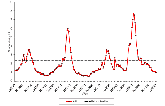
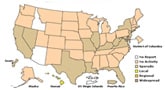
Each week, year-round, CDC analyzes information about influenza disease activity in the United States. Findings of key flu indicators are published in a report called FluView from October through mid-May to coincide with typical seasonal influenza activity in the United States. During the week of May 16–22, 2010, (the final FluView for the 2009-2010 influenza season) nationally all key flu indicators are low. Below is a summary of the final key indicators. Reporting for the 2010-2011 influenza season will resume in October and appear on the seasonal influenza website.
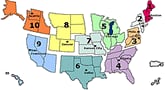
- Visits to doctors for influenza-like illness (ILI) stayed about the same as last week and are low nationally, with all 10 U.S. regions reporting ILI below region-specific baseline.
- By the end of April flu hospitalizations had returned to expected levels and, as is customary, hospital reporting was suspended at the end of April. Hospital reporting will resume in October.
- The proportion of deaths attributed to pneumonia and influenza (P&I) based on the 122 Cities Report is at about what is normally seen during the summer. Three pediatric deaths associated with 2009 H1N1 flu were reported this week. Since April 2009, CDC has received reports of 341 flu laboratory-confirmed pediatric deaths: 285 due to 2009 H1N1, 53 pediatric deaths that were laboratory confirmed as influenza A, but the flu virus subtype was not determined, and three pediatric deaths that were associated with seasonal influenza viruses. During the regular 2009-2010 influenza season (October to May), 276 pediatric deaths were reported to CDC. All but one were 2009 H1N1-related. (Laboratory-confirmed deaths are thought to represent an undercount of the actual number. CDC has provided estimates about the number of 2009 H1N1 cases and related hospitalizations and deaths).
- No states reported widespread or regional influenza activity. This is the sixth consecutive week that no states reported widespread or regional flu activity. Most states are reporting no activity or sporadic activity. This is typical for May during non-pandemic years.
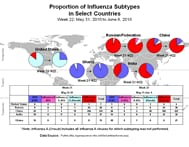
- The majority of the influenza viruses identified so far continue to be 2009 H1N1 influenza A viruses. These viruses remain similar to the virus chosen for the 2009 H1N1 vaccine and remain susceptible to the antiviral drugs oseltamivir and zanamivir with rare exception.
*All data are preliminary and may change as more reports are received.
More on the Situation
- CDC Response
A summary of CDC activities - FluView
A Weekly Influenza Surveillance Report Prepared by the Influenza Division. - International Situation Update
A summary of global 2009 H1N1 activity.
- Facts and Figures
A summary of key 2009 H1N1 disease characteristics. - Health Alert Network (HAN) Messages
- Q & A: CDC's Online Reporting
Background
- Background
Learn about the emergence of the 2009 H1N1 virus in the United States and WHO's declaration of a novel H1N1 pandemic. - Past Situation Updates
- Press Updates
- Other Reports and Publications
Get email updates
To receive weekly email updates about this site, enter your email address:
Contact Us:
- Centers for Disease Control and Prevention
1600 Clifton Rd
Atlanta, GA 30333 - 800-CDC-INFO
(800-232-4636)
TTY: (888) 232-6348 - Contact CDC-INFO