



Key points
- Western equine encephalitis virus spreads through the bite of an infected mosquito.
- No human cases have been reported in the United States since the late 1990s.
- Most people infected with the virus do not get sick, though some will develop fever, headache, body aches, or confusion.
- No vaccines or medicines are available to prevent or treat western equine encephalitis.
- Reduce your risk by taking steps to prevent mosquito bites.
Overview
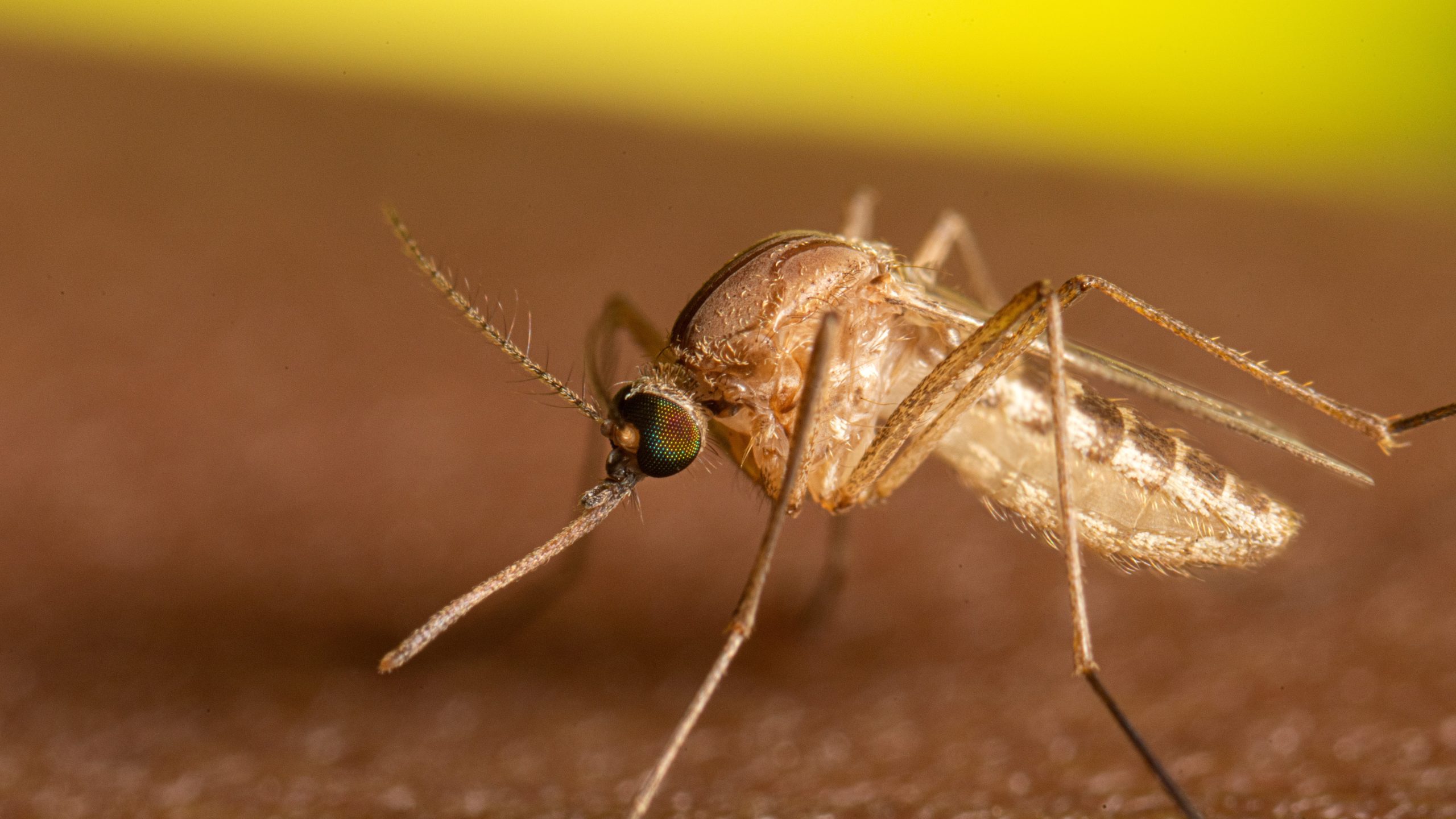
Western equine encephalitis is a disease caused by a virus spread by infected mosquitoes. Sporadic outbreaks of disease have occurred among horses and people from the late 1930s through the early 1980s in the United States. The last outbreak in the United States in people was in 1987, and since then, there have only been five cases of western equine encephalitis virus identified in the United States. The last reported case of western equine encephalitis occurred in 1999. Historically, the virus has been found in parts of North America, Central America, and South America.
Symptoms
Most people infected with western equine encephalitis virus do not feel sick. However, the virus can cause some people to develop febrile illness (fever) or severe neurologic disease.
How it spreads
Western equine encephalitis is caused by a virus most commonly spread to people through the bite of an infected mosquito. Risk of infection is highest during mosquito season, which starts in the summer and continues through fall.
Prevention
No vaccines or medicines are available to prevent western equine encephalitis. Reduce your risk of infection by preventing mosquito bites.
Testing and diagnosis
See your healthcare provider if you have symptoms after being exposed to mosquitoes.
Treatment
No specific medicines are available to treat western equine encephalitis. Antibiotics do not treat viruses. Rest, fluids, and over-the-counter pain medications may relieve some symptoms. In severe cases, patients often need to be hospitalized to receive supportive treatment, such as intravenous fluids, pain medication, and nursing care.
For healthcare providers: Clinical Features, Diagnosis, and Treatment of Western Equine Encephalitis