



At a glance
eNews is the monthly newsletter of the National Institute for Occupational Safety and Health (NIOSH). Each month includes an update from NIOSH Director Dr. John Howard, featured NIOSH research, new worker safety and health resources, upcoming meetings, and more!
From the Director's Desk
John Howard, M.D., Director, NIOSH
Working Safely with Robots
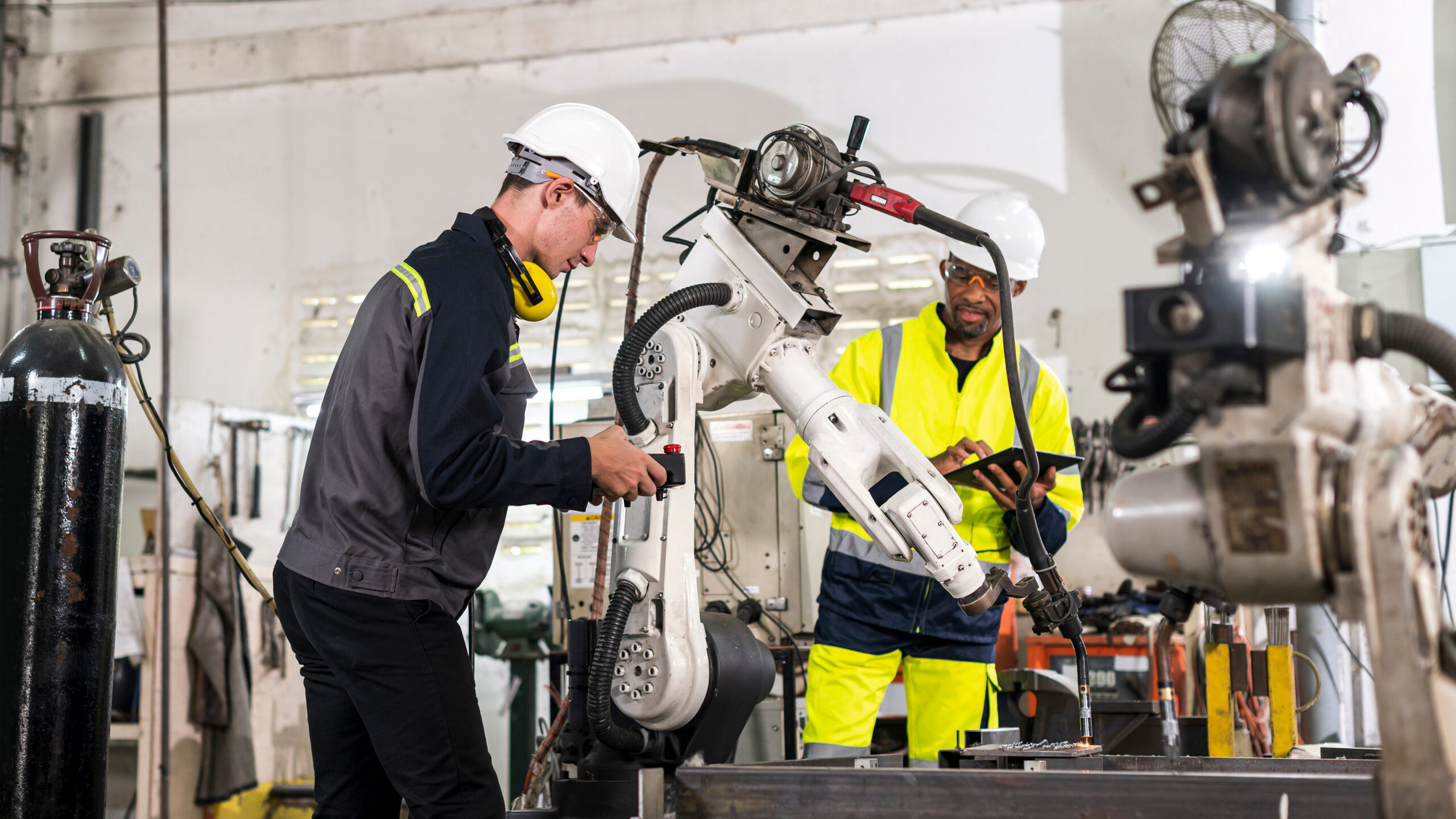
More workers than ever have a robot (or several) as a co-worker. In fact, robot density in the United States manufacturing industry grew from 176 robots per 10,000 employees in 2015 to 307 robots per 10,000 employees in 2024. Today's robots can operate from a fixed position or be mobile. As technology improves, autonomous mobile robots, which can navigate to a destination on their own, could improve productivity. As the use of these robots grows in the workplace, NIOSH is conducting research to reduce the risks involved in human-robot collaboration especially in the construction sector. Through its Center for Occupational Robotics Research, this work currently focuses on human-robot communication, demolition robots, and masonry robots.
NIOSH studies human-robot communication to better understand how workers prefer to collaborate with robots. Using human participants, autonomous mobile robots, and virtual reality simulations of robots, how a robot's size, movement path, and movement communication affect a worker's comfort and task performance. These studies provide the basis for improving auditory alerts used by autonomous mobile robots, such as beeps, chimes, and other sounds.
Demolition robots may reduce risks from hazardous demolition work in construction. These robots resemble excavators without cabs and are operated by remote control, allowing the operator to remain outside the machine. NIOSH researchers are using virtual reality to better understand how construction workers interact with demolition robots. While removing the operator from the demolition machine reduces some risks, it can also introduce new ones. For example, could the operator be in the robot's path? Findings from this research can inform demolition robot safety standards and future safety interventions.
Robots can also assist with the physically demanding task of laying masonry block walls. Workers positioning these heavy blocks may repeatedly twist and lift throughout an 8-hour shift. NIOSH researchers are using artificial intelligence (AI) to evaluate the movements of masonry workers performing typical tasks. AI helps analyze hours of movement to identify common patterns in masonry operations. One or more robotic arms can then be programmed to assist the worker by reducing the amount of movement and lifting required while minimizing the potential for worker-robot collisions.
The workplace of the future will likely see continued growth in robot use. New technologies may help reduce workplace injuries while supporting overall production and efficiency, but they can also introduce unintended risks. NIOSH continues to build the knowledge needed to reduce these risks and help protect workers who use, wear, or work near robots.
Research Rounds
No Worker Is an Island: Physical and Social Isolation at Work in the United States
By Kenneth A. Scott, NIOSH; and Chandran Achutan and Ryan Hill, formerly with NIOSH
Why is this study important?
Being isolated at work may pose risks for U.S. workers' health and safety. A prompt response can increase a person's odds of surviving a health emergency. Supportive social relationships can prevent chronic diseases and early death. What remains unclear is how many workers and which types of jobs are affected by physical or social isolation.
How did you do the study?
To learn more, we analyzed survey data from the Occupational Information Network and employment data from the Bureau of Labor Statistics. Using these combined data, we estimated how many workers in the United States experience physical or social isolation at work.
What did you find?
A large number of workers are physically or socially isolated. Physical isolation affected between 7 million and 36 million workers in 2023. Physical isolation was common among workers in forests, art studios, oil and gas well sites, heavy trucks, and hotels. Fallers, forestry workers who cut down trees, had the highest percentage of physically isolated workers.
Social isolation affected between 2 and 10 million workers in 2023. Social isolation was common in food preparation, landscaping, and warehousing. Among food preparers, more than half of meat, poultry, and fish cutters and trimmers reported that their jobs required no contact with other people.
Workers in some occupations experienced both physical and social isolation, while other workers experienced one type of isolation but not the other.
What are the next steps?
More research is needed to define and measure isolated work. Research on physical isolation could include how much time workers spend in isolation. Research on social isolation could include the frequency of interactions with coworkers, supervisors, or the public.
Highlights
25 Years Later: The Lasting Health Impact of 9/11
Twenty-five years after 9/11, responders, survivors, and others who were exposed continue to experience health effects from the attacks. A new article in JAMA highlights how the World Trade Center Health Program's long-term, integrated approach to medical care, monitoring, and research is helping improve health outcomes and quality of life for those affected. The lessons learned from this work can also help inform how to care for people exposed to future disasters.
NIOSH and Partners Announce 2026 Prevention Through Design Award Winner
NIOSH and its partners presented the 2026 Prevention through Design Award to Square Robot, Inc. at the sixth annual award ceremony during the National Safety Council Safety Congress and Expo. The award is a collaborative effort of NIOSH, the American Industrial Hygiene Association, the American Society of Safety Professionals, and the National Safety Council. It encourages the use of Prevention through Design methods while recognizing successful, real-world efforts to protect workers. Read the full press release to learn more.
Preventing Construction Worker Suicide
A recent NIOSH Science Bulletin highlights new efforts to address suicide in the construction industry, where workers are five times more likely to die by suicide than from a workplace injury. NIOSH-supported researchers developed COMPASS (Construction Organizations Mobilizing for Peer Support & Suicide Safety), a scalable, low-cost, evidence-based framework. COMPASS helps construction employers strengthen suicide prevention through worker training, peer support, leadership engagement, and organizational response planning.
Podcast Explores Risks to Firefighters Responding in a Privately Owned Vehicle
Rick Lago, an investigator for NIOSH's Fire Fighter Fatality Investigation and Prevention Program, recently joined the Don't Risk It! podcast to discuss the safety risks firefighters face when responding to an emergency call in a privately owned vehicle. The episode focuses on lessons learned from a NIOSH firefighter fatality investigation.
Federal Register Notices
Meeting of the Advisory Board on Radiation and Worker Health, National Institute for Occupational Safety and Health
The notice was posted on July 16. Comments must be received by October 1. The meeting will be held on October 8.
Meeting of the Advisory Board on Radiation and Worker Health, Subcommittee for Procedure Reviews, National Institute for Occupational Safety and Health
The notice was posted on July 21. Comments must be received by October 21. The meeting will be held on October 28.
Solicitation of Nominations for Appointment to the World Trade Center Health Program Scientific/Technical Advisory Committee
The notice was posted on August 19. Nominations must be received by November 13.
Other Notices:
New Communication Products
- NIOSH Bibliography of Communication and Research Products 2025
- Safety Checklist: SCBA Training Prop Evolution
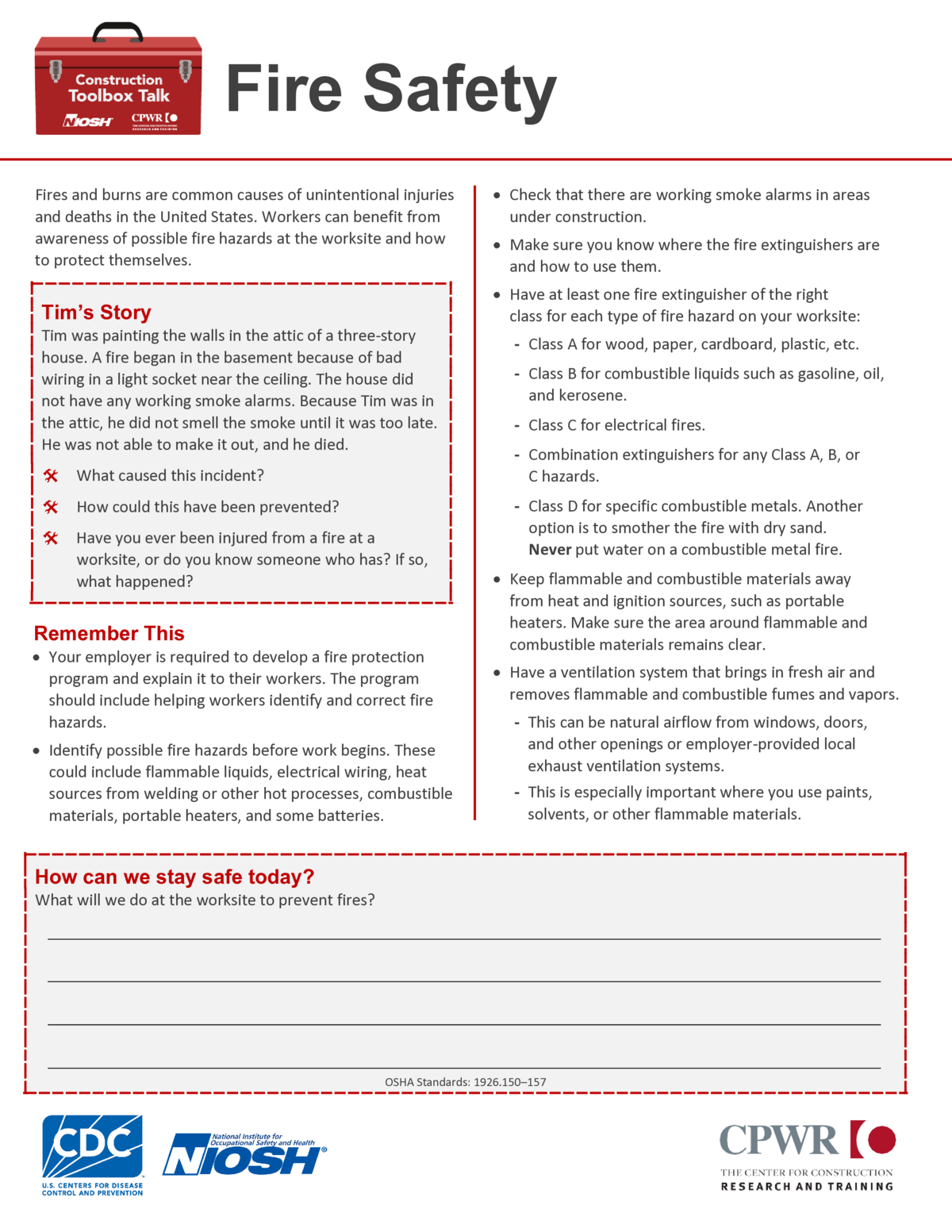
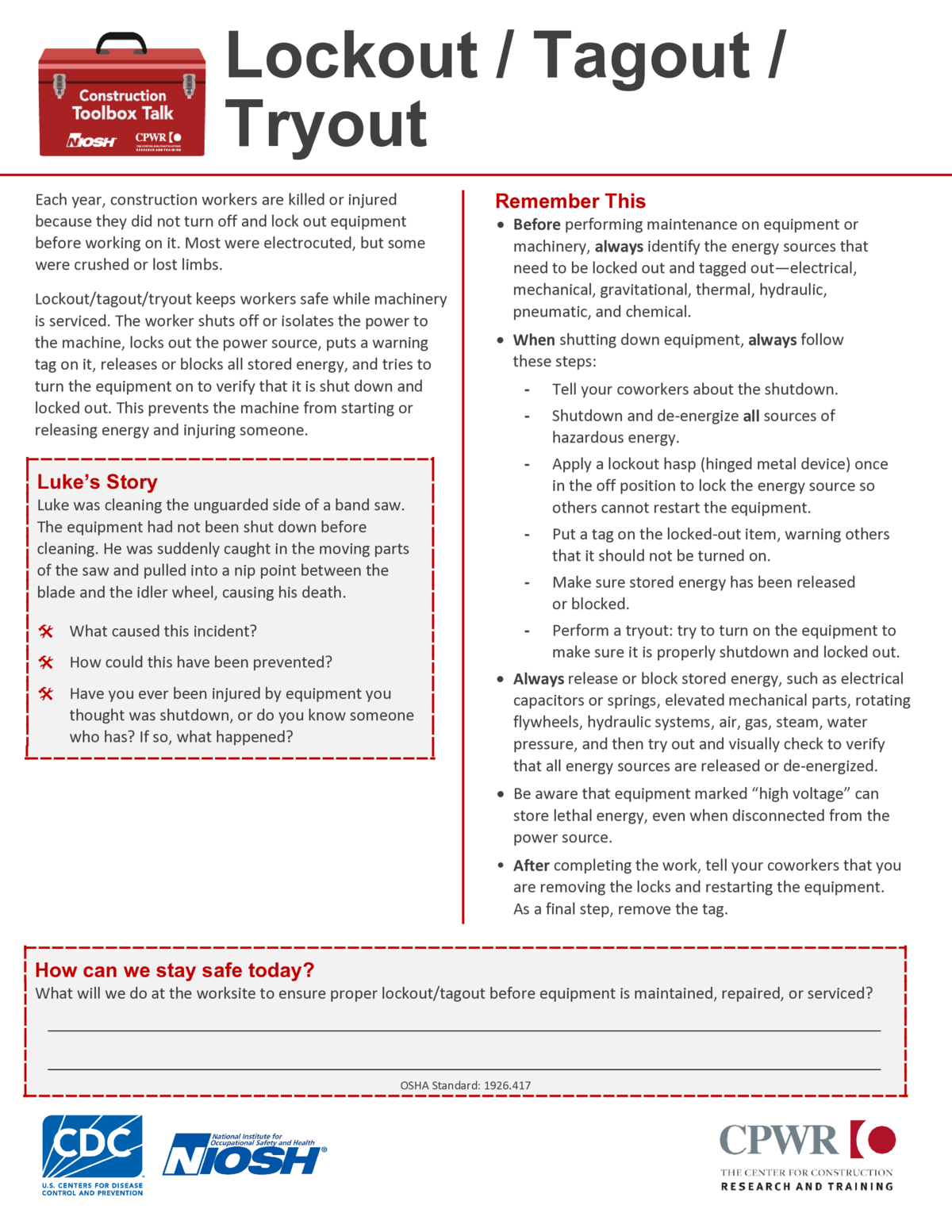
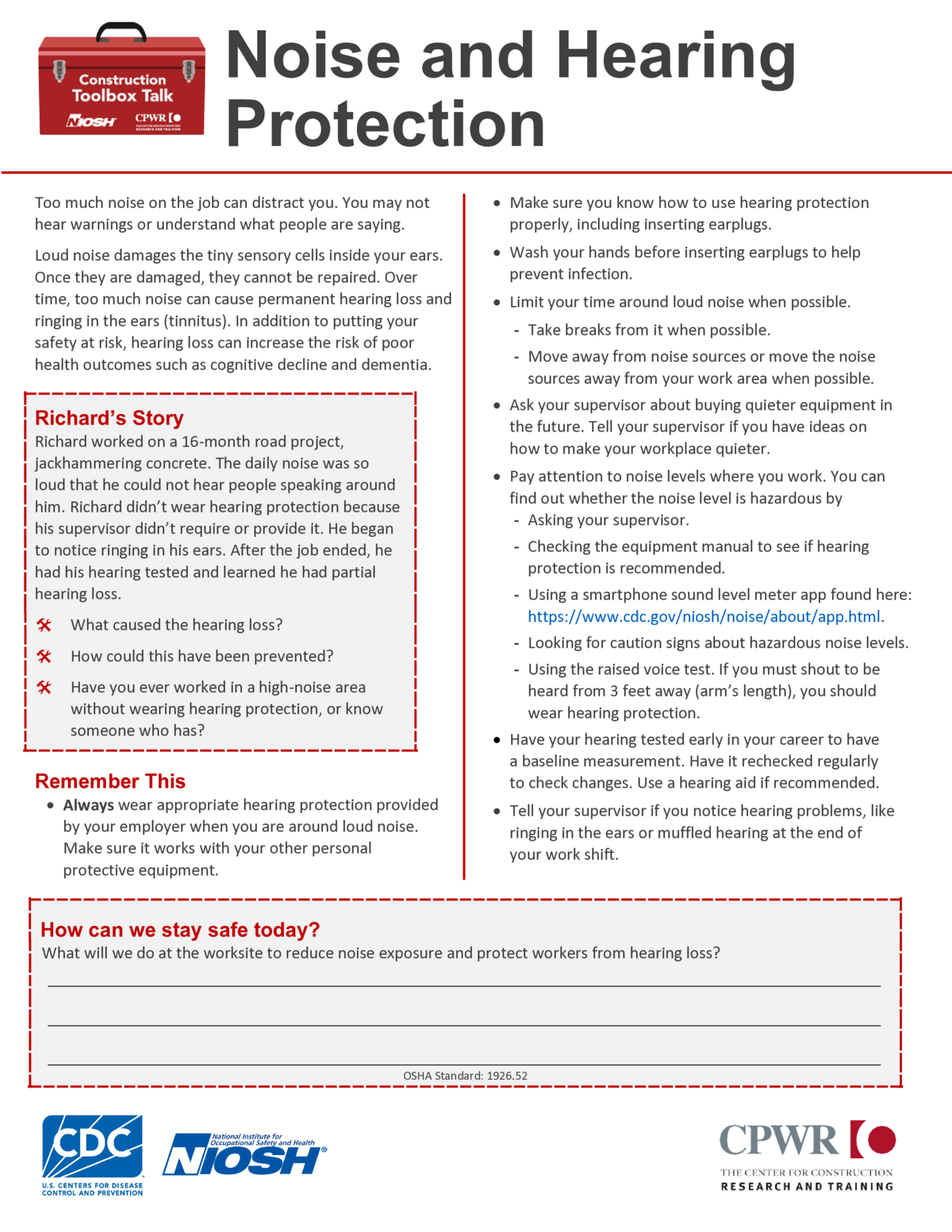
Toolbox Talks
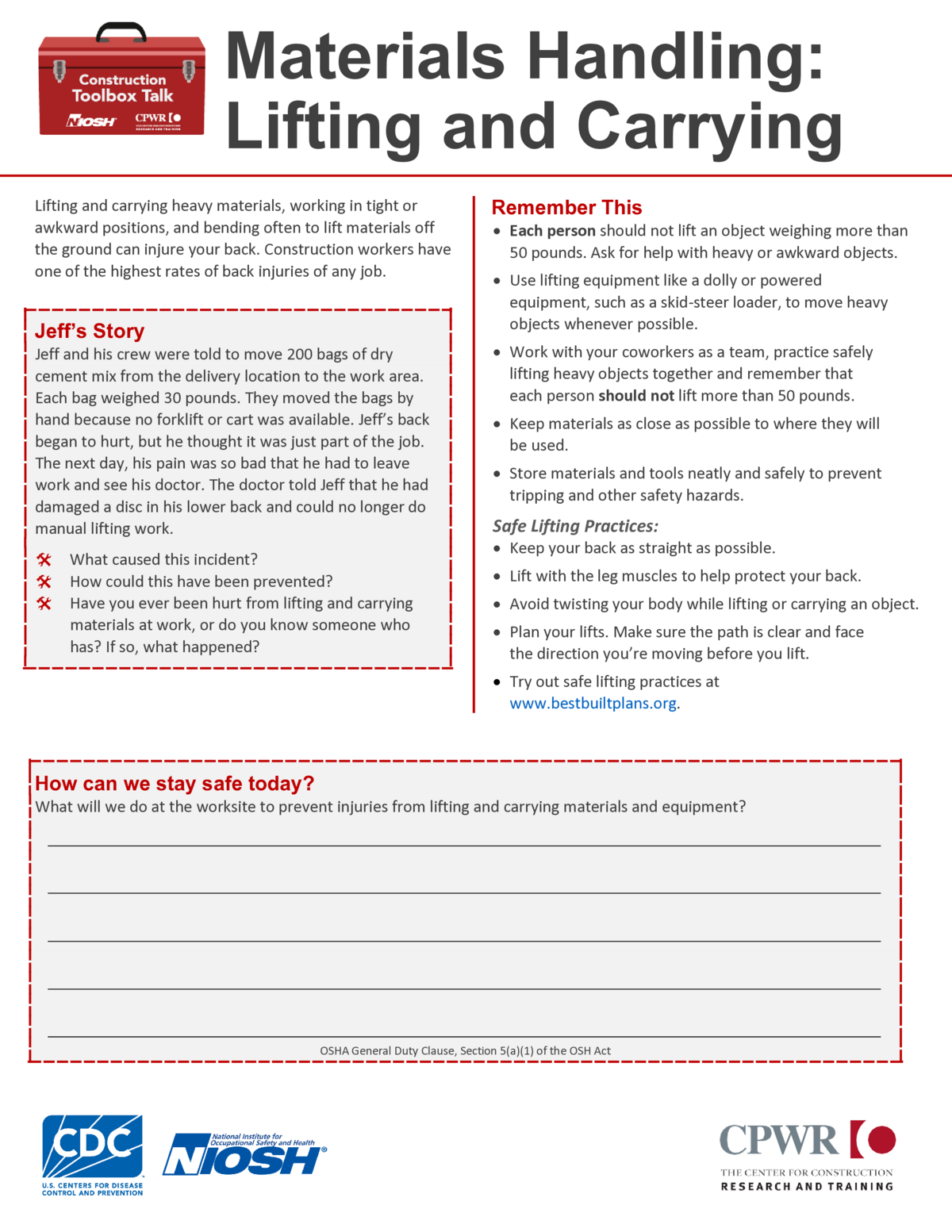
NIOSH Science Bulletins



News From Our Partners
Webinar Featuring the NIOSH Worker Well-Being Questionnaire
Register today for a free webinar, "Measuring Worker Well-Being With the WellBQ: From Assessment to Action." The webinar will take place Tuesday, October 13 at 3 p.m. (ET) and is hosted by the Oregon Healthy Workforce Center, a NIOSH Center of Excellence for Total Worker Health®.
How AI Is Reshaping Work
Watch a webinar from the Oregon Institute of Occupational Health Sciences exploring how AI-driven automation of strategic, analytical, and planning tasks is reshaping jobs, workforce skills, and worker well-being. Presenters discuss emerging occupational health and safety risks and the importance of keeping humans in the loop as workplaces adopt more AI-enabled tools.
New FarmSafe Podcast Episodes Highlight Agricultural Health and Safety
The Great Plains Center for Agricultural Health has released a new season of its FarmSafe Podcast, with episodes on topics including drones and agricultural health, as well as understanding cancer risk. The series turns current research into practical, accessible safety information for farmers and their families.
This page was last updated on this date. Updates may include minor edits, image changes, or other modifications to page content.
The information on this page was last reviewed by subject matter experts to ensure accuracy.