



What to know
- Forensic scientists can be exposed to illicit drugs when analyzing drug evidence.
- New NIOSH research highlights this concern for workers in forensic labs.
- Following best practices can limit risk.
Summary
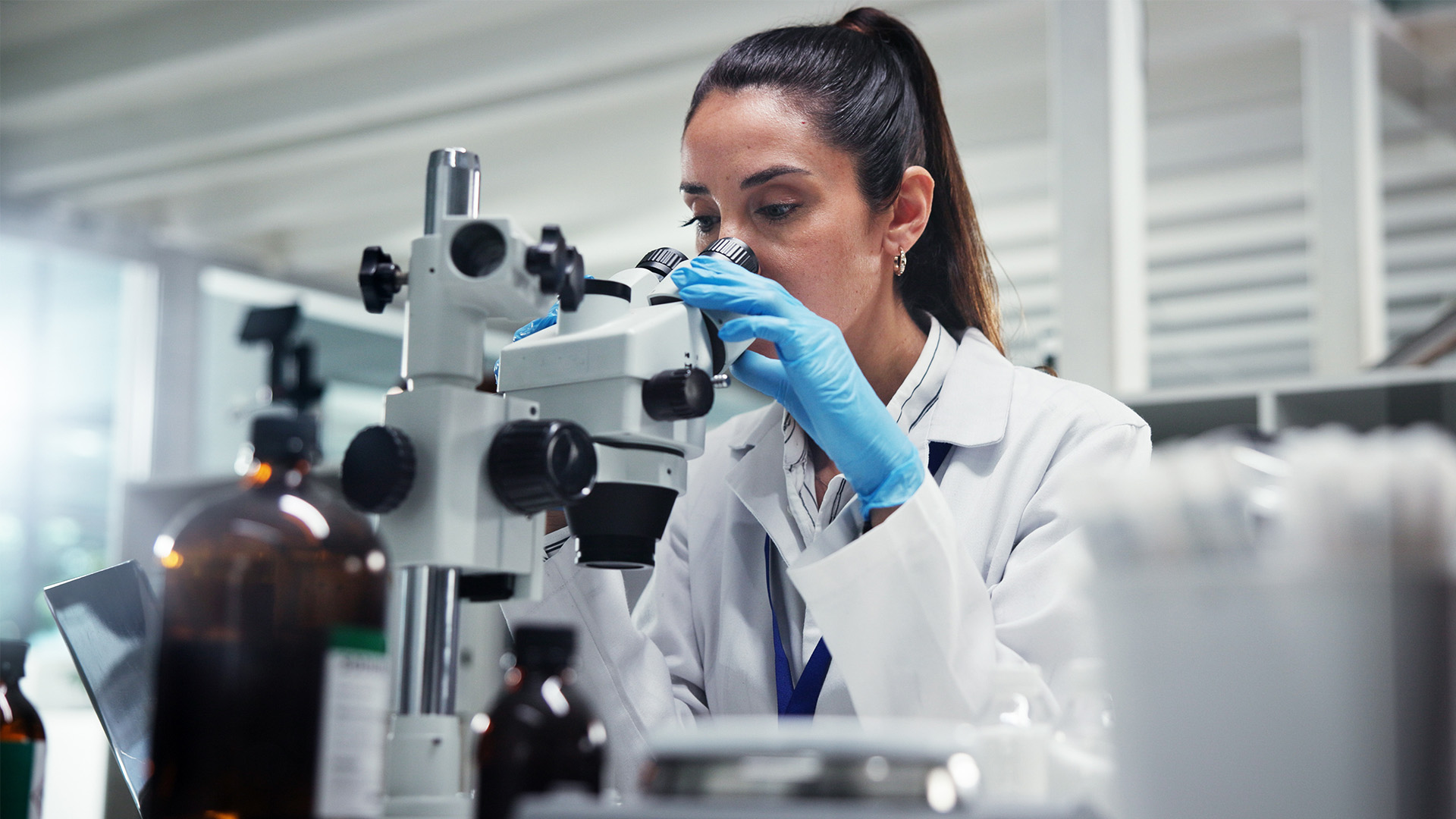
Forensic scientists can be exposed to illicit drugs when analyzing drug evidence for law enforcement agencies. Exposure can occur when substances are handled, weighed, or chemically processed for legal proceedings. More research in this area could lead to a better understanding of any potential health effects on workers.
What researchers found
NIOSH researchers visited 11 crime labs across the United States. Researchers sampled air and work surfaces, as well as workers' hands and personal breathing zones, and collected urine. Participants also completed a questionnaire.
The research found:
- Four of the 11 sites had elevated fentanyl levels in personal breathing zone samples that exceeded the recommended limit.
- Overall, 14% of personal breathing zone air samples exceeded the recommended limit for fentanyl, and some were far higher.
- Methamphetamine was detected in 98% of personal breathing zone air samples.
- Cocaine was detected in 87% of personal breathing zone air samples.
- Heroin was also detected in some samples.
Currently, there are no occupational exposure limits for these drugs except for fentanyl. In 2023, American Conference of Governmental Industrial Hygienists (ACGIH) established recommended occupational exposure limits for fentanyl to assist in evaluating and controlling potential workplace health hazards.
At 27% of the sites, surface wipes taken inside laboratories exceeded ACGIH surface limits for fentanyl. Contaminated surfaces above the ACGIH surface limit for fentanyl included:
- Benchtops
- Hoods
- Keyboards
- Scales
- Air vents
Surfaces outside of the laboratory had much lower levels of contamination. This suggests that high-touch surfaces outside of the laboratory were kept relatively clean.
Of the 47 participants who provided urine samples, 19 participants (at 8 of the 11 sites) had detectable illicit drugs in their urine. Illicit drugs found in personal air samples and on workers' hands post-shift suggest occupational exposure.
Prevention
This and other research show that forensic scientists are potentially inhaling, ingesting, or absorbing illicit drugs due to workplace exposures. Potential health hazards have not been clearly established, especially for chronic low-dose exposures. Given the known hazards at higher levels of exposure, minimizing exposure to illicit drugs at lower levels would be prudent occupational health practice.
Following best practices can help minimize forensic scientists' exposure to illicit drugs in the workplace. Examples include:
- Handling drug evidence inside fume hoods or enclosures,
- Wearing proper personal protective equipment,
- Cleaning work surfaces regularly, with periodic deep cleaning,
- Encouraging employees to monitor for signs and symptoms of exposures and report incidents,
- Minimize weighing material without packaging, if possible.
Additional research could provide information on health effects of low dose exposures.
More information
For more information see the NIOSH website Fentanyl: Emergency Responders at Risk | Substance Use.
NIOSH conducted several Health Hazard Evaluations (HHEs) at the request of public safety employees such as fire fighters, first responders, law enforcement, and forensic scientists. These evaluations revealed detectable levels of cocaine, fentanyl, heroin, and methamphetamine in workplace personal air samples, end-of-shift handwipes, and surface samples from laboratory benchtops and keyboards. These HHEs can be found by searching reports for illicit drugs.
Author information
Jennie Cox, PhD, is a CIH and a NIOSH Research Industrial Hygienist within the Field Research Branch, Division of Field Studies and Engineering.
Julie Tisdale-Pardi, MA, is a NIOSH health communication specialist and coordinator of the NIOSH Science Bulletin.
The following were NIOSH co-authors of this manuscript: Jacob Bartels, Mamadou Niang, Jessica Li, Kendra Broadwater, Sophia Chiu, Dallas Shi, Paro Sen, I-Chen Chen & Matthew Dahm
This page was last updated on this date. Updates may include minor edits, image changes, or other modifications to page content.
The information on this page was last reviewed by subject matter experts to ensure accuracy.