



At a glance
eNews is the monthly newsletter of the National Institute for Occupational Safety and Health (NIOSH). Each month includes an update from NIOSH Director Dr. John Howard, featured NIOSH research, new worker safety and health resources, upcoming meetings, and more!
From the Director's Desk
John Howard, M.D., Director, NIOSH
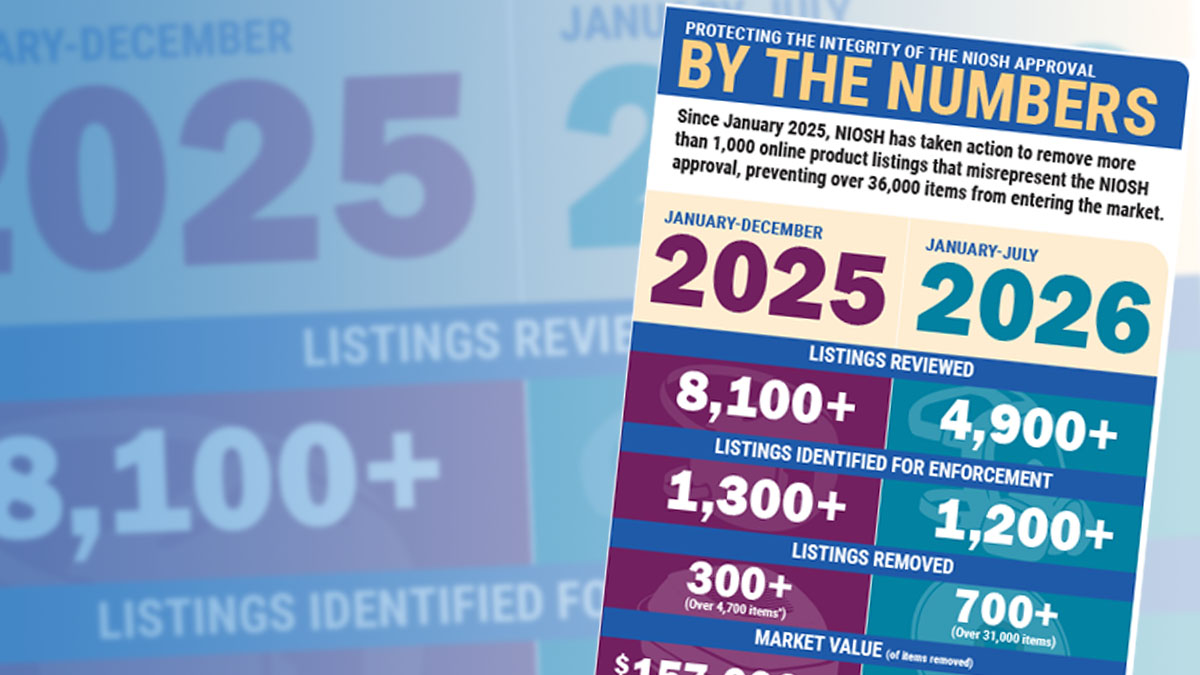
Protecting Respirator Users: Enforcing NIOSH’s Registered Certification Marks
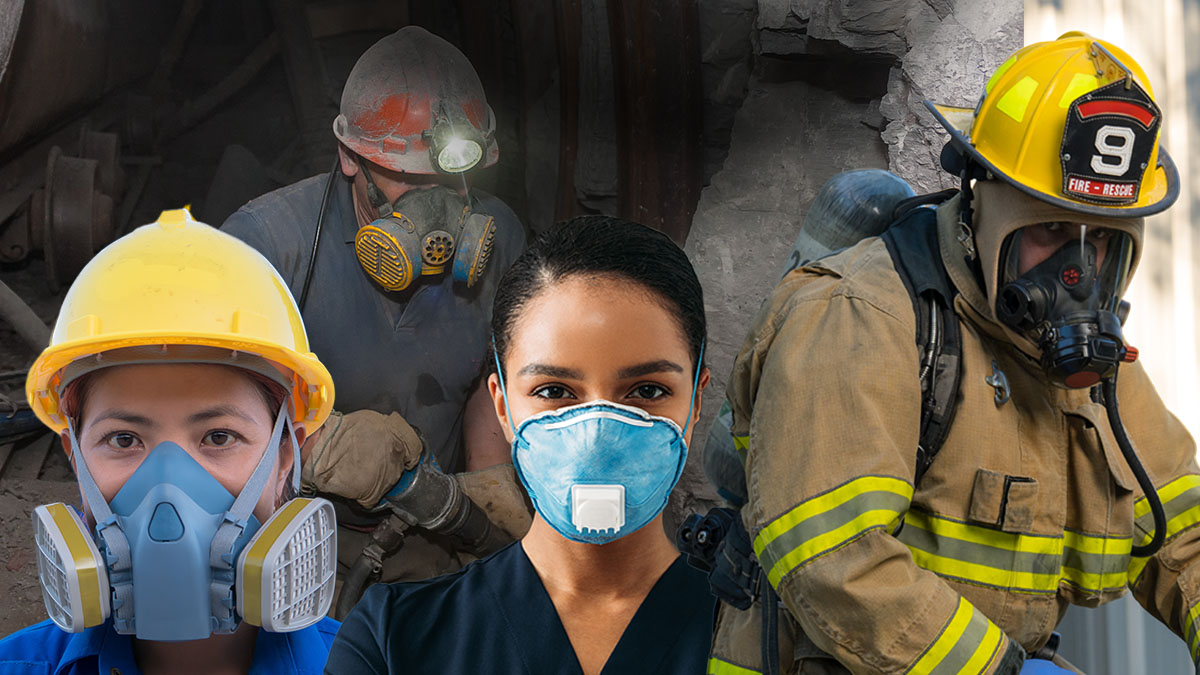
Many jobs can expose workers to respiratory hazards that can have short- or long-term negative health impacts. Across the United States, millions of workers rely on NIOSH Approved® respirators to protect themselves from these hazards on the job. When NIOSH approves a respirator, we ensure that it provides the expected level of protection at the time of approval and beyond.
In recent years, we've seen a surge of counterfeit and misrepresented respirators and respirator components on the market. These products are often falsely marketed as NIOSH Approved respirators or are designed to replicate approved respirator models. Since these products have not undergone NIOSH testing, they may claim to provide a level of protection they do not, which would pose a risk to workers.
Our brand protection activities help keep products that misrepresent the NIOSH approval off the market.
In 2020, NIOSH registered 12 certification marks, including N95® and P100®. By doing this, we improved our ability to protect the marks from misuse. Products that have not received NIOSH approval cannot be labeled with or advertised using the marks.
Our Respirator Brand Protection Team monitors marketplaces and online platforms for the marks and takes action to remove product listings that misuse them. Since January 2025, we've taken action to remove more than 1000 listings. Many of the products in these listings were P100 filters and combination chemical/filter cartridges that were not part of NIOSH Approved respirator configurations. Using these respirator components with a NIOSH Approved respirator would void the NIOSH approval and potentially compromise the level of protection workers receive.
We alerted platforms to any inaccurate listings we found, but our work did not stop there. To better understand the risk that these misrepresented components could pose to workers, we conducted a pilot study. We compared the performance of these products with respirator components that are part of genuine NIOSH Approved configurations. The results showed that nearly all the respirator components tested that misused our marks failed to meet all three required performance tests.
- 220 of 240 P100 filters failed
- 124 of 124 combination cartridges failed
- 8 of 8 chemical cartridges failed
We shared these findings with online platforms and, as a result, started working with some of them to combat the issue. For example, Amazon reached out to us for training on the appropriate use of our marks and on how to identify suspicious listings or products. Following the training sessions, Amazon removed products misusing our marks and bad actors from its store.
These product removals are a major success in our ongoing work to enforce our certification marks and strengthen workers' confidence in the respirators they use to stay safe. We are continuing these efforts with routine marketplace monitoring and testing of misrepresented products. If you see a product misusing our certification marks or want to learn more about proper use of the marks, please email NIOSH at ppeconcerns@cdc.gov.
Disclaimers
Mention of any company or product does not constitute endorsement by the National Institute for Occupational Safety and Health, Centers for Disease Control and Prevention.
P100 is a registered certification trademark of the U.S. Department of Health and Human Services (HHS) in the United States.
N95 and NIOSH Approved are registered certification trademarks of the U.S. Department of Health and Human Services (HHS) in the United States and several other countries.
Research Rounds
Women in Mining—Acute Injuries Among Women in the United States Mining Workforce 1979–2023
By Nirmala T. Myers, John R. Heberger, David J. Blackley, Brianna M. Eiter, Casey Stazick, A. Scott Laney, and Noemi B. Hall, NIOSH
Why is this study important?
Mining is one of the most dangerous jobs in the United States, yet little is known about injuries among women miners. In part, this research gap is due to the low number of women in mining and safety and health interventions that have traditionally been based on data from a male-dominated workforce. Women make up an estimated 10%–17% of miners. In this study, we wanted to learn more about acute injuries experienced by women miners in the last several decades.
How did you do the study?
The Mine Safety and Health Administration (MSHA) requires mine operators to report all work-related injuries, including those causing death. Using these reports, we analyzed acute injury trends among women miners from 1979 through 2023.
What did you find?
Overall, 18,803 injuries among women miners in coal and metal/nonmetal sectors were reported to MSHA during the study period. Of these injuries, 17,848 met our study criteria. Most injuries occurred among miners aged 19–34 years and miners with less experience. Specifically, most injured coal miners had 1–5 years of mining experience, while most injured metal/nonmetal miners had less than 1 year of experience.
Nearly two-thirds of reported injuries occurred among metal/nonmetal miners and the remaining injuries among coal miners. In both mining sectors, most injuries occurred among general laborers and during material handling. Back injuries were the most common, accounting for 22% of injuries among coal miners, and 19% of injuries among metal/nonmetal miners. Hand injuries were the second most common, accounting for about 15% of injuries in both sectors.
What are the next steps?
More research is needed to understand the causes of injuries among women miners with varying experience. Training to prevent work-related injuries and other safety measures are important to improve safety culture in mining.
Highlights
WTC Health Program Commemorates 25th Anniversary of 9/11
Watch a new series of awareness videos featuring World Trade Center (WTC) Health Program members sharing their personal stories of resilience and healing. The latest videos in this series highlight the range of people affected by 9/11 exposures and the WTC-related health conditions they receive specialized care for through the Program.
Visit NIOSH at the National Safety Council Safety Congress & Expo
NIOSH will exhibit at the National Safety Council Safety Congress and Expo, September 14–17 in Indianapolis, Indiana. Visit booth 4140 to learn about the latest NIOSH research and products for worker safety and health.
New World Screwworm Resources for Outdoor Workers
NIOSH developed fact sheets to help employers and workers prevent New World screwworm and safely use insecticides when treating animals.
For Agricultural and Outdoor Workplaces:
- Stop New World Screwworm: For Ag Producers (also available in Spanish)
- Stop New World Screwworm: For Ag Employees (also available in Spanish)
- Stop New World Screwworm: Outdoor Workers (also available in Spanish)
For Safe Insecticide Use:
- Agriculture Workers: How to Use Insecticides Safely (also available in Spanish)
Podcast Highlights NIOSH Firefighter Report Findings
Wesley Attwood, Senior Investigator with the NIOSH Fire Fighter Fatality Investigation and Prevention Program's trauma team, recently joined the Better Every Shift podcast to discuss how firefighter crews can use NIOSH report findings. Listen to How to Make NIOSH Reports Part of Daily Training.
Federal Register Notices
Proposed Data Collection Submitted for Public Comment and Recommendations: World Trade Center Health Program Stakeholder Experience Feedback Collection
The notice was posted on July 13. Comments must be received by September 11.
Meeting of the Advisory Board on Radiation and Worker Health, National Institute for Occupational Safety and Health
The notice was posted on July 16. Comments must be received by October 1. The meeting will be held on October 8.
Meeting of the Advisory Board on Radiation and Worker Health, Subcommittee for Procedure Reviews, National Institute for Occupational Safety and Health
The notice was posted on July 21. Comments must be received by October 21. The meeting will be held on October 28.
New Communication Products
Fire Fighter Fatality Investigation and Prevention Program Reports
- Career Firefighter Paramedic Suffers Head Trauma after Physical Assault—California (Report Slides)
- Lumber Mill Silo Fire and Subsequent Explosion Kills Two Firefighters and Critically Injures Thirteen More – Maine ( Report Slides)
Safety and Health Advisory
- Preventing Fatalities and Serious Injuries from Fires and Explosions in Oxygen-Limiting Silos
- Preventing Loss of Communication: Using Self-contained Breathing Apparatus (SCBA) Bluetooth Radio Accessories
Technical Report
Toolbox Talks
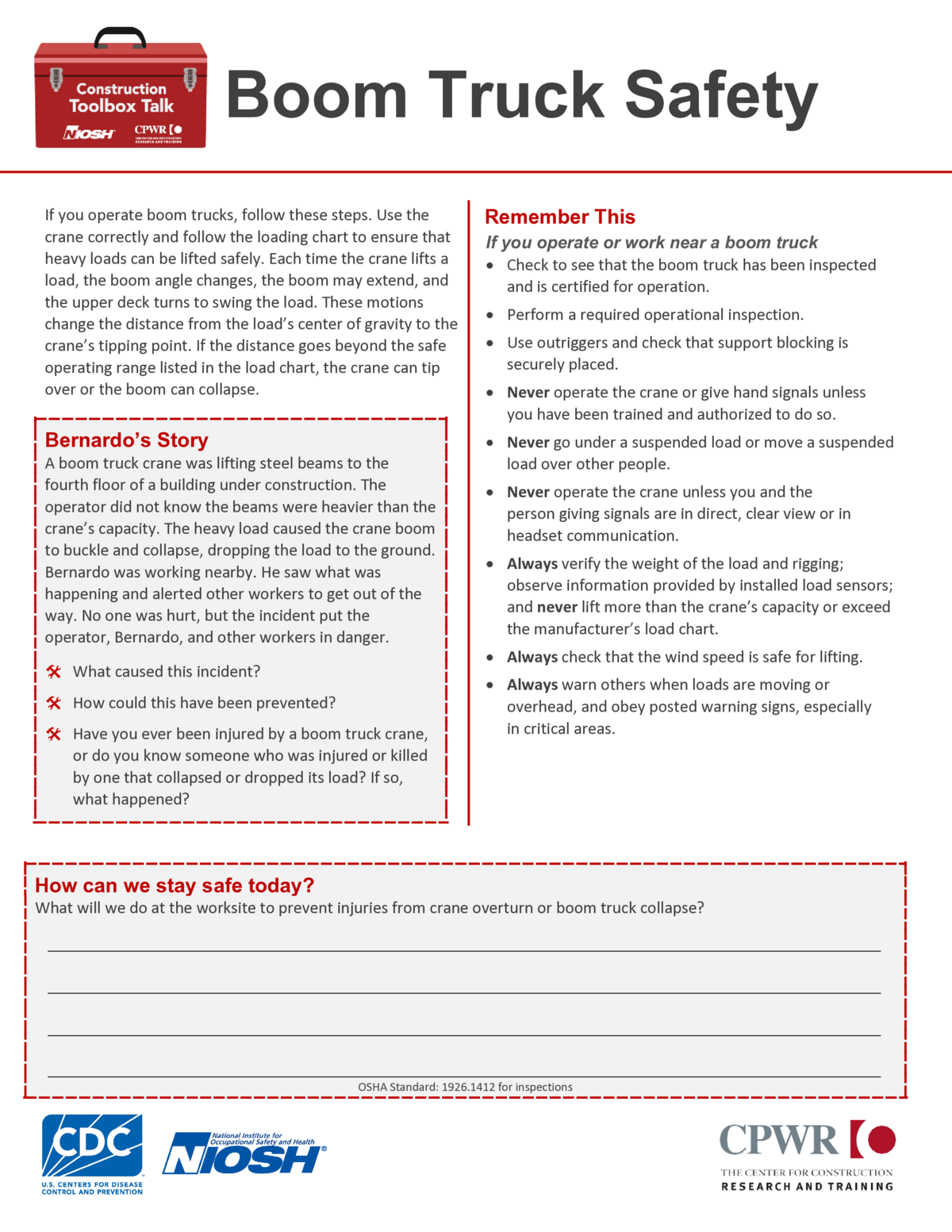
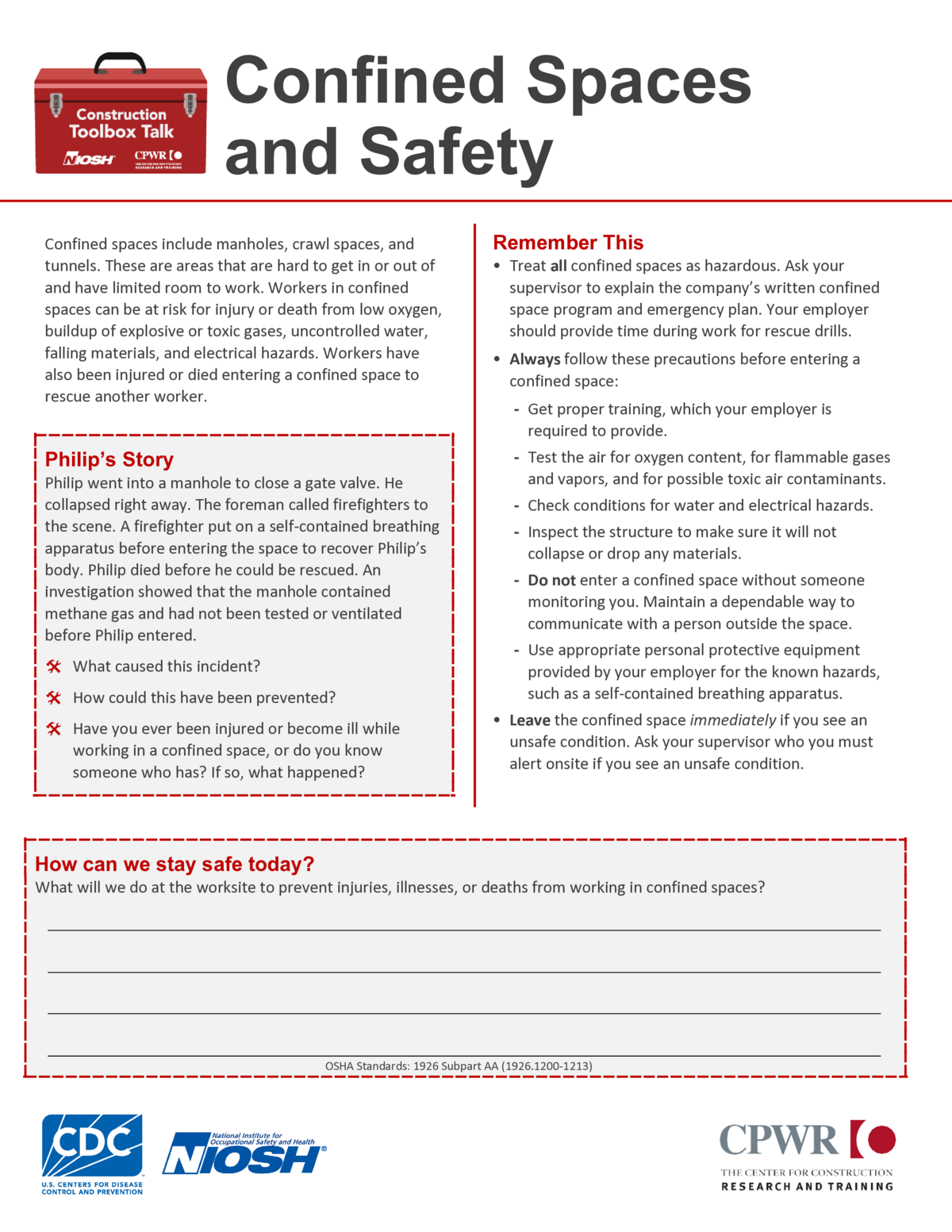
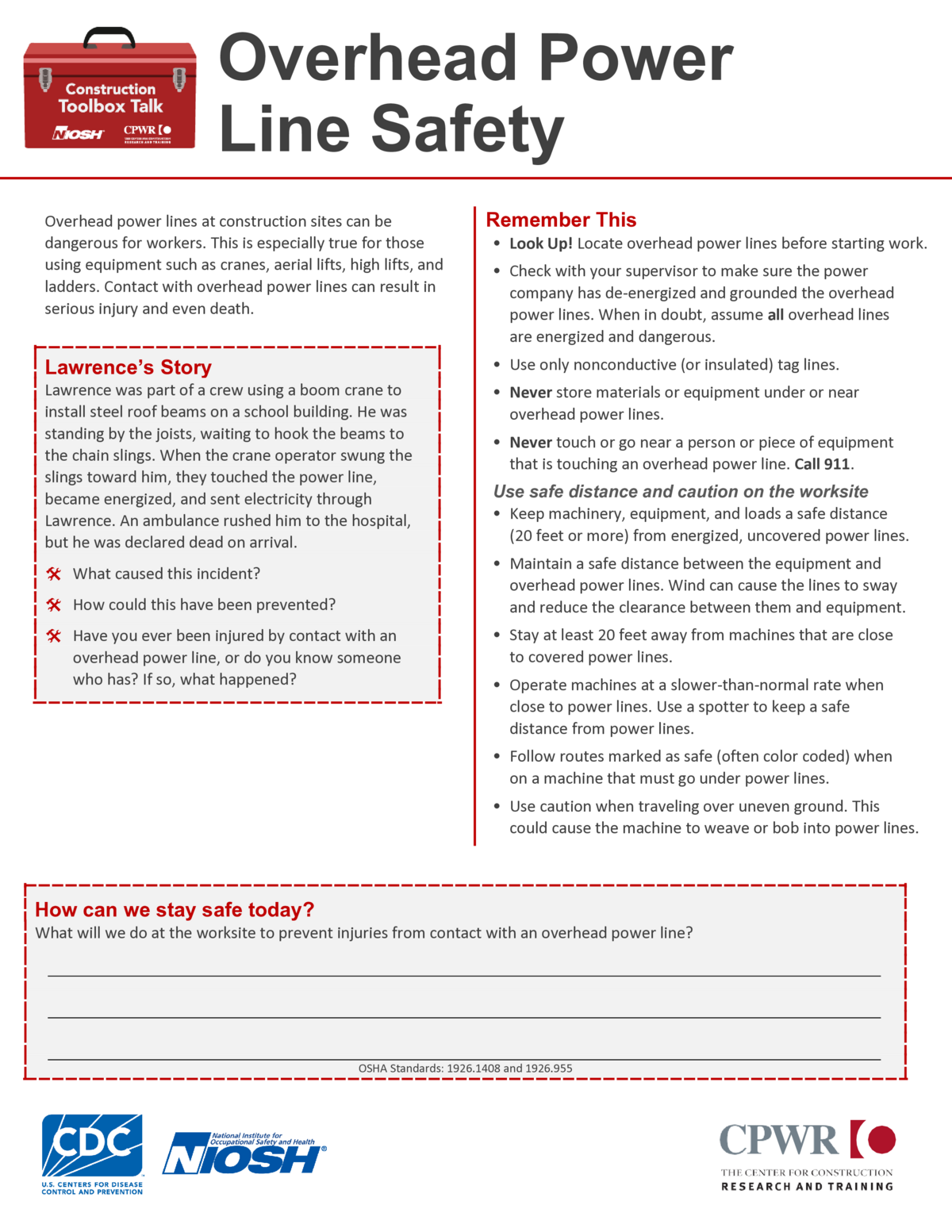
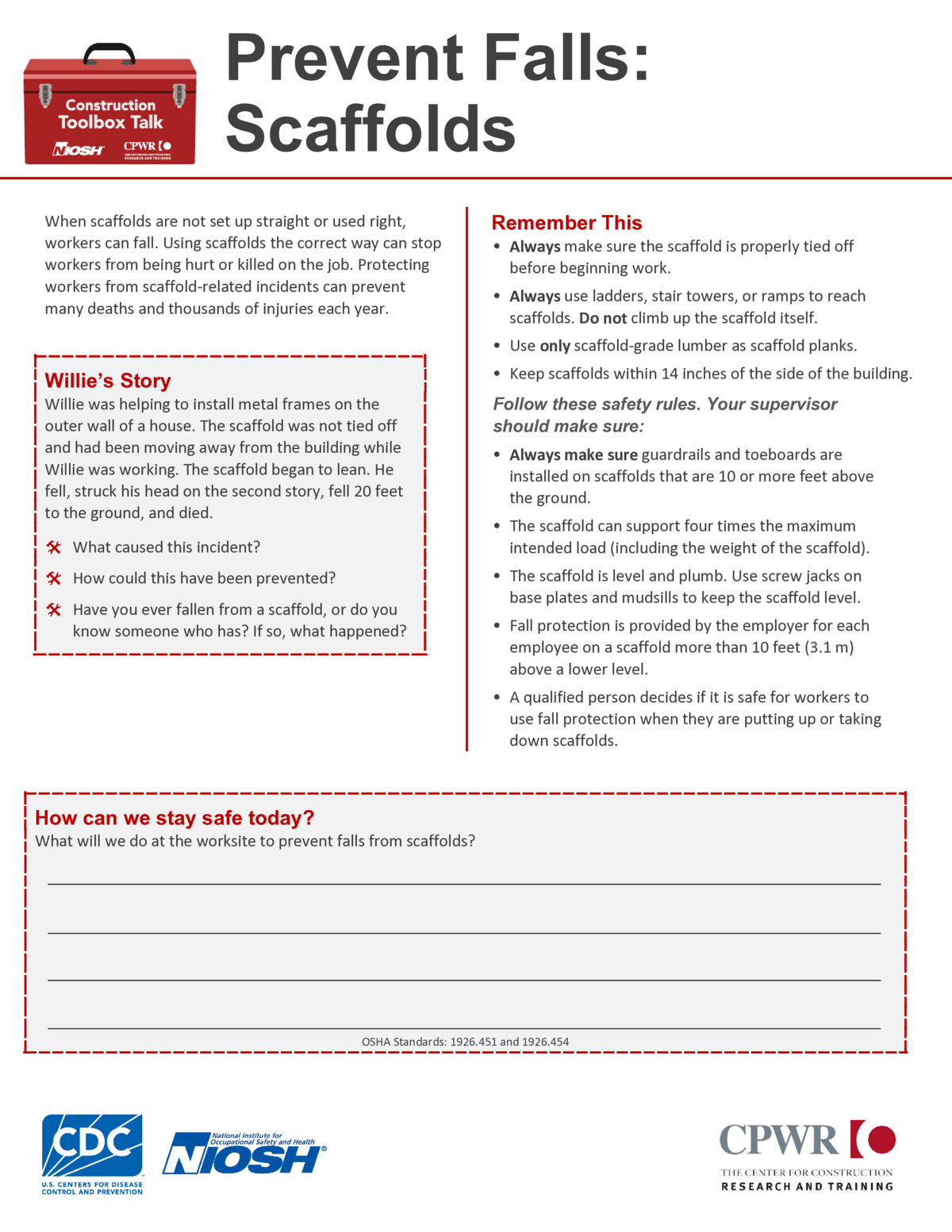
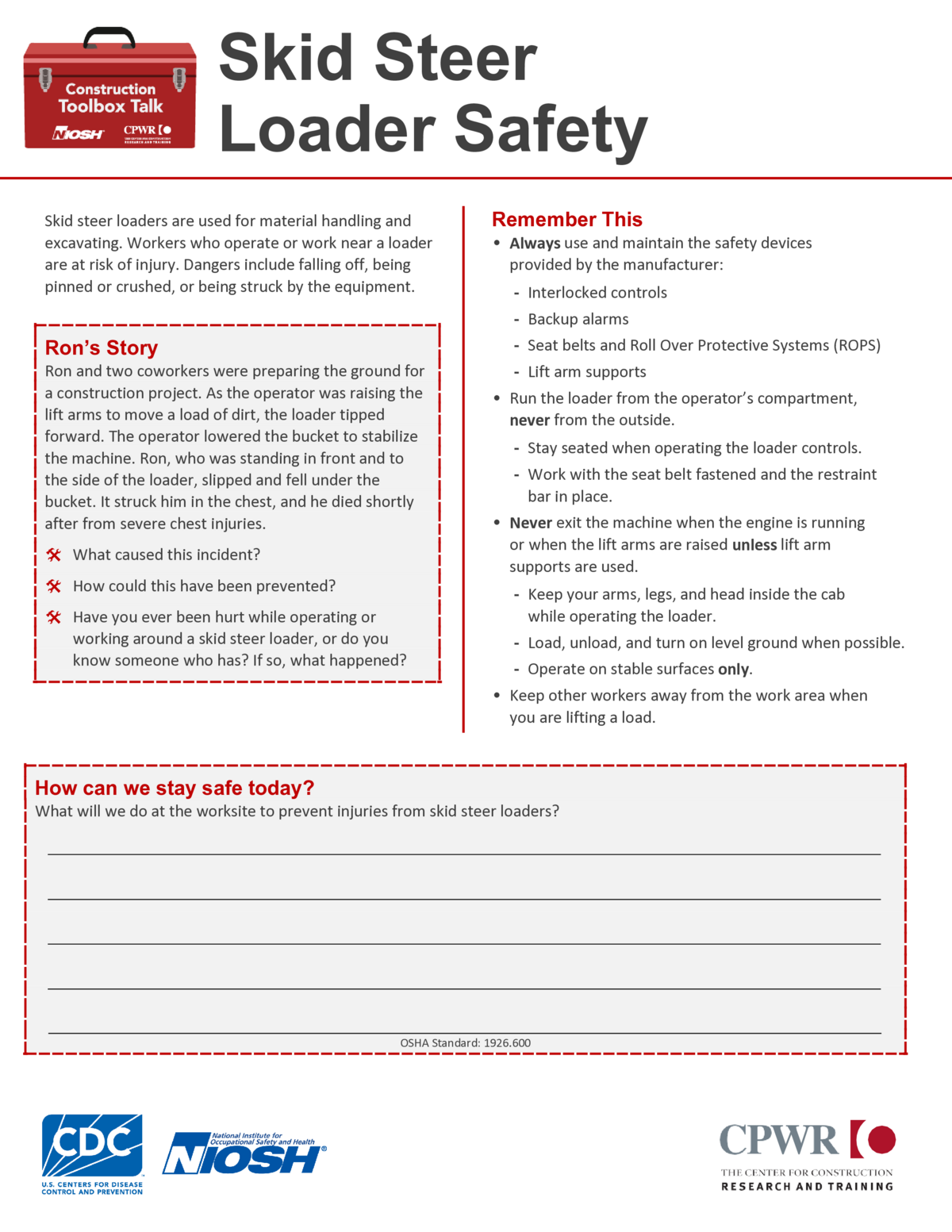
NIOSH Science Bulletins
News From Our Partners
New Partner Resource: Guide to Bringing Lifestyle Medicine into Workplaces
The American College of Occupational and Environmental Medicine partnered with the American College of Lifestyle Medicine to develop the Guide to Bringing Lifestyle Medicine into Workplaces. The guide helps organizations design practical, systems-level approaches to improve workforce health.
Occupational Health Nursing Courses Offered This October
The North Carolina Occupational Safety and Health Education and Research Center is offering two nursing courses this October in Chapel Hill, North Carolina:
- Occupational Health Nursing Fundamentals (October 19–21)
- Certified Occupational Health Nursing Review (October 21–23).
Each course runs 2½ days. See the event page for details.
Starlink May Improve Safety and Connectivity for Remote Forestry Work
A study funded by the Pacific Northwest Agricultural Safety and Health Center examined whether satellite internet systems like Starlink can provide reliable connectivity in forests where cell service is unavailable. Researchers tested Starlink across 30 forest plots in Idaho and found that dense tree cover and distance from equipment can limit connectivity. The findings offer early insight into how satellite internet could support communication, equipment coordination, and worker safety in remote forestry operations.
Enhancing Eye Safety Education Through Immersive Technology
The Ag Health and Safety Alliance developed Eye Safety 360° through a Southeastern Coastal Center for Agricultural Health and Safety pilot project to strengthen eye-safety awareness among young adults working in agriculture. The video features real agricultural tasks, proper personal protective equipment use, and young agricultural workers as role models. The video is being integrated into the Gear Up for Ag™ program, which combines virtual reality, live demonstrations, storytelling, and eLearning resources to prepare the next generation of agricultural workers.
This page was last updated on this date. Updates may include minor edits, image changes, or other modifications to page content.
The information on this page was last reviewed by subject matter experts to ensure accuracy.