



What to know
- Respiratory protection helps protect workers.
- NIOSH, the federal agency responsible for ensuring respirators work appropriately, supports worker safety through research, standards development, and educational resources.
Summary
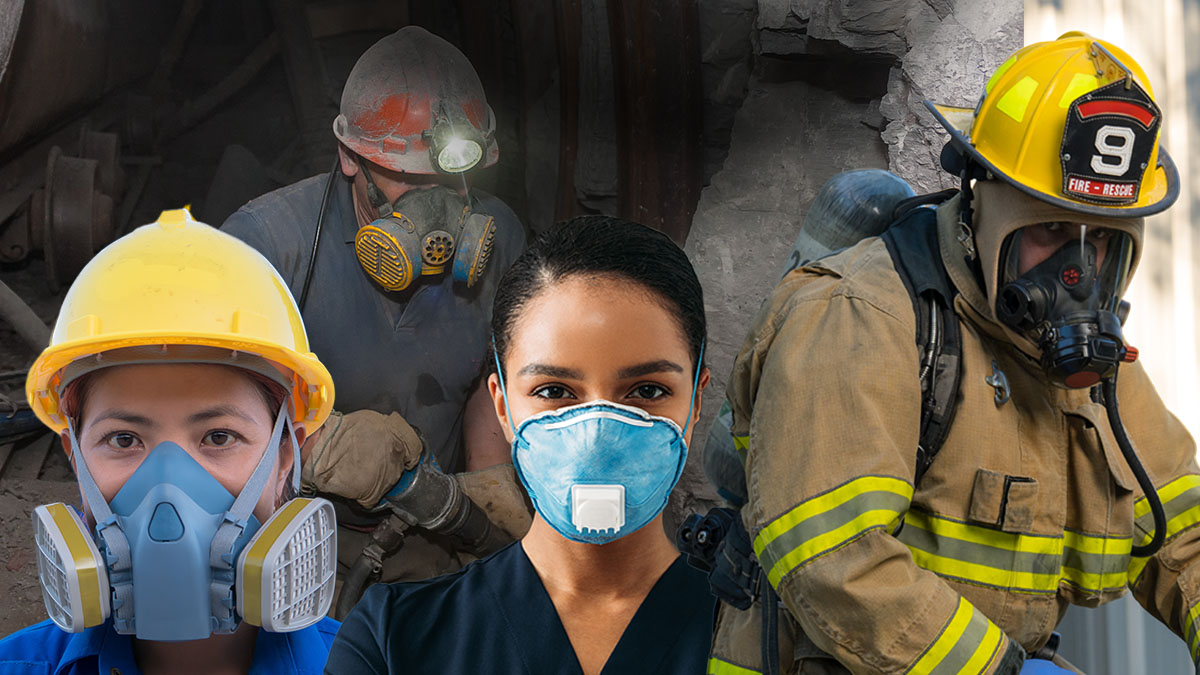
Every day, millions of workers rely on respiratory protection to keep them safe from airborne hazards on the job. This Respiratory Protection Day is September 1, 2026. NIOSH is highlighting important science, tools, and resources to help workers and employers make informed decisions about respiratory protection.
NIOSH's role in respiratory protection
When looking across the many sectors that use respiratory protection, there is a wide array of potential airborne hazards. Some of these hazards include viruses, wildfire smoke, silica dust, and toxic chemicals. When workplace controls cannot adequately reduce these exposures, respiratory protection may be needed — this is one way that NIOSH steps in.
Through our Respirator Approval Program, NIOSH ensures that the respirators used within occupational respiratory protection programs provide the necessary levels of protection.
NIOSH's role does not end once a respirator is approved. We also conduct post-market activities to monitor approved respirators, investigate potential concerns, and help ensure workers can continue to rely on their respiratory protection.
NIOSH develops tools and educational materials that help employers and workers make informed decisions when selecting and using these respirators. For example, the Certified Equipment List (CEL) provides a complete listing of NIOSH Approved® respirators to assist employers making purchasing decisions.
No matter the job—caring for patients, responding to emergencies, working underground, or building critical infrastructure—selecting the right respirator and using it properly are key to effective respiratory protection. The examples below highlight how the NIOSH PPE-related research, programs, and resources support workers in different occupational sectors.
Public Safety
Emergency responders and firefighters often work in rapidly changing environments. They may encounter smoke, hazardous chemicals, toxic gases, and other airborne hazards during emergency operations.
To help protect the safety and health of firefighters, NIOSH approves self-contained breathing apparatuses (SCBAs). When an SCBA has failed, demonstrates reduced performance, or no longer meets the required standards, NIOSH investigates. These investigations help ensure that active SCBAs remain reliable, approved, and safe for use in emergency operations. NIOSH published a series of fact sheets covering SCBA use risks and readiness as well as steps to take after experiencing issues with SCBAs, reduced performance, or failure.
In 2025, NIOSH released an updated version of the Chemical, Biological, Radiological, and Nuclear (CBRN) Respiratory Protection Handbook. This handbook provides key information for emergency responders or safety professionals managing respirator programs and selecting, using, and maintaining CBRN respirators. The update reflects new and emerging CBRN hazards that NIOSH Approved®A air-purifying respirators protect against.
NIOSH also offers respiratory protection resources through the Center for Firefighter Safety, Health, and Well-being and Emergency Preparedness and Response Program. Together, these efforts help workers, employers, and emergency response organizations recognize respiratory hazards and support appropriate selection and use of respiratory protection before, during, and after emergencies.
Healthcare
Healthcare workers also face changing environments with patient care presenting different exposure risks like infectious particles or hazardous drugs. Respirators play an important part in protecting them from these hazards.
Resources such as our Hospital Respiratory Protection Program Toolkit can help healthcare organizations strengthen their respiratory protection practices and promote proper respirator use. Additional resources support facilities that may be impacted by infectious disease outbreaks to prepare for supply shortages through stockpiling.
Mining
Mining environments can present respiratory hazards that differ from those found in other workplaces. Exposure to airborne hazards over long periods of time can negatively affect miners' respiratory health.
For underground coal miners, respiratory protection is not only important during daily operations but can also be critical during an emergency. Regulations require miners to have access to a self-contained self-rescuer (SCSR), also known as a closed-circuit escape respirator (CCER). These devices, approved by both NIOSH and the Mine Safety and Health Administration (MSHA), are designed to provide breathable air and support escape during underground mining emergencies.
Together NIOSH and MSHA conduct Long-Term Field Evaluations of approved SCSR and CCER units used in underground coal mines. These evaluations help assess respirator reliability and performance under real-world mining conditions.
The evaluation results are publicly available, along with other resources that support proper use of SCSRs and CCERs. The Respiratory Protection Resources for Mine Workers webpage provides links to reports with evaluation results and relevant PPE Case Reports . The reports provide findings from post-market PPE tests, evaluations, and investigations.
Construction
Construction workers help build and maintain the roads, buildings, and infrastructure that communities rely on every day. Work often takes place in changing environments where hazards can vary from one task to the next.
Depending on the job, workers may encounter airborne hazards like silica dust, welding fumes, or wood dust. Given the different exposure risks, it is essential that construction workers have the proper respirator for the job at hand. NIOSH published several resources to help employers select the correct respirator and train workers on proper use:
Protecting workers across sectors
No matter the sector, knowing the right respirator for the task and how to wear and use it properly is important to protect workers.
From respirator fit and use, to proper donning and doffing procedures, such as these for filtering facepiece respirators— NIOSH works to provide resources for workers and employers across sectors to help them promote proper respiratory protection practices.
Subscribe to our email list to stay up to date on new respirator-related resources and have a safe and healthy Respiratory Protection Day.
This page was last updated on this date. Updates may include minor edits, image changes, or other modifications to page content.
The information on this page was last reviewed by subject matter experts to ensure accuracy.
- NIOSH Approved is a registered certification trademark of the U.S. Department of Health and Human Services (HHS) in the United States and several other countries.