 An official website of the United States government



Alpha-gal Immunoglobulin E Seroprevalence Among Blood Donors — 10 States, 2024–2025
Weekly / July 2, 2026 / 75(25);315–321
Eleanor F. Saunders, MD1,2; Marissa L. Taylor, MPH2; Emma S. Jones, MS2; Brad J. Biggerstaff, PhD2; Julia M. Vorobiov3; David W. McCormick, MD4; Marion C. Lanteri, PhD5,6; Valerie Green, MS5; Brian Custer, PhD6,7; Laura Tonnetti, PhD8; Gilbert J. Kersh, PhD2; Scott P. Commins, MD, PhD3; Johanna S. Salzer, DVM, PhD2 (View author affiliations)
View suggested citationSummary
What is already known about this topic?
Alpha-gal syndrome (AGS) is an allergy to mammalian meat (e.g., pork, beef, and lamb), dairy, and by-products; most cases result from lone star tick bites. In 2022, up to 450,000 persons in the United States were estimated to be affected. AGS is diagnosed by alpha-gal immunoglobulin E (IgE) testing and a clinical evaluation. Persons can have alpha-gal IgE antibodies but not have AGS.
What is added by this report?
Based on 3,000 residual blood donor samples collected during 2024–2025 from 10 states, the estimated alpha-gal IgE seroprevalence was 24.0% in the five states with the highest seroprevalence (Arkansas, Kentucky, Missouri, Tennessee, and Virginia).
What are the implications for public health practice?
Because only a small minority of persons who are IgE seropositive have AGS, health care providers should only test patients with clinically compatible symptoms, and public health surveillance should include clinical criteria.
Altmetric:
Abstract
Alpha-gal syndrome (AGS) is an emerging, noninfectious tickborne disease characterized by an allergic reaction to galactose-α-1,3-galactose (alpha-gal), an oligosaccharide found in red (mammalian) meat and other mammalian products such as dairy and gelatin. As of 2022, AGS was estimated to affect up to 450,000 persons in the United States (1). Anaphylactic AGS reactions can be fatal, and AGS allergic reactions encompass a range of symptoms including urticaria, angioedema, wheezing, and gastrointestinal distress. AGS is primarily managed through an avoidance diet. The U.S. geographic distribution of AGS is closely associated with the range of the lone star tick (Amblyomma americanum); bites from this tick introduce alpha-gal through its saliva, which can trigger the allergy. Diagnosis of AGS requires both the presence of clinically compatible symptoms and the detection of serologic immunoglobulin E (IgE) antibodies against alpha-gal. Persons can have alpha-gal–specific IgE antibodies without clinical symptoms. The proportion of persons in the United States who are seropositive for alpha-gal IgE is unknown. To better understand the distribution and seroprevalence of alpha-gal IgE among U.S. adults, 3,000 serum samples collected during November 2024–April 2025 from blood donors living in 10 states were tested for the presence of alpha-gal IgE antibodies. States previously reported to have high numbers of suspected AGS cases were found to have correspondingly high seroprevalences. Among the 10 states, the highest estimated seroprevalences among persons aged ≥16 years were detected in Arkansas (31.2%) and Missouri (26.0%). These findings can guide the development of surveillance systems for AGS and help identify regions at increased risk.
Introduction
Alpha-gal syndrome (AGS) is an emerging, noninfectious tickborne disease. Persons with AGS experience allergic symptoms after exposure to the oligosaccharide galactose-α-1,3-galactose (alpha-gal). Alpha-gal is found in red (mammalian) meat, dairy products, and mammalian-derived byproducts such as gelatin. Alpha-gal is found naturally in the saliva of many tick species (2). In the United States, AGS is most commonly understood to develop after the bite of a lone star tick (Amblyomma americanum). Lone star and certain other tick bites induce production of alpha-gal–specific immunoglobulin E (IgE) by injecting salivary alpha-gal (the allergen) along with other tick salivary molecules such as prostaglandins that provoke the human immune response. Physical disruption of the skin barrier (e.g., through a tick bite) plays an important role in the development of this allergy (2,3).
Persons with IgE antibodies against alpha-gal either have AGS (symptomatically seropositive) or are sensitized (asymptomatically seropositive). The Council of State and Territorial Epidemiologists 2022 alpha-gal syndrome confirmed case definition requires clinical criteria and confirmatory laboratory evidence of serum or plasma alpha-gal–specific IgE of ≥0.1 kU/L. A case with no clinical information available but with confirmatory laboratory evidence is considered a suspect case. Tick bites increase the risk for both AGS and sensitization to alpha-gal (4,5). Only a small minority of persons who are seropositive have AGS, although the precise percentage is unknown. A 2019–2020 case-control study identified 63 control participants who were alpha-gal IgE seropositive in North Carolina, none of whom had AGS (4). However, as with other allergies, being sensitized to a specific allergen might be a risk factor for future development of the corresponding allergy (6).
Studies have examined alpha-gal IgE seroprevalence in certain populations at risk for tick exposure or within specific geographic regions (3,5). Among adults in the southeastern United States, seroprevalences between 16% in a Virginia study (3) and 60% among North Carolina state park and forestry employees (5) have been reported. To further understand the geographic distribution of alpha-gal IgE seropositivity, seroprevalence was estimated at a state population level using data from blood donor samples in 10 states.
Methods
Data Source
During November 14, 2024–April 9, 2025, samples of residual donor serum and corresponding demographic variables (age, sex, race and ethnicity, zip code, and county of residence) were obtained from specimens collected from 3,000 unique blood donors* (300 per state from 10 selected states: Arkansas, Kentucky, Maine, Minnesota, Missouri, New Mexico, South Carolina, Tennessee, Virginia, and Washington).† County of residence included U.S. Census Bureau county–equivalent entities, including the city of St. Louis, Missouri, and multiple independent cities in Virginia. Samples were acquired by Creative Testing Solutions via quota sampling of sequential residual donor sera. Consent for the use of specimens for research purposes was obtained by the American Red Cross and Vitalant from blood donors at the time of blood donation, per routine protocol.
Serologic Analysis
Serum was tested at the University of North Carolina at Chapel Hill using ImmunoCAP o215 (Thermo Fisher Scientific; Waltham, Massachusetts), a highly sensitive blood test component that measures alpha-gal–specific IgE antibodies, using the Phadia 250 instrument (Phadia; Uppsala, Sweden). An alpha-gal IgE titer of ≥0.1 kU/L was defined as a positive result.
Statistical Analysis
For population inference, poststratification based on 2020 U.S. Census Bureau data was used to account for differences between the sampled blood donors and each donor’s state population, aligning the sample data with the age group (16–34, 35–44, 45–54, 55–64, 65–74, and ≥75 years) and sex distributions of each donor’s state population. Univariate logistic regression was used to calculate the estimated odds of seropositivity by age, sex, race, ethnicity, and urban-rural county designation adapted from the 2023 National Center for Health Statistics (NCHS) Urban-Rural Classification Scheme. The six NCHS categories were subgrouped into three categories: urban (large central metropolitan), suburban (large fringe metropolitan, medium metropolitan, and small metropolitan), and rural (micropolitan and noncore). Bonferroni adjustments for multiple comparisons were applied to comparisons of interest. A logistic quasibinomial regression model was used to quantify the relationship between seropositivity and county population density from the 2020 U.S. Census Bureau. Statistical analyses were performed using R (version 4.5.0; R Foundation). Statistical significance was defined as a 95% CI that excluded the null value. This activity was reviewed by CDC, deemed research not involving human subjects, and conducted consistent with applicable federal law and CDC policy.§
Results
Demographics of Blood Donors
The median age of blood donors included in the study was 62 years (range = 16–95 years). A total of 56.2% were male, 92.9% were White, and 93.4% were not Hispanic or Latino (non-Hispanic) (Table 1).
Estimated Alpha-gal IgE Seroprevalence, by State
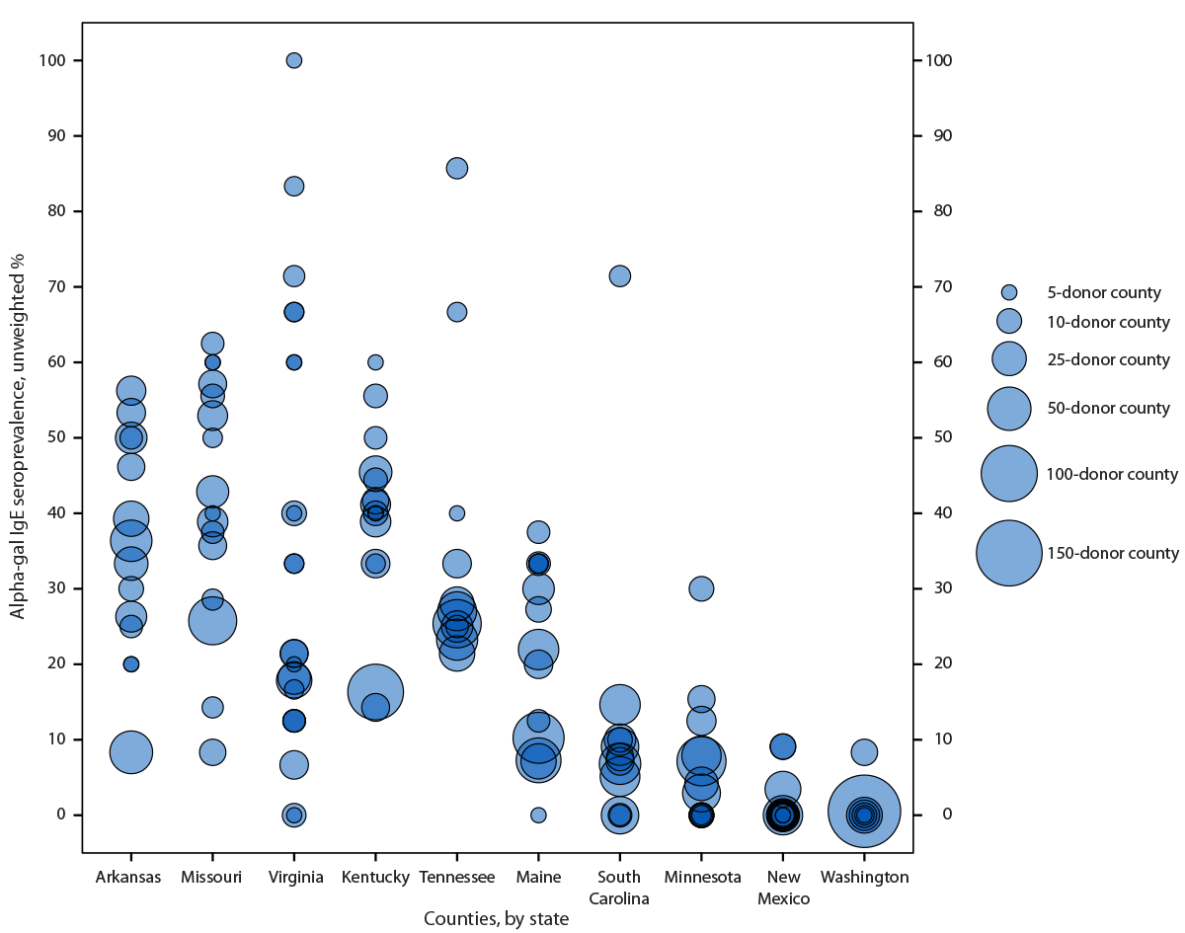
Estimated (poststratified) alpha-gal IgE seroprevalence ranged from 1.1% in Washington to 31.2% in Arkansas (Table 2). Among positive test results in each state, estimated geometric mean alpha-gal IgE titers were highest in Kentucky and lowest in Washington (Supplementary Figure 1). Seroprevalence was not uniform within states, as evidenced by substantial variations by county (Figure). The combined estimated seroprevalence in the five states with the highest seroprevalence was 24.0%.
Population Characteristics by Alpha-gal IgE Serostatus
The estimated alpha-gal IgE seroprevalence among persons aged 16–34 years was lower than that among persons aged 55–64 years (odds ratio [OR] = 0.40). Estimated seroprevalence was higher among males than among females (OR = 1.61). The estimated seroprevalence among Hispanic persons (who accounted for 4.8% of blood donor samples) was lower than that of non-Hispanic persons (OR = 0.43). For every tenfold increase in county population density, the probability that a county resident aged ≥16 years was alpha-gal IgE seropositive decreased by 29.5%. Counties with at least one seropositive donor were predominantly suburban or rural. However, in states with high seroprevalences, urban counties also had seropositive donors (Supplementary Figure 2). Blood donors with positive alpha-gal IgE antibody titers were identified in urban counties in Kentucky, Missouri, Tennessee, and Virginia. Among all counties in Arkansas, none of them are classified as urban.
Discussion
The U.S. geographic distribution of alpha-gal IgE seroprevalence identified in this serosurvey is similar to the distribution of suspected cases of AGS (1). In this analysis, estimated alpha-gal IgE seroprevalence was higher in states with established populations of lone star ticks (Arkansas, Kentucky, Missouri, South Carolina, Tennessee, and Virginia) than in the four analyzed states outside the lone star tick range. New Mexico and Washington are outside the established range of this tick species, whereas southernmost Minnesota and southeastern coastal Maine are within the estimated range but do not have documented established populations of lone star ticks. Despite the documented presence of lone star ticks in South Carolina, estimated seroprevalence in this state was low. The reason South Carolina has fewer reported cases of both AGS and ehrlichiosis, a serious bacterial infection primarily transmitted by the lone star tick, compared with reported cases from neighboring states, is unknown (1). Although coastal Maine is on the northern edge of the lone star tick range, recent evidence indicates that bites from blacklegged ticks (Ixodes scapularis), a species found in Maine, can also cause AGS. This finding might account for the relatively high seroprevalence observed in Maine (2,7). Understanding the geographic distribution of seroprevalence in selected U.S. states can strengthen public health surveillance and guide clinicians about local risk.
County population density was found to be inversely associated with seroprevalence. Although residents of less populated areas are at higher risk for tick bites, and bites of the lone star tick are the primary known risk factor for alpha-gal IgE seropositivity (4), seroprevalence was not statistically different in rural, suburban, and urban areas. This might be attributable in part to the details of rural, suburban, and urban definitions; the narrow definition of urban in this study (comprising large central metropolitan counties only, accounting for 8.0% of blood donors); travel and relocation; and opportunities for tick encounters in all county types.
Alpha-gal IgE testing has low specificity for AGS; results from this study indicate that nearly one fourth (24%) of the population aged ≥16 years in states with the highest numbers of suspected AGS cases per population would receive a positive alpha-gal IgE test result. In one 10-year chart review of patients seeking care at an allergy clinic in Suffolk County, New York, 7.5% of referred patients were determined by the allergist to be seropositive only (i.e., sensitized), without clinically compatible AGS symptoms (8). Reliance on positive alpha-gal IgE test results without considering whether patients also have clinical signs and symptoms of AGS might result in overdiagnosis and unnecessary dietary restrictions. In addition, although cardiovascular implications of sensitization have been studied (9), the evidence is insufficient to recommend dietary modifications for sensitized but nonallergic persons. Overdiagnosis poses challenges for public health surveillance, the goal of which is to identify clinical disease. Indiscriminate clinical testing might increase the time and effort needed by public health officials to verify that clinical criteria are met for case identification.
Limitations
The findings in this report are subject to at least three limitations. First, the voluntary blood donor population differs from the general population because it typically comprises persons who have higher socioeconomic and health statuses, are predominantly White, and were born in the United States (10). Poststratification by age and sex was used to reduce potential biases in inference that might have resulted from using blood donor samples; however, these characteristics are not expected to be completely aligned with relevant donor and population differences. The number of donors in this study who were not White was too low to enable making reliable inferences by race. Second, opportunistic sampling methods and the location of blood donation centers resulted in uneven geographic coverage within states, decreasing statewide representativeness. Finally, blood donors disproportionately have type O blood, which might have affected the findings; increasing evidence indicates that alpha-gal IgE seroprevalence might be lower in persons with type B blood (3). Type B blood has been found to be protective against both alpha-gal seropositivity and AGS. This might have resulted in seroprevalence overestimates in this report because the general U.S. population includes more persons with type B blood than does the blood donor sample population.
Implications for Public Health Practice
The estimated state-level alpha-gal IgE seroprevalences in this study far exceed the 2022 estimate of up to 450,000 persons nationwide affected by AGS (0.14% of the U.S. population, based on the 2022 U.S. Census Bureau estimated population). As AGS becomes a reportable condition in an increasing number of states and disease surveillance efforts increase, more data will become available to ascertain the proportion of seropositive persons who also are allergic (i.e., have AGS).
In areas of the United States where lone star tick populations are established, 5.5%–31.2% of the human population aged ≥16 years might receive a positive alpha-gal IgE test result and therefore possibly be at increased risk for future development of AGS. Because of this level of population seroprevalence using the current diagnostic test and threshold for positivity, IgE testing should only be performed for patients with a clinical history and symptoms consistent with AGS. A more specific diagnostic method, and possibly an increase in the threshold for alpha-gal IgE positivity, are needed to improve AGS surveillance (4). Public health case investigations will be required to evaluate clinical symptoms in addition to IgE testing data, which could strain the resources in the most affected states. Blood donor seroprevalence data align well geographically with areas where persons are impacted by AGS. This adds further support for a geographic focus for AGS surveillance, tick bite prevention, and health care provider education. Elevated alpha-gal IgE seroprevalence might also serve as sentinel surveillance for areas and populations where cases might be underdiagnosed and underreported to improve estimates of AGS incidence.
Acknowledgments
The 3,000 blood donors who provided blood donations and the samples analyzed in this work; Lynnette Curtice, CDC.
Corresponding author: Johanna S. Salzer, hio7@cdc.gov.
1Division of Infectious Diseases, Department of Medicine, School of Medicine, University of North Carolina at Chapel Hill, Chapel Hill, North Carolina; 2Division of Vector-Borne Diseases, National Center for Emerging and Zoonotic Infectious Diseases, CDC; 3Division of Rheumatology, Allergy, and Immunology, Department of Medicine, School of Medicine, University of North Carolina at Chapel Hill, Chapel Hill, North Carolina; 4Division of Healthcare Quality Promotion, National Center for Emerging and Zoonotic Infectious Diseases, CDC; 5Creative Testing Solutions, Tempe, Arizona; 6Department of Laboratory Medicine, University of California San Francisco, San Francisco, California; 7Vitalant Research Institute, San Francisco, California; 8American Red Cross, Rockville, Maryland.
All authors have completed and submitted the International Committee of Medical Journal Editors form for disclosure of potential conflicts of interest. Eleanor F. Saunders reports honoraria or conference support from the Food Allergy Anaphylaxis Connection Team; State University of New York Upstate Medical University; and the American Academy of Allergy, Asthma, & Immunology; and membership on the Alpha-Gal Syndrome Expert Advisory Council Steering Committee. Scott P. Commins reports service as the past president of the Southeastern Allergy, Asthma & Immunology Society; advisory board membership for Genentech and Regeneron; author royalties from UptoDate; and grants from the National Institute of Allergy and Infectious Diseases, CDC, and Revivicor. No other potential conflicts of interest were disclosed.
* Serum samples and demographic variables were collected through Creative Testing Solutions, which provides laboratory testing to the blood collection organizations American Red Cross and Vitalant. Samples from all states except Arkansas were collected during November 14, 2024–January 21, 2025. Samples from Arkansas were collected during November 22, 2024–April 9, 2025.
† During 2017–2022, Arkansas, Kentucky, Missouri, Tennessee, and Virginia had the highest numbers of suspected AGS cases per population. New Mexico and Washington were selected as states without lone star ticks and with low numbers of suspected AGS cases. Maine, Minnesota, and South Carolina were considered to have moderate numbers of suspected AGS cases. Maine was selected because 1) the state is at the leading edge of the northward expansion of lone star ticks and 2) Maine CDC has performed and published AGS surveillance as a reference point. Minnesota was selected as a state with a relatively high number of suspected AGS cases relative to its minimal lone star tick populations. South Carolina was selected as a state with established lone star tick populations but with fewer suspected AGS cases than its neighboring states.
§ 45 C.F.R. part 46; 21 C.F.R. part 56; 42 U.S.C. Sect. 241(d), 5 U.S.C. Sect. 552a, 44 U.S.C. Sect. 3501 et seq.
References
- Thompson JM, Carpenter A, Kersh GJ, Wachs T, Commins SP, Salzer JS. Geographic distribution of suspected alpha-gal syndrome cases—United States, January 2017–December 2022. MMWR Morb Mortal Wkly Rep 2023;72:815–20. https://doi.org/10.15585/mmwr.mm7230a2 PMID:37498787
- Crispell G, Commins SP, Archer-Hartman SA, et al. Discovery of alpha-gal–containing antigens in North American tick species believed to induce red meat allergy. Front Immunol 2019;10:1056. https://doi.org/10.3389/fimmu.2019.01056 PMID:31156631
- Richards NE, Ailsworth SM, Workman LJ, et al. Mammalian meat allergy and IgE to alpha-gal in central Virginia: findings from a COVID-19 vaccine and patient cohort. J Allergy Clin Immunol Pract 2024;12:2817–25.e2. https://doi.org/10.1016/j.jaip.2024.06.035 PMID:38944197
- Kersh GJ, Salzer J, Jones ES, et al. Tick bite as a risk factor for alpha-gal-specific immunoglobulin E antibodies and development of alpha-gal syndrome. Ann Allergy Asthma Immunol 2023;130:472–8. https://doi.org/10.1016/j.anai.2022.11.021 PMID:36574585
- Mitchell CL, Lin FC, Vaughn M, Apperson CS, Meshnick SR, Commins SP. Association between lone star tick bites and increased alpha-gal sensitization: evidence from a prospective cohort of outdoor workers. Parasit Vectors 2020;13:470. https://doi.org/10.1186/s13071-020-04343-4 PMID:32928302
- Thorpe M, Movérare R, Fischer C, Lidholm J, Rudengren M, Borres MP. History and utility of specific IgE cutoff levels: what is the relevance for allergy diagnosis? J Allergy Clin Immunol Pract 2023;11:3021–9. https://doi.org/10.1016/j.jaip.2023.05.022 PMID:37245730
- Saunders EF, Sohail H, Myles DJ, et al. Alpha-gal syndrome after Ixodes scapularis tick bite and statewide surveillance, Maine, USA, 2014–2023. Emerg Infect Dis 2025;31:809–13. https://doi.org/10.3201/eid3104.241265 PMID:40133069
- Heffes-Doon A, McGintee E, Akerman M, Banta E. Characterization of alpha-gal syndrome and sensitization on Eastern Long Island. J Allergy Clin Immunol Pract 2024;12:1655–6. https://doi.org/10.1016/j.jaip.2024.02.028 PMID:38423286
- Wilson JM, Nguyen AT, Schuyler AJ, et al. IgE to the mammalian oligosaccharide galactose-α-1,3-galactose is associated with increased atheroma volume and plaques with unstable characteristics—brief report. Arterioscler Thromb Vasc Biol 2018;38:1665–9. https://doi.org/10.1161/ATVBAHA.118.311222 PMID:29903734
- Patel EU, Bloch EM, Grabowski MK, et al. Sociodemographic and behavioral characteristics associated with blood donation in the United States: a population-based study. Transfusion 2019;59:2899–907. https://doi.org/10.1111/trf.15415 PMID:31222779

Abbreviations: IgE = immunoglobulin E; OR = odds ratio.
* Arkansas, Kentucky, Maine, Minnesota, Missouri, New Mexico, South Carolina, Tennessee, Virginia, and Washington.
† The number and percentage of each category refer to the blood donor samples (i.e., the raw data).
§ The alpha-gal IgE threshold for positivity is 0.1 kU/L.
¶ Estimated seroprevalence refers to poststratification weighted seroprevalence, representing the general population aged ≥16 years within the 10 states. Data were weighted by age and sex on a state population level to account for differences between the blood donor population and each donor’s state population. The lower CI bounds were truncated at 0.
** Unadjusted ORs are based on poststratified data. Bonferroni adjustments for multiple comparisons were made when computing 95% CIs. 95% CIs that excluded the null value (i.e., 1 for OR) were considered statistically significant.
†† Race and ethnicity categories for data provided by the American Red Cross and Vitalant differ from those in the Office of Management and Budget’s Statistical Policy Directive No. 15.
Abbreviations: AGS = alpha-gal syndrome; IgE = immunoglobulin E; OR = odds ratio.
* Arkansas, Kentucky, Maine, Minnesota, Missouri, New Mexico, South Carolina, Tennessee, Virginia, and Washington.
† The alpha-gal IgE threshold for positivity is 0.1 kU/L.
§ Estimated seroprevalence refers to poststratification weighted seroprevalence representing the general population aged ≥16 years within the 10 states. Data were weighted by age and sex by state to account for differences between the blood donor population and each donor’s state population. The lower CI bounds were truncated at 0.
¶ Unadjusted ORs are based on poststratified data. ORs comparing states are not displayed. Bonferroni adjustments for multiple comparisons were made when computing 95% CIs. 95% CIs that excluded the null value (i.e., 1 for OR) were considered statistically significant.
** During 2017–2022, Arkansas, Kentucky, Missouri, Tennessee, and Virginia had the highest numbers of suspected AGS cases per population. New Mexico and Washington were selected as states without lone star ticks and with low numbers of suspected AGS cases. Maine, Minnesota, and South Carolina were considered to have moderate numbers of suspected AGS cases. Maine was selected because 1) the state is at the leading edge of the northward expansion of lone star ticks and 2) Maine CDC has performed and published AGS surveillance as a reference point. Minnesota was selected as a state with a relatively high number of suspected AGS cases relative to its minimal lone star tick populations. South Carolina was selected as a state with established lone star tick populations but with fewer suspected AGS cases than its neighboring states.
†† Rural, suburban, and urban designations are adapted from the National Center for Health Statistics 2023 Urban-Rural Classification Scheme. Rural incorporates noncore and micropolitan counties, suburban incorporates small metropolitan, medium metropolitan, and large fringe metropolitan, and urban refers to large central metropolitan.
 FIGURE. Seroprevalence* of alpha-gal immunoglobulin E among blood donors, by county and state, with number of donors per county† — 10 states,§ November 2024–April 2025
Abbreviations: AGS = alpha-gal syndrome; IgE = immunoglobulin E.
* Within each state, included counties are those in which at least five blood donors contributed to the current investigation. Seroprevalences are based on raw, unweighted blood donor seropositivity data. Alpha-gal IgE seroprevalence was weighted by age and sex on a state level. Weighting was not performed at the county level.
† For counties with at least five blood donors: these data represent 146 (41.1%) of 355 counties in the full dataset and 2,591 (86.4%) of 3,000 total blood donors.
§ During 2017–2022, Arkansas, Kentucky, Missouri, Tennessee, and Virginia had the highest numbers of suspected AGS cases per population. New Mexico and Washington were selected as states without lone star ticks and with low numbers of suspected AGS cases. Maine, Minnesota, and South Carolina were considered to have moderate numbers of suspected AGS cases. Maine was selected because 1) the state is at the leading edge of the northward expansion of lone star ticks, and 2) Maine CDC has performed and published AGS surveillance as a reference point. Minnesota was selected as a state with a relatively high number of suspected AGS cases relative to its minimal lone star tick populations. South Carolina was selected as a state with established lone star tick populations but with fewer suspected AGS cases than its neighboring states.
Suggested citation for this article: Saunders EF, Taylor ML, Jones ES, et al. Alpha-gal Immunoglobulin E Seroprevalence Among Blood Donors — 10 States, 2024–2025. MMWR Morb Mortal Wkly Rep 2026;75:315–321. DOI: http://dx.doi.org/10.15585/mmwr.mm7525a1.
MMWR and Morbidity and Mortality Weekly Report are service marks of the U.S. Department of Health and Human Services.
Use of trade names and commercial sources is for identification only and does not imply endorsement by the U.S. Department of
Health and Human Services.
References to non-CDC sites on the Internet are
provided as a service to MMWR readers and do not constitute or imply
endorsement of these organizations or their programs by CDC or the U.S.
Department of Health and Human Services. CDC is not responsible for the content
of pages found at these sites. URL addresses listed in MMWR were current as of
the date of publication.
All HTML versions of MMWR articles are generated from final proofs through an automated process. This conversion might result in character translation or format errors in the HTML version. Users are referred to the electronic PDF version (https://www.cdc.gov/mmwr) and/or the original MMWR paper copy for printable versions of official text, figures, and tables.
Questions or messages regarding errors in formatting should be addressed to mmwrq@cdc.gov.