



Key points
- The best way to protect yourself from Lyme disease is to prevent tick bites.
- You may be at risk if you spend time outdoors in areas where Lyme disease occurs.
- Lyme disease is most common in the Northeast, mid-Atlantic, and upper-Midwest regions of the United States.

Overview
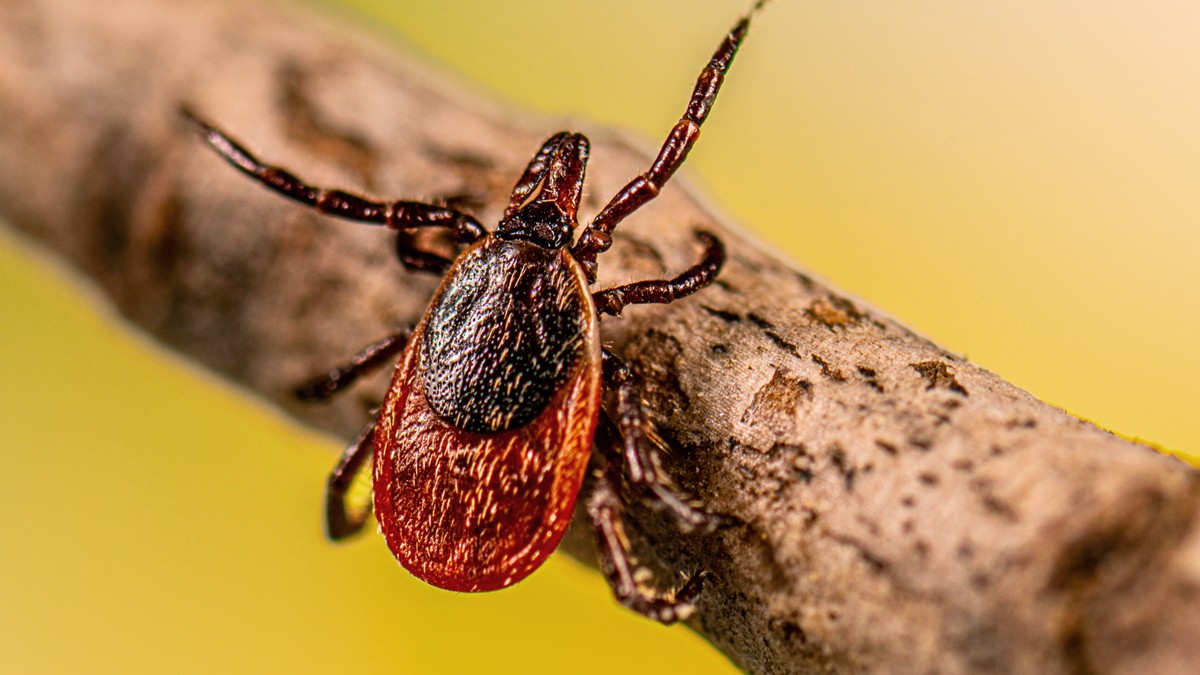
The bacteria that cause Lyme disease are spread to people through the bites of infected blacklegged ticks, also called deer ticks. Lyme disease is the leading cause of tickborne disease in the United States, with an estimated 476,000 Lyme disease infections diagnosed and treated each year. Preventing tick bites is the best way to protect yourself and loved ones from Lyme disease.
Exposure
If you spend time outdoors in areas where Lyme disease occurs, you could be bitten by an infected blacklegged tick. Most cases of Lyme disease happen in the Northeast, mid-Atlantic, and upper-Midwest regions of the United States. Some Lyme disease cases occur on the Pacific Coast.
Pets can also carry ticks into your home or yard from outside, which can then attach to or bite a person later. Although dogs and cats can get Lyme disease, there is no evidence they can spread it directly to people.
Most cases of Lyme disease are reported in the summer months, though Lyme disease cases occur year-round. Blacklegged ticks can be active and bite people any time winter temperatures are above freezing.
Prevention steps and strategies
Prevent tick bites when outdoors
- Avoid grassy, brushy, or wooded areas where ticks live.
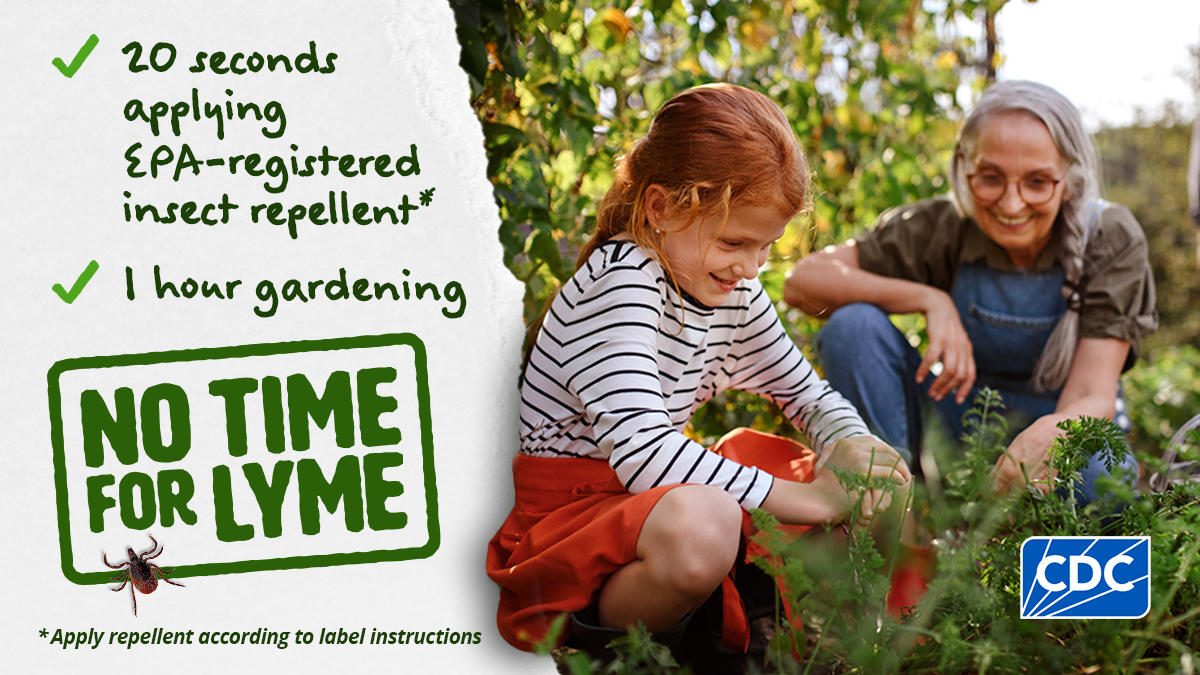
- Use Environmental Protection Agency (EPA)-registered insect repellent containing DEET, picaridin, IR3535, oil of lemon eucalyptus (OLE), para-menthane-diol (PMD), or 2-undecanone.
- Wear long-sleeved shirts and pants, or clothing and gear pre-treated with 0.5% permethrin.
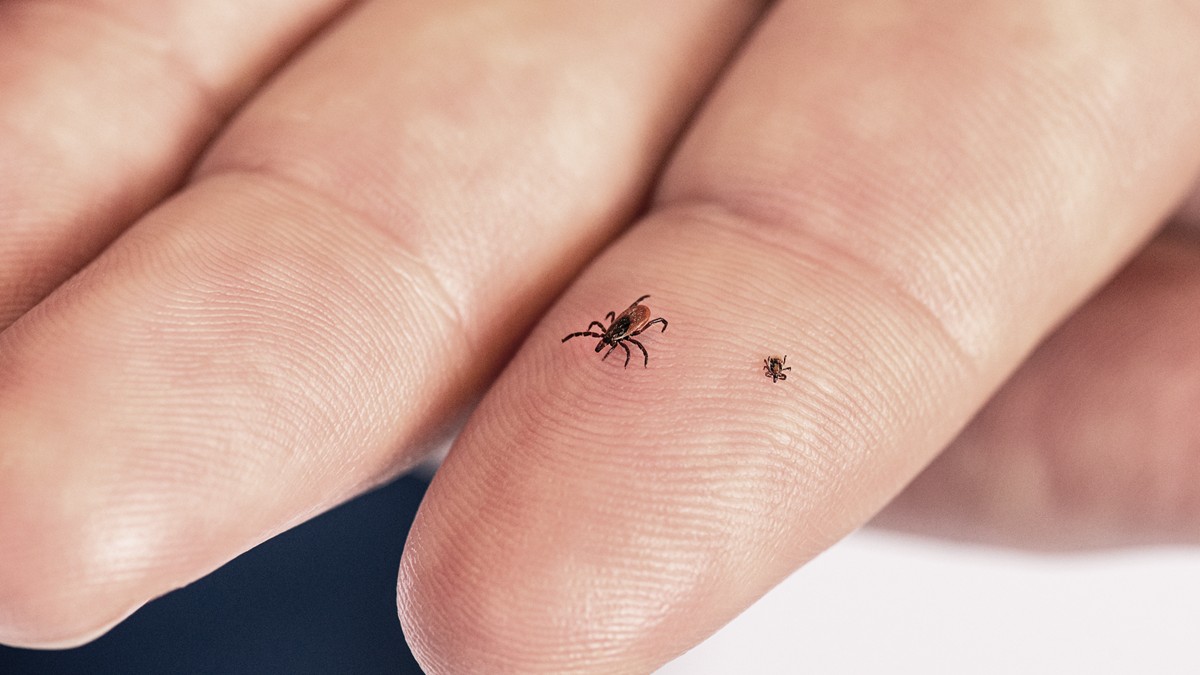
- Check your body, clothing, gear, and pets for ticks during and after being outdoors, including in your own backyard. Consider using a lint roller to roll over your skin, clothing, and gear to remove unattached ticks you cannot see.
- Shower soon after being outdoors to wash off unattached ticks.
- Remove attached ticks as soon as possible. Do not wait to go to a healthcare provider to remove the tick. Delaying tick removal could increase your risk of getting Lyme disease or other diseases spread through tick bites.
Prevent ticks on pets
- Use a tick preventive product on your dog. Talk to your veterinarian about the best tick prevention product for your dog.
- Cats are extremely sensitive to a variety of chemicals. Do not apply any tick prevention products to your cats without first asking your veterinarian.
- Check pets for ticks daily if they go outdoors.
Reduce tick habitat in your yard
- Place a 3-foot-wide barrier of wood chips or gravel between lawns and wooded areas to discourage contact with brushy or grassy borders beyond the lawn.
- Keep grass mowed, remove leaf litter, and clear tall grasses and brush. Fewer blacklegged ticks have been found on well-maintained lawns that are not near brushy or grassy areas.
- Trim tree branches and shrubs to let in more sunlight. Ticks are less likely to be found in bright, sunny areas.
- Keep playground equipment, decks, and patios away from grassy, brushy, or wooded areas.
Post-exposure antibiotics
In certain circumstances, a single dose of doxycycline after a tick bite in an area where Lyme disease is common may lower risk of Lyme disease. Ask your healthcare provider if antibiotics after a tick bite are appropriate for you.