


Key points
- Check your blood pressure regularly to help keep it under control.
- Healthy lifestyle habits and, for many people, medicine can help control high blood pressure.
- Work with your health care team to create a treatment plan that's right for you.
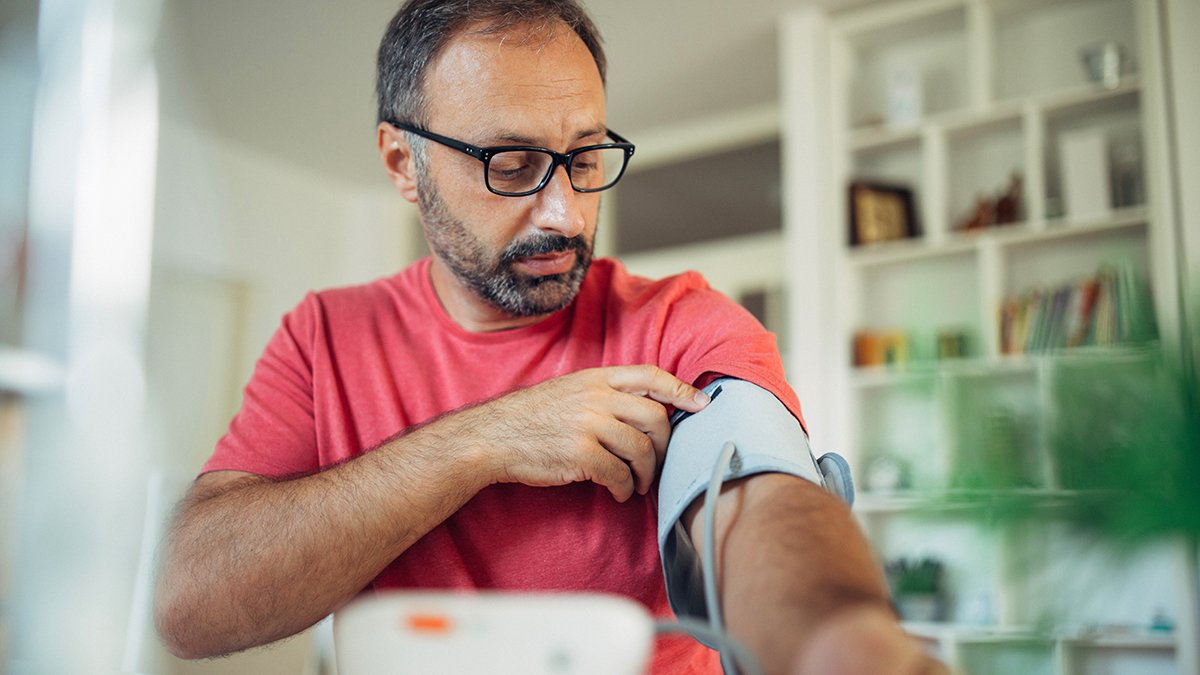
Measuring your blood pressure on a regular basis
High blood pressure often has no symptoms. Checking your blood pressure is the only way to know if it is too high.
If you have high blood pressure, checking your blood pressure regularly can help you and your health care team know how well your treatment plan is working. Keeping your blood pressure under control can lower your risk for heart disease and stroke.
Managing related health conditions
Managing your lifestyle and other health conditions can also help support your heart health.
Healthy lifestyle habits
Healthy lifestyle habits can help manage high blood pressure and reduce your risk for heart disease, heart attack, and stroke.
- Get regular physical activity.
- Eat healthy foods.
- Maintain a healthy weight.
- Do not smoke.
Diabetes
About 3 out of 4 people with diabetes also have high blood pressure. If you have diabetes, following your treatment plan can help manage your blood sugar and support your overall heart health.
Overweight and obesity
Having overweight or obesity increases your risk for high blood pressure. Achieving and maintaining a healthy weight can help lower your blood pressure and reduce your risk for heart disease and stroke.
Mental health
Long-term stress and mental health conditions, such as depression, anxiety, and post-traumatic stress disorder (PTSD), may contribute to high blood pressure. Talk with your health care team about ways to support your mental health.
Blood pressure medicines
By making these lifestyle changes, you can help keep your blood pressure levels healthy.
Many people need to take medicine in addition to making lifestyle changes to help keep their blood pressure in a healthy range. Your health care team may prescribe you one or more medicines based on your health needs.
The U.S. Food & and Drug Administration (FDA) has more information on medications to control high blood pressure.
How do blood pressure medicines work?
Blood pressure medicines work in different ways to help lower blood pressure by:
- Helping your body get rid of excess water and sodium.
- Relaxing your blood vessels.
- Helping your heart beat with less force.
- Blocking nerve activity that can narrow your blood vessels.
Taking blood pressure medicine
Take your blood pressure medicine exactly as directed. Do not stop taking it without talking to your health care team or pharmacist first. Stopping your blood pressure medicine without medical advice could lead to serious health problems.
Monitor your blood pressure at home. Keep a record of your readings and share them with your health care team. This information can help you decide together whether your treatment plan is working or needs to be adjusted.
Benefits and risks
Blood pressure medicines can help keep your blood pressure in a healthy range and lower your risk for heart disease, heart attack, and stroke. Like all medicines, they can have benefits, risks, and side effects. Talk with your health care team about the medicines that are right for you.
Side effects
Most people do not have side effects from blood pressure medicines. When side effects occur, they are often mild and may include dizziness, headaches, swelling in the legs or feet, or stomach problems.
Some over-the-counter medicines, such as nasal decongestants, can raise blood pressure or interact with blood pressure medicines. Tell your health care team about any prescription medicines, over-the-counter medicines, vitamins, or supplements you take.
Create a care plan with your health care team
Managing high blood pressure is an ongoing process. Work with your health care team to create a care plan that's right for you. Review your treatment plan regularly, bring a list of questions to your appointments, and let your provider know your home blood pressure readings or if you have concerns about your treatment.
This page was last updated on this date. Updates may include minor edits, image changes, or other modifications to page content.
The information on this page was last reviewed by subject matter experts to ensure accuracy.