



At a glance
Radiation comes from natural and manmade sources and is part of our daily lives. Learn about different radiation sources and ways to protect your health.
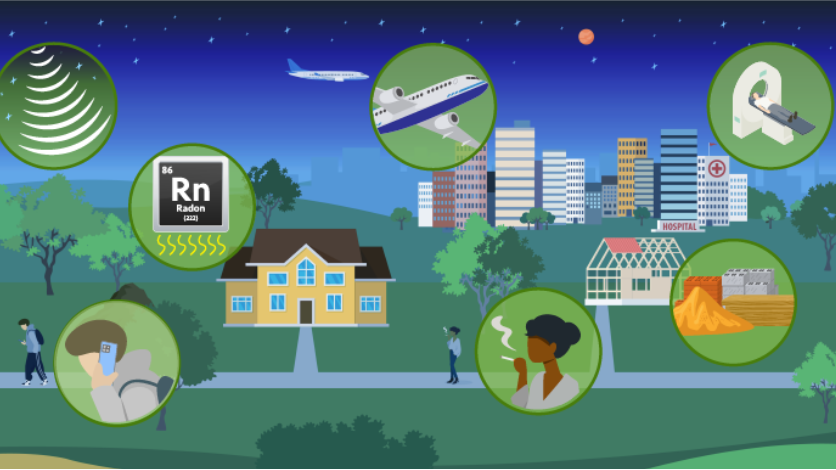
Radiation in everyday objects

The amount of radiation people get from air travel is low.
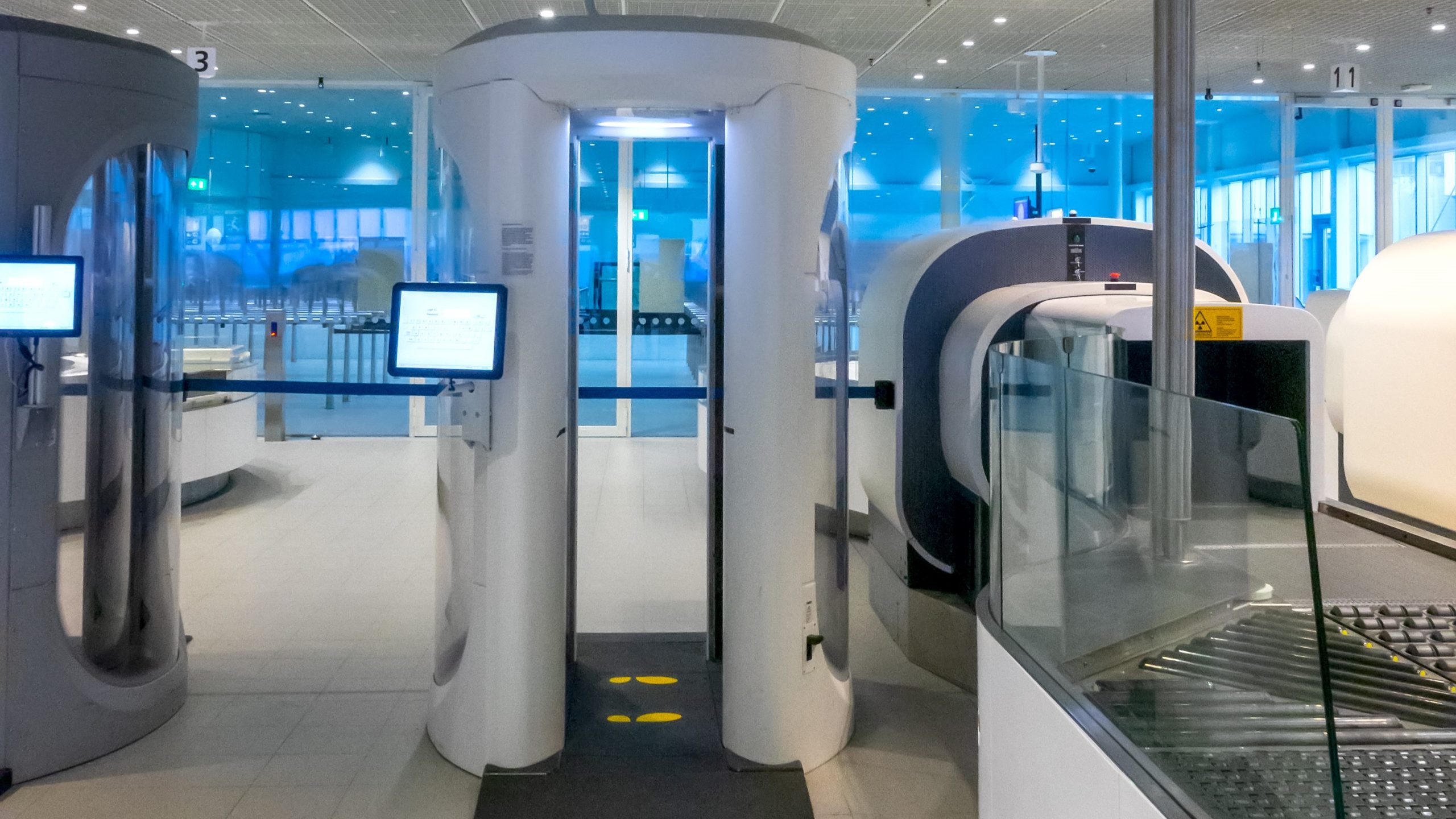
Airport body scanners release low levels of radiation.

We are all exposed daily to small amounts of radiation from natural sources.

Breathing polonium-210 and lead-210 over time can lead to cancer.

Cell phones are used every day. Some people wonder if cell phones can cause health problems.

Ultraviolet (UV) radiation is non-ionizing and is emitted by both natural and artificial sources.

Wearable technology uses low-powered radiofrequency (RF) and emits a type of non-ionizing radiation.
Radiation in nature

A natural source of radiation is from space, also known as cosmic radiation.

Radioactive materials are all around us and can be naturally found in the earth.
Imaging procedures with radiation
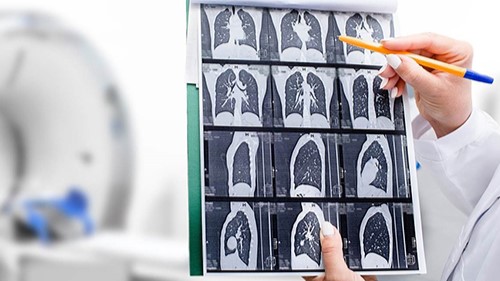
CT scans require more exposure than x-rays, but allow your provider to see more detailed images.

DEXA scans measure bone density by passing a high and low energy x-ray beam through the body.

Fluoroscopy is a medical procedure that allows doctors to see movements inside a part of the body.
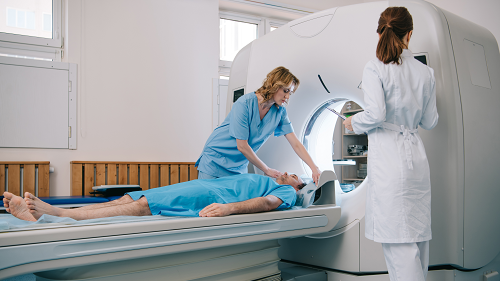
Nuclear medicine can be used by healthcare providers for both diagnosis and treatment.
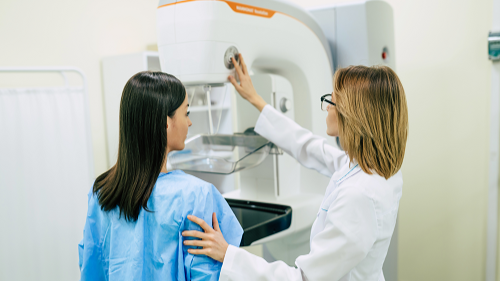
Mammograms may be recommended when believed that the benefits outweigh the risks for your health.
Content Source:
National Center for Environmental Health