



Key points
- Powassan virus spreads to people through the bite of an infected tick.
- Powassan virus disease (Powassan) is uncommon, but cases are increasing.
- Initial symptoms include fever, headache, vomiting, and weakness.
- No vaccines or medicines are available to prevent or treat Powassan virus disease.
- Reduce your risk by avoiding ticks.
Overview
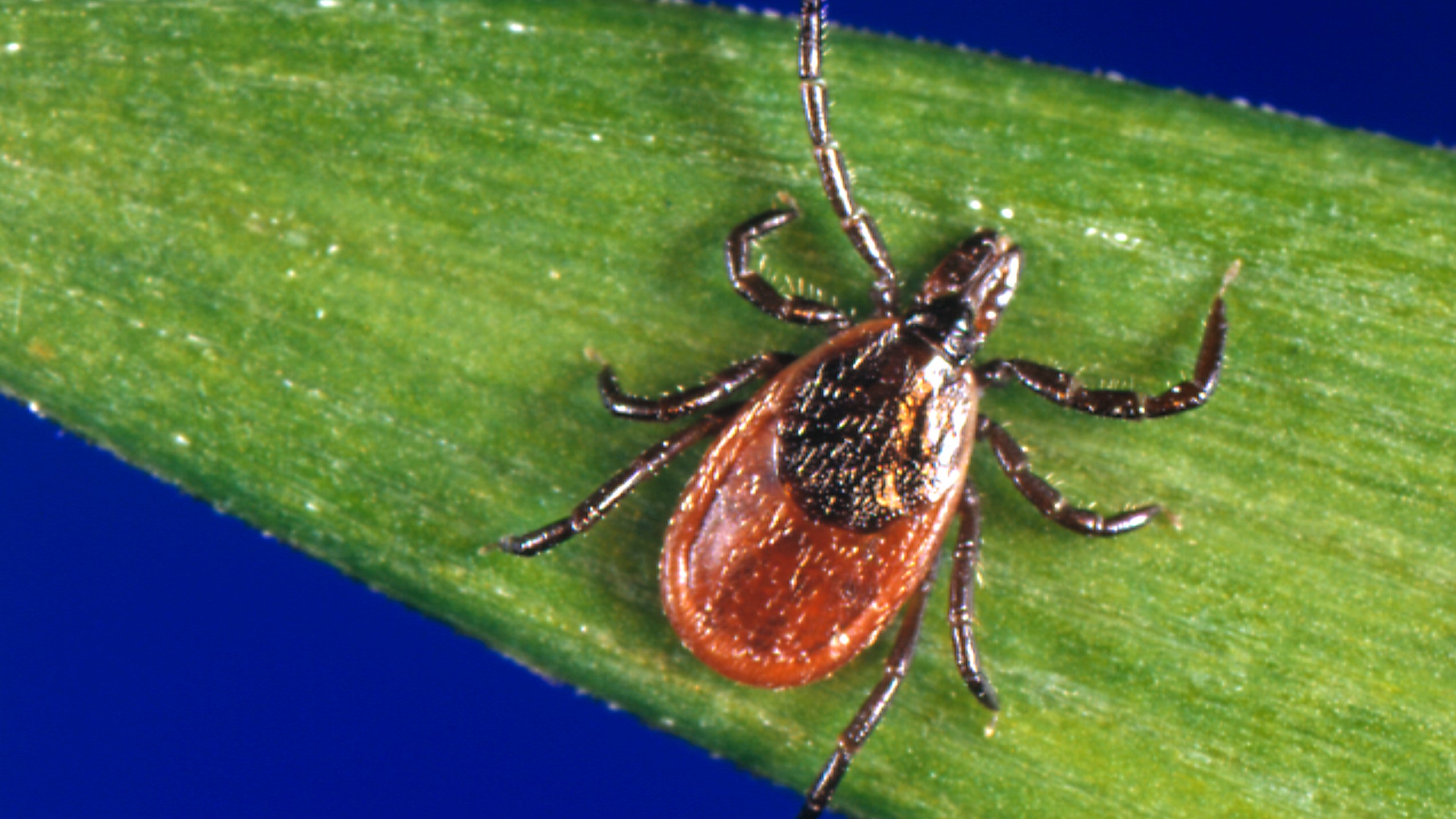
Powassan is a disease caused by a virus spread by infected ticks. Although Powassan is uncommon, reported cases have been increasing in recent years. Most cases in the United States occur in the northeast and Great Lakes regions from late spring through mid-fall when ticks are most active.
Symptoms
Initial symptoms can include fever, headache, vomiting, and weakness. Powassan virus can cause severe illness, including inflammation of the brain (encephalitis) or the membranes around the brain and spinal cord (meningitis). Symptoms of severe illness include confusion, loss of coordination, difficulty speaking, and seizures.
How it spreads
Powassan virus spreads to people through the bites of infected ticks. Three types of ticks spread Powassan virus: groundhog tick (Ixodes cookei), squirrel tick (Ixodes marxi ), and blacklegged or deer ticks (Ixodes scapularis).
Rarely, the virus can also spread through blood transfusion.
Prevention
No vaccines or medicines are available to prevent Powassan. Reduce your risk of infection by preventing tick bites.
Testing and diagnosis
See your healthcare provider if you have symptoms after being exposed to ticks in an area where Powassan virus spreads.
Treatment
No medicines are available to treat Powassan. Antibiotics do not treat viruses. Rest, fluids, and over-the-counter pain medications may relieve some symptoms. People with severe disease often need to be hospitalized to receive support for breathing, staying hydrated, or reducing swelling in the brain.
For healthcare providers: Treatment and Prevention of Powassan Virus Disease
Personal stories
Carrie's story: Hospitalized after a tick bite
Carrie was diagnosed with severe Powassan virus disease, an uncommon but serious tickborne disease. She shares her story and tips for preventing tick bites while enjoying the outdoors.
Janeen’s story: Mosquitoes, ticks, and a weakened immune system
B cell-depleting therapy helped Janeen's father Steve enjoy his favorite pastimes—gardening and spending time with his family—while living with rheumatoid arthritis. The treatment also weakened his immune system and increased his risk of serious illness from viruses spread through mosquito and tick bites.
Sadly, Steve passed away shortly after being diagnosed with severe West Nile virus disease. His family shares his story and offers practical tips for protecting people with weakened immune systems.
This page was last updated on this date. Updates may include minor edits, image changes, or other modifications to page content.
The information on this page was last reviewed by subject matter experts to ensure accuracy.