



Key points
- Mosquito-borne diseases spread to people through the bites of infected mosquitoes.
- Workers may be at risk when mosquitos are present at their worksites.
- Employers and workers can take steps to prevent mosquito bites and reduce the risk of mosquito-borne diseases.
Overview
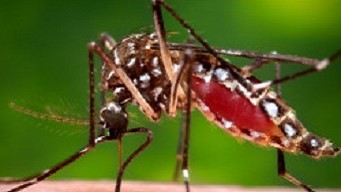
Mosquito-borne diseases are spread by the bite of an infected mosquito. Diseases that are spread to people by mosquitoes include:
- Chikungunya Virus
- Dengue Virus
- Eastern Equine Encephalitis Virus
- Japanese Encephalitis Virus
- La Crosse Encephalitis Virus
- Malaria
- St. Louis Encephalitis
- West Nile Virus
- Yellow Fever
- Zika Virus
Employers should protect workers and workers can protect themselves from diseases spread by mosquitoes. Not everyone becomes sick after a bite from an infected mosquito. Some people have a mild, short-term illness or (rarely) severe or long-term illness. Severe cases of mosquito-borne diseases can cause death.
Workers may be at risk when they work in areas where mosquitoes are active. Mosquito species vary by location, are active at different times, and can spread different diseases. A worker's risk depends on factors such as location, season, and time of day.
Who is at risk
Workers at risk include:
- Outdoor workers
- Business travelers who travel to areas with mosquito-borne diseases
- Laboratory workers exposed to infected blood or bodily fluids
Prevention
Employer recommendations
- Some mosquitoes lay eggs in or near standing water. Decrease standing water at worksites by:
- Removing, turning over, covering, or storing equipment
- Removing debris from ditches
- Filling in ruts and other areas that collect standing water
- Removing tires, buckets, bottles, and barrels that collect water
- Placing drain holes in containers that collect water
- Ensure that doors and windows have screens and are kept closed when possible
- Provide training about:
- The risk of mosquito bites and how to prevent them
- Symptoms of mosquito-borne diseases
- The safe use of insect repellents
- Provide workers with and encourage them to wear clothing that covers their hands, arms, legs, and other exposed skin.
- Consider providing hats with mosquito netting to protect the face and neck.
- Provide Environmental Protection Agency (EPA) - registered insect repellent with one of these active ingredients:
- DEET
- Picaridin (known as KBR 3023 and icaridin outside the US)
- IR3535
- Oil of lemon eucalyptus (OLE)
- Para-methane-diol (PMD)
- 2-undercanone
- Provide permethrin for application to clothing and gear.
Worker recommendations
- Find the right insect repellent for you by using EPA's search tool.
- If also using sunscreen, apply sunscreen first and insect repellent second.
- Apply permethrin to clothing and gear.
- Wear clothing that covers hands, arms, legs, and other exposed skin. Wear hats with mosquito netting to protect the face and neck.
- Remove items that collect standing water (for example; tires, buckets, and barrels) to reduce places where mosquitoes lay eggs.
- Report symptoms of a mosquito-borne disease to your supervisor and get medical attention
Resources
CDC Protection Against Mosquitoes, Ticks, and Other Arthropods
NIOSH Fast Facts: Protecting Yourself from Ticks and Mosquitoes
NIOSH Brochure: Recommendations for Protecting Outdoor Workers from West Nile Virus Exposure (En Español)
NIOSH Brochure: Recommendations for Protecting Laboratory, Field, and Clinical Workers from West Nile Virus Exposure (En Español)
NIOSH Pesticide Illness and Injury Surveillance
OSHA West Nile Virus Fact Sheet
This page was last updated on this date. Updates may include minor edits, image changes, or other modifications to page content.
The information on this page was last reviewed by subject matter experts to ensure accuracy.