



Key points
- Outdoor workers are exposed to many types of hazards on the job.
- Employers should train outdoor workers to identify workplace hazards and prevent or control exposures.
- Changes in weather patterns can impact worker safety and health.
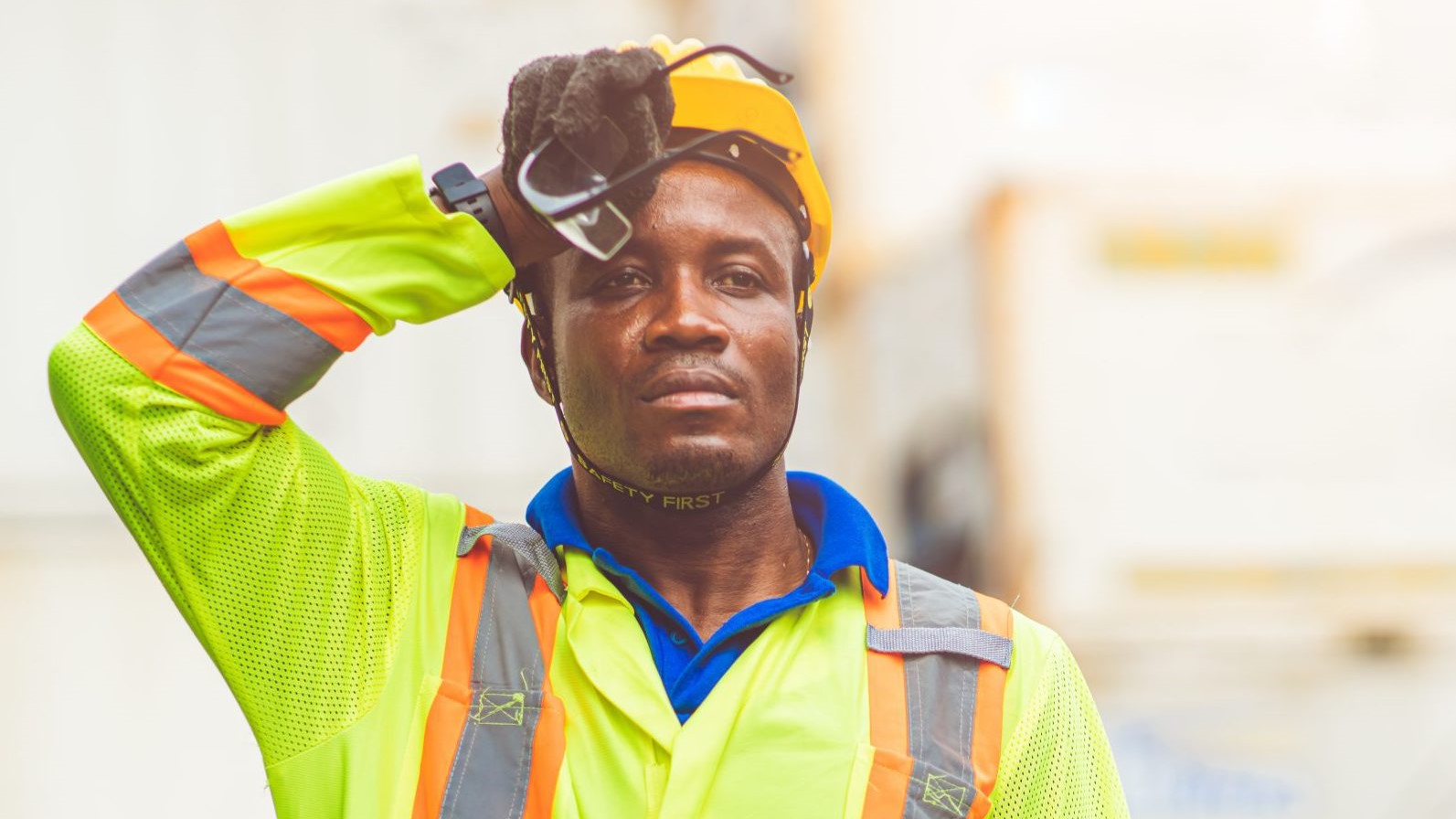
Hazards to Outdoor Workers
Outdoor workers encounter many hazards depending on the:
- Type of work.
- Geographic region.
- Season.
- Amount of time spent outside.
Employers should train outdoor workers to identify workplace hazards and ways to prevent or control exposures.
Categories
Physical hazards
Physical hazards to outdoor workers may include
- Extreme heat, which can cause heat stroke or heat exhaustion.
- Extreme cold, which can cause hypothermia or frostbite.
- Noise, which can cause permanent hearing loss.
- Sun exposure, which can cause sunburn or skin cancer.
- Wildland fire smoke, which can impact workers' health.
Biological hazards
Vector-borne diseases
Mosquitoes and ticks can spread vector-borne diseases to workers. When a mosquito or tick bites a worker, it can transmit a disease-causing agent, such as a parasite, bacterium, or virus.
Venomous wildlife and insects
Venomous snakes, venomous spiders, scorpions, and stinging insects are found in many geographic regions. They can be especially dangerous to workers who are allergic to their venom.
Poisonous plants
Poisonous plants can cause allergic reactions if their oils come into contact with the skin. These plants can also be hazardous when burned because their toxins are inhaled.
Other biological hazards
Other biological hazards and health impacts include:
- Food-borne and water-borne diseases.
- Asthma and allergies triggered by pollen.
- Mold-related asthma.
Additional hazards
Outdoor workers may encounter other hazards depending on their specific job tasks. They may be exposed to pesticides or other chemical, traumatic injury, or safety and health hazards.
Who is at increased risk
Extreme weather may affect occupational health equity, impacting workers who are already at higher risk for injury, illness, and fatality. For example, millions of outdoor workers are seasonally exposed to extreme heat.
Many outdoor workers are migrant or immigrant workers. They may be more susceptible to hazards due to factors such as:
- A lack of knowledge and safety training.
- Poverty.
- Seasonality of work.
- Extreme work conditions.
- Cultural differences.
- Language barriers.
They may also work for small businesses. Small businesses may:
- Lack resources for safety and health practices.
- Have less time for safety activities.
Emergency Responders
Workers who respond to natural disasters and extreme weather events may also encounter unique hazards.
This page was last updated on this date. Updates may include minor edits, image changes, or other modifications to page content.
The information on this page was last reviewed by subject matter experts to ensure accuracy.