



About
The NIOSH National Firefighter Registry (NFR) for Cancer is the largest effort ever undertaken to understand and reduce risk of cancer among U.S. firefighters. The newsletter delivers the latest news on the NIOSH NFR for Cancer. Subscribe for updates on our recent milestones and upcoming activities.

Greetings from the manager
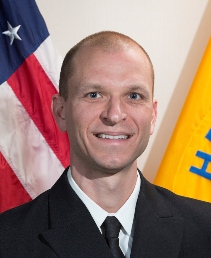
It's been a busy summer for the National Firefighter Registry (NFR) for Cancer. Starting in June, we hit a major milestone: over 50,000 firefighters joined the NFR! Since then, more than 3,000 firefighters joined. We greatly appreciate every firefighter who has joined so far. Each one has contributed data that brings us closer to understanding and reducing cancer in the fire service.
We've also seen growth in the Gold Helmet Departments initiative. Since our last newsletter, 40 fire departments have achieved Gold Helmet status, including the first departments in Alaska, New Mexico, South Dakota, and West Virginia. This milestone represents more than just numbers. As our first published paper found, efforts like the Gold Helmet Departments initiative can help recruit firefighters from different demographic backgrounds and firefighters without cancer. This is important for building a registry that reflects the entire fire service and allowing researchers to investigate factors associated with increasing cancer risk.
Please read on to learn more about our first publication, the newest Gold Helmet Departments, and new health and safety resources from NIOSH and our partners.
Looking ahead, Fire Prevention Week is October 4–10. Many fire departments across the country will open their doors to the public, including kids who may decide they want to grow up to be firefighters. We're working toward a fire service that's safer and healthier for these future firefighters, and every firefighter who joins the NFR helps in this cause.
First NFR publication
We published the first scientific article describing NFR data in the American Journal of Industrial Medicine. We looked at characteristics of NFR participants who enrolled during the first three years to evaluate the initial success of recruitment and identify areas for improvement. We saw great engagement in the first three years after launching, with almost 40,000 firefighters enrolled from all 50 states, several territories, and a variety of job assignments. We also learned that efforts like the Gold Helmet Departments program helped recruit firefighters from different demographic backgrounds and firefighters without cancer. We identified several growth areas for strengthening NFR recruitment and communication efforts in the future.
Gold Helmet initiative
The list of Gold Helmet Departments continues to grow! Since our last newsletter, we have added 40 new departments and 4 new states, bringing our total to 195 Gold Helmet Departments from 36 states.
Our newest states are:
- Alaska: Ketchikan Fire Department
- New Mexico: Rio Rancho Fire and Rescue Department
- South Dakota: North Sioux City Fire Department
- West Virginia: Fairmont Fire Department
Newest Gold Helmet Departments
- Bay Minette Fire/Rescue
- Gulf Shores Fire Rescue
- Hamilton Fire Department
- Irondale Fire Department
Arkansas
- Jonesboro Fire Department
Arizona
- Desert Hills Fire District
- Florence Fire / Medical Department
- Fort Mojave Mesa Fire District
- La Paz Unified Fire Medical District
- Mesa Fire and Medical Department
- Pinetop Fire District
- Sierra Vista Fire and Medical
- Wickenburg Fire Department
Colorado
- Colorado Springs Fire Department
- Norwood Fire Protection District
Florida
- Lake Mary Fire Department
- Palm Beach Gardens Fire Rescue
- Plant City Fire Rescue
- Town of Jupiter Fire Rescue Department
Georgia
- GPSTC Fire Department
- Spalding County Fire
Iowa
- Hiawatha Fire Department
- Johnston-Grimes Metropolitan Fire District
- Knoxville Fire Department
Kansas
- City of Russell Fire Department
- Larned Fire Department
- Oakley / Logan County Fire Department
Pennsylvania
- Belle Vernon Volunteer Fire Company #2
- Dauphin County Hazardous Materials Response Team
- Greenwood Hose Company #1
- Hermitage Fire Department
- Meadville Fire Department
- Midway Volunteer Fire Department of Washington County
- Muir Volunteer Fire Company
- West Grove Fire Company
Conferences and meetings
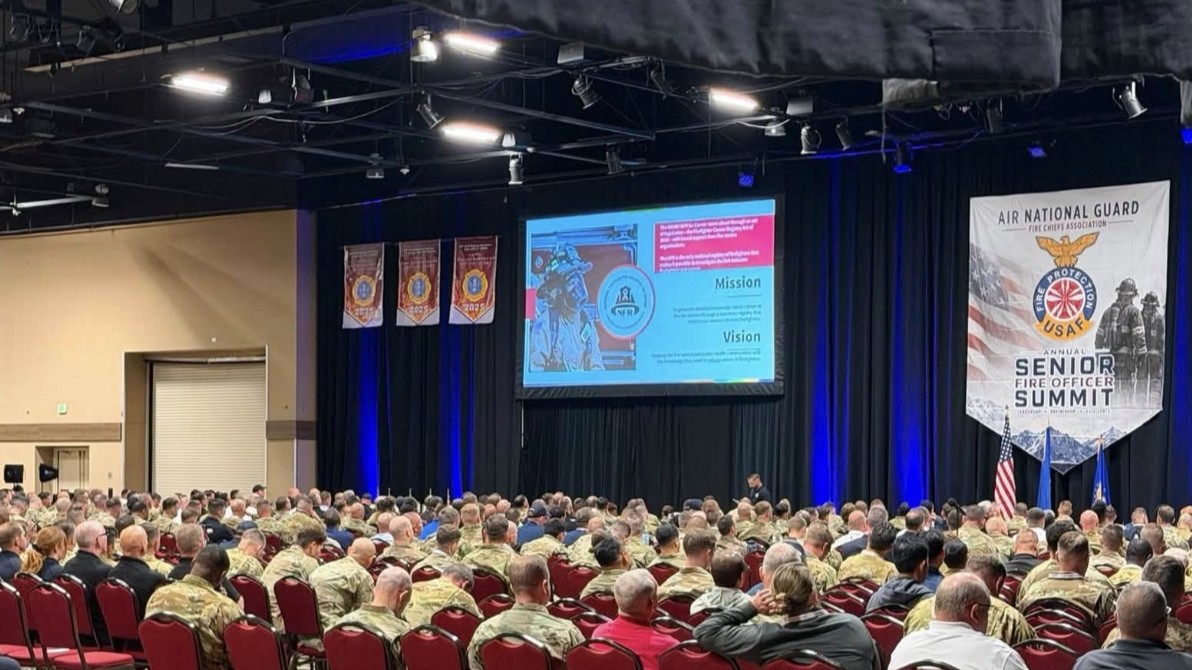
We appreciated the opportunity to share information about the NFR and connect with firefighters at conferences and meetings this summer, including:
- U.S. Air Force Senior Fire Officer's Training Summit
- Fire-Rescue International Conference
- International Association of Black Professional Fire Fighters Convention
- North American Fire Training Directors' Conference
- Women in Fire Conference
If you know of any upcoming fire service conferences, meetings, or other gatherings of fire personnel, email us at NFRegistry@cdc.gov. We'd love to connect!
Research roundup
NIOSH and NFR researchers recently co-authored a Fire Fighter Cancer Cohort Study paper on firefighter chemical exposure during wildland urban interface (WUI) fires. The study found that firefighters had significant increases in internal exposures to harmful chemicals after responding to a WUI fire. Comparing urine samples collected before the fire response to afterwards, the study found increases in chemicals linked to combustion, including compounds from burning synthetic materials. Firefighters assigned to structure defense had significantly higher increases than those assigned to wildland firefighting tasks.
New resource: Electric vehicle response guidance from FSRI
UL Research Institutes' Fire Safety Research Institute (FSRI) published a new report offering practical guidance on how to minimize exposure risks during EV fire responses. NFR researchers contributed to the first phase of this three-year research effort. In addition to the report, FSRI also released an EV Fire Tactical Decision Aid, which lays out clear actions and decisions for departments responding to an EV fire.
New NIOSH fact sheets on self-contained breathing apparatus (SCBA) use
The NIOSH Fire Fighter Fatality Investigation and Prevention Program (FFFIPP) created a series of fact sheets for firefighters to learn about best practices for SCBA use. The fact sheets highlight three themes: 1) understanding health risks and ensuring readiness, 2) securing and removing an SCBA from service, and 3) notifying NIOSH of SCBA failures or issues. Fire departments can use the information from these fact sheets to develop standard operating procedures/guidelines to support firefighter safety and health:
NIOSH FFFIPP survey to improve investigations
We want to hear from you. NIOSH is seeking survey participants from fire departments across the country to better understand what human factors are important to investigating firefighter line-of-duty death and serious injury. Human factors are how people interact with their environment, tools, and each other. This includes understanding how people think, act, and make decisions. This is important in work or emergency situations. The results of this survey will help find, create, and improve tools that can be used by both FFFIPP and fire departments.
You can take the survey on any device, but it is best viewed on a larger screen like a desktop or laptop computer.
Learn more about how NIOSH helps firefighters
Resources like the ones above are part of NIOSH's ongoing work to support firefighter safety and health. To stay informed about NIOSH firefighter work, sign up for email updates or visit our Center for Firefighter Safety, Health, and Well-being webpage.
This page was last updated on this date. Updates may include minor edits, image changes, or other modifications to page content.
The information on this page was last reviewed by subject matter experts to ensure accuracy.