



At a glance
eNews is the monthly newsletter of the National Institute for Occupational Safety and Health (NIOSH). Each month includes an update from NIOSH Director Dr. John Howard, featured NIOSH research, new worker safety and health resources, upcoming meeting, and more!
From the Director's Desk
John Howard, M.D., Director, NIOSH
50,000 Firefighters Strong and Counting
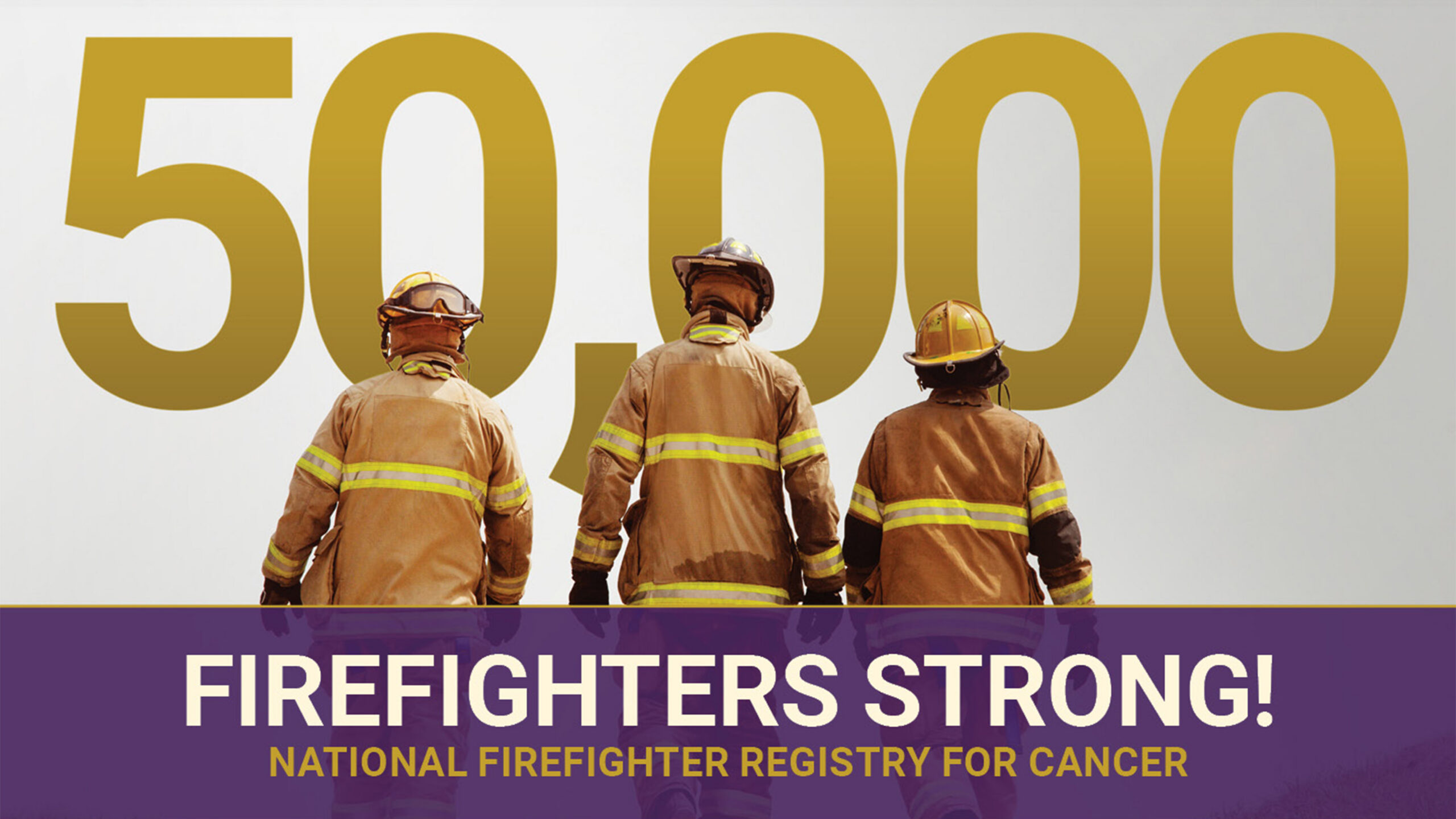
Fifty thousand. That's how many firefighters have joined the NIOSH National Firefighter Registry (NFR) for Cancer. Each one has contributed data that bring us closer to understanding and reducing cancer in the fire service.
The fire service has shown up for the NFR in a remarkable way. Just last September, the NFR surpassed 30,000 firefighters to become the largest group ever assembled to study cancer in the fire service, and momentum has not stopped. Along the way, over 165 fire departments have earned Gold Helmet status. This means at least 50% of a department's active firefighters, or more than 300 active firefighters, are enrolled in the NFR. These departments, located in over 32 states, vary in size from small rural volunteer companies to large urban career departments. In addition, 35 organizations have been recognized as NFR Champions, actively encouraging firefighters to join.
Sharing and Strengthening the Data
Reaching 50,000 firefighters is a major milestone, but the work doesn't stop at enrollment. The NFR is a long-term project, and understanding the relationship between occupational exposures and cancer takes time. But NIOSH isn't waiting to share what we're learning. The NFR Data Dashboard now includes enrollment trends alongside an overview of the most common self-reported cancers. It also includes information on risk factors and screening guidelines, putting meaningful information in firefighters' hands now.
The NFR has also established official collaborations with:
- The Fire Fighter Cancer Cohort Study
- The Washington State Council of Fire Fighters' Personal Injury and Illness Exposure Reporting System,
- The International Public Safety Data Institute's Exposure Tracker
Sharing data from these programs helps create a more complete, accurate picture of firefighters' exposures and long-term health. This can help us better understand cancer risks while reducing the burden of duplicate reporting for firefighters.
Protecting Firefighters Today
At the same time, NIOSH is translating ongoing research into practical tools for the fire service. Two new Science Bulletins—Protecting Firefighters from Contaminated Gear and Laundering Gear to Protect Firefighters—along with an infographic on proper gear removal, provide steps firefighters can take now to limit contact with harmful contaminants. NIOSH is also collaborating on research into emerging issues in the fire service, including the biological effects of large-scale incident response and exposures during electric vehicle fires.
Keep the Momentum Going
Fifty thousand is a powerful foundation, but the larger and more representative the dataset, the stronger the science and the greater our power will be to protect firefighters from cancer. All U.S. firefighters—paid or volunteer, active or retired, with or without cancer—are encouraged to enroll at NFR.CDC.gov. Share this with a fellow firefighter and help build a healthier future for everyone who answers the call.
Research Rounds
Parental Nonstandard Work Schedule and Children's Educational Outcomes
By Abay Asfaw, NIOSH
What did your study find?
Children whose parents work nonstandard schedules are more likely than children whose parents work standard hours to have lower educational performance. These children were 60% less likely to be enrolled in classes for the academically gifted. They were also slightly more likely (0.8%) than other children to be suspended, expelled, or excluded from school.
Why is this study important?
Nonstandard schedules outside 6 a.m.–6 p.m., Monday through Friday seem to be here to stay. In the United States, nearly 24 million workers had nonstandard schedules in 2017–2018. These schedules are often unpredictable and variable, involve long hours, and offer little job security. For workers, this may mean having little chance to plan their hours in advance and needing to be available on short notice.
Previous research linked nonstandard schedules to poor work-life balance, leaving little time for family activities, including childcare. These schedules also are related to inadequate sleep, which can increase disease risk. Less is known about how these nonstandard schedules affect children's educational performance.
How did you do the study?
We used responses from more than 28,000 households collected during 2014–2017 and 2018–2022 as part of the U.S. Census Bureau Survey of Income and Program Participation. The survey included questions about income, government assistance, employment, and children's educational performance. We estimated how parents' nonstandard schedules affect three indicators of educational performance for children 6–17 years old: (1) being in academically gifted classes, (2) repeating a grade, and (3) being suspended, excluded, or expelled from school.
What are the next steps?
Our results show that parental nonstandard work schedules can affect children's educational performance. Future studies in this area could address these effects.
Highlights
Wildfire Safety and Health Resources
NIOSH has guidance for employers on How to Protect Workers and the Public From Wildfire Smoke, and tips for the general public. It also explains how to choose and properly use a respirator. NIOSH also has information for wildland firefighters and wildfire cleanup workers who face unique safety and health hazards. In addition, the Emergency Responder Health Monitoring and Surveillance framework provides recommendations for protecting emergency response and recovery workers.
Safe-in-Sound Award Nominations Now Open
Nominations are open for the 2027 Safe-in-Sound Awards through August 19. These awards recognize exceptional achievements in workplace hearing loss prevention across the United States and Canada. These awards are sponsored by NIOSH, the National Hearing Conservation Association, and the Council for Accreditation in Occupational Hearing Conservation.
Increasing Awareness of WTC Health Program Benefits for Young Adult 9/11 Survivors
The NIOSH World Trade Center (WTC) Health Program recently launched a video series to reach young adult survivors (ages 24-45) of 9/11. Currently less than 3% of members in the Program are in this age group . However, tens of thousands may be eligible to receive benefits—many of whom could be experiencing asthma, PTSD, cancer, or other illnesses linked to their 9/11 exposures. Please share this information to help us spread the word.
NIOSH NFR for Cancer Video Wins Gold Telly Award!
This video, Tell Us About Your Fire Service | Join the NIOSH NFR for Cancer, is a Gold Telly Award winner! The Telly Awards honor excellence in video and television across all screens. Produced for NIOSH by RTI International, the video features firefighters from the Orange County Fire Authority. This honor shows how clear storytelling can increase awareness of firefighter cancer risks and encourage enrollment in the National Firefighter Registry (NFR) for Cancer. Please share this award-winning video with the firefighters you know!
Federal Register Notices
For Public Comment
Meeting of the Advisory Board on Radiation and Worker Health, Subcommittee for Procedure Reviews, National Institute for Occupational Safety and Health
The notice was posted on March 30. Comments must be received by May 29. The meeting will be held on June 5.
Meeting of the Advisory Board on Radiation and Worker Health, National Institute for Occupational Safety and Health
The notice was posted on May 15. Comments must be received by June 11. The meeting will be held on June 18.
Proposed Data Collection Submitted for Public Comment and Recommendations: The National Firefighter Registry for Cancer
The notice was posted on May 27. Comments must be received by June 25.
Proposed Data Collection Submitted for Public Comment and Recommendations: World Trade Center Health Program Enrollment, Appeals & Reimbursement
The notice was posted on May 5. Comments must be received by July 6.
Other Notices
New Communication Product
Tech News
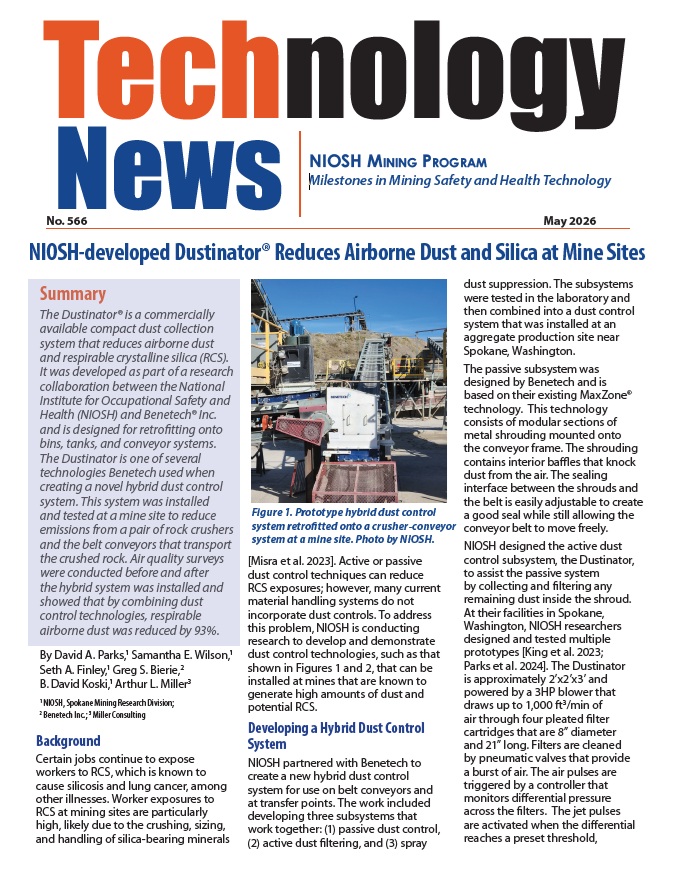
NIOSH Science Bulletins
News From Our Partners
Clinicians... Want to be a Disease Detective?
Want to make a real-world difference as a CDC Disease Detective? CDC's Epidemic Intelligence Service is looking for physicians, nurses, veterinarians, scientists, and other clinicians. Applications close June 19. Apply today!
Safeguarding Children in Agriculture: A National Action Plan
The National Children's Center for Rural and Agricultural Health and Safety has updated a framework for protecting youth in agricultural and rural environments. The National Action Plan reflects changes in agriculture while building on previous plans. Published in English and Spanish, the plan highlights local input and strong partnerships in addressing the complex issue of childhood agricultural injuries.
Wisconsin Campaign Helps Protect Dairy Workers From Avian Flu
H5N1 avian influenza spreading from cows to people presents a new challenge for dairy farms that have little experience with zoonotic diseases. Wisconsin's NIOSH-funded Occupational Health and Safety Surveillance Program worked with partners to launch a bilingual multimedia campaign, "Gear Up, Wash Up, Step Up." First launched in 2025, the campaign reached over 438,000 people in dairy-heavy parts of the state. The campaign will be repeated in Summer 2026 during fair season. Visit their Farm Worker Health and Safety webpage to learn more.