



Key points
- There are steps you can take to help prevent group A Streptococcus (group A strep) infections.
- Practice good hygiene, especially washing hands often with soap and water or using alcohol-based hand sanitizer and covering coughs and sneezes.
- Keep wounds clean and bandaged.
- Seek health care if you think you have a group A strep infection. Antibiotics can help you feel better faster and help prevent spread to others.

Prevention steps and strategies
People can get infected with group A strep bacteria more than once, but you can take steps to help prevent it.
Group A strep prevention activities vary by disease, but generally focus on three important actions:
- Limit exposure and spread of bacteria, such as through careful hand and respiratory hygiene (like covering coughs and sneezes)
- Treat group A strep infections to help limit their spread
- Take antibiotics as prescribed when recommended by your healthcare provider
Limit exposure and spread of bacteria
Many daily healthy habits can help prevent infections:
- Wash hands often with soap and water
- Avoid sharing cups, utensils, and bites of food with people who are sick
- Wash cups, utensils, and plates after someone who's sick uses them
- Cover coughs and sneezes
- Care for fungal infections, like athlete's foot
- Clean and care for wounds
Take extra hygiene measures for impetigo
- Wash body and hair often with soap and running water
- Machine wash the clothes, linens, and towels of anyone with impetigo every day
- Don't share clothes, linens, or towels with anyone who has impetigo
After items such as dishes or linens have been washed, they're safe for others to use.
Treat infections
Take antibiotics, if prescribed by your healthcare provider.
Antibiotics treat the infection and help prevent serious complications, like rheumatic fever. They also help prevent the bacteria from spreading to others.
Use preventive antibiotics when appropriate
Close contacts of someone with a group A strep infection generally don't get antibiotics to prevent them from getting sick. People who live together are examples of close contacts.
However, preventative antibiotics may be recommended with rheumatic fever and serious infections.
Rheumatic fever
Preventive antibiotics help protect people with rheumatic fever from getting it again. They may need preventive antibiotics over a period of many years (often until 21 years old). Preventive antibiotics can include daily antibiotics by mouth or a shot into the muscle every few weeks.
Serious infections
For patients with a serious infection, healthcare providers may give antibiotics to close contacts if they
- Are 65 years old or older
- Have other factors that increase their risk of getting a serious group A strep infection
Wound care tips
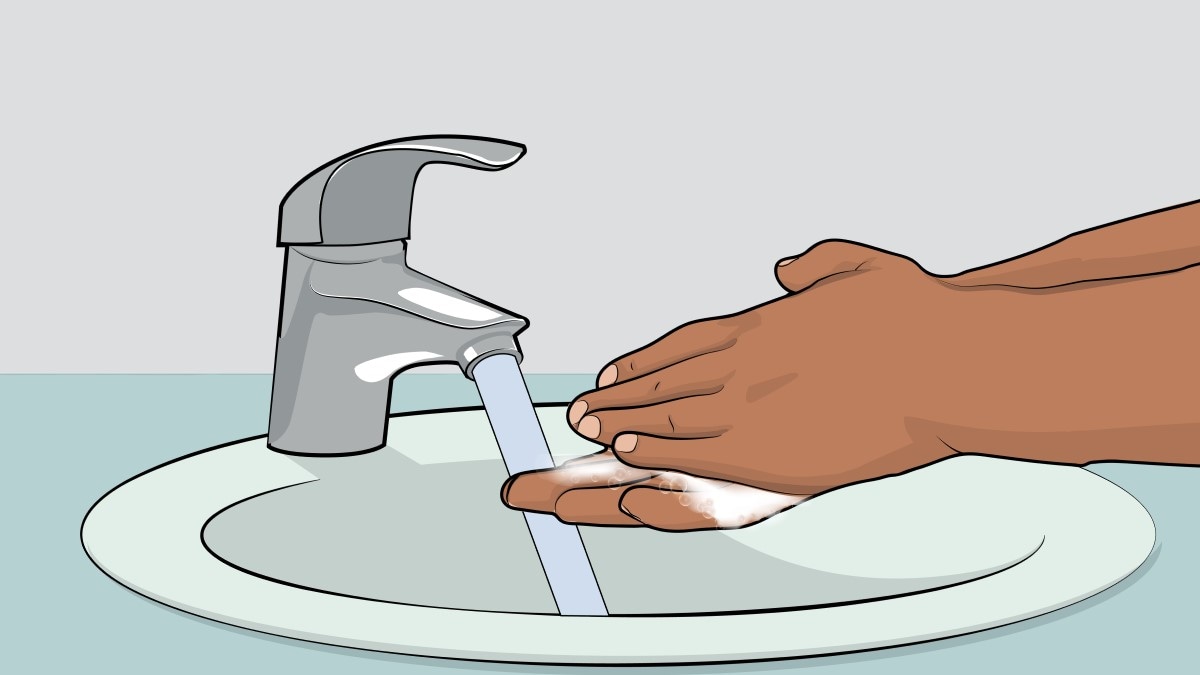
Step 1: Wash hands with soap and water or use an alcohol-based hand rub if washing isn't possible.
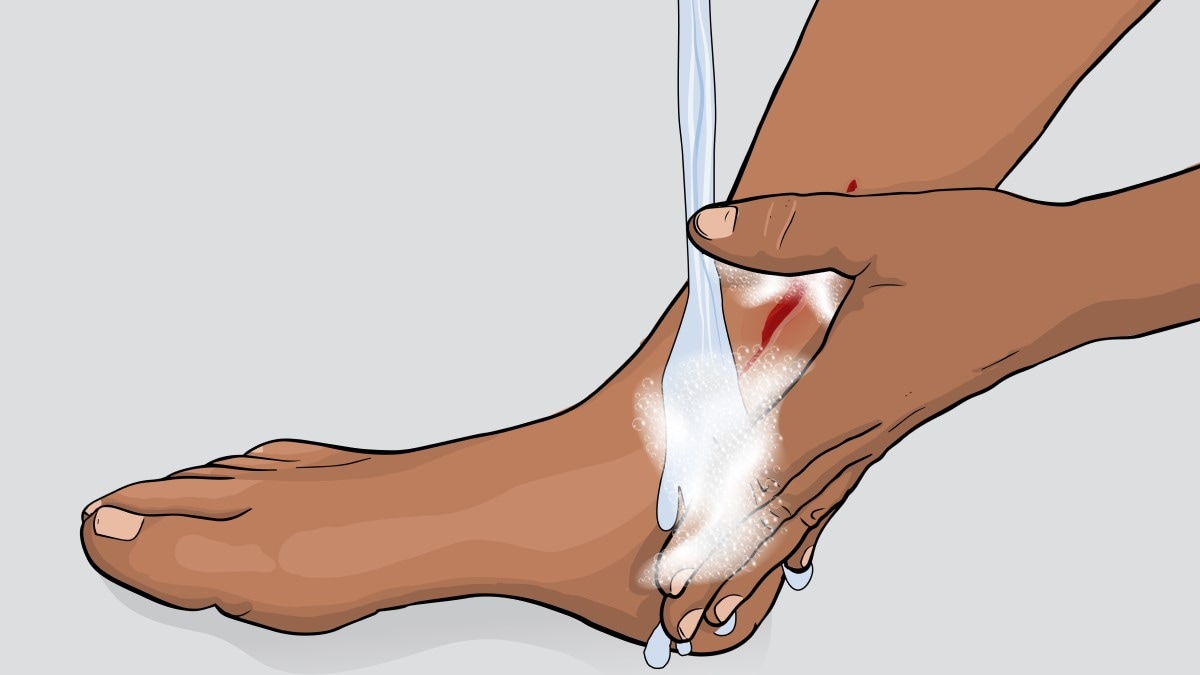
Step 2: Clean all minor cuts and injuries that break the skin (like blisters and scrapes) with soap and water.
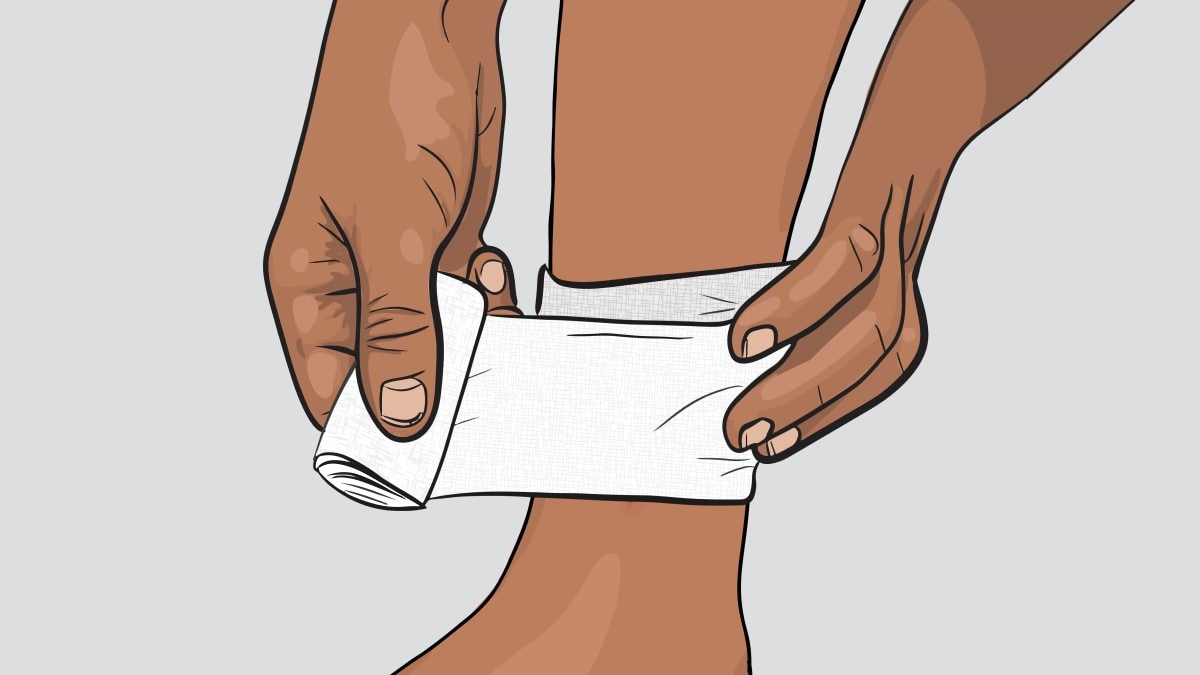
Step 3: After cleaning, cover draining or open wounds with clean, dry bandages. Change the bandages at least every few days until the wounds heal. Don't scratch or pick at the scab.
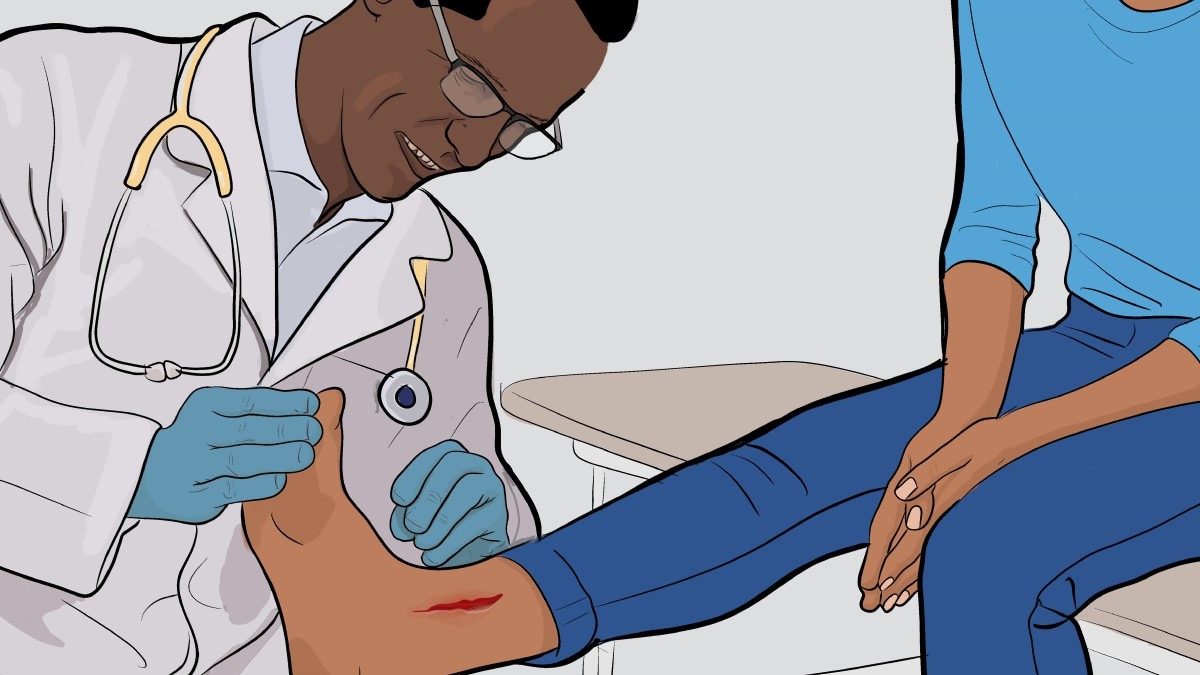
When to seek care: See a healthcare provider for punctures and other deep or serious wounds.
Protect wounds and infections
If you have an open wound or skin infection, avoid spending time in:
- Hot tubs
- Natural bodies of water (e.g., lakes, rivers, oceans)
- Swimming pools