



Key points
This outbreak is over. CDC and public health officials in several states investigated a multistate outbreak of E. coli infections linked to frozen blueberries. Recalled frozen blueberries have best by dates through 2028. If you have recalled blueberries or berry mixes in your home, throw them out or return them to the store.
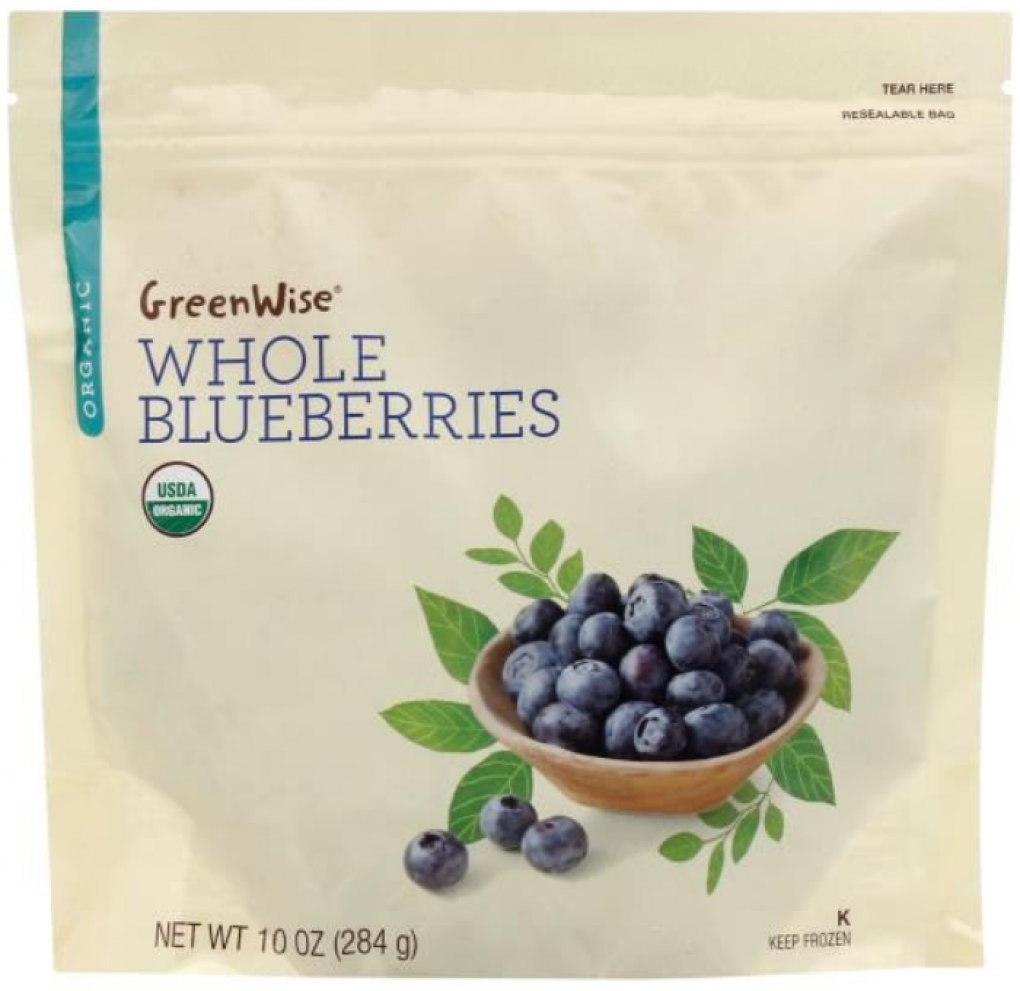
Final update - September 21, 2026
CDC, public health and regulatory officials in several states, and the U.S. Food and Drug Administration (FDA) collected different types of data to investigate a multistate outbreak of E. coli O145 infections.
Epidemiologic, laboratory, and traceback data showed that frozen organic blueberries supplied by Frutas y Hortalizas del Sur S.A. were contaminated with E. coli O145 and made people sick.
Epidemiologic Data
Cases
6 (35%) of 17 people with information available
Illnesses started on dates ranging from May 11, 2026, to August 2, 2026. Of 17 people with information available, 6 were hospitalized. No deaths were reported.
The true number of sick people in this outbreak was likely much higher than the number reported, and this outbreak may not have been limited to the states with known illnesses. This is because many people recover without medical care and are not tested for E. coli.
Demographics
Public health officials collected many different types of information from sick people, including their age, race, ethnicity, other demographics, and the foods they ate in the week before they got sick. This information provided clues to help investigators identify the source of the outbreak.
The table below has information about sick people in this outbreak ("n" is the number of people with information available for each demographic).
Age
(n=17)
Range from 2 to 88 years
Median age of 47 years
Sex
(n=17)
41% female
59% male
Race
(n=16)
100% White
Ethnicity
(n=17)
88% non-Hispanic
12% Hispanic
Food exposure
State and local public health officials interviewed people about the foods they ate in the week before they got sick. Of the 13 people interviewed, 11 (85%) reported eating frozen blueberries. This percentage is significantly higher than the 24% of respondents who reported eating frozen berries in the FoodNet Population Survey—a survey that helps estimate how often people eat various foods linked to diarrheal illness. This difference suggests that people in this outbreak got sick from eating frozen blueberries.
Laboratory and Traceback Data
Public health investigators used the PulseNet system to identify illnesses that were part of this outbreak. CDC PulseNet manages a national database of DNA fingerprints of bacteria that cause foodborne illnesses. DNA fingerprinting is performed on bacteria using a method called whole genome sequencing (WGS). WGS showed that bacteria from sick people's samples are closely related genetically. This suggested that people in this outbreak got sick from the same food.
Based on WGS analysis, bacteria from 17 people's samples had no predicted antimicrobial resistance. More information is available at the National Antimicrobial Resistance Monitoring System (NARMS) site. These findings do not affect treatment guidance since antibiotics are not recommended for patients with Shiga toxin-producing E. coli infections.
Publix collected and tested product samples of their GreenWise-brand Frozen Blueberries, and one sample tested positive for the same strain of E. coli that made people sick in this outbreak.
FDA conducted traceback and identified Frutas y Hortalizas del Sur S.A. as the supplier of frozen organic blueberries in this outbreak.
Previous updates
CDC, public health and regulatory officials in several states, and the U.S. Food and Drug Administration (FDA) are collecting different types of data to investigate a multistate outbreak of E. coli O145 infections.
Epidemiologic and traceback data show that frozen organic blueberries supplied by Frutas y Hortalizas del Sur S.A. may be contaminated with E. coli O145 and may be making people sick.
Epidemiologic Data
Cases
6 (35%) of 17 people with information available
Illnesses started on dates ranging from May 11, 2026, to August 2, 2026. Of 17 people with information available, 6 have been hospitalized. No deaths have been reported.
The true number of sick people in this outbreak was likely much higher than the number reported, and this outbreak may not have been limited to the states with known illnesses. This is because many people recover without medical care and are not tested for E. coli. In addition, recent illnesses may not yet be reported as it usually takes 3 to 4 weeks to determine if a sick person is part of an outbreak.
Public health officials collect many different types of information from sick people, including their age, race, ethnicity, other demographics, and the foods they ate in the week before they got sick. This information provides clues to help investigators identify the source of the outbreak.
Demographics
The table below has information about sick people in this outbreak ("n" is the number of people with information available for each demographic).
Age
(n=17)
Range from 2 to 88 years
Median age of 47 years
Sex
(n=17)
41% female
59% male
Race
(n=16)
100% White
Ethnicity
(n=17)
88% non-Hispanic
12% Hispanic
State and local public health officials are interviewing people about the foods they ate in the week before they got sick. Of the 13 people interviewed, 11 (85%) reported eating frozen blueberries. This percentage is significantly higher than the 24% of respondents who reported eating frozen berries in the FoodNet Population Survey—a survey that helps estimate how often people eat various foods linked to diarrheal illness. This difference suggests that people in this outbreak got sick from eating frozen blueberries.
Traceback data
FDA conducted traceback and identified Frutas y Hortalizas del Sur S.A. as the supplier of frozen organic blueberries.
CDC, public health and regulatory officials in several states, and the U.S. Food and Drug Administration (FDA) are collecting different types of data to investigate a multistate outbreak of E. coli O145 infections.
Epidemiologic data show that frozen GreenWise brand organic blueberries may be contaminated with E. coli O145 and may be making people sick.
Epidemiologic Data
As of July 6, 2026, 12 people infected with the outbreak strain of E. coli have been reported from 2 states. Illnesses started on dates ranging from May 11, 2026, to June 5, 2026. Of 12 people with information available, 4 have been hospitalized. No deaths have been reported.
The true number of sick people in this outbreak was likely much higher than the number reported, and this outbreak may not have been limited to the states with known illnesses. This is because many people recover without medical care and are not tested for E. coli. In addition, recent illnesses may not yet be reported as it usually takes 3 to 4 weeks to determine if a sick person is part of an outbreak.
Public health officials collect many different types of information from sick people, including their age, race, ethnicity, other demographics, and the foods they ate in the week before they got sick. This information provides clues to help investigators identify the source of the outbreak.
The table below has information about sick people in this outbreak ("n" is the number of people with information available for each demographic).
Age
(n=12)
Range from 2 to 88 years
Median age of 43 years
Sex(n=12)
50% female
50% male
Race
(n=12)
100% White
Ethnicity
(n=12)
83% non-Hispanic
17% Hispanic
State and local public health officials are interviewing people about the foods they ate in the week before they got sick. Of the 9 people interviewed, 7 (78%) reported eating frozen blueberries. This percentage is significantly higher than the 24% of respondents who reported eating frozen berries in the FoodNet Population Survey—a survey that helps estimate how often people eat various foods linked to diarrheal illness. This difference suggests that people in this outbreak got sick from eating frozen blueberries.
Frozen GreenWise brand organic blueberries sold at Publix were identified as a common food item eaten by many ill people.
Laboratory Data
Public health investigators are using the PulseNet system to identify illnesses that may be part of this outbreak. CDC PulseNet manages a national database of DNA fingerprints of bacteria that cause foodborne illnesses. DNA fingerprinting is performed on bacteria using a method called whole genome sequencing (WGS). WGS showed that bacteria from sick people's samples are closely related genetically. This suggests that people in this outbreak got sick from the same food.
This page was last updated on this date. Updates may include minor edits, image changes, or other modifications to page content.
The information on this page was last reviewed by subject matter experts to ensure accuracy.