



What to know
Videos, podcasts, and social media posts about breast cancer.
Videos
Note: For stories about younger women and breast cancer, see the Bring Your Brave campaign videos.
This video explains the importance of BRCA genes in fighting cancer. Changes in these genes can raise a person’s risk for breast, ovarian, and other cancers. Learning about your family history of cancer can help you and your health care provider understand your cancer risk.
- Every Piece Matters: This video explains how having some types of cancer in your family can affect your own risk of getting cancer. It emphasizes the importance of sharing what you know with your doctor.
- Breast Cancer Signs and Symptoms You Need to Know: It’s important to learn about the signs and symptoms of breast cancer and know how your breasts normally look and feel so you can talk to your doctor if you notice any changes.
- Black Women: Know Your Breast Cancer Risk: Black women are more likely to be diagnosed with breast cancer at a young age than White women. It’s critical to understand your risk, know what is normal for your breasts, and talk to your doctor if you notice any changes.
- What Does It Mean to Have Dense Breasts?: When you get the results of your mammogram, you may also be told if your breasts have low or high density. Dr. Temeika Fairley explains what that means and why it's important.
- Talk to Linda About Triple-Negative Breast Cancer: Meet Linda, a triple-negative breast cancer survivor who can answer questions about your diagnosis and treatment options in a safe environment.
- How Is Triple-Negative Breast Cancer Treated?: Linda explains what triple-negative breast cancer is and how it's treated.
- Breast Cancer Treatment Plan: Joan Lunden encourages breast cancer patients to work with their doctors to determine the right treatment plan.
- Breast Cancer Chemotherapy: Joan Lunden discusses how chemotherapy was the best treatment plan for her breast cancer.
- Introduction to Early-Onset Breast Cancer and Risk Factors: Learn about the risk factors for early onset breast cancer and find out what to do if you think you may be at risk.
- Early Onset Breast Cancer: Risk Reduction and Warning Signs: You can lower your breast cancer risk, even at a young age. Watch this video to learn how.
- Early Onset Breast Cancer: Talking to Your Doctor and Genetic Counseling: Get tips on how to start a conversation with your doctor about breast cancer risk, and learn how a genetic counselor can help you understand your risk.
- Why Do Black Women Have a Higher Risk of Breast Cancer At a Young Age?: Dr. Temeika Fairley explains what she wants young Black women to know about their risk of breast cancer.
- What Would You Tell Your Patients About Drinking Alcohol and Breast Cancer Risk?: Dr. Lisa Richardson explains the link between drinking alcoholic beverages and breast cancer risk, and what you can do to lower your risk.
- Why Does Breastfeeding Lower Your Risk of Breast Cancer?: Dr. Lisa Richardson explains why breastfeeding your babies can lower your risk of breast cancer.
- What Should I Know About My Family History of Breast Cancer?: Dr. Temeika Fairley explains how a family history of breast cancer can raise your risk, and how to start the conversation about family health history.
- How Can I Reduce My Risk of Breast Cancer?: You can make healthy choices to help lower your breast cancer risk. Dr. Temeika Fairley explains.
Podcasts
The My Motivated Moment podcast series features compelling stories about personal experiences with breast cancer and how people took charge of their health.
Social media posts and images
Plan for your mammogram


Suggested post: A mammogram is a screening test that can find breast cancer early so it can be treated earlier when treatment may work better. If you're 40 to 74, you may be due for a mammogram. Use CDC's resources to learn more: www.cdc.gov/breast-cancer/about/mammograms.html
Symptoms
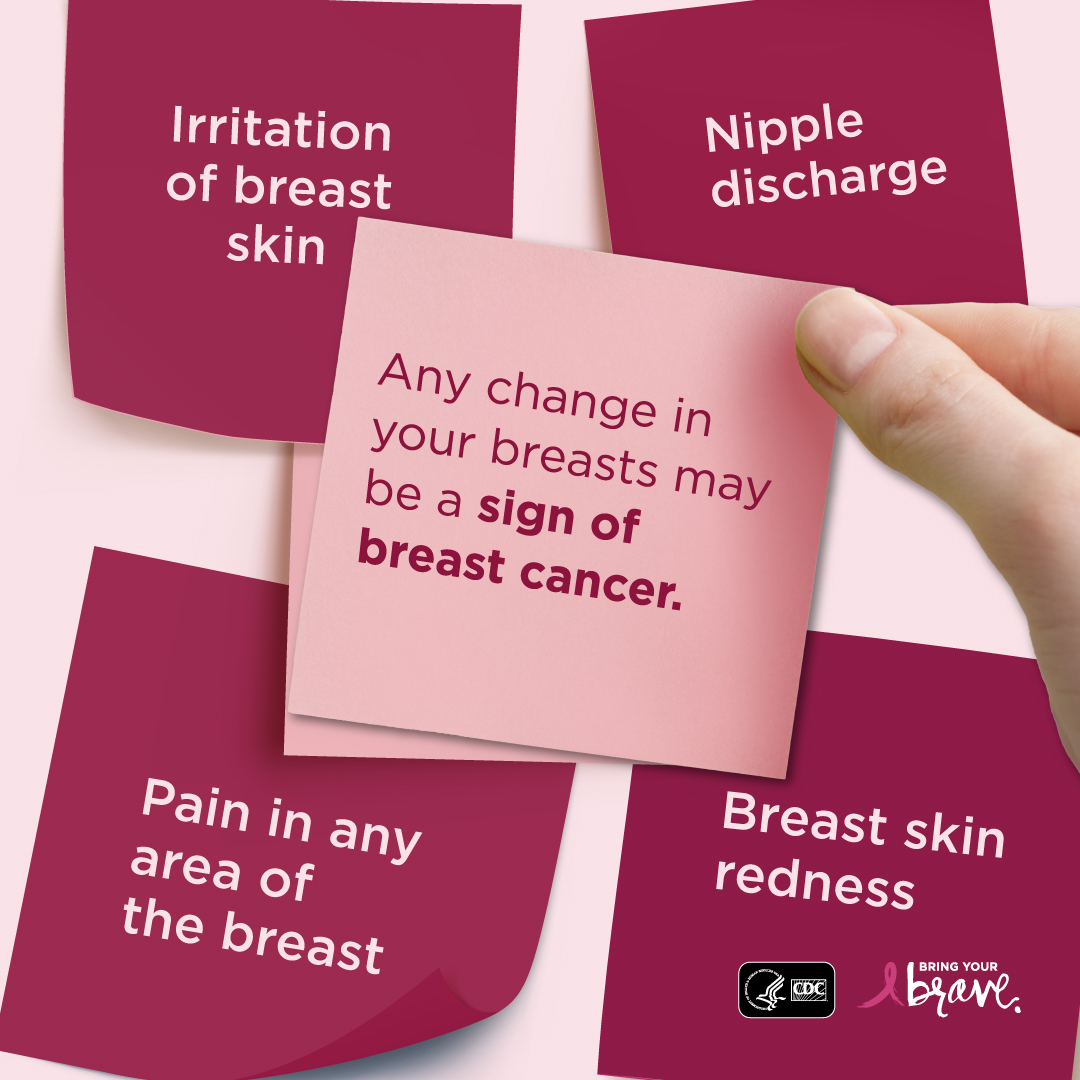
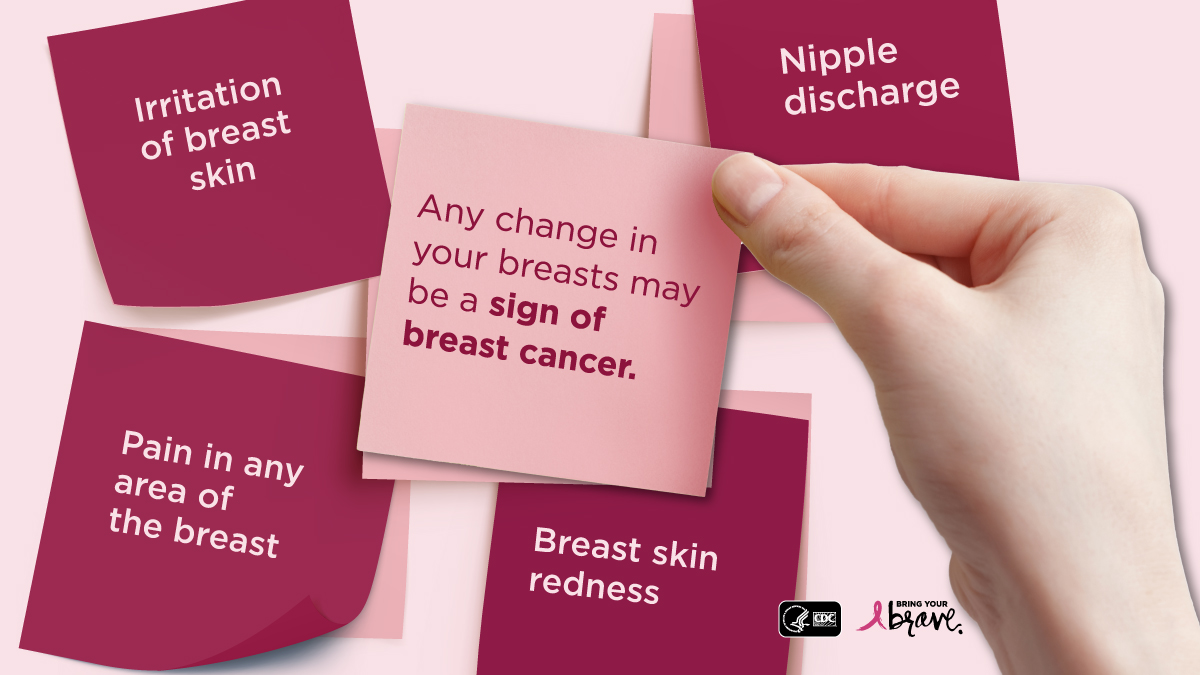
Suggested post: A lump in your breast is not the only possible symptom of breast cancer. Get to know the signs and symptoms of breast cancer and talk to your doctor if you notice any changes that concern you. www.cdc.gov/breast-cancer/symptoms/
Never too young
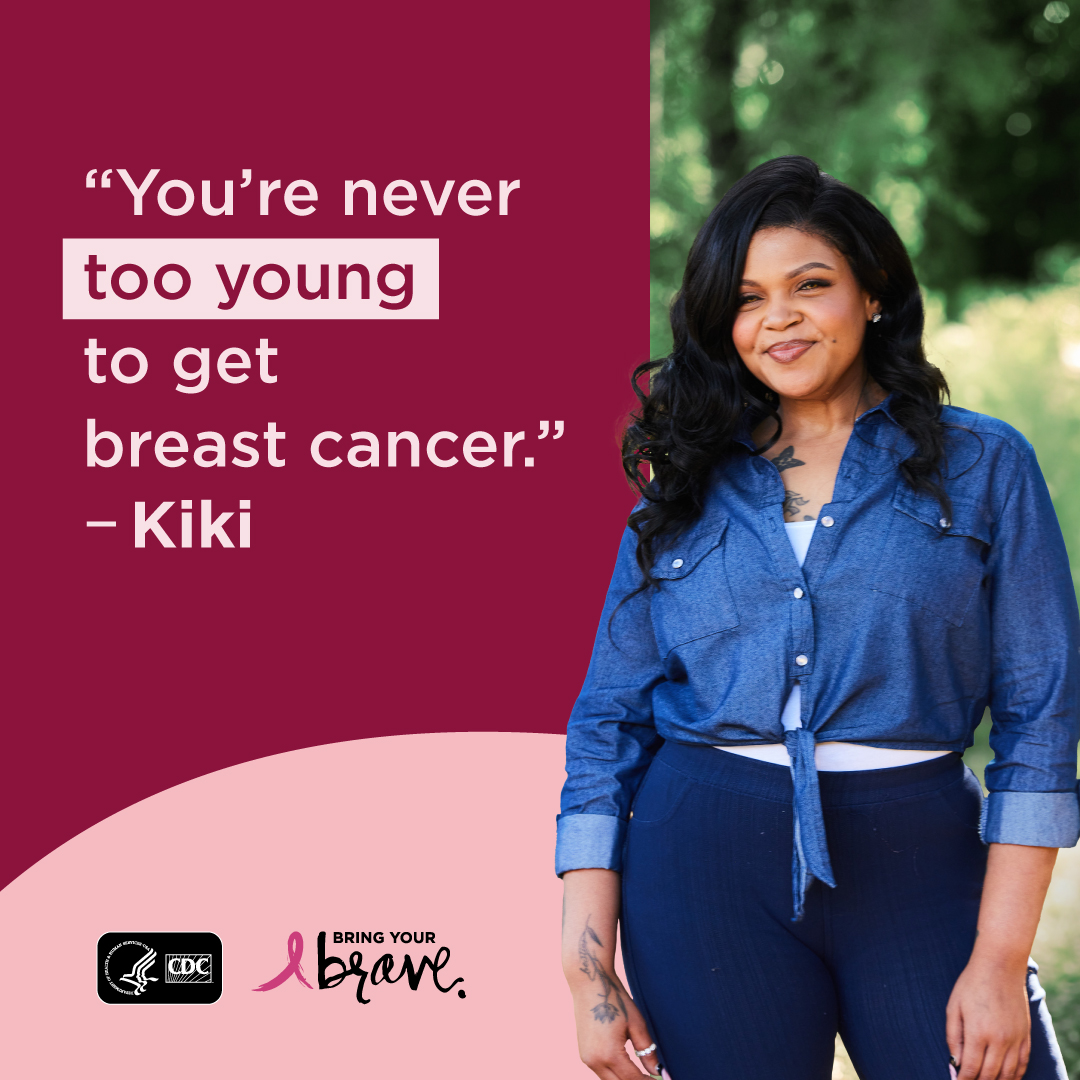
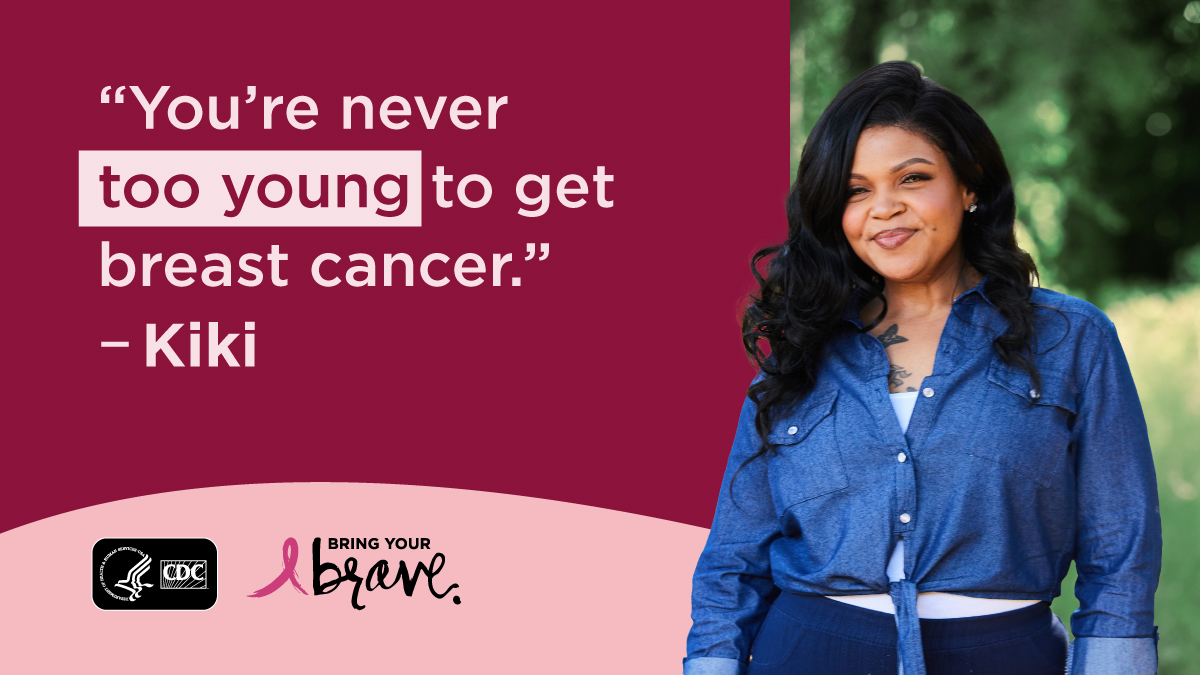
Suggested post: Nearly 1 in 10 women diagnosed with breast cancer is under the age of 45. While there are some risk factors you can't control, there are some choices you can make to lower your breast cancer risk. Find out how to reduce your risk: www.cdc.gov/breast-cancer/prevention/
This page was last updated on this date. Updates may include minor edits, image changes, or other modifications to page content.
The information on this page was last reviewed by subject matter experts to ensure accuracy.