Read CDC's 2025 global health annual report to learn about our stories, highlights, and impacts.
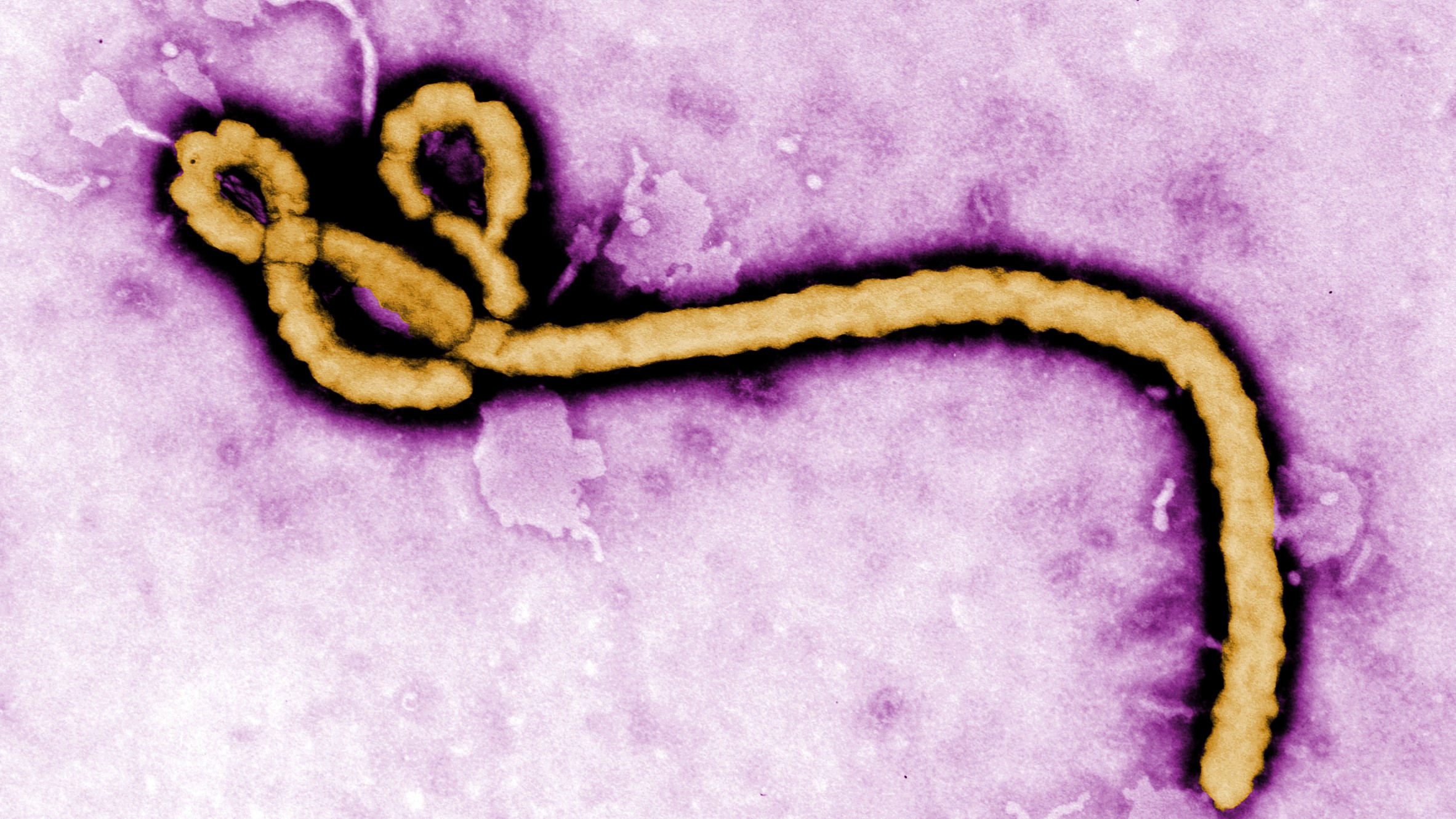
Homepage for CDC's Ebola website.
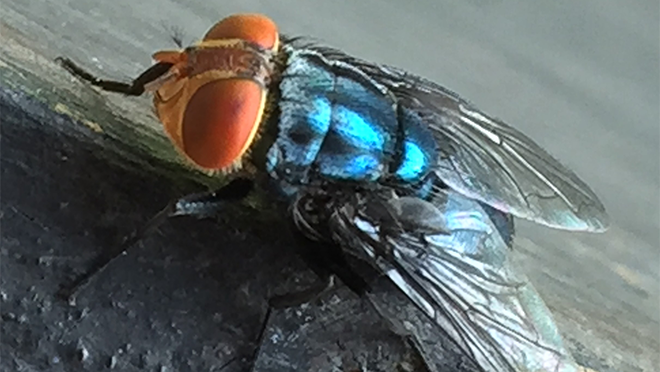
Current situation on the New World screwworm outbreak in Central America and Mexico.

CDC is a critical part of the U.S. government-wide effort to promote global health security.
Our Work
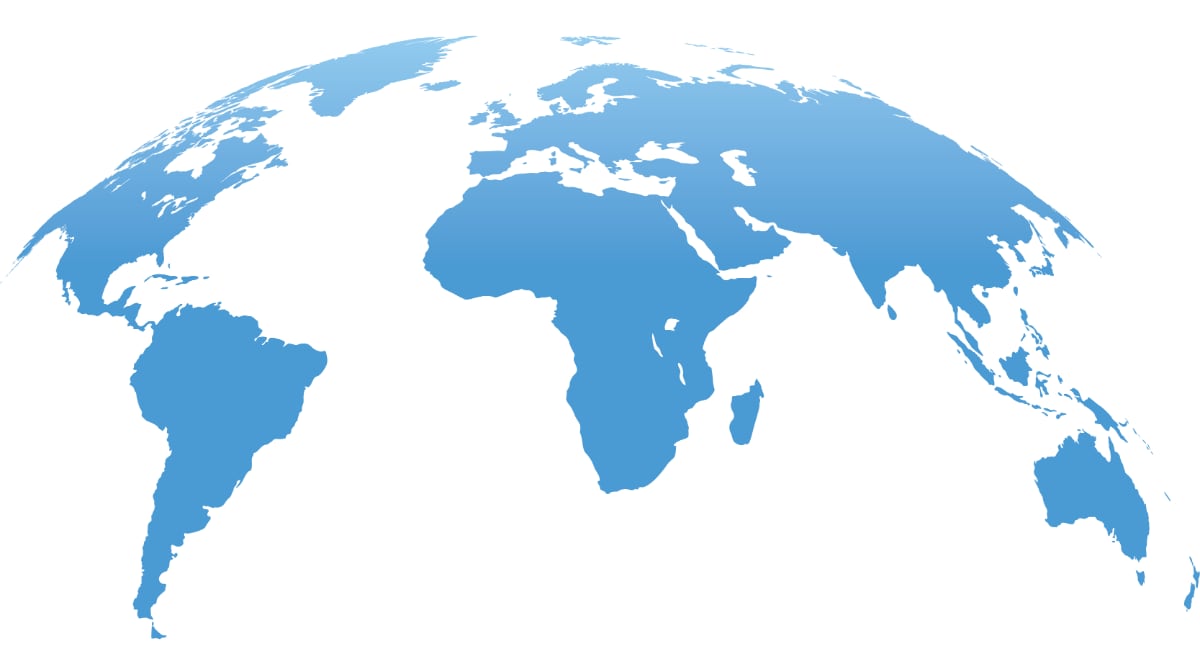
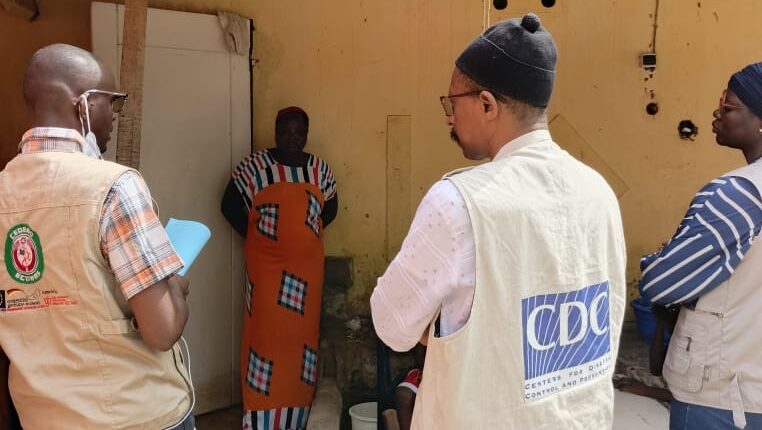
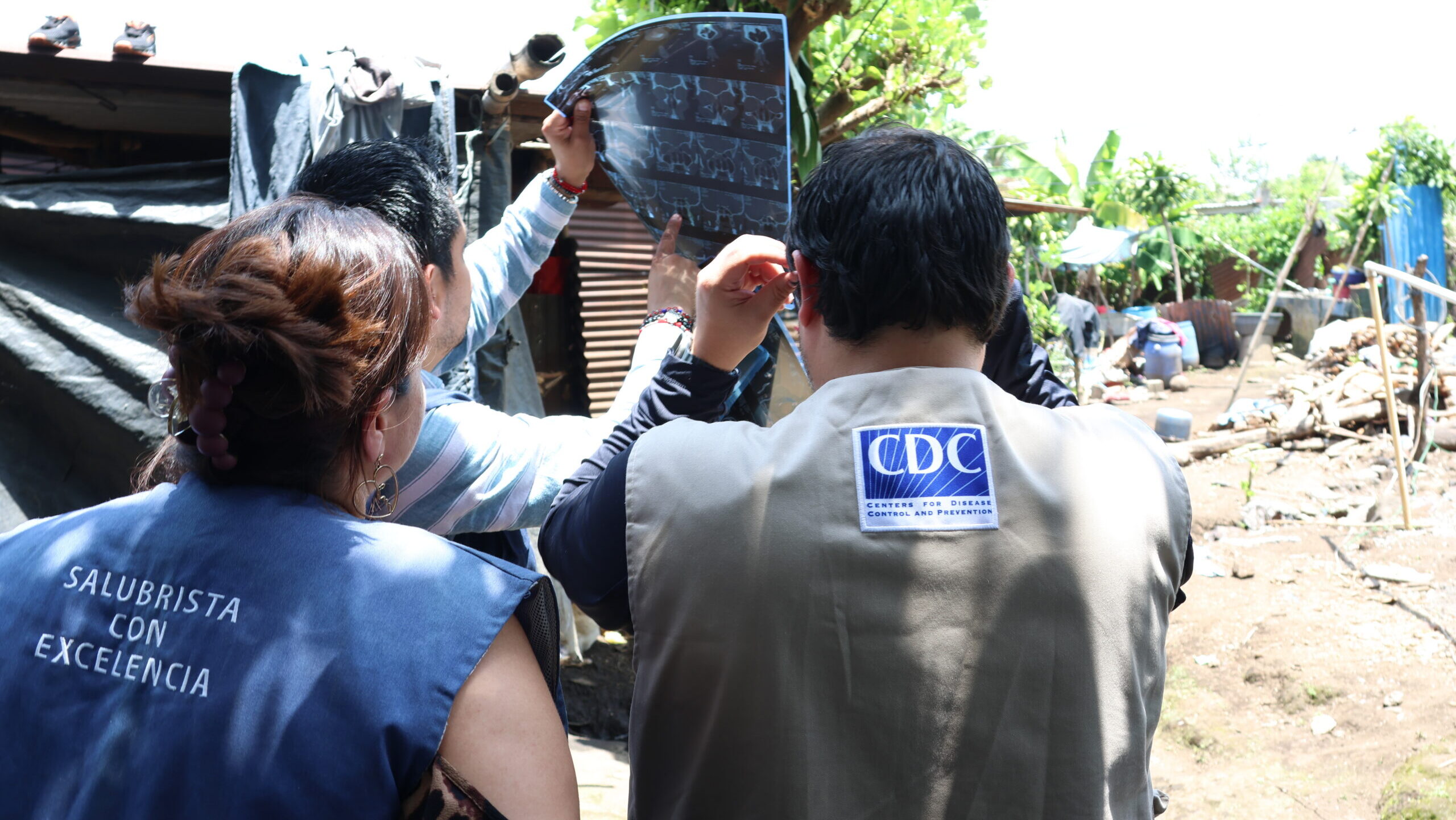
CDC has a network of country and regional offices in over 60 countries.
- Read more about CDC's global health impact.
- Explore a comprehensive array of global health topics.
- IHR require that all countries detect, assess, report, and respond to public health events.
- CDC works to end HIV and TB in partnership with countries supported by PEPFAR.
- CDC works on the frontlines of global health security to create a safer America and a safer world.
- CDC works to protect people worldwide from vaccine-preventable diseases.
- Find a collection of global health success stories.
- Find links to global health fact sheets and other digital resources.
- Explore global health reports and scientific publications.
- CDC global health public health news, press releases, and more.
- Sign up for our Around the World newsletter.
- Learn about CDC's global health jobs and opportunities.
Featured Stories