



At a glance
- With CDC-support Bangladesh established their own Field Epidemiology Training Program (FETP) in 2013.
- CDC-trained disease detectives helped stop outbreaks such as those caused by Nipah and Zika viruses.
- Through FETP training, Bangladesh has strengthened their ability to contain disease outbreaks before they become epidemics.
Challenge
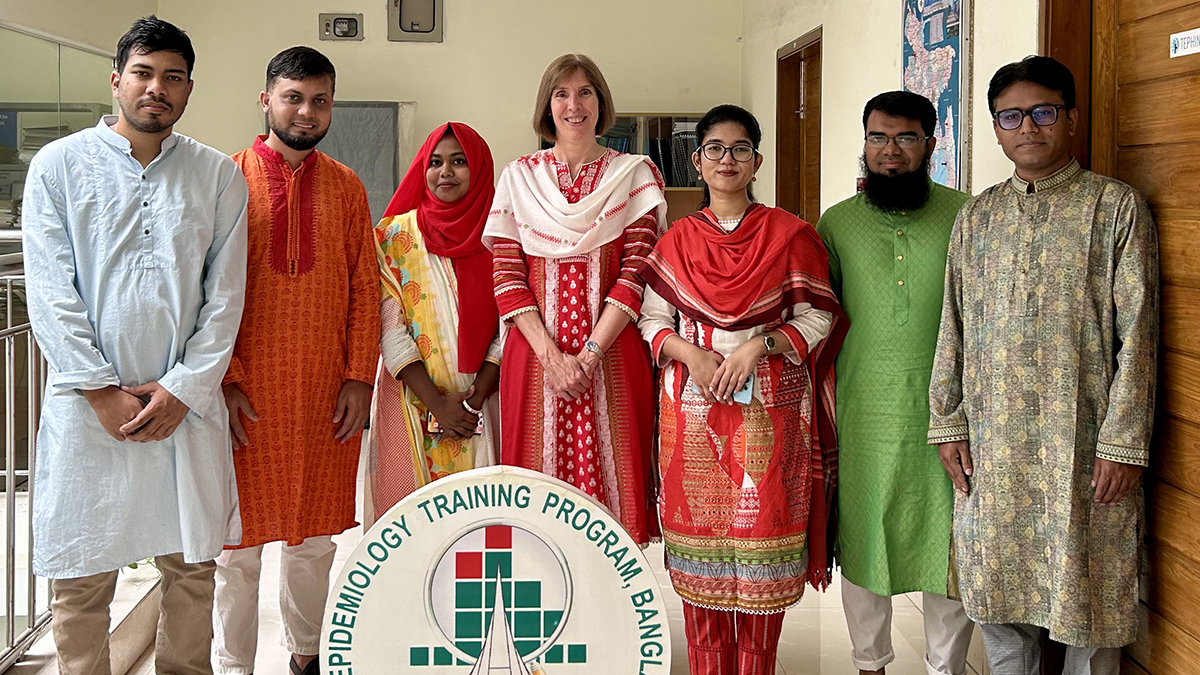
When disease threats emerge in Bangladesh—one of the world's most populous countries, located in South Asia – Bangladesh's Field Epidemiology Training Program (FETP) residents and graduates are often the first public health line of defense on the ground helping contain diseases before they become epidemics. From investigating rare diseases to strengthening surveillance systems, Bangladesh's FETP plays a vital role in strengthening the country's outbreak detection and emergency response capacity.
The value of CDC's investment in FETP became clear in 2024 when a rare case of Zika virus disease triggered an outbreak investigation led by a FETP resident.
CDC Bangladesh Collaborates with Health Partners to Combat Zika
In the fall of 2024, Bangladesh faced an unexpected Zika outbreak. A person living in Dhaka (capital city of Bangladesh) arrived at a hospital with dengue-like symptoms. Laboratory tests later revealed the patient was infected with Zika virus, which is uncommon for this region. Zika is primarily spread through mosquito bites but can also spread through sex and from mother to baby. Infection during pregnancy can cause serious birth defects and is associated with other pregnancy problems like fetal loss, stillbirth, and preterm birth. Since the disease is so rare, the detection of just one case met the criteria for an outbreak. On September 4, 2024, the Zika outbreak response began in Bangladesh.
After the patient tested positive for Zika, Bangladesh's Institute of Epidemiology, Disease Control and Research (IEDCR) immediately activated a team of public health responders led by Field Epidemiology Training Program (FETP) resident Dr. Jannatul Ferdous.
- Dr. Jannatul Ferdous, FETP Advanced resident, 10th cohort
These response efforts helped expand Bangladesh's surveillance system to detect Zika, strengthening the country's ability to identify and understand febrile illnesses.
CDC’s Efforts
FETP Residents and Graduates on the Frontline Investigating Nipah
The Zika response was not FETP Bangladesh's first experience tackling serious disease threats. From January to March 2024, second-year FETP Advanced Residents led multiple investigations of Nipah virus, a deadly disease spread by fruit bats. For each suspected case, IEDCR deployed teams to investigate infections, identify those at risk, and educate communities. Residents also supported the Nipah Enhanced Surveillance Program, which provides refresher training to healthcare workers at approximately 750 facilities across Bangladesh, strengthening the detection and reporting of suspected Nipah cases.
This field work illustrates the value of investing in a trained public health workforce that can rapidly detect, respond to and contain health threats before they reach larger communities, including the United States.
CDC’s Work in Bangladesh
For the past 13 years, Bangladesh has created a highly skilled workforce of public health professionals, thanks to years of training through FETP—one of CDC's Division of Global Health Protection's (DGHP) flagship programs.
In 2013, CDC Bangladesh partnered with the Ministry of Health and Family Welfare to charter a new path establishing FETP in Bangladesh. It began with a two-year Advanced Program eventually expanding to include a three-month frontline program in 2016, and finally a one-year Intermediate Program in 2022.
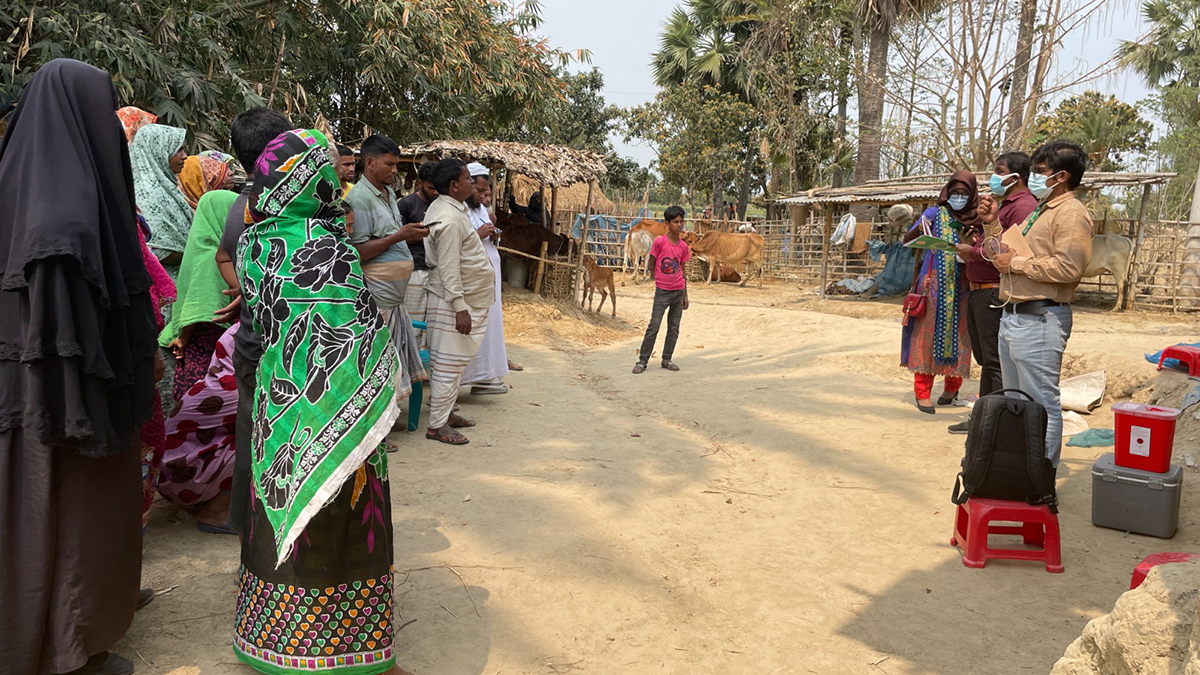
With support from CDC who provided emergency response expertise in Bangladesh, FETP graduates have used their training to collect, analyze and rapidly respond to outbreaks.
Impact
Since its inception in 2013, Bangladesh's FETP has graduated 38 residents from the two-year advanced program, 42 from the one-year intermediate program, and 233 from the three-month frontline program. These graduates have been on the frontlines responding to public health threats including anthrax, Nipah, diphtheria, dengue, chikungunya, acute watery diarrhea, rabies and avian influenza. Residents have led outbreak investigations, analyzed data, and supported emergency response operations. To date, FETP Advanced residents have conducted more than 300 outbreak investigations, presented more than 120 abstracts at international conferences, and published over 50 scientific manuscripts.
Together, these efforts show how this growing program is strengthening the country's ability to stop public health threats at their source.
Broader Implications
FETP Bangladesh is an essential component of CDC's global health security efforts. This program has helped build a workforce of epidemiologists with the skills to investigate and control disease outbreaks, improve disease surveillance, and make effective decisions during public health emergencies.
- Dr. Tahmina Shirin, former Director of FETP in Bangladesh and the Institute of Epidemiology, Disease Control and Research.
This page was last updated on this date. Updates may include minor edits, image changes, or other modifications to page content.
The information on this page was last reviewed by subject matter experts to ensure accuracy.