Key points
- A study in a neonatal intensive care unit (NICU) in Bangladesh found high rates of antimicrobial-resistant bacteria among newborns.
- These data prompted low-cost infection prevention and control (IPC) interventions to reduce infections on the unit.
- As adherence to IPC measures increased, resistant infections and deaths among newborns decreased by more than 80%.
- These results demonstrate that improving basic IPC practices can reduce dangerous infections in vulnerable populations and prevent the spread of resistant bacteria in healthcare facilities and across borders.
Uncovering high colonization rates
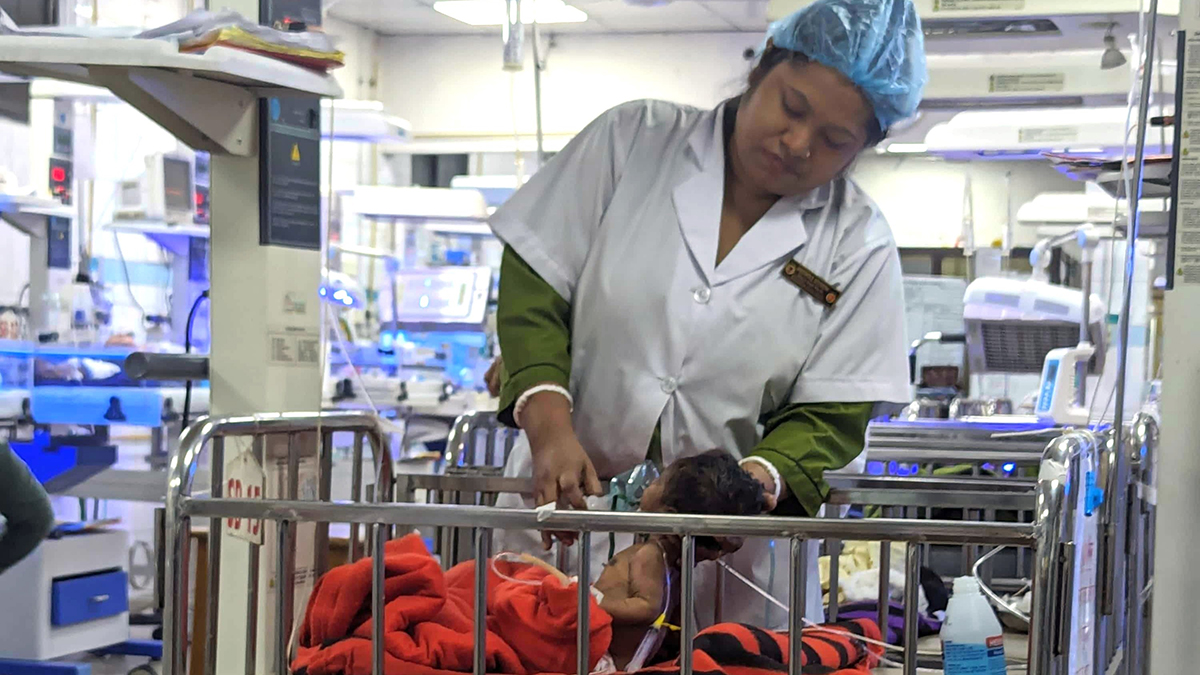
Newborns in neonatal intensive care units (NICUs) are at high risk of getting healthcare-associated infections because of factors including prematurity, long hospital stays, and the need for invasive support devices, like ventilators. Adding to this problem, antimicrobial-resistant infections are increasing in this population, particularly in low- and middle-income countries.
An Antibiotic Resistance in Communities and Hospitals (ARCH) consortium study, conducted by CDC and the ARCH study team from icddr,b, evaluated health outcomes for newborns admitted to a NICU in Bangladesh.
Alarming findings
When a patient is colonized with antimicrobial-resistant bacteria, they have harmful bacteria on or in their body but do not have signs or symptoms of an infection. The patient is at increased risk for infection and can spread the bacteria to others.
The same bacteria were also causing bloodstream infections (BSIs) on the unit. Many of the newborns had not left the hospital since birth, indicating they were exposed to the bacteria in the hospital.
IPC intervention
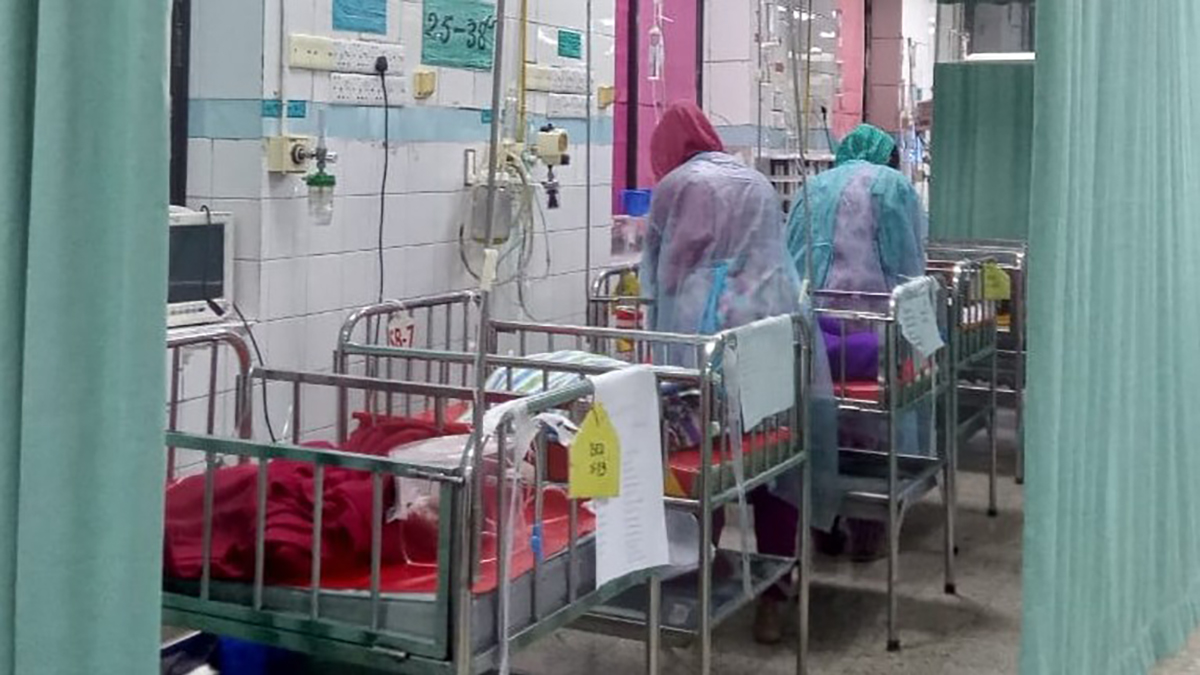
After identifying the concerning pattern of colonization, CDC and the icddr,b study team together with the NICU leadership team and the hospital infection prevention and control (IPC) committee implemented an infection IPC intervention that included:
- Identifying gaps in existing hand hygiene and environmental cleaning practices in the NICU through structured observations and in-depth interviews.
- Training NICU staff on IPC measures based on the unit's needs.
- Creating detailed job aids for environmental cleaning staff.
- Monitoring progress through periodic hand hygiene audits and evaluation of environmental cleaning practices and sharing results regularly with NICU staff.
To assess the impact of the intervention, the researchers conducted colonization screening in the NICU twice monthly along with ongoing surveillance for BSIs and deaths.
Decreased infections and deaths
Intervention impact
While deaths and infections decreased, colonization rates with antimicrobial-resistant bacteria continued to be high, suggesting the need for additional strategies to reduce colonization.
The study's findings highlight the impact targeted, low-cost improvements to hand hygiene and environmental cleaning practices – essential elements of IPC – can have on reducing antimicrobial-resistant infections and deaths in high-risk settings with vulnerable populations and limited resources. These improvements can help prevent spread of antimicrobial resistance (AR) within healthcare facilities and across borders.
Next steps
CDC and icddr,b continue to explore novel strategies to reduce transmission of antimicrobial-resistant bacteria in NICUs and other hospital units caring for critically ill patients.
Learn more about ARCH's innovative studies to investigate the spread of AR in communities and hospitals as a part of the Global AR Laboratory and Response Network.