



What to know
- The current risk to the public and animals in the United States is very low.
- On June 3, 2026, USDA confirmed the first U.S. animal case in the current outbreak of New World screwworm (NWS).
- There have been no reports of locally acquired human infestations of NWS.
- For the latest information on NWS in animals in the United States, visit screwworm.gov.
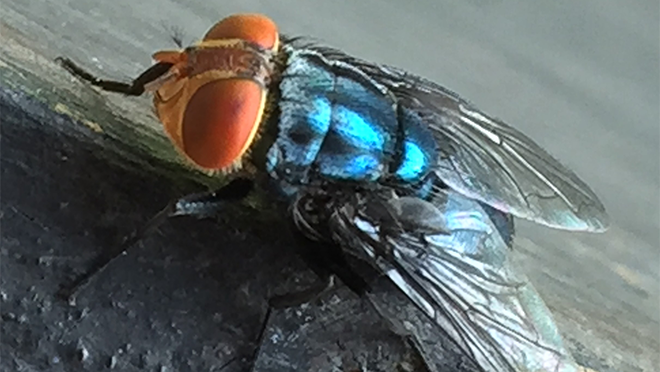
Current situation
Cases of NWS
- There have been no reports of human cases of NWS acquired in the United States.
- The latest information about animal cases of NWS in the United States can be found on screwworm.gov.
- Central American countries and Mexico have reported more than 209,400 NWS cases in animals and more than 2,800 cases in people.
On June 3, 2026, USDA-APHIS reported the first animal case in the United States. There have been no reports of human infestations with NWS acquired in the United States. The risk of NWS in people remains very low.
You and your pets may be at higher risk for NWS if you live in or travel to areas where NWS flies have infested animals:
In 2023, Panama and Costa Rica identified an outbreak of NWS. Since that time, all countries in Central America and Mexico--where NWS was previously controlled--have identified cases in animals (including livestock, pets, and wildlife) and in people. Visit screwworm.gov for the latest information on additional animal cases in the United States.
Since NWS's re-emergence in Central America and Mexico, one case was confirmed in August 2025 in a person who returned to the United States after traveling to El Salvador.
CDC is closely following this outbreak and is working with the USDA, the Department of the Interior (DOI), and other federal and state, local, and tribal partners using the One Health approach to prevent further spread of NWS among people and animals.
The strategy to respond to and control the NWS outbreak, led by USDA and in coordination with other federal agencies, includes the release of sterile flies, animal movement controls and surveillance, and outreach and education in affected areas.
What you should do
In areas where the NWS flies are present, the best way to protect yourself from infestation is to
- Keep open wounds clean and covered, no matter how small or location on the body.
- Wear loose-fitting, long-sleeved shirts and pants, hats, and socks to limit exposed skin.
- Use an EPA-registered insect repellent.
- Treat clothing and gear with products containing 0.5% permethrin.
- Sleep indoors or in rooms or tents with screens.
Watch for symptoms
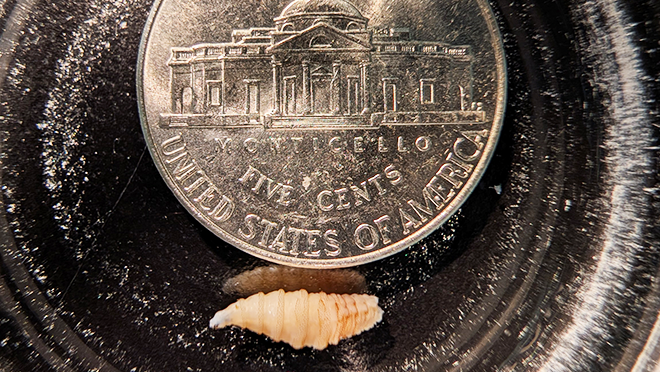
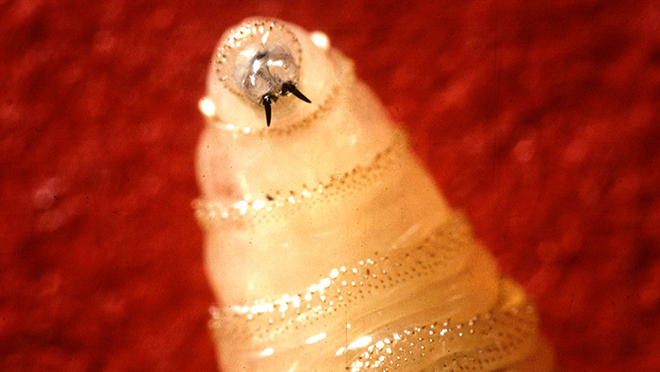
If you see or feel maggots (larvae) in or on a wound or other area of your body, contact your healthcare provider immediately. They will need to remove all of the maggots, sometimes through surgery. Do not try to remove or dispose of the maggots yourself.
Symptoms can include
- Unexplained, painful wounds or sores that do not heal.
- A foul-smelling odor or bleeding from the site of the infestation.
- Seeing maggots or feeling movement in open wounds or sores or in the areas of the body such as the nose, mouth, eyes, ears, or genitals.
Report suspect cases
If you are a healthcare provider and you suspect a patient has an NWS infestation, report it immediately to your local or state health department. Veterinarians should report any suspicious animal cases immediately to their state animal health official and APHIS office.
This page was last updated on this date. Updates may include minor edits, image changes, or other modifications to page content.
The information on this page was last reviewed by subject matter experts to ensure accuracy.