Global Disease Detection: Egypt
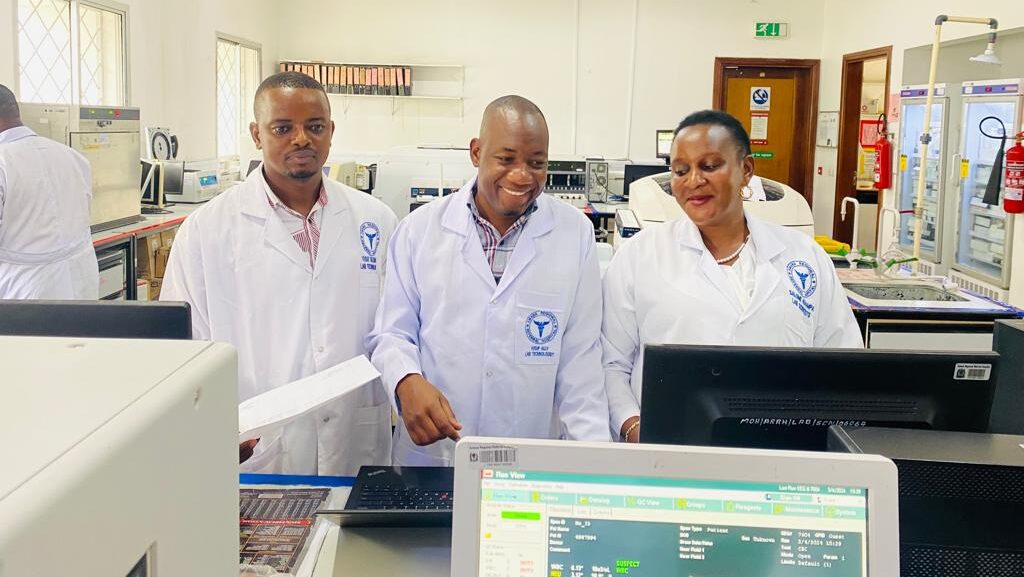
The Global Disease Detection Center in Egypt is co-located with NAMRU-3 (pictured) and utilizes its well-established laboratory facilities to train partners throughout the world. Namru-3 is a WHO H5N1 Reference Laboratory for the region.
The U.S. Centers for Disease Control & Prevention (CDC) has worked with public health institutions in Egypt in collaboration with the Naval Medical Research Unit No. 3 (NAMRU-3) for over 20 years. In 2006, this collaboration was broadened to leverage country and regional resources to control and combat priority infectious diseases through the establishment of a Global Disease Detection (GDD) Regional Center, in partnership with NAMRU-3. The Center utilizes NAMRU-3’s state-of-the-art laboratory facilities, including BSL-3 space, and builds on over 60 years of NAMRU-3’s successful regional public health partnerships.
GDD is U.S. CDC’s principal program for identifying and containing emerging infections around the world, and has been designated by WHO as a Collaborating Center for Implementation of International Health Regulations National Surveillance and Response Capacity. A central focus of GDD is the establishment and expansion of GDD Regional Centers in each WHO region.
In Egypt, the GDD Regional Center is coordinated by the Global Disease Detection and Response Program, one of four scientific programs within NAMRU-3. Primary partners include regional Ministries of Health, WHO’s Eastern Mediterranean Regional Office, Ford Foundation, United States Agency for International Development (USAID), Department of State, and Department of Defense/Global Emerging Infectious Disease Surveillance (DoD/ GEIS), and CDC-Atlanta. NAMRU-3 is located adjacent to the Abbassia Fever Hospital in Cairo.
Responding to Health Threats
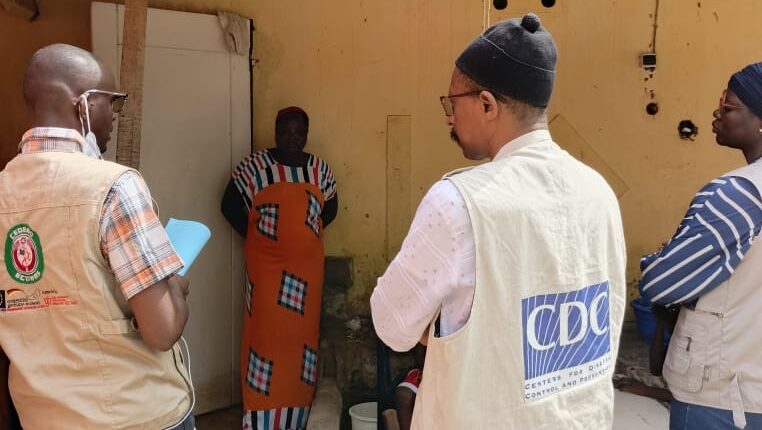
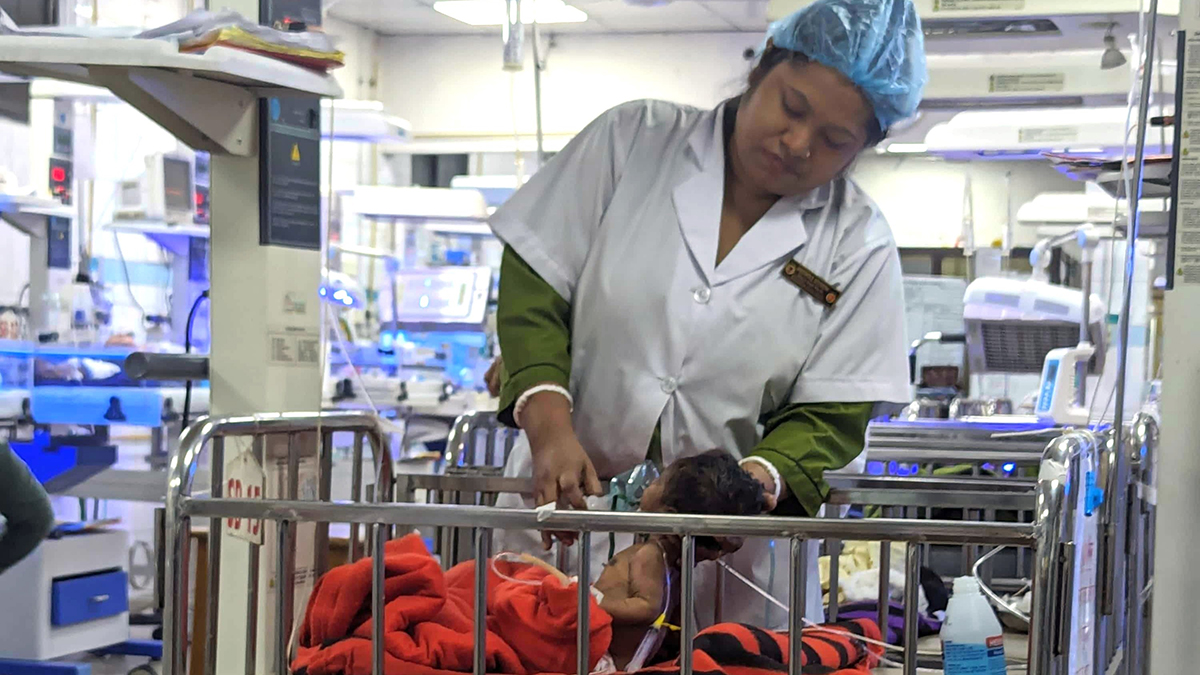
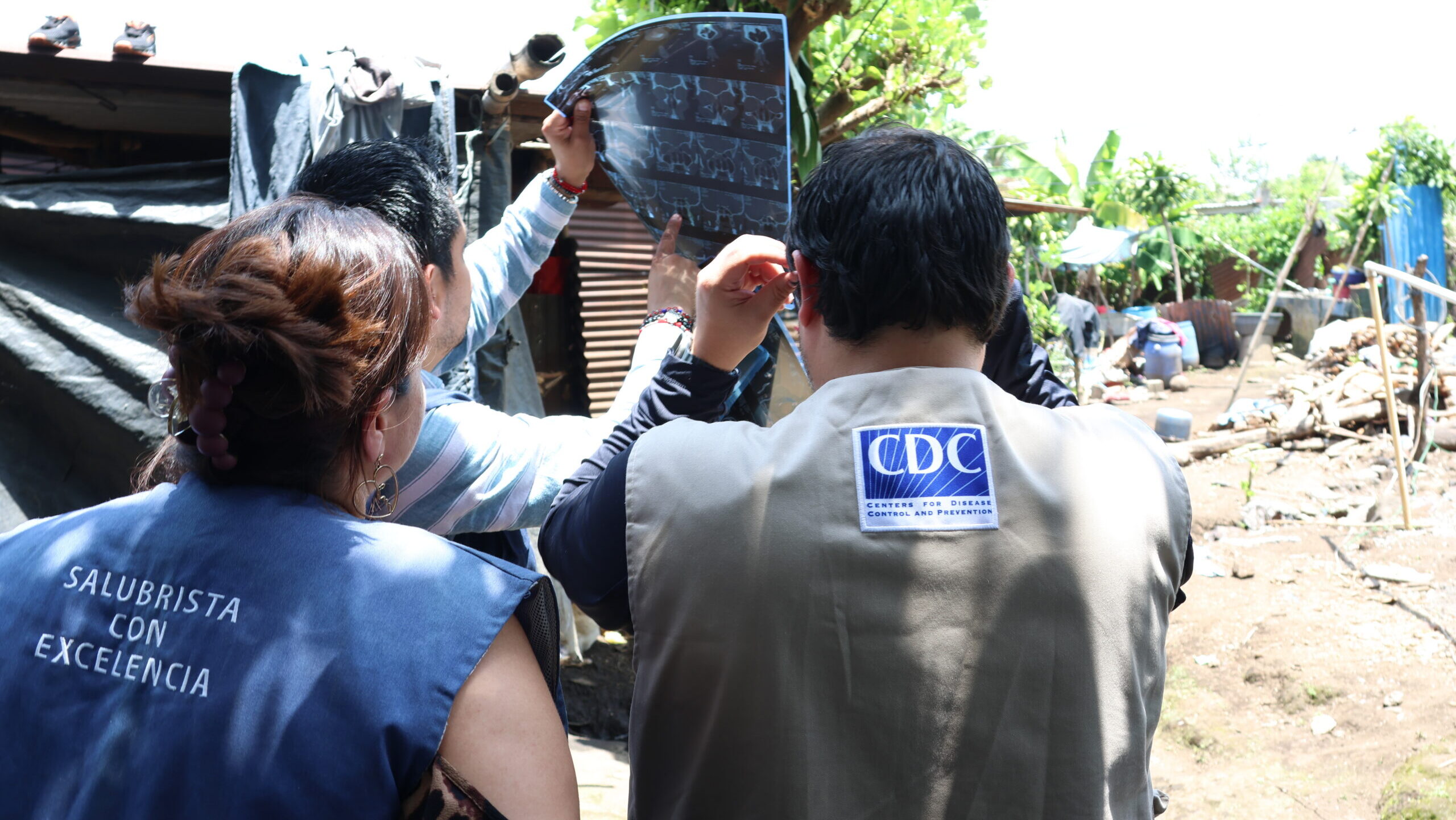
Strong regional partnerships are in place between CDC, NAMRU-3, the Egyptian Ministry of Health (MoH), the World Health Organization (WHO), and other key public health experts. Together, partners provide vital technical assistance to detect and respond to major public health challenges, including H5N1, dengue, Rift Valley Fever, and hemorrhagic illness to over 40 countries in WHO’s Eastern Mediterranean, North and West Africa, and Central Asia regions.
NAMRU-3 is proud to have the CDC's Global Disease Detection and Response Program as one of our four scientific programs." Captain Kenneth C. Earhart, Medical Corps, United States Navy Commanding Officer,
NAMRU-3
Building Disease Detection and Response Capacity
Using the International Health Regulations (2005) as an organizing framework, the Center at NAMRU-3 works to enhance global ability to develop evidence based strategies with clear goals to detect and contain outbreaks at their source. This approach advances expertise in:
- Emerging infectious disease detection and response
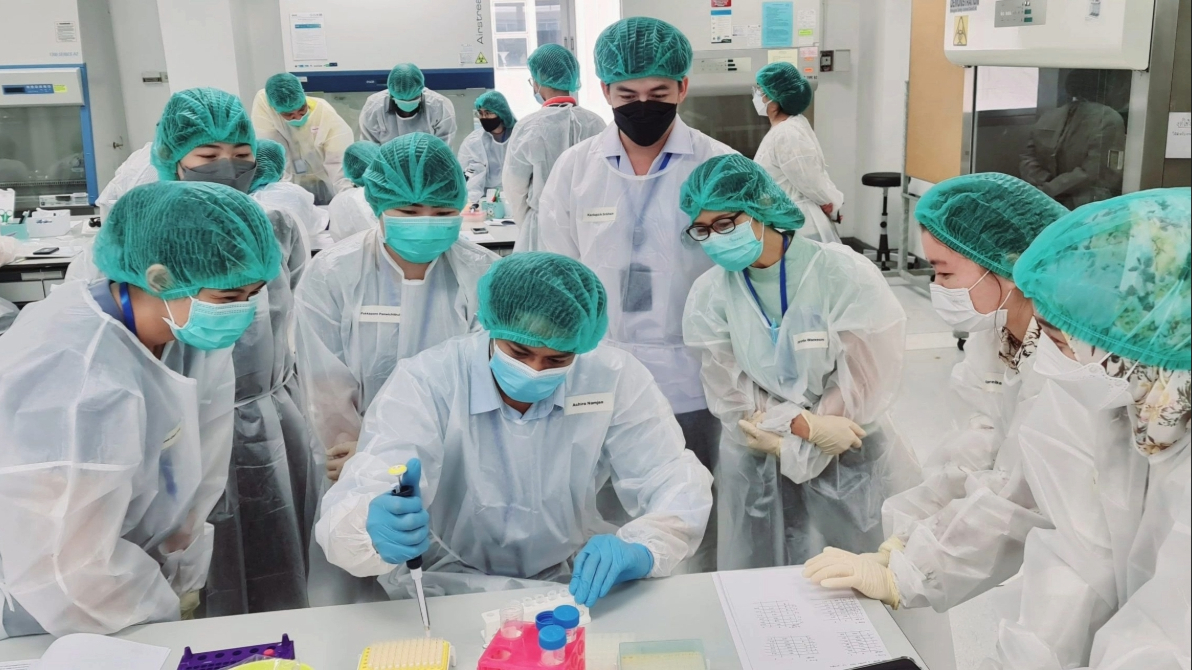
- Field epidemiology and laboratory training
- Pandemic influenza preparedness and response
- Laboratory systems and biosafety
- Zoonotic disease research and control
- Health communications and information technology
Connecting Resources
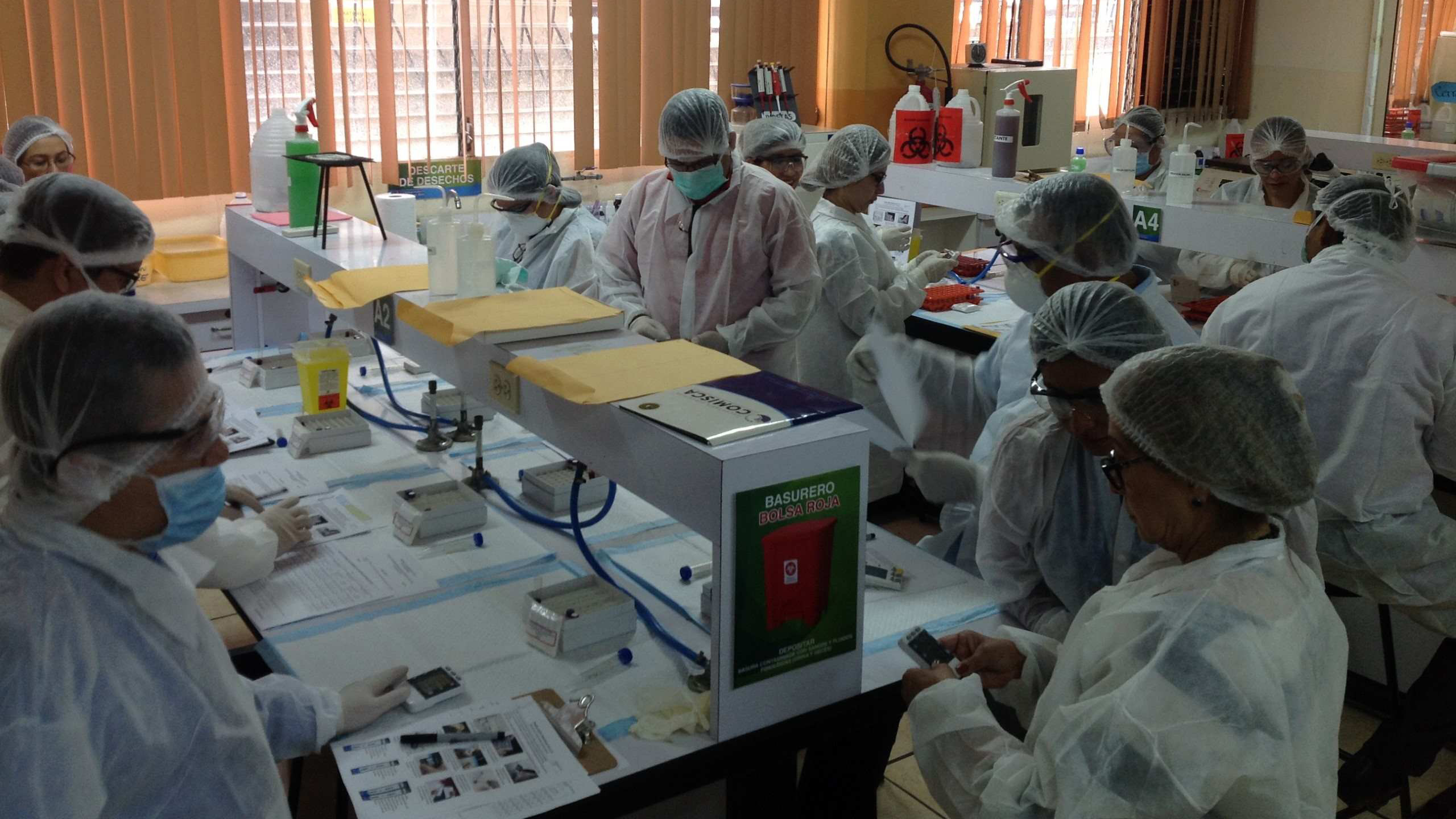
The Center integrates surveillance and laboratory expertise to improve public health throughout the region. For instance, in 2007 during an outbreak of acute febrile illness among U.S. Army troops in Iraq, laboratory tests conducted by NAMRU-3 confirmed the presence of Sandfly fever Sicilian virus. In 2009, the Center led a NAMRU-3 and CDC effort to train over 90 epidemiologists and laboratorians from Afghanistan, Djibouti, Iraq, Egypt, Jordan, Libya, Morocco, and Sudan in epidemiology, biosafety, infection control, and laboratory science.
Making a Regional Impact

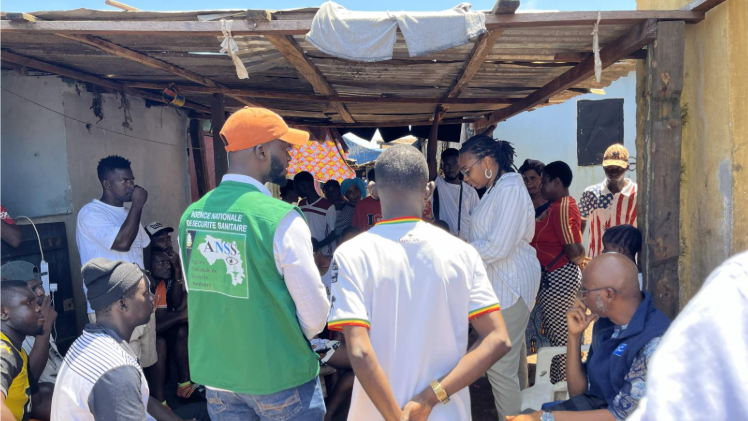
NAMRU-3 laboratory staff alerted public health officials in Baku, Azerbaijan of the occurrence of Q fever, a highly infectious respiratory disease not previously detected in an urban population.
From 2006-2009, the Center at NAMRU-3 has supported:
- Effective response to 65 outbreaks at the invitation of affected countries
- Systematic surveillance for select conditions and diseases reportable within days, and sometimes hours of the occurrence
- Discovery of one novel pathogen, and detection of nine pathogens new to the region
- Establishment of laboratory diagnostic testing capacity for 50 pathogens
- Graduation of 42 future global health leaders from five countries through the two-year Field Epidemiology Training Program (FETP)
- Participation of 3,540 public health officials from over 30 countries in short-term pandemic response exercises and laboratory trainings
Get email updates about this site
Your email address: