


At a glance
We research food safety policies and practices in restaurants, banquet facilities, schools, and other institutions. Explore summaries of key findings from our research.
Key findings
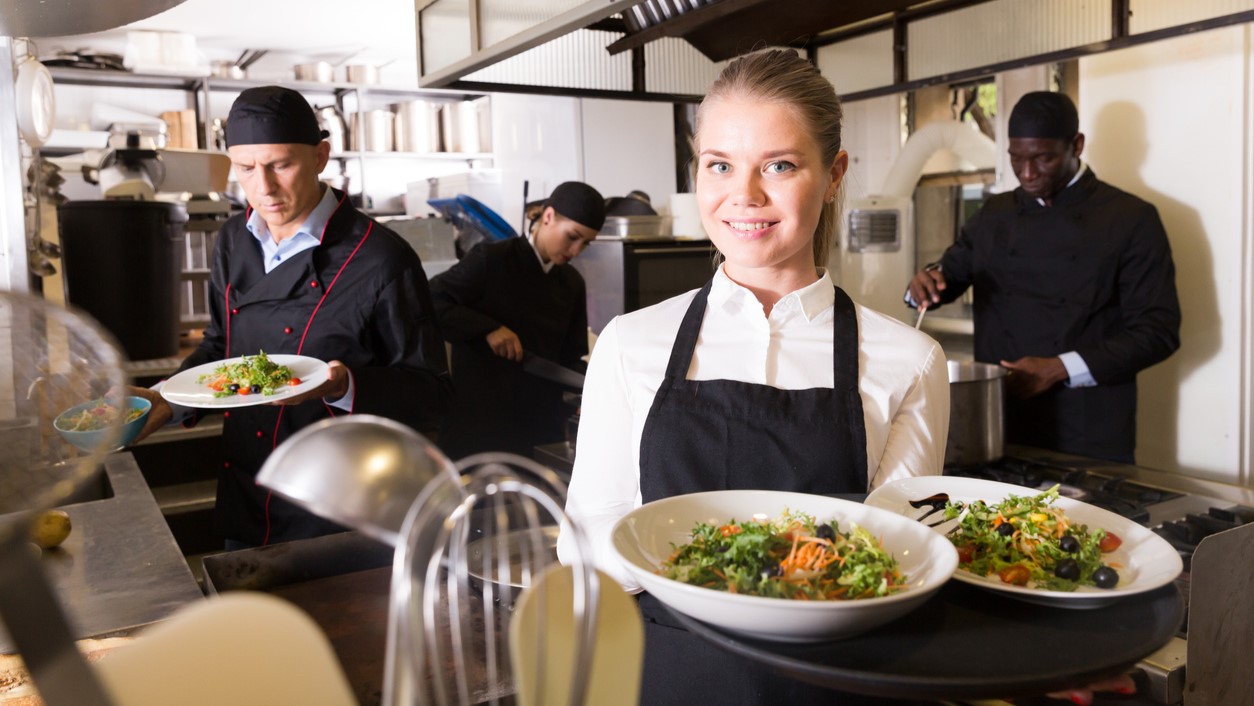
Research from several Environmental Health Specialists Network (EHS-Net) projects has led to key takeaways on restaurant food safety:
- Restaurants with kitchen managers certified in food safety are less likely to have foodborne illness outbreaks, have better food safety practices, have better ratings and fewer critical violations on their inspections (read our summaries).
- Posting health department restaurant inspection scores at restaurants and using letter grades for restaurant inspection results are linked with fewer foodborne outbreaks and could lead to safer restaurants (read the summary).
- Managers can support workers staying home when sick by taking a proactive role in deciding whether sick workers should work (read the summary).
- Retail delis can address gaps in food safety practices by encouraging kitchen manager certification and having written slicer cleaning policies (read the summary).
Learn more on specific topics through our individual summaries below.
Food safety culture, sick workers, hand hygiene, and kitchen manager certification

Learn what contributes to a strong food safety culture in restaurants.

Learn what restaurant managers can do when their food staff are sick.
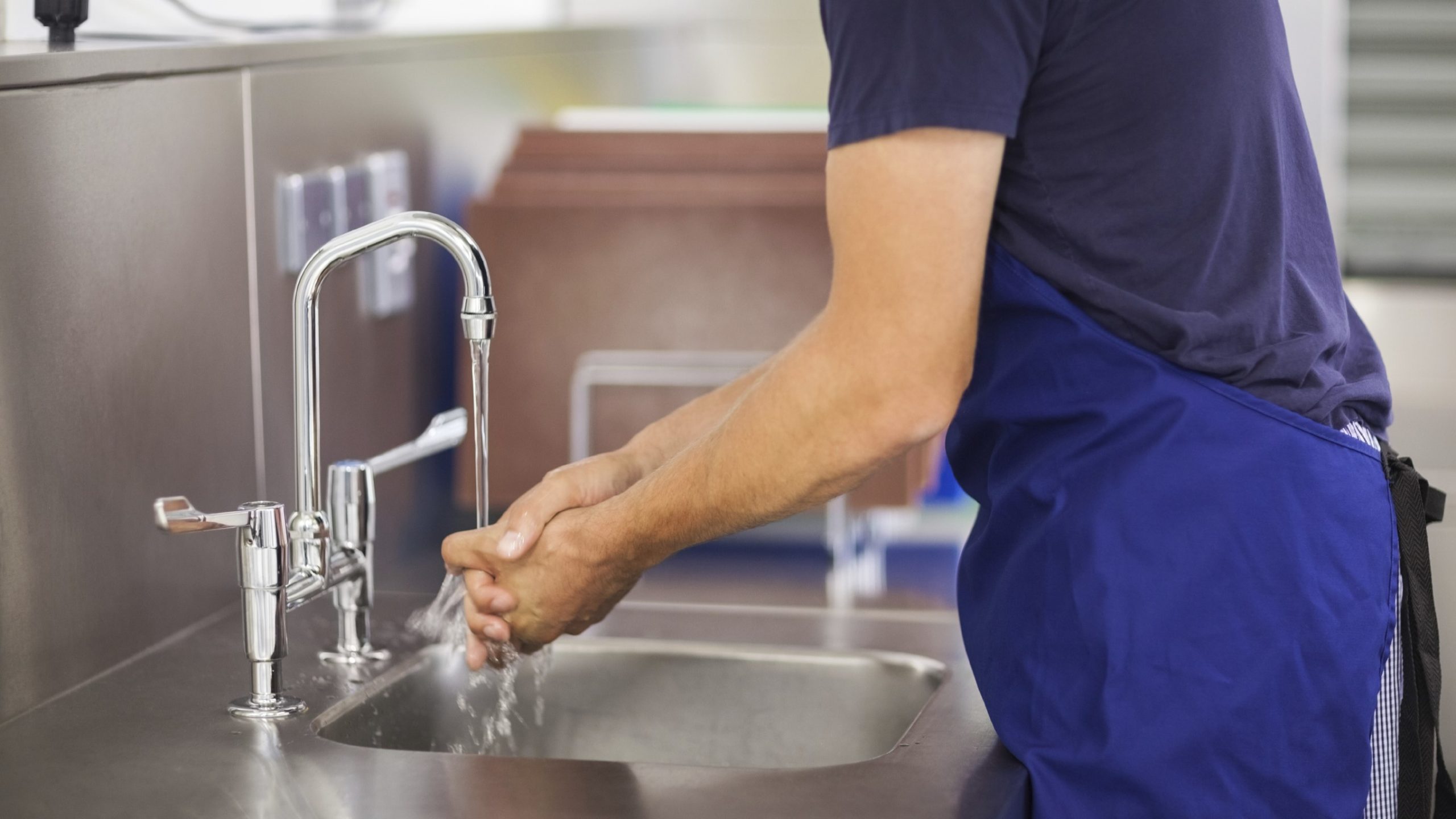
Learn what restaurants can do to improve handwashing practices in food workers.

Explore our findings and resources on certified kitchen managers.
Other practices

Learn how retail delis can address gaps in food safety practices.

Learn what food safety programs can do to improve date marking practices in restaurants.

Learn what restaurants and food programs can do to improve food cooling practices in restaurants.

Learn what makes it easier or harder for restaurant workers do seven safe food-handling practices.

Learn what restaurant managers and food-safety programs can do to improve food prep practices.

Learn how to avoid the root causes of Clostridium perfringens outbreaks.
Foods linked to outbreaks
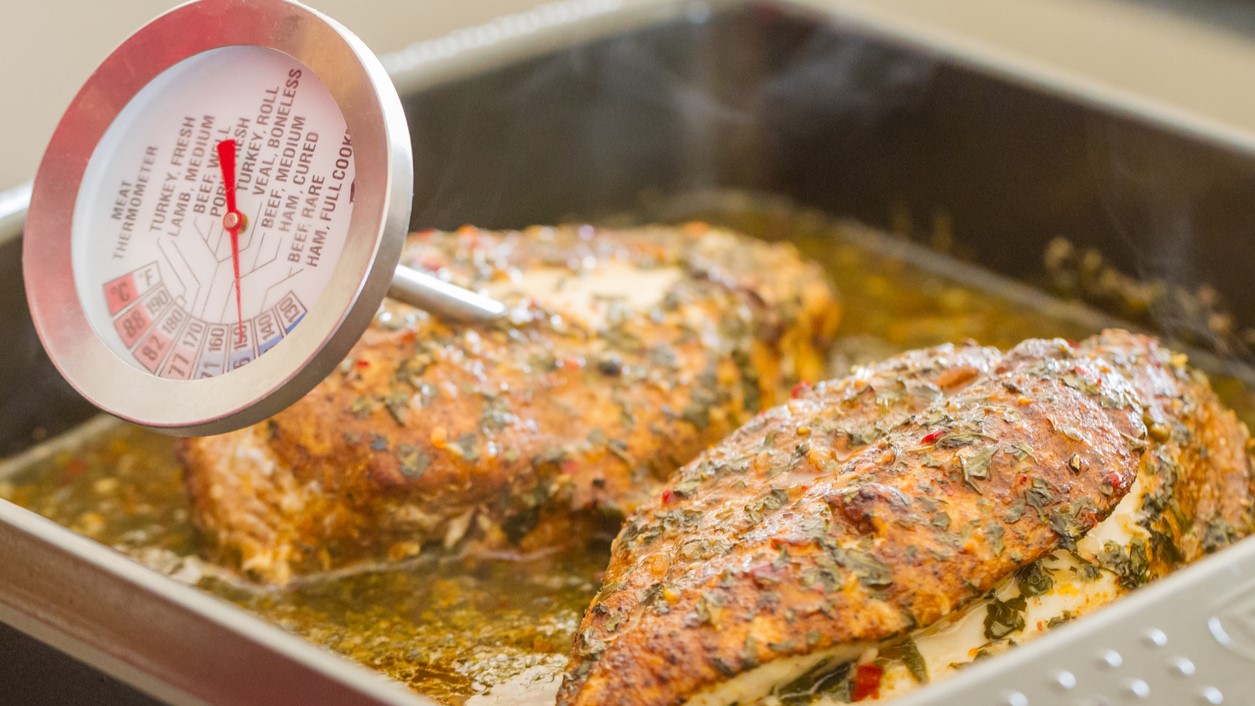
Learn what restaurant managers and food safety programs can do to improve how they handle chicken.

Learn what food programs and restaurants can do to reduce the spread of germs linked to eggs.

Learn what food safety programs and restaurants can do to ensure leafy vegetables are safe to eat.

Learn what restaurants and food safety programs can do to keep adequate records of beef grinding.

Learn what restaurants and food safety programs can do to improve ground beef practices.

Learn how restaurants and food programs can help prevent outbreaks linked to raw ground beef.

Learn about safe food practices that could prevent outbreaks linked to tomatoes.
Other findings

Learn about key Food Code provisions that may help lower rates of foodborne norovirus outbreaks.

Learn how restaurant inspection practices are linked with foodborne outbreaks.
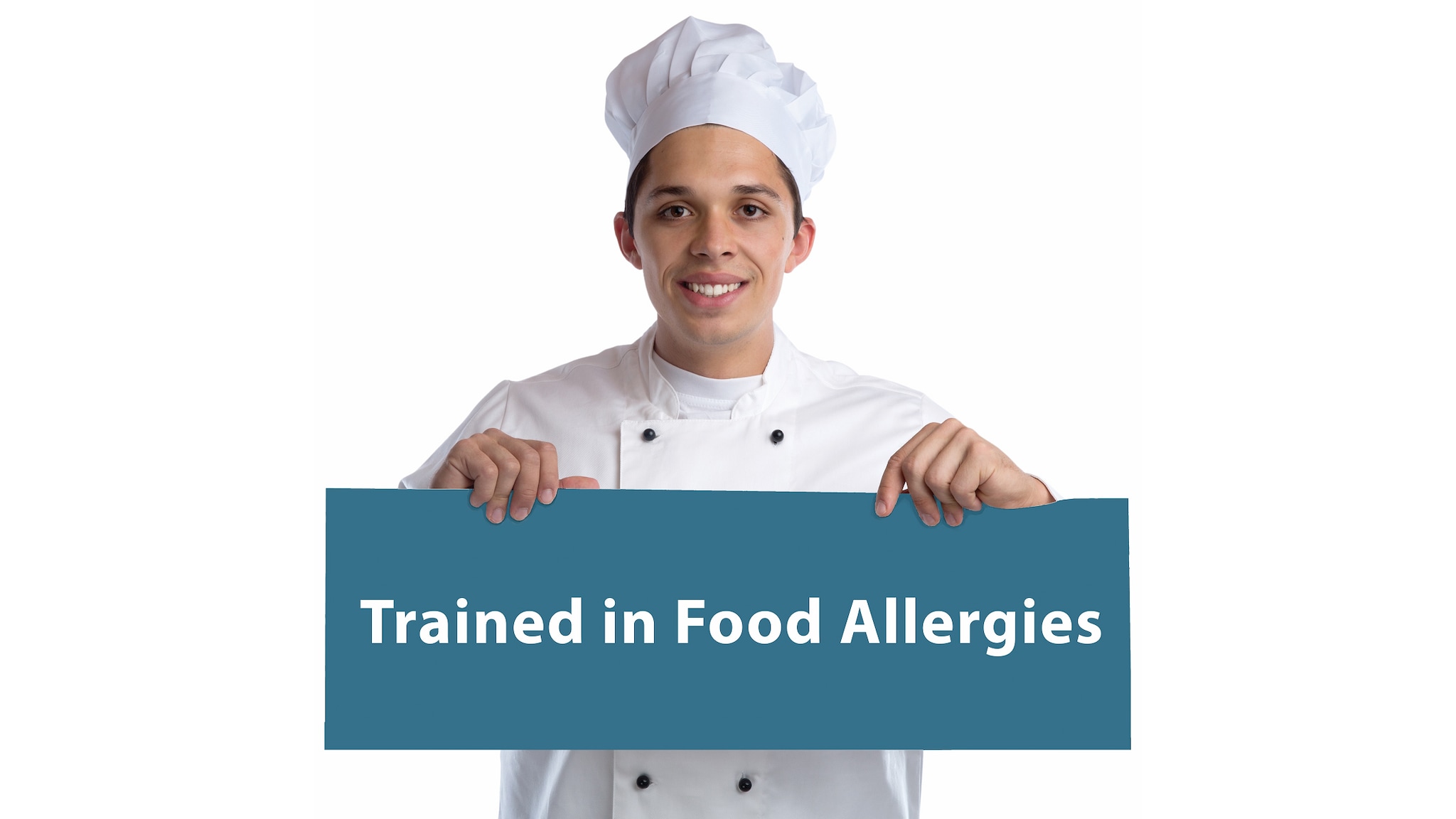
Learn what restaurants can do to prevent allergic reactions in their restaurant.

Explore our findings on the role of restaurant customers in preventing foodborne illness.
Content Source
National Center for Environmental Health
About this page
Published: May 15, 2024
Updated: October 29, 2026
This page was last updated on this date. Updates may include minor edits, image changes, or other modifications to page content.
Reviewed: October 29, 2026
The information on this page was last reviewed by subject matter experts to ensure accuracy.