



What to know
- Human Parainfluenza Viruses (HPIVs) are common respiratory viruses that usually cause mild, cold-like symptoms.
- HPIVs are associated with croup in young children.
- Some people, such as children and adults with weakened immune systems, may be more likely to develop severe illness.
- Washing hands, not touching your face, and not being in close contact with people who are sick can help prevent infection.
- Most people with HPIVs will recover on their own.
Symptoms
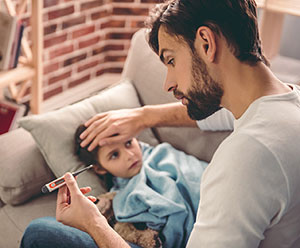
Symptoms generally appear 2 to 6 days after infection. Symptoms are like the common cold and can include:
- fever
- runny nose
- cough
- sneezing
- sore throat
Other symptoms of HPIV illness may include:
- ear pain
- irritability
- decreased appetite
Serious illness in children
HPIVs can also cause more serious illness in children, including:
- croup (infection of the vocal cords [larynx], windpipe [trachea], and sometimes into the larger airways into the lungs [bronchi])
- bronchitis (infection of the main airways that connect the windpipe to the lungs)
- bronchiolitis (infection in the smallest airways in the lungs)
- pneumonia (infection of the lungs)
- worsening of underlying lung conditions, such as asthma
Symptoms of more serious illness in children may include:
- barking cough
- hoarseness
- stridor (noisy or high-pitched sound with breathing)
- wheezing
Illness in adults
HPIVs commonly cause upper respiratory infections in adults. More severe illness, such as bronchitis and pneumonia may occur, especially in older adults and people with weakened immune systems.
Symptoms in adults may include:
- fever
- runny nose
- cough
- sore throat
You can have multiple HPIV illnesses in your lifetime.
When to seek emergency care
People at risk
Anyone can get infected with HPIVs, which generally cause upper respiratory illnesses. They can cause more severe lower respiratory illnesses in:
- Infants
- Young children
- Older adults
- People with weakened immune systems
How it spreads
HPIVs usually spread from an infected person to others through:
- the air by coughing and sneezing
- close personal contact, such as touching or shaking hands
- touching objects or surfaces that have HPIVs on them and then touching your mouth, nose, or eyes
People can get HPIV infections any time of year.
Prevention
Protecting yourself
There is no vaccine or treatment that can prevent HPIV infection. To prevent the spread of HPIV, follow core prevention strategies for respiratory viruses:
- Practice good hygiene (practices that improve cleanliness).
- Cover your mouth and nose with a tissue when you cough or sneeze. If you don't have a tissue, cough or sneeze into your elbow, not your hands.
- Learn and use proper handwashing techniques. Frequent handwashing is especially important in childcare settings and healthcare facilities.
- Clean frequently touched surfaces regularly, such as countertops, handrails, and doorknobs.
- Take steps for cleaner air.
- When you have symptoms of a respiratory virus, take steps to prevent spread.
Protecting your baby
Breastfeeding may protect babies from HPIVs during their first few months of life. That is because mothers may have antibodies (protective proteins) in their breast milk to fight infection.
Protecting others
If you are sick with a common cold illness or cough that may be caused by HPIV, you can help protect others by:
- staying home while you are sick
- avoiding close contact with others
- covering your mouth and nose when you cough or sneeze
- keeping objects and surfaces clean and disinfected
- considering wearing a well-fitted mask; children ages 2 years and older can wear masks or respirators to protect themselves and others from HPIVs
Treatment
There is no specific antiviral treatment for HPIV illness. Most people will recover on their own.
If you are sick, you should:
- drink plenty of liquids
- stay home and rest
Antibiotics are not effective against treating HPIVs. Antibiotics are only effective against bacterial infections. For information about safe antibiotic use, see CDC's Antibiotic Prescribing and Use.
To relieve symptoms, you can:
- take over-the-counter medications for pain and fever. Caution: Aspirin should not be given to children.
- use a room humidifier or take a hot shower to help ease your sore throat and cough.
If you are concerned about your or your child's symptoms, you should contact your healthcare provider.