



Key points
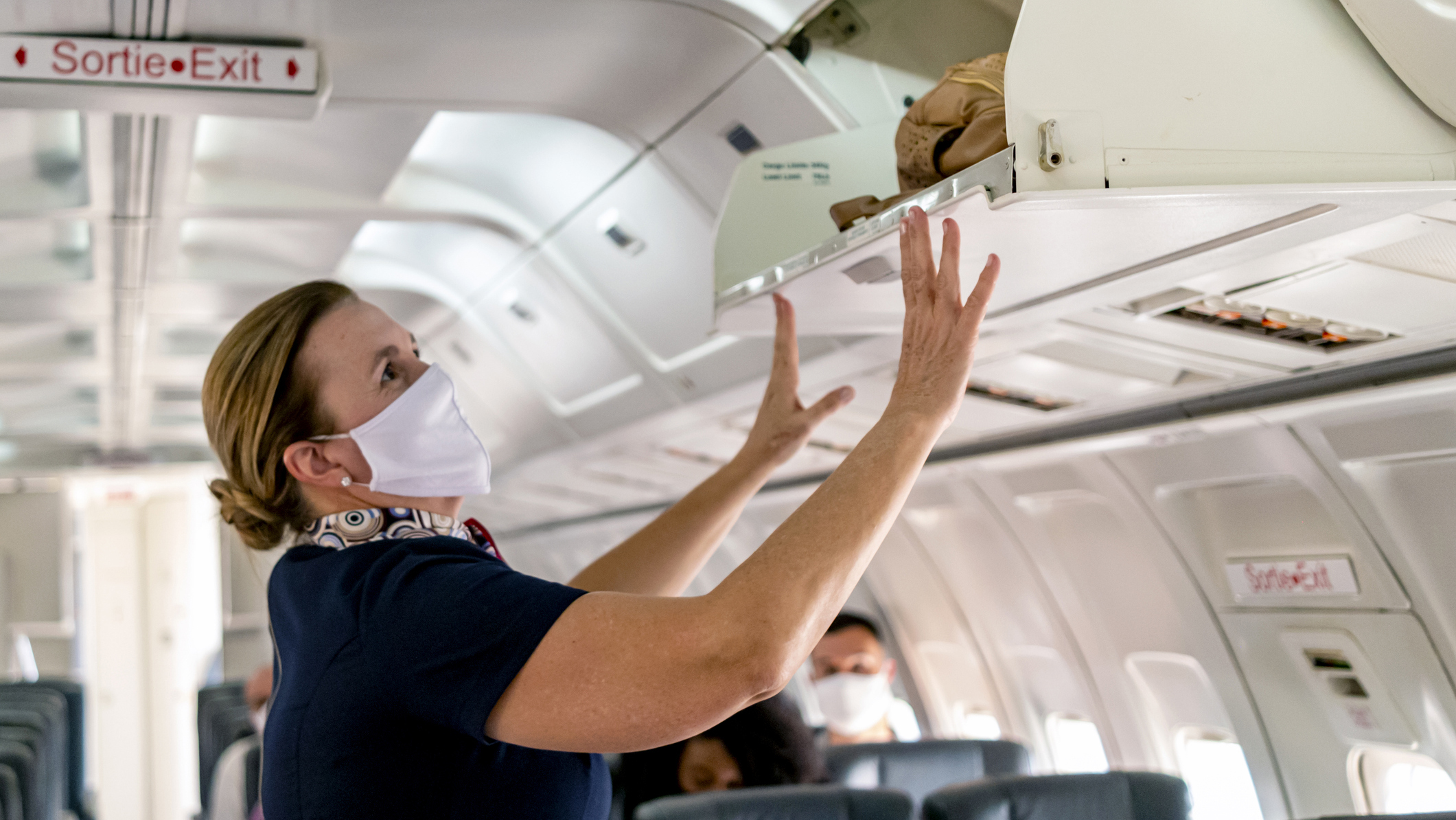
- Communicable diseases may be spread to crewmembers or to passengers during air travel due to close proximity.
- Crewmembers may be exposed to communicable diseases during flights with air travelers and layovers in airports.
- Some of these diseases are rare, but of concern because they can be serious.
Overview

Communicable diseases are illnesses that spread from one person to another or from an animal to a person, or from a surface or a food. Diseases can be transmitted during air travel through:
- Direct contact with a sick person
- Respiratory droplet spread from a sick person sneezing or coughing
- Contact with blood or other body fluids
- Breathing in viruses or bacteria in the air
- Contact with a contaminated surface or object
- Bites from insects or animals that can transmit the disease
- Ingestion of contaminated food or water
Aircrew may be exposed to communicable diseases from sick travelers and co-workers.
What you can do
CDC has developed guidance for airlines for managing ill passengers/crew and reporting deaths and certain illnesses to CDC. Specific guidance is available for several diseases. Some of these diseases are rare, but of concern because they can be serious.
When specific recommendations aren't available, aircrew should follow the routine infection control guidance for cabin crew and consult with their employer's occupational health program to protect themselves and others from communicable diseases while they are working.
Resources
General Aircrew Travel Health:
- CDC Travel Health Notices
- CDC Travelers' Health Destinations
- CDC Yellow Book Advice for Aircrews (vaccinations, Malaria, other vector borne diseases, food and water precautions, bloodborne and sexually transmitted infections)
- CDC Travelers' Health Disease Directory
- CDC Measles Recommendations for Airlines
- Federal Aviation Administration Aircrew Health and Safety Medical Topics
General Infection Prevention and Disease Reporting:
- CDC Preventing Spread of Disease on Commercial Aircraft: Guidance for Cabin Crew
- CDC Managing Ill Passengers/Crew
- CDC Reporting Illness/Death
COVID-19:
- CDC COVID-19
- World Health Organization COVID-19 Dashboard
Monkeypox:
Tuberculosis (TB):
- CDC Tuberculosis
- CDC Yellowbook: Tuberculosis
- World Health Organization: Tuberculosis and Air Travel: Guidelines for Prevention and Control, 3rd Edition
If you have safety and health questions about your job contact CDC-INFO.
This page was last updated on this date. Updates may include minor edits, image changes, or other modifications to page content.
The information on this page was last reviewed by subject matter experts to ensure accuracy.