



What to know
- Clade I and clade II monkeypox can be prevented in the same ways.
- If you're eligible, get both doses of the monkeypox vaccine for the best protection. Get both doses if you may have been exposed to monkeypox.
- Avoid direct or skin-to-skin contact with people who have a rash that looks like monkeypox.
- Don't use objects or materials a person with monkeypox has used.
- Avoid wild animals in areas where monkeypox is known to circulate in animals.
- Lower your risk of monkeypox during sex or at social gatherings
Prevention steps and strategies
There are two types of monkeypox, clade I and clade II. Both clades spread the same way and can be prevented the same way, too.
Monkeypox spreads through close or intimate contact with a person with monkeypox, contact with contaminated objects, or direct contact with an infected animal in areas where the disease is known to circulate in animals. There are things you can do to lower your risk of getting monkeypox.
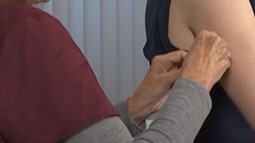
Get vaccinated!
Before being exposed to monkeypox
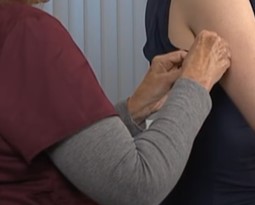
The two-dose JYNNEOS vaccine is recommended for prevention of monkeypox for people who are at increased risk of monkeypox. Getting both doses two weeks apart provides the best protection. Check with a healthcare provider to see if the monkeypox vaccine is recommended for you.
Even if it has been longer than 4 weeks since you got the first vaccine dose, you should get the second dose as soon as possible.
If you may have been exposed to monkeypox
If you are a close contact of someone who's been diagnosed with monkeypox, you should get vaccinated as soon as possible after exposure to someone with monkeypox. Get vaccinated if you were exposed less than 14 days ago, ideally within 4 days, for the best chance to prevent the disease or make it less severe if you do get monkeypox.
People who are vaccinated should continue to avoid close, skin-to-skin contact with someone who has monkeypox.
Contact your healthcare provider, local pharmacy, or local health department for monkeypox vaccine availability.
Be safe during sex or at social gatherings
- If you are at risk for monkeypox, may attend a gathering that could spread monkeypox, or may have sex with a new partner in an area where monkeypox is spreading, consider temporarily changing activities that involve close personal contact (such as sex).
- If you're traveling to a country a clade I monkeypox outbreak or new clade II monkeypox outbreak and anticipate sex with a new partner, at a commercial venue, in exchange for money or other goods, or in association with a large public event, get vaccinated against monkeypox.
- Avoid touching any rash you see on others and consider minimizing skin-to-skin contact. This is particularly important at a rave, party, or club where there is often direct, personal, often skin-to-skin contact.
- Condoms (latex or polyurethane) may protect your anus (butthole), mouth, penis, or vagina from exposure to monkeypox. However, condoms alone may not prevent all exposures to monkeypox since the rash can affect other parts of the body.
Avoid people with rashes that look like monkeypox
Do not touch the rash or scabs of a person with monkeypox. Avoid direct contact with someone who may have monkeypox, including kissing, hugging, sex or intimate activities, and massage.
The rash may look like pimples, blisters, or scabs. It can appear on the hands, feet, chest, face, or mouth and other areas like on the genitals (penis, testicles, labia, vagina).
Avoid contact with wild animals where monkeypox is endemic
In areas where monkeypox is endemic and known to circulate in animals, particularly in parts of Central or West Africa, avoid contact with live or dead wild animals. Monkeypox virus is carried by small rodents and primates, and direct contact with infected animals or their body fluids can spread the virus.
Avoid contact with contaminated objects and materials
Studies have shown that monkeypox can be spread when you share items with someone who has monkeypox, including utensils, dishes, plates, cups, or sex toys.
Do not handle or touch the bedding, towels, or clothing of a person with monkeypox without using the right personal protective equipment like gloves and a mask. When possible, people with monkeypox should change their own bandages and handle contaminated linens while wearing disposable gloves, then wash their hands immediately after removing and throwing away the gloves.
If you or someone you live with has monkeypox, follow steps for Cleaning and Disinfecting your Home.
Wash your hands often
Handwashing is one of the best ways to protect you, your family, and your friends from getting sick with monkeypox and other diseases.
Wash your hands often with soap and water, or use an alcohol-based hand sanitizer, especially before eating or touching your face and after you use the bathroom.