



What to know
- If you've been told that you are a close contact of a person with monkeypox, take steps to protect your health and the health of others.
- Know the symptoms of the disease so you can monitor your health.
- Get vaccinated as soon as possible.
- See a healthcare provider if you develop symptoms.
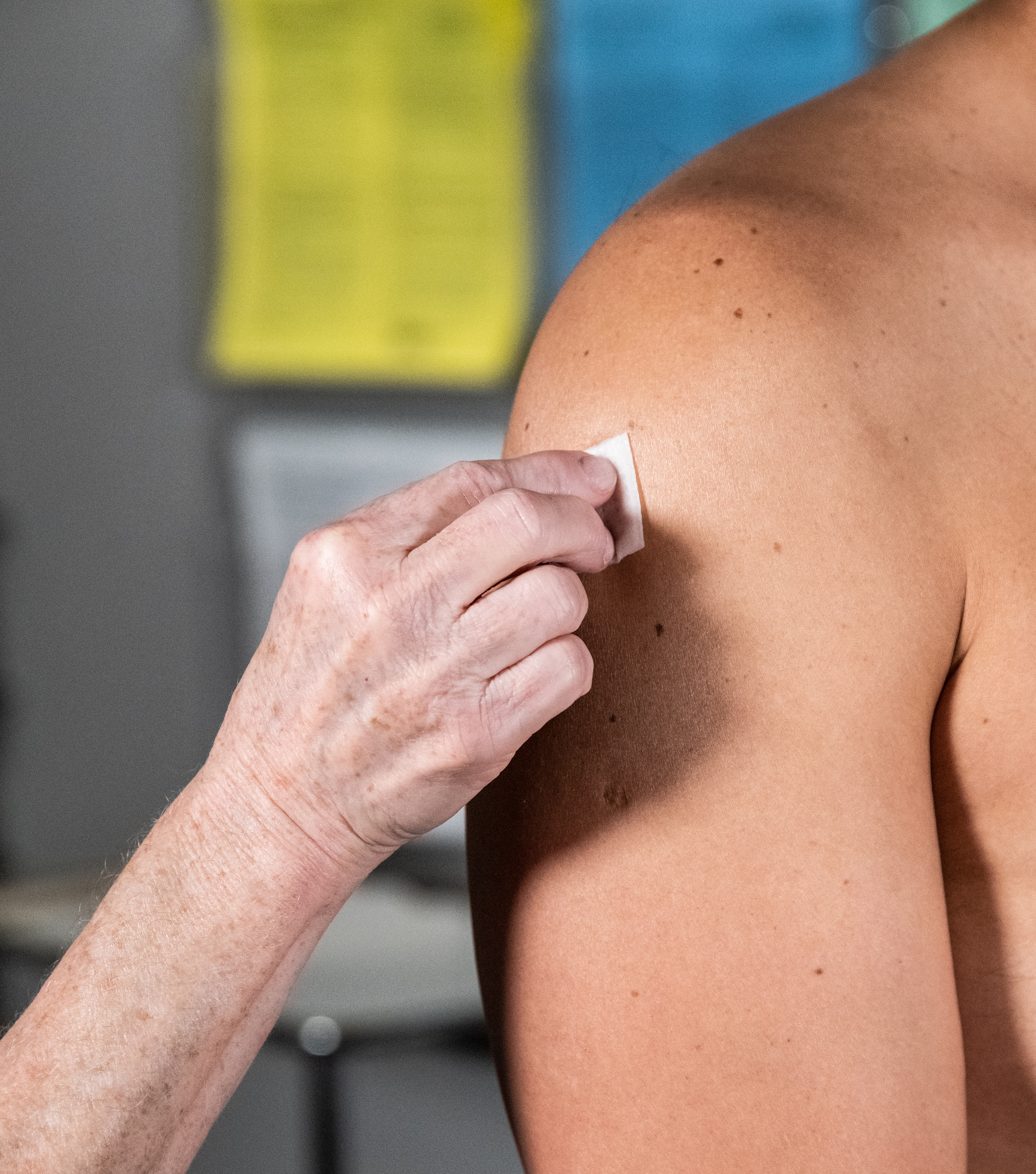
Watch for symptoms
Symptoms of monkeypox include flu-like symptoms (for example fever, chills, swollen lymph nodes, exhaustion, muscle aches and backage, headache), respiratory symptoms (for example, sore throat, nasal congestion, or cough), and a rash. Sometimes people have flu-like symptoms before a rash develops. Some people get a rash first, followed by other symptoms. Others only experience a rash.
People with monkeypox can get a rash on any part of the body, includithe genitals, anus (butthole), hands, feet, chest, face, or mouth. The rash can initially look like pimples or blisters and may be painful or itchy. The rash will go through several stages, including scabs, before healing.
Get vaccinated
- Close contacts of someone who has monkeypox can get vaccinated to prevent or lessen the severity of disease. This is called post-exposure prophylaxis, or PEP.
- Get vaccinated as soon as possible after exposure for the best chance to prevent the disease or make it less severe.
- Ideally, this is within 4 days of exposure, but the vaccine can be given to help prevent monkeypox up to 14 days after exposure.
- If you need help deciding whether or not you should get vaccinated, talk to a healthcare provider or contact your local health department.
See a healthcare provider if you develop symptoms
If you don't have a provider or health insurance, contact your local health department to find out how to get healthcare services in your community.
- Stay away from other people and avoid sharing things you have used or touched until you see a healthcare provider.
- When you’re around other people including healthcare providers, cover all parts of the rash with clothing, gloves, or bandages, wear a mask, and let them know you may have monkeypox.
- Do not touch or scratch the rash. This can spread the rash to other parts of your body, increase the chance of spreading the virus to others, and possibly cause open lesions to become infected by bacteria.
Testing for monkeypox
Currently, testing is only recommended if you have a rash that looks like monkeypox. Your healthcare provider will help you decide if you need to be tested for monkeypox and can order that test. The provider may take a specimen and send it to a lab for testing, or they may send you to a lab for both specimen collection and testing.
Notify your close contacts
It's important to tell your close contacts as soon as possible that they may have been exposed to monkeypox.