 An official website of the United States government




Newsletter
May 2025
Measles
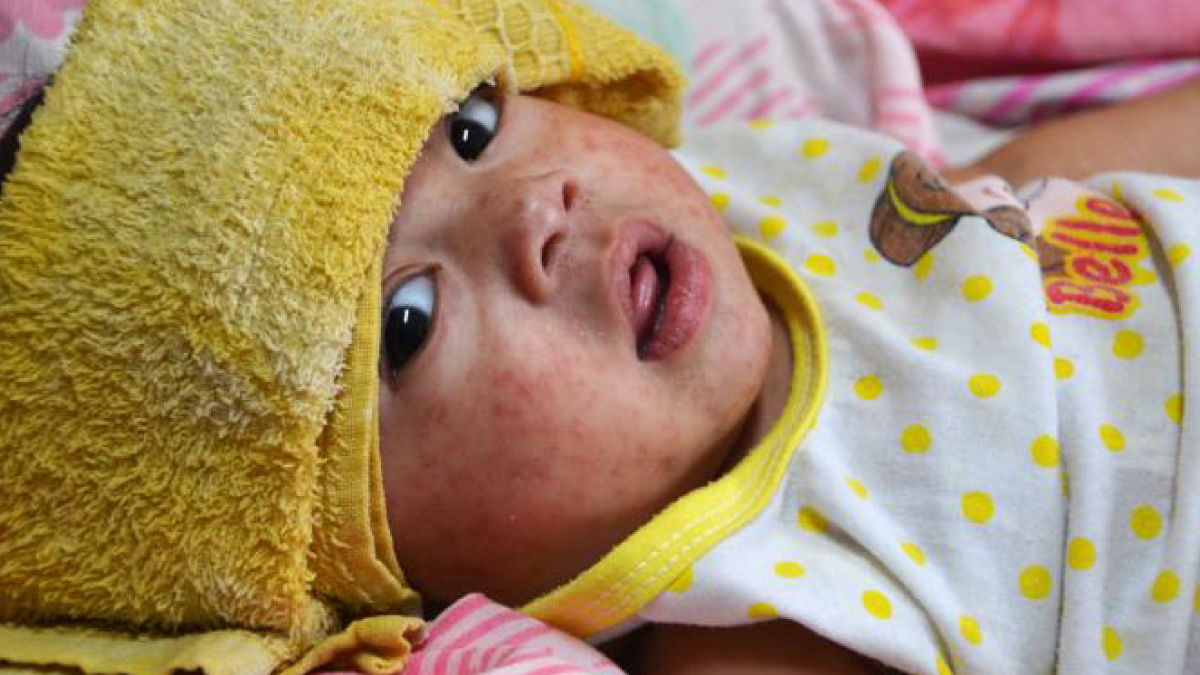
Measles is a highly contagious illness, infecting up to 90% of susceptible close contacts. Although most cases are self-limiting, measles can result in serious complications such as pneumonia, encephalitis, and death. On April 24, MMWR reported that as of April 17, a total of 800 cases had been reported in the United States in 2025; 654 (82%) cases in New Mexico, Oklahoma, and Texas have been associated with the ongoing outbreak. A total of 85 (11%) patients have been hospitalized, and three patients have died.
|
Bottom Line:
|
|
- MMWR Report: Measles Update — United States, January 1–April 17, 2025
- Latest Report: Measles Cases and Outbreaks
- Healthcare Providers: Stay Alert for Measles Cases
- Clinical Overview of Measles
Tobacco-Related Clinical Services
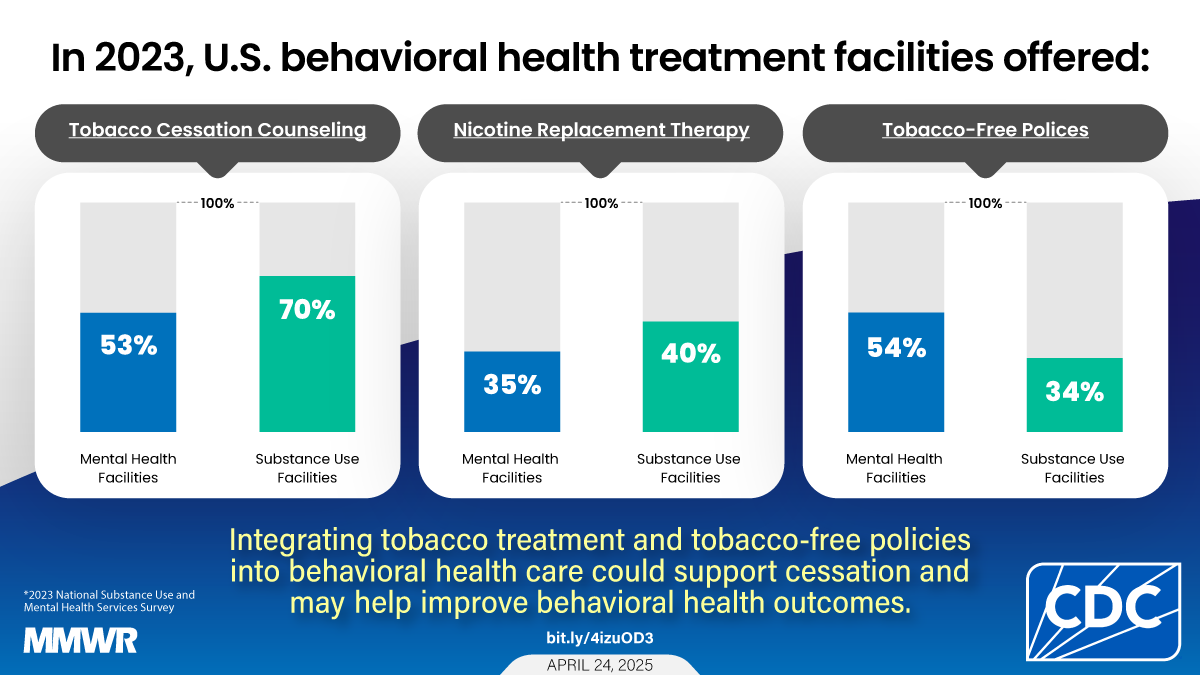
Evidence-based tobacco cessation treatments and tobacco-free policies support and increase smoking cessation, which has positive physical health impacts and is associated with positive behavioral health outcomes. Implementation of these strategies in substance use and mental health treatment facilities (behavioral health treatment facilities) could help decrease tobacco use among persons with behavioral health conditions. In 2023, counseling was the most commonly offered tobacco cessation service in mental health (53.1%) and substance use (69.9%) treatment facilities. Fewer than one half of facilities offered tobacco cessation pharmacotherapy. Tobacco-free policies were reported by 53.9% of mental health facilities and 33.9% of substance use facilities.
|
Bottom Line:
|
|
- MMWR Report: Tobacco-Related Clinical Services and Tobacco-Free Policies in Behavioral Health Treatment Facilities — United States, 2023
- Patient Care
Lassa Fever

Lassa fever is a viral hemorrhagic fever endemic to western Africa. The Lassa virus is transmitted through contact with excreta or body fluids of infected rodents or humans; the incubation period is 1–3 weeks. A fatal Lassa fever case in a patient returning to Iowa from Liberia was the first U.S. case diagnosed in 8 years and the ninth U.S. travel-associated case since 1969. The case was identified in Iowa in late 2024 by astute clinicians caring for a patient with suggestive travel history, a negative malaria test result, and increasing daily body temperature and hemodynamic instability despite receipt of empiric broad-spectrum antibiotics. Testing at a state public health laboratory was positive for the pathogen and CDC confirmed the diagnosis in its laboratories. The investigation identified 180 contacts, primarily health care workers. Lassa fever virus testing was performed for five symptomatic contacts; all laboratory results for these contacts were negative. No licensed vaccine to prevent Lassa fever is currently available.
|
Bottom Line:
|
|
- MMWR Report: Notes from the Field: Response to a Case of Travel-Associated Lassa Fever — Iowa, October–November 2024
- About Lassa Fever
Marijuana
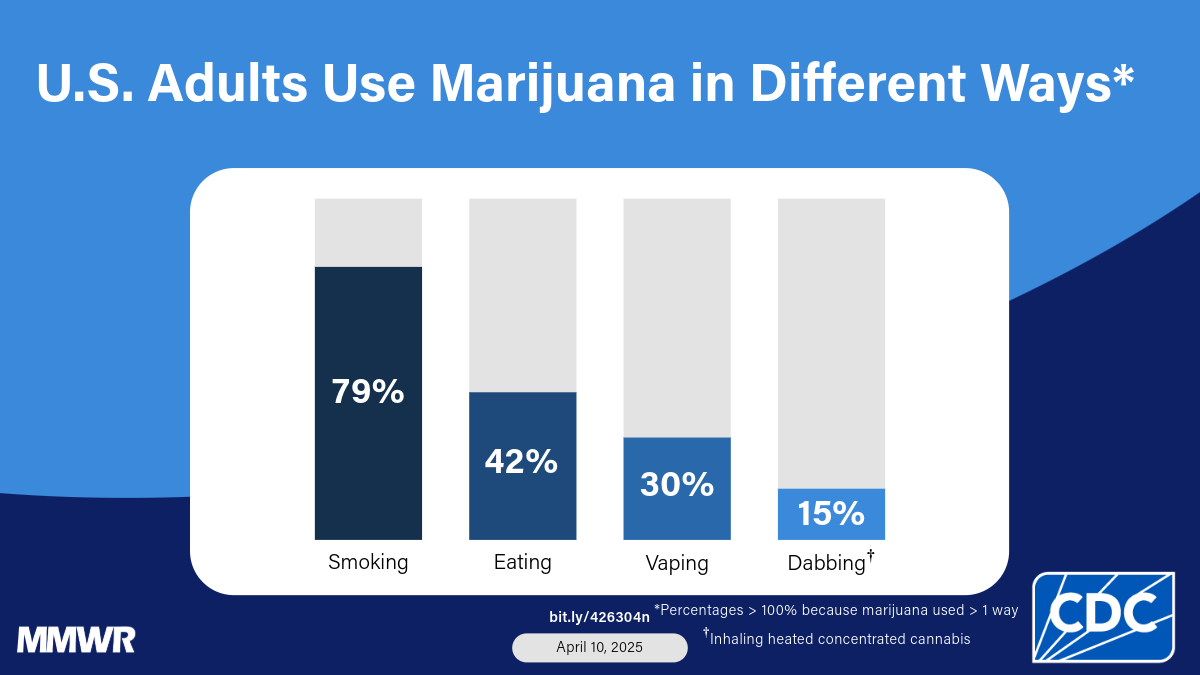
Cannabis policies, availability, products, and use patterns in the United States have changed during the last several years. In 2022, 15.3% of adults reported current cannabis use, nearly 80% of whom reported smoking. Eating, vaping, and dabbing (inhaling heated concentrated cannabis) were also common, and almost half of respondents reported multiple routes of use. Vaping and dabbing were most prevalent among adults aged 18–24 years.
|
Bottom Line:
|
|
- MMWR Report: Routes of Marijuana Use — Behavioral Risk Factor Surveillance System, 22 U.S. States and Two Territories, 2022
- About Cannabis
Tularemia
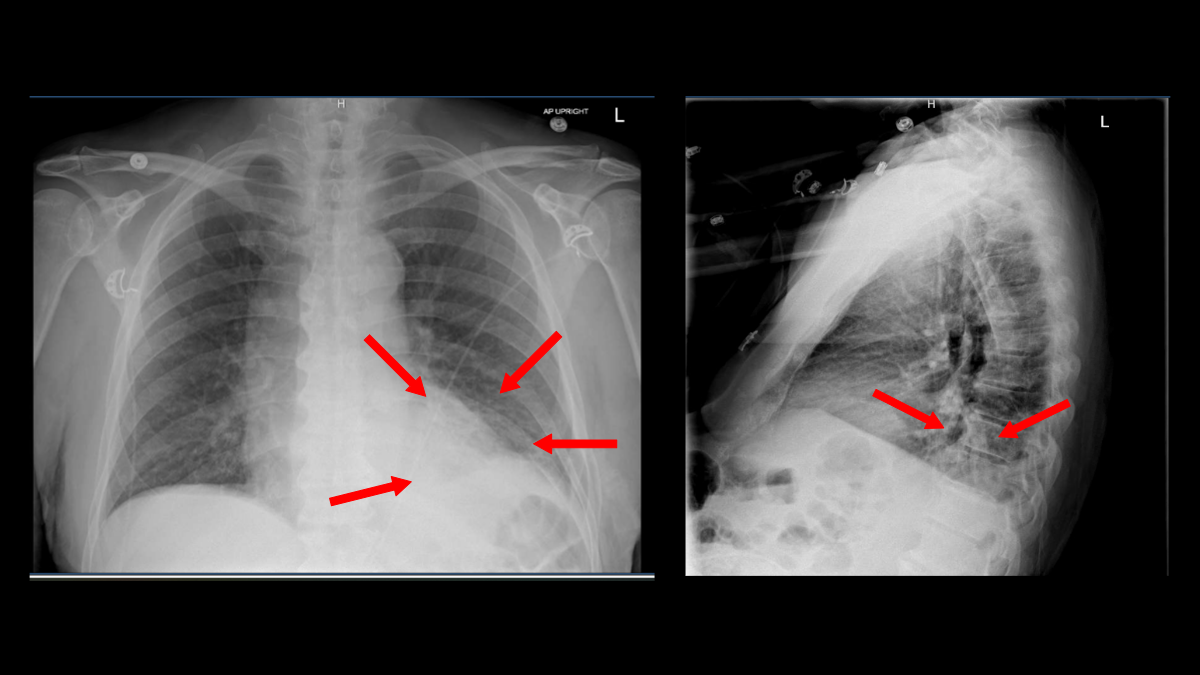
Tularemia is an uncommon but potentially serious bacterial zoonotic disease caused by Francisella tularensis. It is typically transmitted by an arthropod bite (typically ticks and deer flies) or exposure to infected animals. Although cases are reported from almost every state, tularemia is most frequently reported from the central United States. Symptoms vary based on the exposure route and commonly include fever and localized symptoms (e.g., lymphadenopathy and skin ulcers) and pneumonia. No Food and Drug Administration–approved vaccine for prevention of tularemia exists. During 2000–2023, a median of one human and two animal tularemia cases were reported annually in Minnesota. During 2024, five human and 27 animal (mostly cat and dog) tularemia cases were reported in Minnesota. Two of the patients with pneumonia reported mowing over a rabbit or mouse carcass. All five of the patients were hospitalized, treated with oral ciprofloxacin or doxycycline, and survived.
|
Bottom Line:
|
|
Did you know? Medscape & MMWR have FREE CME activities

Continuing medical education credits are available from Medscape on select MMWRs.
Subscribe to our newsletter
Get our monthly newsletter delivered to your email inbox.