



At a glance
The social media messages, graphics, and resources below can help your networks understand the basics of hypertension, including how it increases risk for heart disease and stroke, why self-measured blood pressure (SMBP) monitoring is important, and treatment options.
What's included
Social media messages
Share the following social media messages with your followers.
- Self-measured blood pressure monitoring, combined with regular checkups, can help people control hypertension. Download the Million Hearts [tag] action guide for public health professionals and bring blood pressure control to your community. http://bit.ly/2jF0WvX
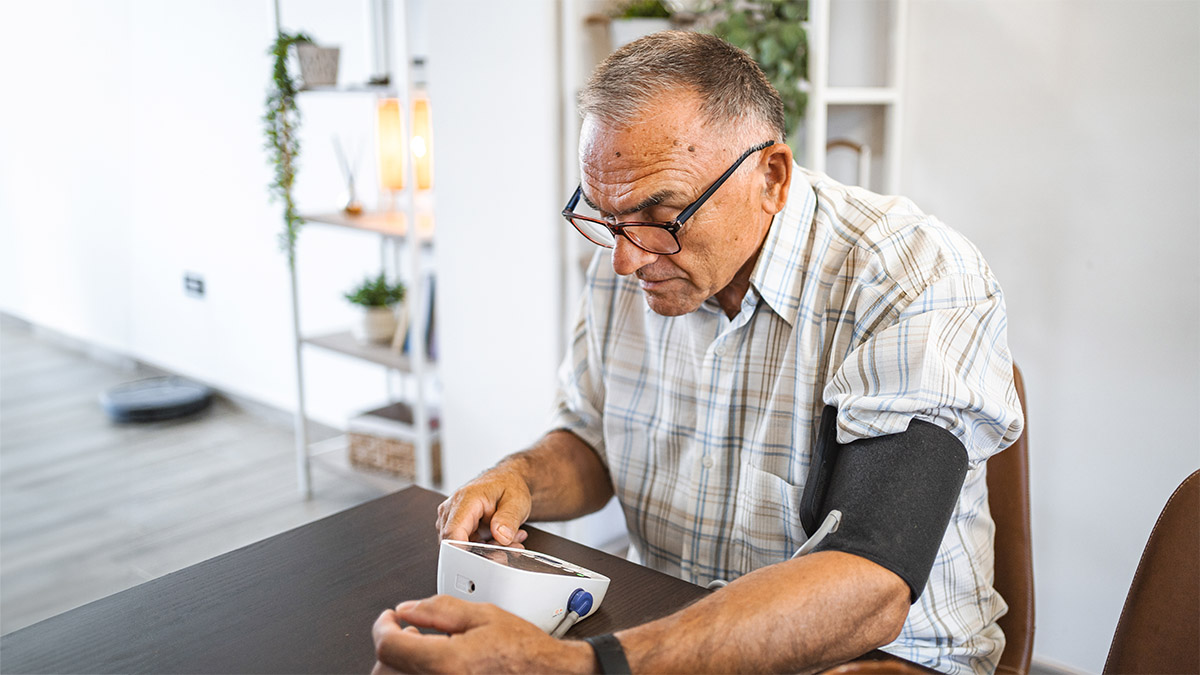
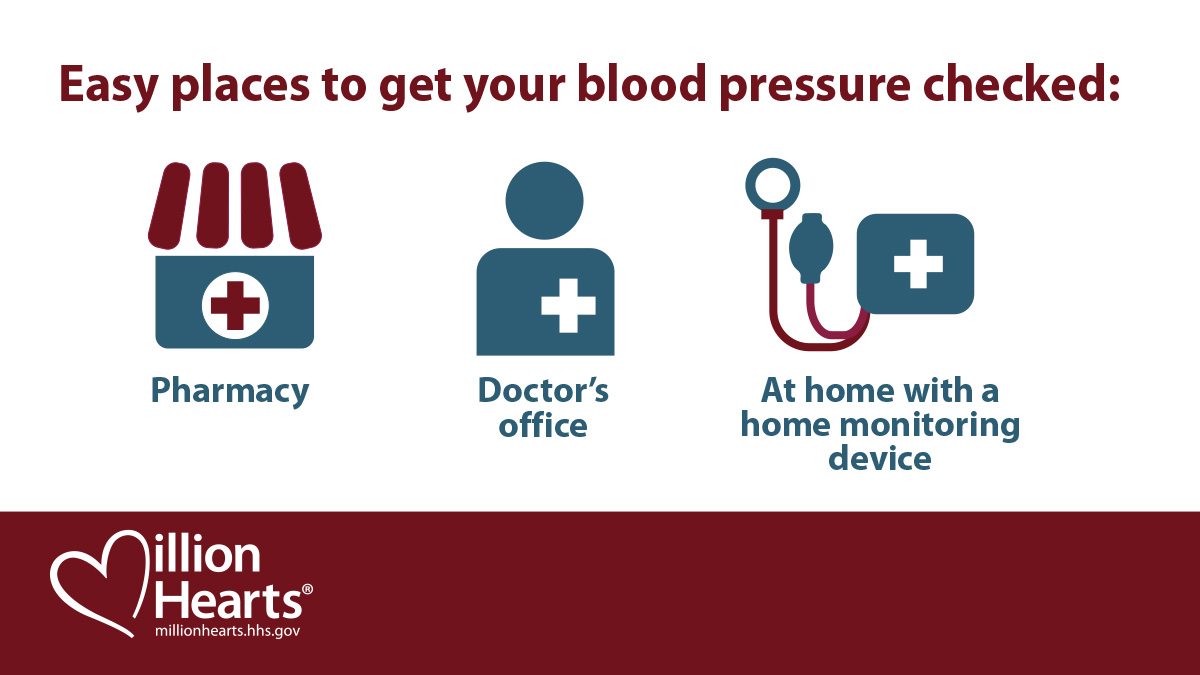
- Regularly monitoring your blood pressure, with support from your health care team, can help lower your risk for heart disease and stroke. You can check your blood pressure at the doctor’s office, at a pharmacy, or even at home! Learn more from CDC [tag]. http://bit.ly/2iFB6U5
- High blood pressure is often called the silent killer. You might not have symptoms, but it’s a leading risk factor for heart disease and stroke. Monitoring your own blood pressure at home can help you keep your blood pressure under control. http://bit.ly/2iFB6U5
Shareable graphics
Download and share these blood pressure graphics, tools, and videos.
For consumers
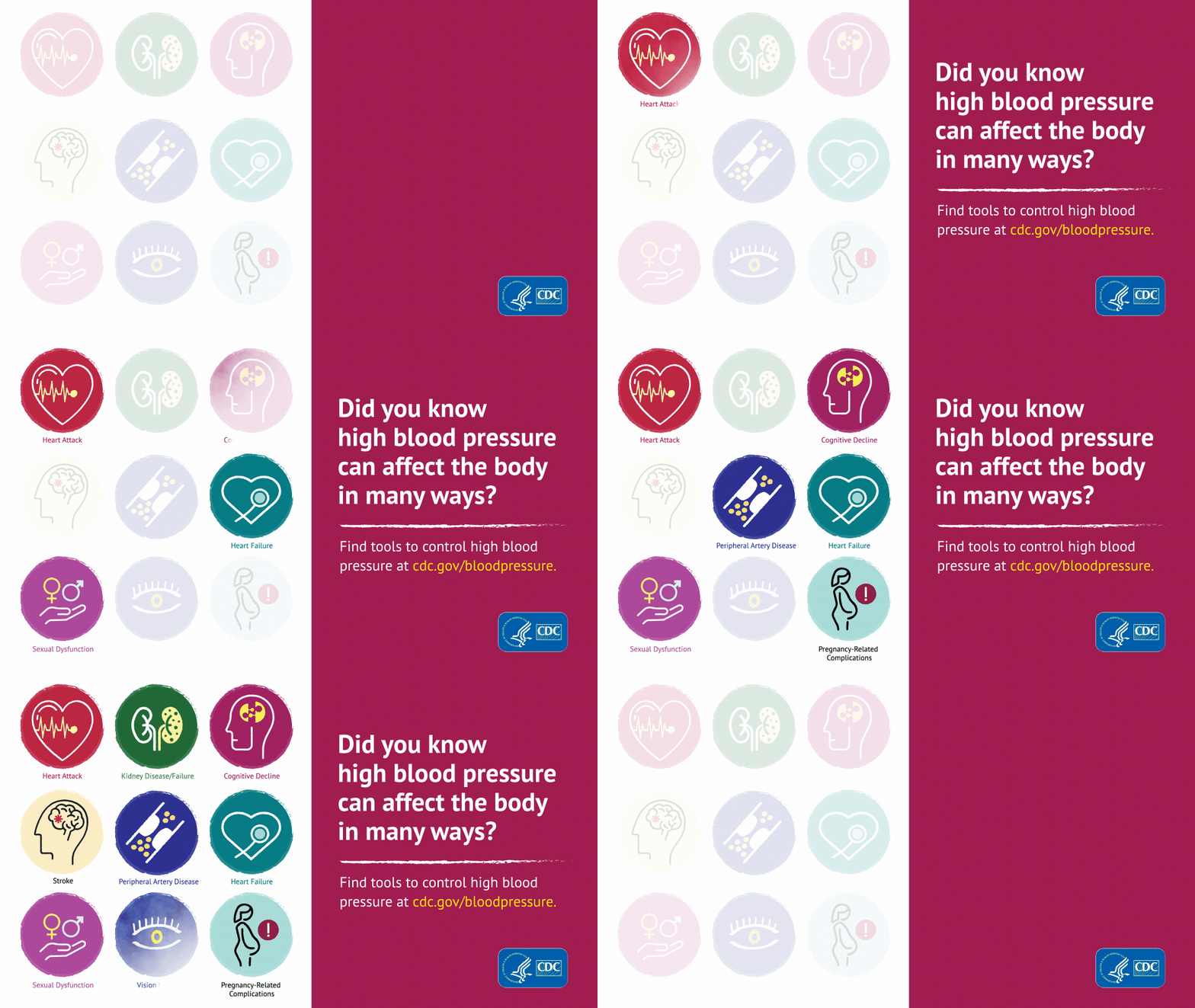
- Managing my Blood Pressure: English Spanish
- My Blood Pressure Log: English Spanish
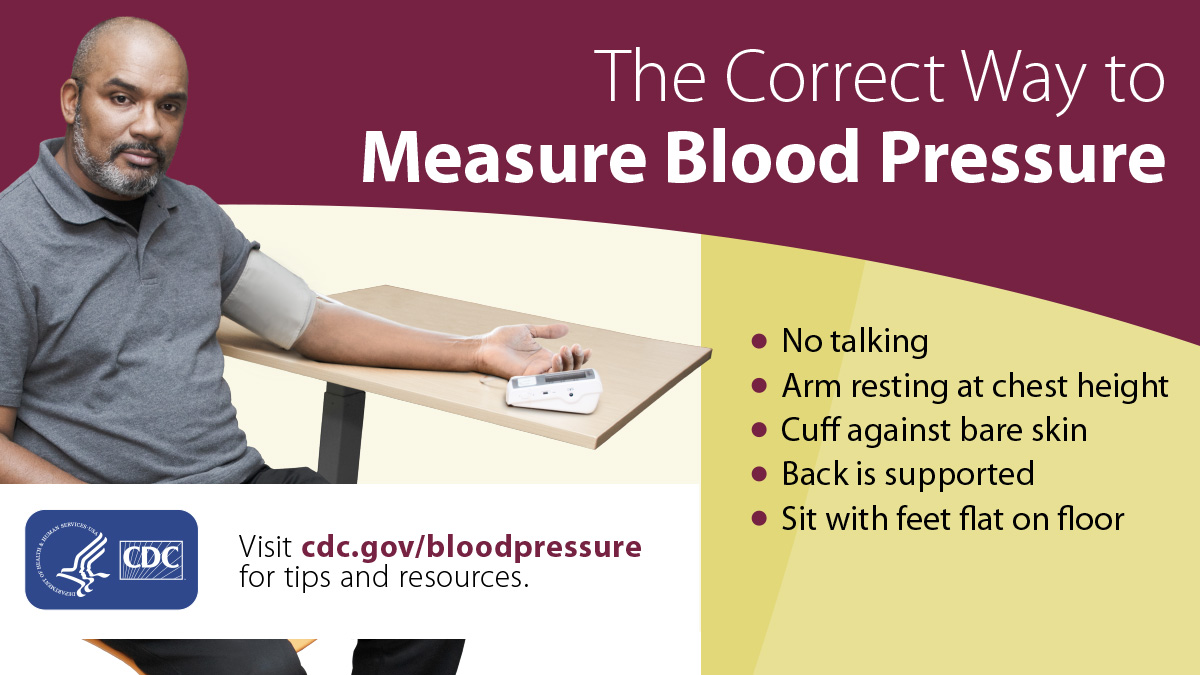
- The Correct Way to Measure Blood Pressure: English Spanish
For health professionals
Resources
Taking Control of My Blood Pressure: Natalia's Story: This video from the National Association of Community Health Centers (NACHC) features Natalia, a Community Health Center patient. Listen as she explains how she has taken control of her blood pressure with the help of self-measured blood pressure monitoring (SMBP) and support from the YMCA and Samuel U. Rodgers Health Center.
Taking Control of My Blood Pressure: D'Angelo's Story: This video from the National Association of Community Health Centers (NACHC) features D'Angelo, a Community Health Center patient. Listen as he explains how he has taken control of his blood pressure with the help of self-measured blood pressure monitoring (SMBP) at Whitney M. Young, Jr. Health Center.
How to Use Your Home Blood Pressure Monitor: This video from the National Association of Community Health Centers will teach patients how to use a home blood pressure monitor accurately.
Hypertension in Pregnancy Change Package: Outpatient clinical settings can use this guide from Million Hearts® to put systems in place to improve the care they provide for women with hypertension in pregnancy.
SMBP Tools and Resources: Find fact sheets, videos, and success stories on Self-Measured Blood Pressure (SMBP).
Behavioral Risk Factor Surveillance System (BRFSS). The BRFSS provides prevalence data from all 50 states and the District of Columbia regarding residents' health-related risk behaviors, chronic health conditions, and use of preventive services.
CDC WONDER. The Wide-ranging ONline Data for Epidemiologic Research (WONDER) is an easy-to-use, menu-driven system that makes CDC information resources available to public health and health care professionals.
Chronic Disease Map Gallery. The Chronic Disease Map Gallery is designed for public health managers, community leaders, geographic information systems (GIS) users, epidemiologists, and anyone interested in using GIS to prevent heart disease, stroke, and other chronic diseases.
Atlas of Heart Disease and Stroke. Public health and health care professionals can use this dashboard to create detailed maps on chronic disease prevalence via dozens of filters at the county and state level.
Quick Maps of Heart Disease, Stroke, and Social Determinants of Health. View and download maps on heart disease and stroke that show national data, health care costs, and social determinants of health data.
Observance
Date
Hashtag
National Wear Red Day
First Friday in February
#WearRedDay
World Heart Day
September 29 each year
#WorldHeartDay
This page was last updated on this date. Updates may include minor edits, image changes, or other modifications to page content.
The information on this page was last reviewed by subject matter experts to ensure accuracy.