



At a glance
Want to know more about global health topics? Our monthly newsletters provide comprehensive updates on CDC's global public health efforts, including emerging diseases, outbreaks, success stories, and health campaigns. Learn how to sign up for our Around the World newsletter.
About the newsletter
- Our monthly issues highlight CDC's global work and impact.
- Receive up-to-date information on global public health issues, emerging diseases and outbreaks, and policy developments.
- Explore our success stories, health campaigns, news, videos, publications, and more.
Subscribe to our newsletter
Sign up for our email newsletter below.
Our latest issue
CDC’s 2025 Global Health Annual Report
Recent outbreaks around the world continue to demonstrate how quickly health threats can cross borders and disrupt communities, travel, economies, and health care systems. In today’s interconnected world, protecting Americans means detecting and stopping outbreaks early, wherever they emerge.
The newly released 2025 CDC Global Health Annual Report underscores CDC’s critical role in global health security to identify threats early, respond rapidly, and help prevent outbreaks from spreading internationally.
CDC has experts in more than 60 countries. These longstanding relationships help detect and respond to outbreaks, and strengthen surveillance and laboratory systems. They also help train frontline responders and address threats such as Ebola, Marburg, drug-resistant infections, and other emerging diseases before they spread internationally.
CDC’s work abroad remains America’s first line of defense, helping protect U.S. communities, travelers, and the economy.
CDC's Global Health Impact in 2025
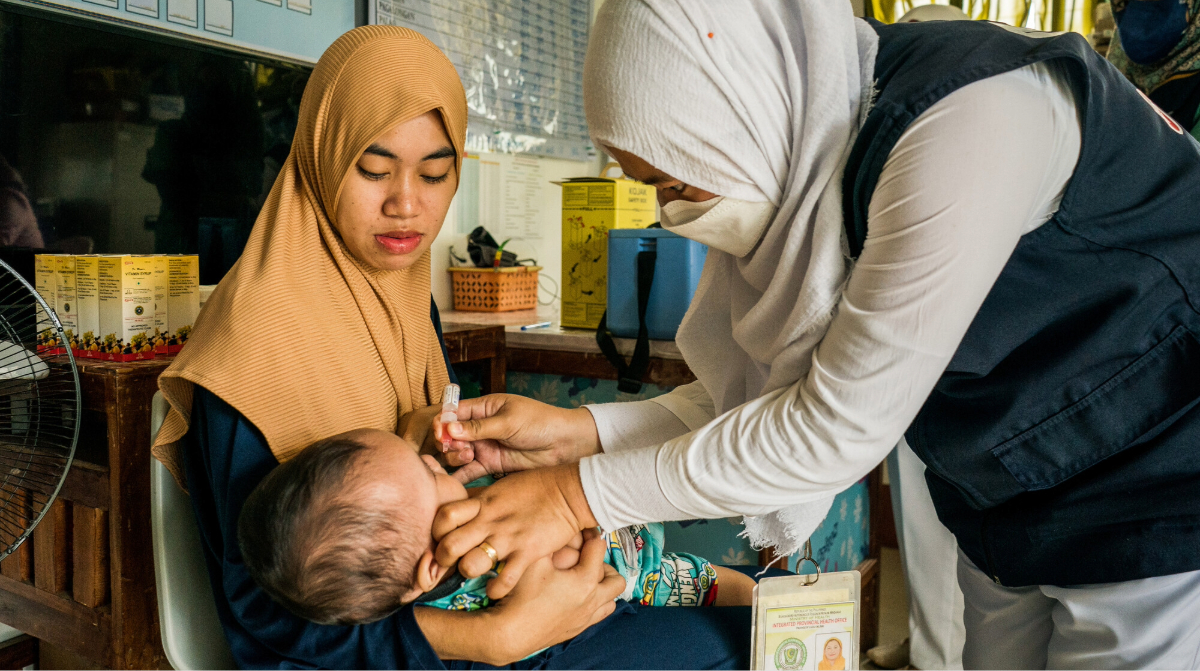
Every day, CDC experts monitor more than 30 global health threats to identify and stop emerging pathogens before they reach the United States.
This work is carried out in more than 60 countries around the world, and in partnership with a global network of more than 25,000 CDC trained disease detectives and 36,100 healthcare workers who stand ready to investigate, respond, and control outbreaks.
U.S. investments in global health yield substantial returns. These efforts to bolster global health security have prevented about $10 billion in U.S. export losses each year and protected around 120,000 American jobs. Read how CDC’s on the groundwork is critical to protecting the health, safety, and economic security of the U.S.
Responding to Outbreaks

CDC supported over 210 outbreak investigations in 75 countries in 2025. Read frontline response stories from Ebola and Marburg virus disease outbreaks in Africa, drug-resistant pertussis in Latin America, foodborne outbreaks in Eastern Europe, monkeypox in West Africa, and investigations linked to illnesses among U.S. travelers in Central America and the Caribbean.
Building the Workforce
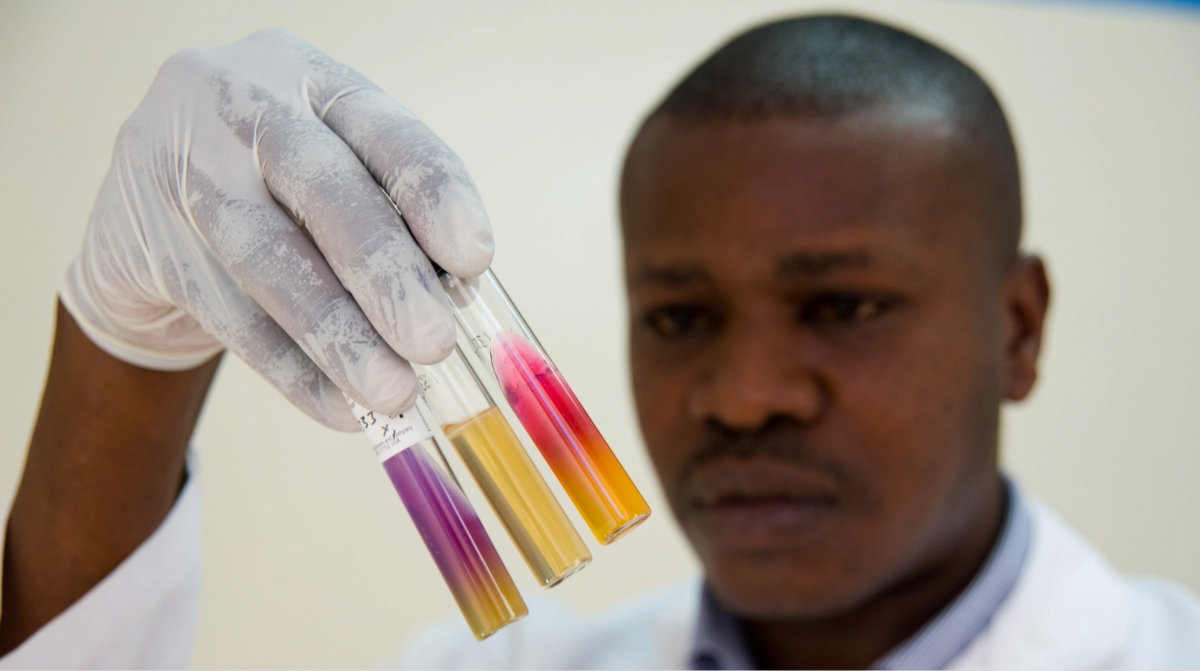
In 2025, CDC trained disease detectives, laboratorians, and frontline responders across more than 90 countries through programs that strengthen outbreak detection, laboratory systems, and emergency response coordination.
From efforts in Senegal, Cambodia, Uzbekistan, and beyond, CDC technical expertise has helped countries strengthen outbreak investigations, improve laboratory capacity, and coordinate responses.
Strengthening Public Health Systems

CDC has strengthened more than 2,000 laboratories and testing sites globally and supported countries in building faster, more coordinated outbreak response systems. The report highlights efforts in India to improve detection of drug-resistant tuberculosis, Cambodia's progress toward malaria elimination, and expanded hepatitis testing and treatment programs across Eastern Europe and Central Asia.
Together, these investments help countries detect health threats earlier and reduce the risk of outbreaks spreading internationally.
Turning Decades of Investment into Global Protection
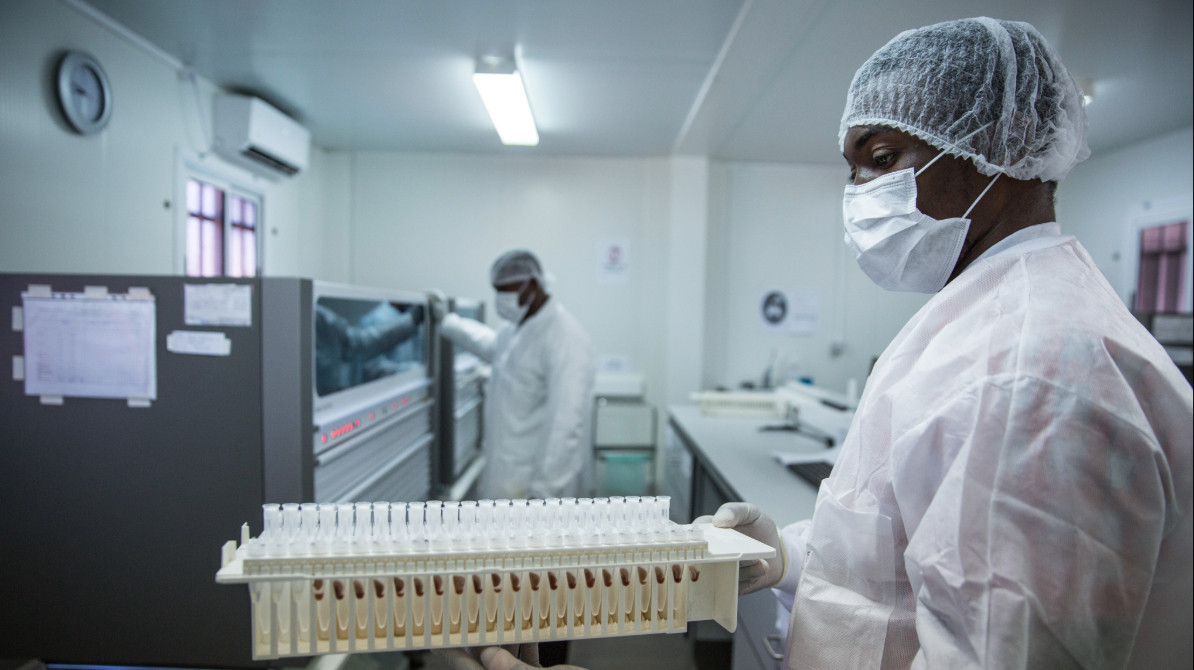
More than four decades after the first reported cases, HIV remains a leading cause of death worldwide. Through the U.S. President's Emergency Plan for AIDS Relief (PEPFAR), CDC has helped save more than 26 million lives. Beyond transforming the global HIV response, this support has strengthened countries' ability to detect, prevent, and respond to infectious disease threats before they spread across borders.
CDC supports HIV and TB testing in more than 14,000 facilities and over 2,000 molecular laboratories worldwide. This work helps countries find outbreaks faster, strengthen disease surveillance, and save lives — while also protecting Americans from emerging global health threats.