



Key points
- Global health security is working with partner countries to build capacity with the goal of strong and resilient public health systems that can prevent, detect, and respond to infectious disease threats.
- Global health security is national security. CDC's global staff are part of the first line of defense to stop outbreaks where they start.
- CDC works 24/7 to protect the health, safety, and security of the American people and fight global health threats worldwide.
Overview
In today's interconnected world, a disease threat anywhere is a threat everywhere – and outbreaks can disrupt American lives and livelihoods even if they never reach America's shores.
Recent infectious disease outbreaks have demonstrated that diseases can cross borders, disrupt economies, and threaten global stability. Strengthening global health security is a vital national security priority, and is essential to protecting the health, lives, and economic well-being of the American people.
As the United States' health protection agency, CDC works 24/7 to save lives and protect people from health threats.
Longstanding U.S.-led expertise
CDC stands at the forefront of global health security, leading efforts to prevent, detect, and respond to health threats that can impact communities worldwide. CDC leverages decades of expertise and innovation to safeguard global health, ensuring safer futures for all.
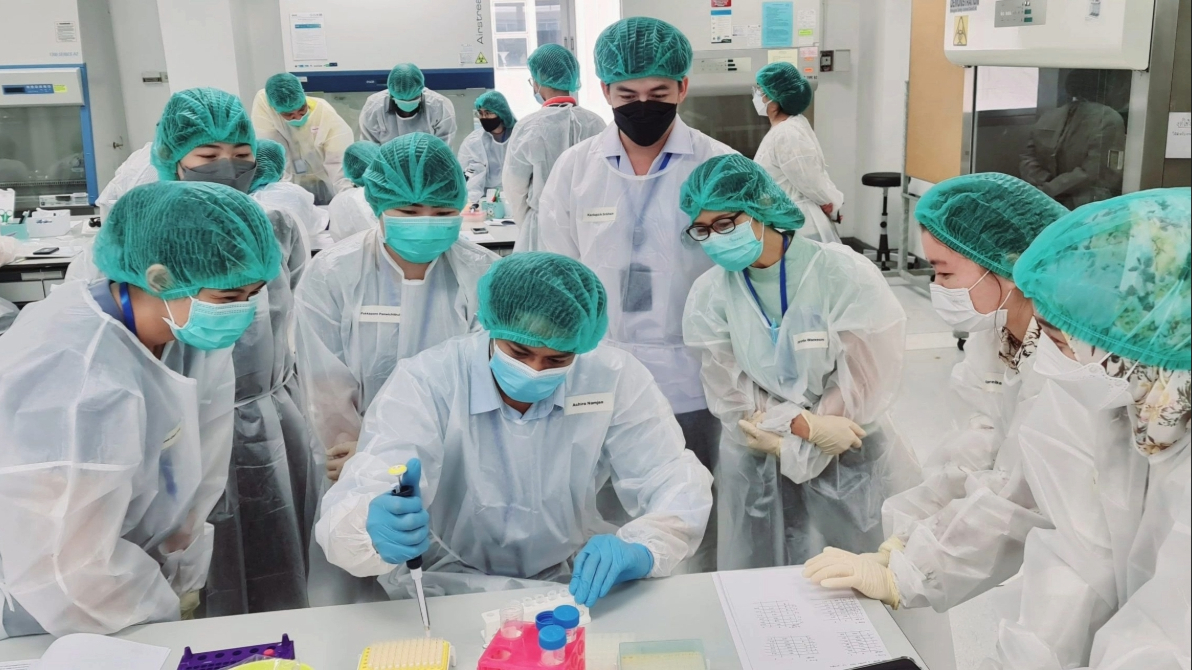
With over 60 overseas offices, CDC works to implement global health programming, which addresses hundreds of diseases, health threats, and conditions that are major causes of death, disease, and disability. Our experts around the world support emergency responses and also help countries build the capacity to stop local disease outbreaks from becoming global crises: bolstering laboratories to quickly detect deadly pathogens, improving surveillance to track emerging threats, and training disease detectives to investigate and swiftly contain outbreaks.
Collaborative efforts
Thanks to extensive global presence and decades-long trusted partnerships, CDC's global staff are often the first call by host-country governments when disease outbreaks start.
Building global health security can't be accomplished alone. CDC assistance to partner countries has resulted in substantial improvements to their readiness to fight infectious disease threats. To accomplish global health security goals, CDC works closely with other U.S. government agencies, ministries of health, international organizations, and in-country partners. No matter the threat, protecting the health of Americans and people around the world is our #1 goal.
Global Health Security Agenda
The Global Health Security Agenda (GHSA) aims to strengthen the world's ability to prevent, detect, and respond to infectious disease threats. More than 70 countries have signed onto the GHSA framework. The United States made a strong commitment to the initial five-year period of GHSA and continues to support its strategic priorities. GHSA 2028's targets are for countries to take greater ownership of global health security efforts and improve health-security-related technical areas.