



At a glance
- CDC supported the Kyrgyz Republic in conducting its first nationally representative viral hepatitis survey, generating critical data on hepatitis B, hepatitis C, and hepatitis D.
- Findings identified populations and regions at highest risk, helping the Ministry of Health better target prevention, screening, and treatment services.
- Strengthening disease detection and response abroad helps protect the United States, stopping the transmission of infectious disease threats that can spread across borders.
Detecting infectious disease threats earlier
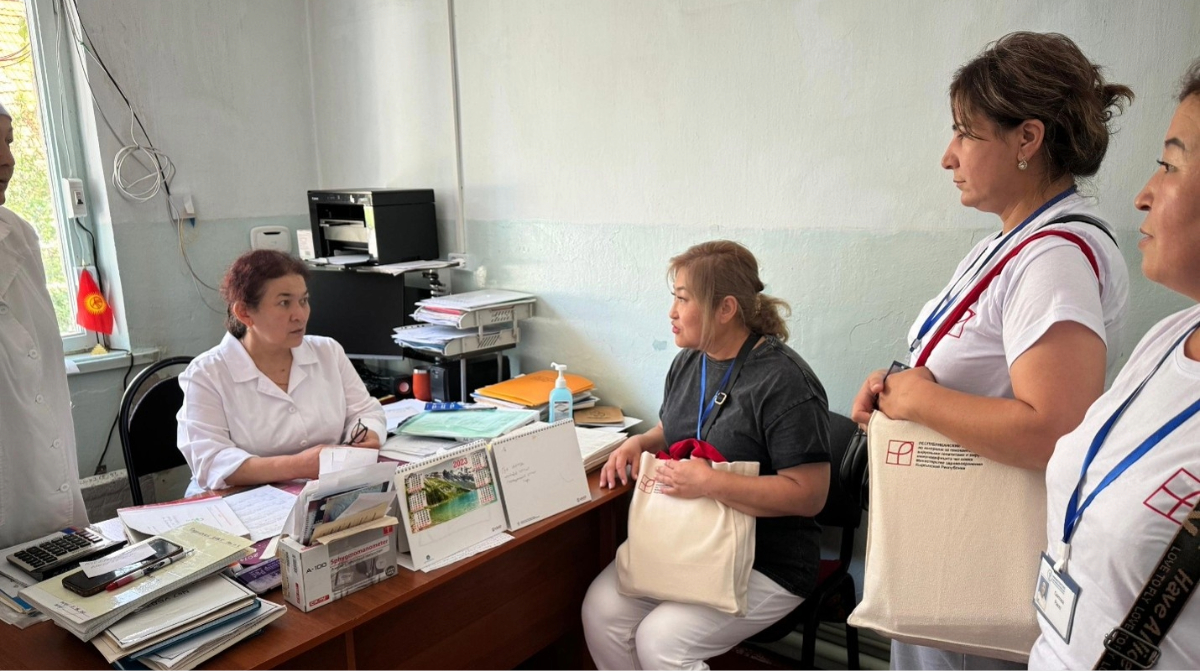
Without accurate disease data, infectious diseases can spread unnoticed and public health systems may struggle to target prevention and response efforts. For years, the Kyrgyz Republic had limited national data on the burden and geographic distribution of viral hepatitis, making it challenging to direct resources and interventions effectively.
In 2024, CDC helped the Kyrgyz Republic conduct its first nationally representative hepatitis B, hepatitis C, and hepatitis D household serosurvey. More than 6,000 households across all seven regions participated, providing the country's first national snapshot of viral hepatitis prevalence.
Strengthening public health systems
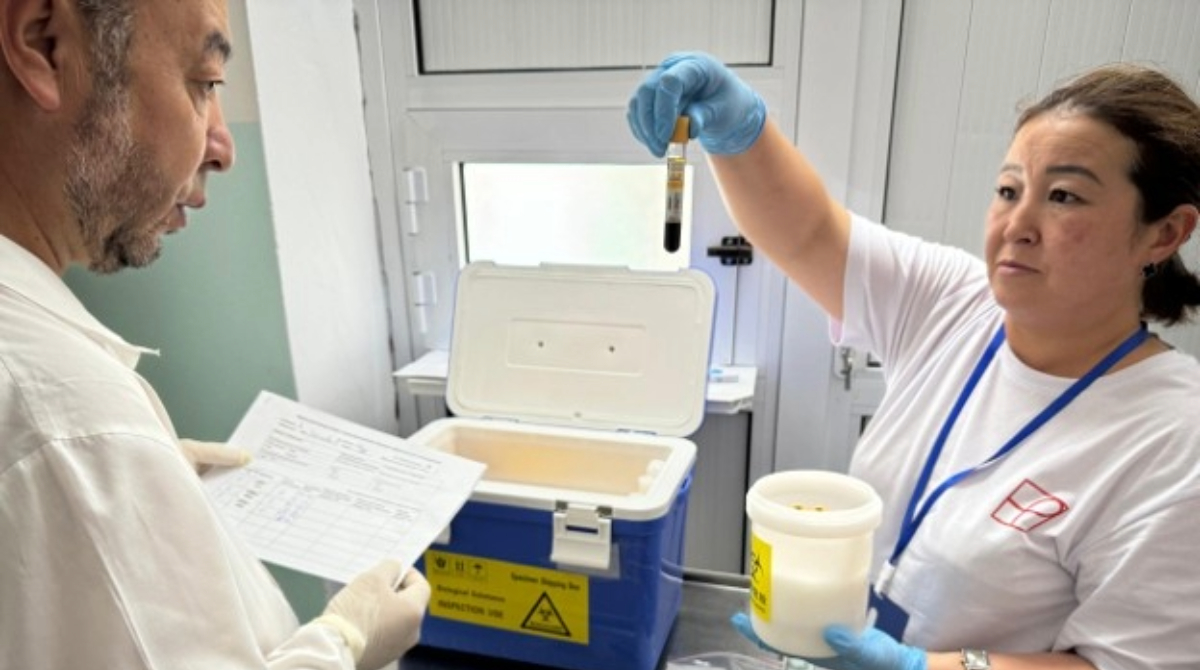
CDC worked closely with the Kyrgyz Ministry of Health on survey implementation.
CDC trained more than 120 public health workers and laboratorians on field implementation, specimen collection, laboratory testing, and data management. CDC laboratory specialists also provided hands-on technical assistance to strengthen viral hepatitis testing and ensure high-quality data collection.
The survey was conducted in collaboration with regional and international partners, including Georgia's National Center for Disease Control and Public Health and U.S. private sector organizations that supported laboratory diagnostics and implementation.
Impact
Survey findings showed that the Kyrgyz Republic continues to experience intermediate levels of hepatitis B, hepatitis C, and hepatitis D, with the highest burden among adults ages 30–59 years and in southern regions of the country.
At the same time, findings among children demonstrated the long-term success of the hepatitis B vaccination program, showing low infection rates among younger populations.
Why it matters
- Rania Tohme, Associate Director for Global Health in CDC's Division of Viral Hepatitis
CDC's global health work helps countries detect and address infectious disease risks before they become larger regional or international threats.
By strengthening disease surveillance and public health systems abroad, CDC stops diseases at their source—before they spread across borders and reach U.S. communities.