At a glance
- In September 2025, the Democratic Republic of the Congo (DRC) declared its 16th Ebola outbreak.
- CDC and partners trained frontline health workers on ways to prevent infections and educated community members on how to protect themselves from Ebola.
- CDC's efforts helped protect local populations, those in neighboring areas, and Americans.
The outbreak
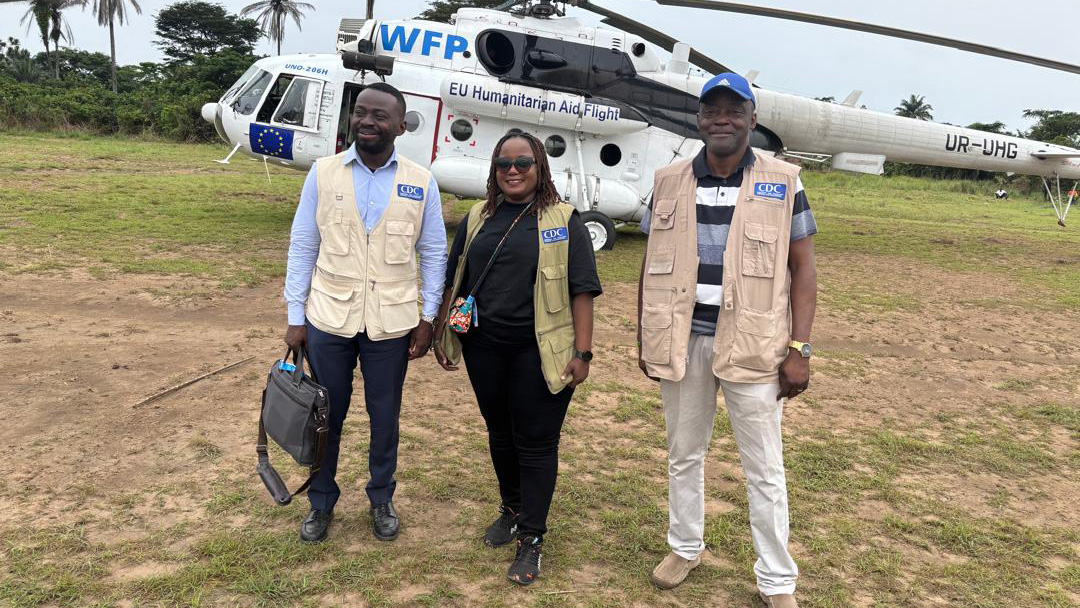
When the DRC's Ministry of Public Health, Hygiene, and Social Welfare (MOH) announced the country's 16th Ebola outbreak on September 4, 2025, CDC quickly jumped into action. The goal: help the DRC contain the outbreak at the source to save lives and protect U.S. national security.
Ebola can spread quickly within healthcare settings during an outbreak. Infection control measures, like screening patients for signs and symptoms of Ebola and having healthcare staff correctly using personal protective equipment, must be in place to protect staff and patients. Unfortunately, early in this outbreak, several health workers were infected with the Ebola virus while caring for patients. These illnesses highlighted gaps in infection prevention and control practices and underscored the urgent need for rapid intervention.
In addition to health workers, family and friends in close contact with Ebola patients are at the highest risk of getting sick with Ebola. Local populations living in or near the outbreak area, Bulape Health Zone in the DRC's Kasai Province, needed to know how to protect themselves from Ebola and what to do if they became ill.
People traveling to the DRC and U.S. personnel working in the country needed to be informed of the health risk and what actions to take to prevent getting sick. Countries neighboring the DRC, and even the U.S., must be ready to act in the event of an imported case.
CDC rapidly mobilized to support each of these needs.
Strengthening infection prevention and control
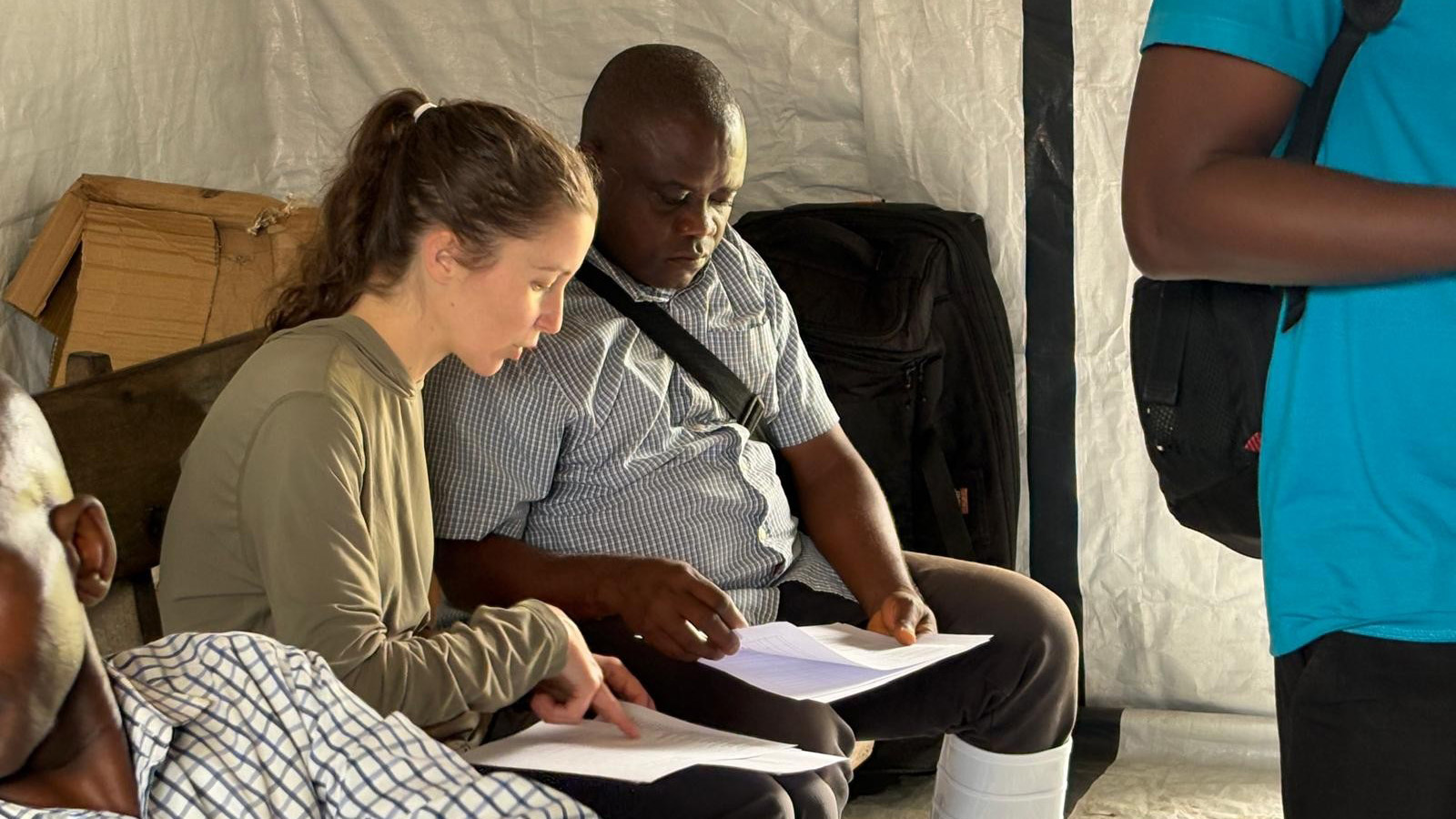
CDC deployers traveled to health facilities within the outbreak zone to work with partners to assess gaps in infection control practices. Responders trained over 140 health workers on best practices for patient screening and isolation, use of personal protective equipment, and waste management.
- Dr. Morgane Donadel, a CDC epidemiologist who deployed to Bulape to provide hands-on support
Educating families and supporting protective actions
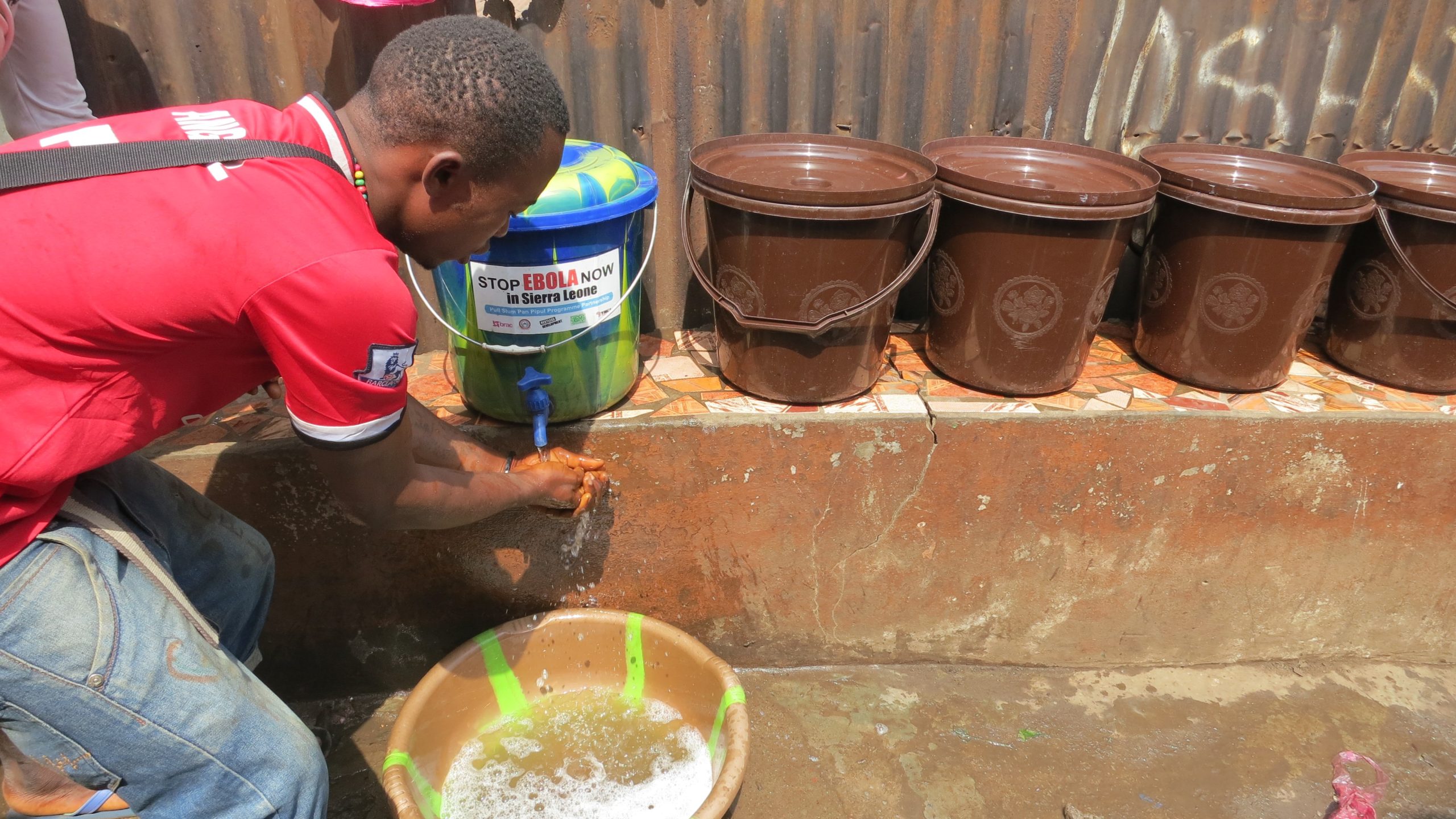
CDC and partners educated community members in outbreak-affected areas about the signs and symptoms of Ebola, how to protect their health, and the importance of alerting authorities about risks in their community. Responders used effective messaging to promote and increase acceptance of actions that protect people from Ebola, like identifying and monitoring people who had contact with people with Ebola, quickly seeking treatment when sick, providing safe and dignified burials, and receiving the Ebola vaccine, if they were offered it.
This messaging worked. Vaccination uptake increased, and more people were aware of the possible presence of Ebola in their community. CDC's close coordination with the DRC's MOH and partners contributed to the rapid deployment of vaccines, reaching approximately 48,000 people.
- Dr. Christine Prue, Associate Director for Behavioral Science at CDC's National Center for Emerging and Zoonotic Infectious Diseases
Promoting readiness
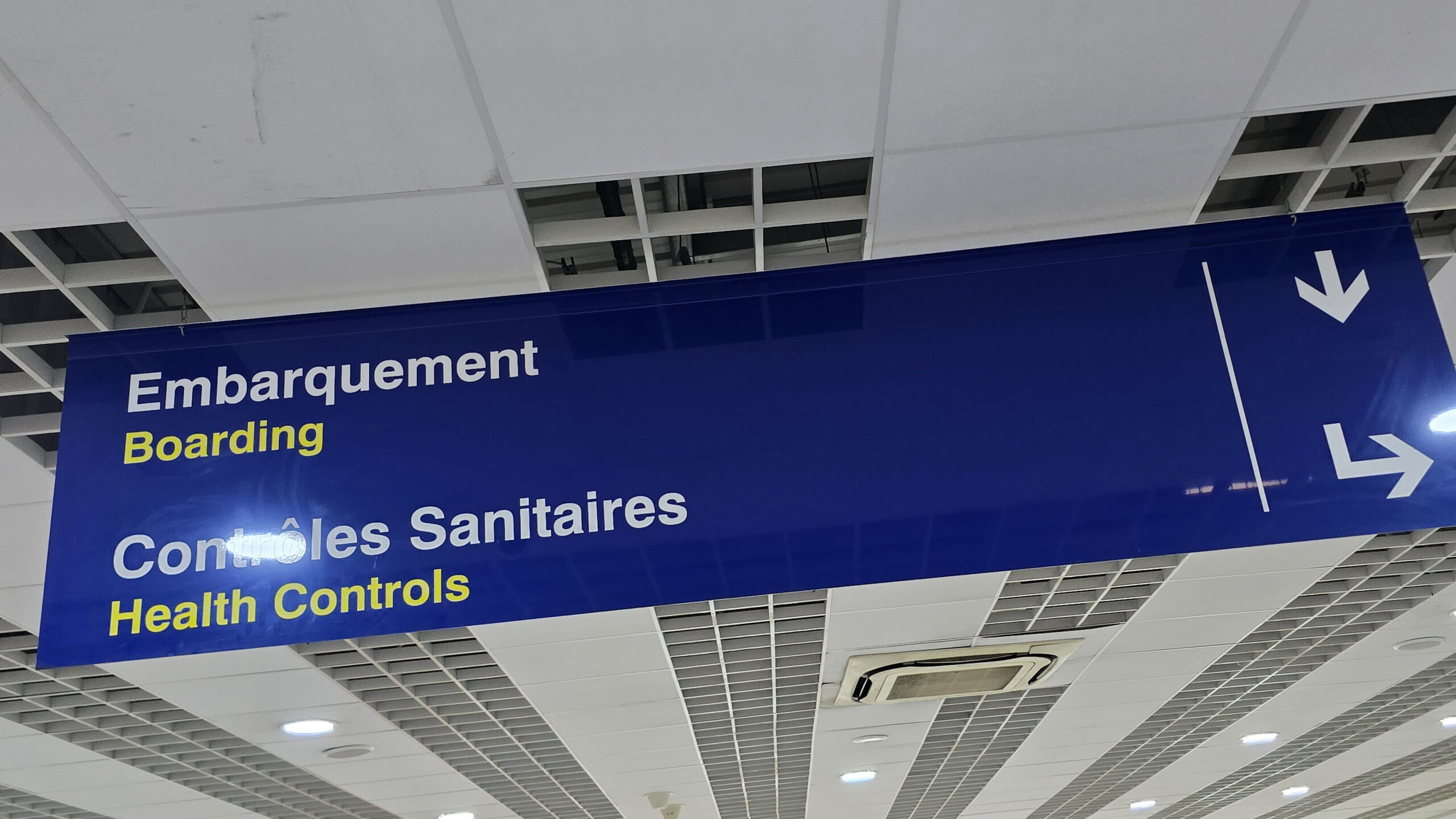
Soon after the outbreak started, CDC issued a travel health notice informing travelers to the DRC about the outbreak and how to protect their health. CDC protected U.S. government personnel as well as staff from non-governmental organizations and universities operating abroad by providing health and safety guidance for those working near the outbreak area.
CDC provided countries neighboring the DRC with tailored recommendations for improving Ebola readiness, along with standardized tools to assess their readiness. With additional resources, CDC plans to provide intensified readiness support in nearby provinces in DRC and Angola.
To prepare U.S. healthcare providers and officials, CDC issued a health alert network notice with recommendations for health departments and healthcare providers in the event that someone with Ebola arrived in the U.S.
Thankfully, this outbreak was contained before it could ever reach the U.S. These preparedness actions reduced the risk to average Americans by ensuring that public health officials and healthcare providers were ready to respond.
A model of integrated support
Investing in countries where Ebola is present is cost-effective, saves lives, and enhances American security. CDC acts as the technical lead for outbreak detection, infection prevention and control, and readiness. This coordinated response not only met the urgent needs of those responding to the Ebola outbreak but also continued to build and enhance local capacity for future health emergencies in the DRC. By training health workers, educating community members, and supporting readiness in the U.S. and elsewhere, CDC helps protect Americans and global populations from this dangerous health threat.
The outbreak was declared over on December 1, 2025, with no cases reported outside of the DRC. During the Government of the DRC's official ceremony declaring the outbreak over, DRC's prime minister recognized CDC's impactful support during the response.